A government department has announced that it will be opening its new headquarters in Manchester city centre, and it will create up to 400 job opportunities.
A part of the recently-announced Levelling Up plans, and in what is said to be in a move away from “London-centric decision making”, the Department for Digital, Culture, Media and Sport (DCMS) has announced that the new Manchester city centre building on Marble Street will be the largest DCMS hub outside of the capital.
The new Manchester HQ will contain the head office for Building Digital UK (BDUK).
BDUK is said to be “the driving force” behind Project Gigabit – the government’s £5 billion plan to roll out faster broadband in hard-to-reach and rural areas, and deliver gigabit-capable connections to 85% of UK homes by 2025.
“The days of London-centric decision making belong in the past,” said Culture Secretary, Nadine Dorries on the announcement.
ADVERTISEMENT
“It’s an exciting time for DCMS as we expand our regional offices and tap into a more diverse talent pool. Our strength comes from our people and this will allow us to recruit the best, wherever they may be, to deliver the wide range of DCMS policies which drive growth and enrich lives all over the UK.”
Hello Manchester!
Our new hub opens today in the heart of the North West, strengthening our commitment to recruiting talented individuals from across the country and ensuring job opportunities are spread equally across the UK.#LevellingUphttps://t.co/yLGX0zpdKB
The creation of this new HQ in Manchester city centre comes as part of wider government plans to relocate 22,000 civil service roles out of London by 2030, with Cardiff, Belfast, Edinburgh, Loughborough, and Darlington also all set to benefit from these plans.
The plans have for the new HQ have ben hailed as “welcome news” by Leader of Manchester City Council, Bev Craig, who added: “Not only is it a reflection of Manchester’s role as a northern epicentre for culture, media and sport – and our thriving and fast-growing tech sector – it is also move which should help stimulate further innovation and investment in the city and beyond.
“The city is at the heart of a huge and diverse talent pool and tapping into will benefit the government, as well as bringing hundreds of jobs and other opportunities here.
ADVERTISEMENT
“Government must not be concentrated in the capital and having more decision-makers based in the north should help bring a different perspective.
“Our door is always open to discuss further such relocations.”
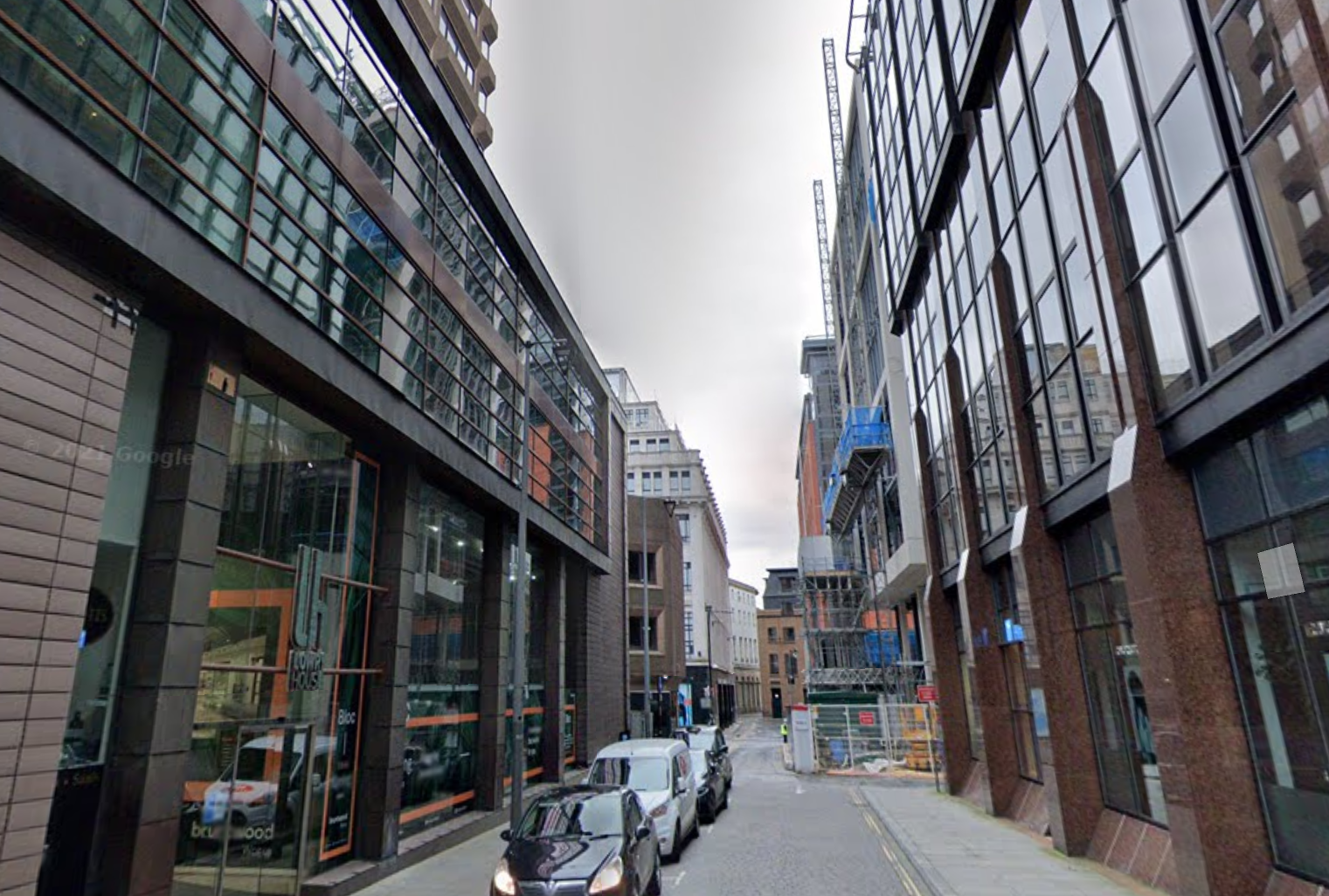
Marble Street in Manchester city centre where the new DCMS HQ will be located / Credit: Google Maps
Councillor Martyn Cox – GMCA’s lead for Culture – also added: “A new DCMS office in the centre of Greater Manchester will create hundreds of good quality jobs in the city-region… [which] is the fastest-growing digital and tech hub in Europe.
“This is also a step in the right direction of redirecting decision-making from London to our regions.”
Public urged to call the police if they see this wanted man
Daisy Jackson
Cheshire Police are appealing for the public’s help in tracing a wanted man with links to Macclesfield and Alsager.
Joshua Wyatt, 34, is wanted on recall to prison, and officers are urging anyone who has seen him or knows of his whereabouts to come forward.
Wyatt is described as being 183cm (6ft) tall and of medium build, with a bald head and blue eyes.
Police believe he has links to both Macclesfield and Alsager.
Anyone who sees Wyatt or has information about where he may be is asked to contact Cheshire Police on 101 or report information via the force’s website.
Information should be provided quoting reference number 26000809013.
Huge shuttle bus effort laid on to get Manchester United fans to Old Trafford amid tram disruption
Daisy Jackson
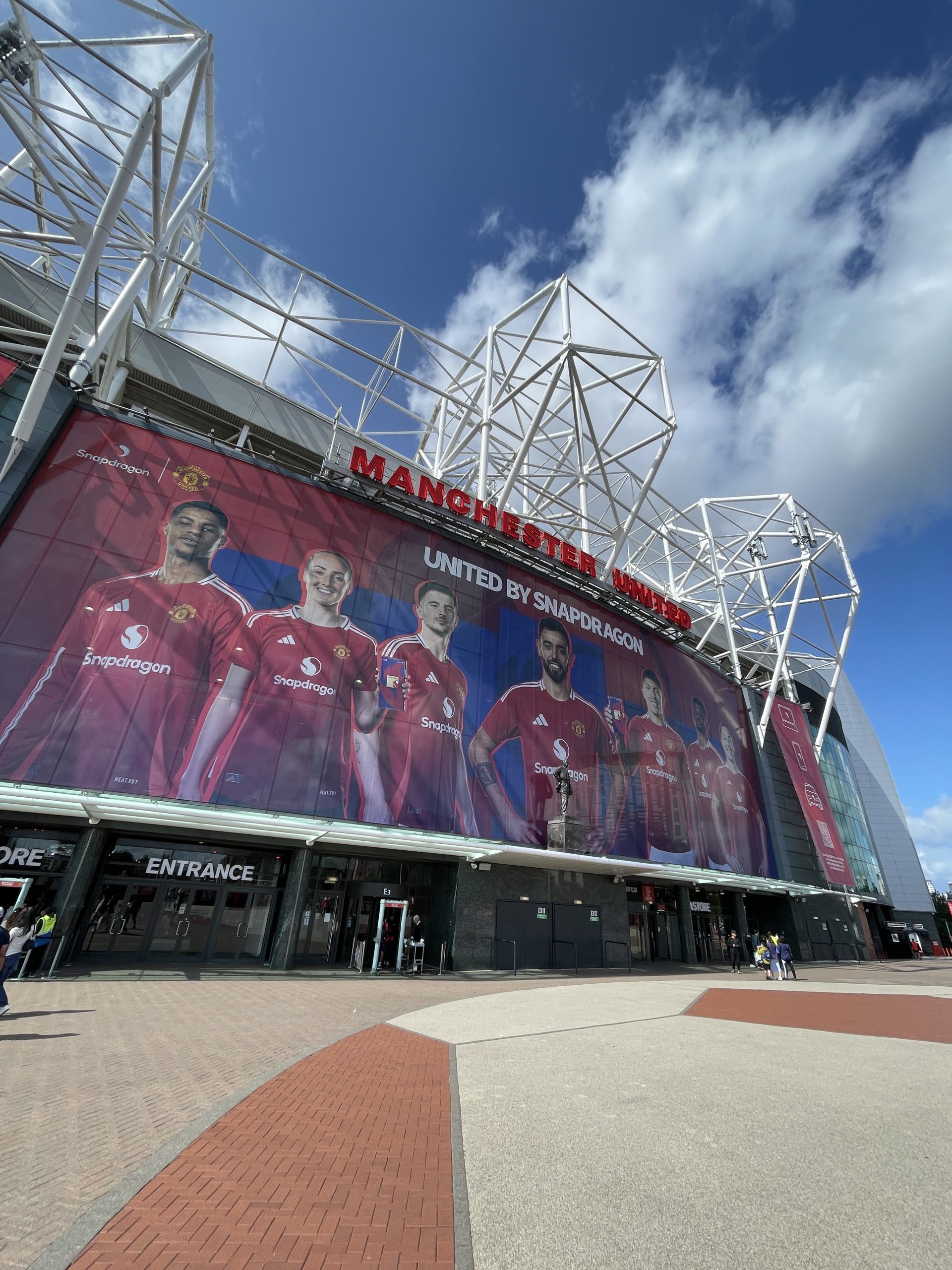
Transport for Greater Manchester has announced a shuttle bus scheme to help Manchester United fans get to Old Trafford this week, amid major tram disruption.
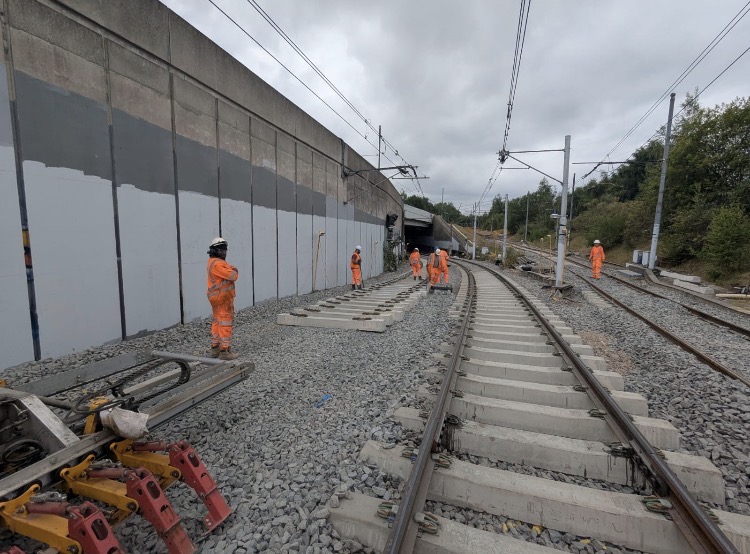
Fans won’t be able to use trams to get to the ground as usual, due to huge improvement works which are in place until Monday 2 November.
There’ll be no trams at all on the Altrincham, Trafford Park, and Eccles lines, with Airport and East Didsbury trams only going as far as Firswood.
That means that fans heading to Manchester United’s home game against Bournemouth would have been a little stuck without this newly-announced shuttle bus service.
Frequent dedicated shuttle buses will run running Piccadilly Gardens, Altrincham Interchange and the Trafford Centre, taking fans directly to Old Trafford before the game.
Frequencies range from five to 20 minutes depending on the route and time, with details available online. Return services will be in place after the final whistle.
TfGM staff will be at key stops and interchanges throughout the day to help fans get to the match and provide travel advice.
Huge shuttle bus effort laid on to get Manchester United fans to Old Trafford amid tram disruption. Credit: TfGM
Ian Davies, TfGM’s Network Director for Metrolink, said: “There is no good time to disrupt passengers to carry out these works, and this is the first time in over a decade that trams won’t serve Old Trafford on a match day, but these works are essential and will enable us to provide a better service in future. I am very sorry to fans who face disruption.
“We’ve put a range of alternative travel options in place, including dedicated shuttle buses, bolstered Bee Network bus services, rail options and ticket acceptance arrangements will help fans get to and from the game.
“Journey options will be different from usual, so we would encourage supporters to plan ahead, check their route and our website before they travel and leave plenty of time to get to and from the stadium.”
TfGM is advising supporters to leave around an hour earlier to help make sure they arrive in time for kick-off.

 Emily Sergeant -
15th February 2022
Emily Sergeant -
15th February 2022