The UK government’s official legislation to legally enforce the new lockdown restrictions across Greater Manchester and other parts of Northern England comes into force today.
It comes over five days after Health Secretary Matt Hancock made the sudden announcement on the evening of Thursday 30th July that people in certain areas of Northern England – crucially including all 10 boroughs of Greater Manchester – would no long be permitted to congregate privately with others outside their household or support bubble.
This is due to a rise in coronavirus (COVID-19) cases across these regions.
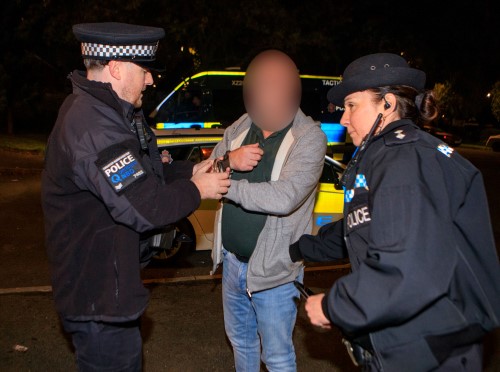
It was confirmed that “the police will be able to take action against those that break these rules, including asking people to disperse and issuing fixed penalty notices”.
ADVERTISEMENT
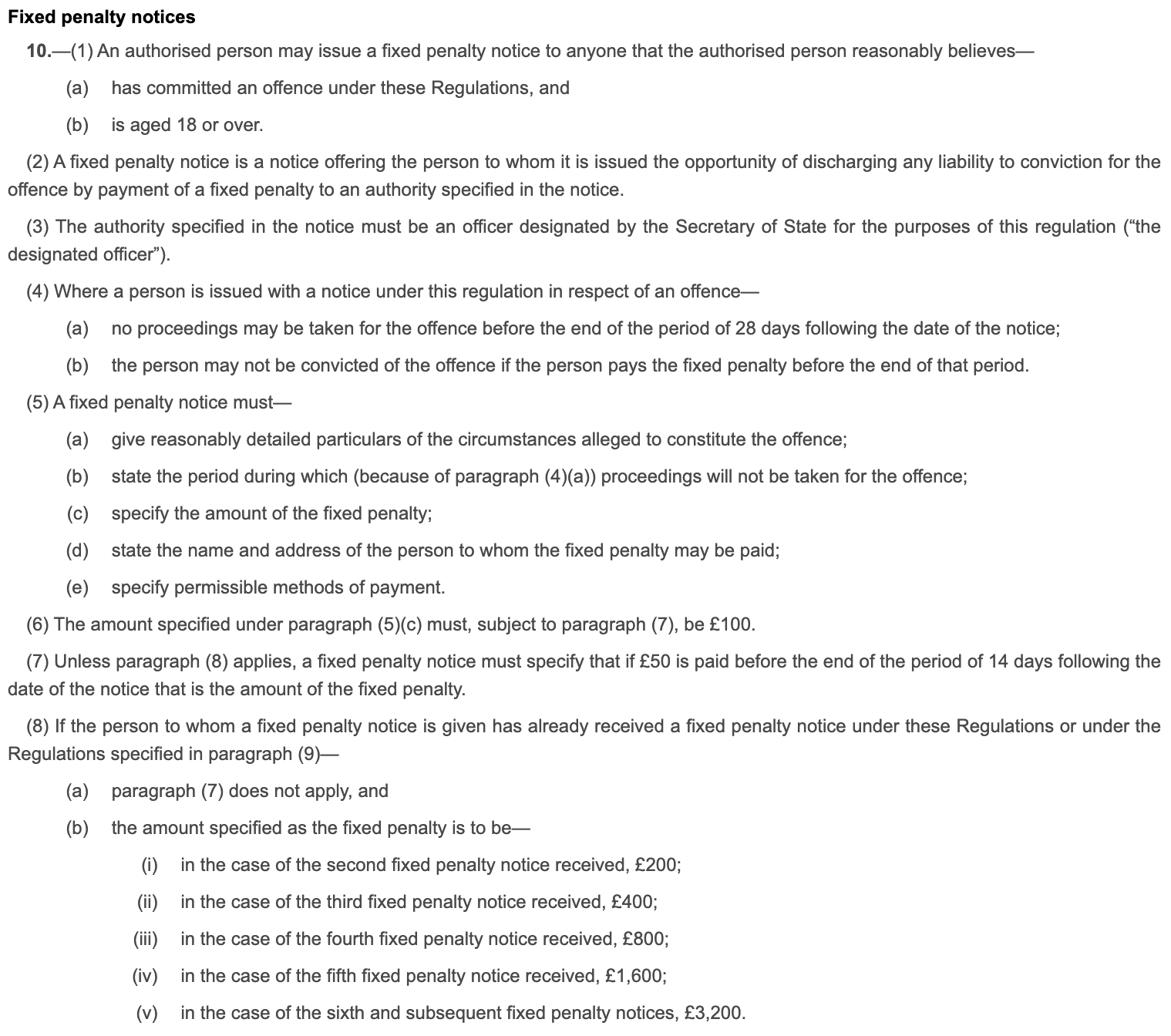
These fixed penalty notices will start at £100 (halving to £50 if paid in the first 14 days) and will double for subsequent offences, meaning that the fines could rise to a total of £3,200 in the the case of the sixth and subsequent fixed penalty notices.
What exactly would see you handed a £100 fine in Greater Manchester under this new legislation though?
ADVERTISEMENT
According to the new guidance and legislation, the government has stated that in order to help prevent the spread of coronavirus, anyone who lives in Greater Manchester “should follow these rules when meeting people who you do not live with”.
You should not:
“Meet people you do not live with inside a private home or garden, except where you have formed a support bubble (or for other limited exemptions to be specified in law).
Visit someone else’s home or garden even if they live outside of the affected areas.
Socialise with people you do not live with in other indoor public venues – such as pubs, restaurants, cafes, shops, places of worship, community centres, leisure and entertainment venues, or visitor attractions. You may attend these venues with people you live with (or are in a support bubble with), but should avoid interaction with others. If you run such a business, you should take steps to ensure people do not interact with people they do not live with, in line with COVID-19 secure guidance.”
As well as inside of a property, gatherings of more two or more different households in private dwellings also includes a garden, yard, passage, stair or outhouse.
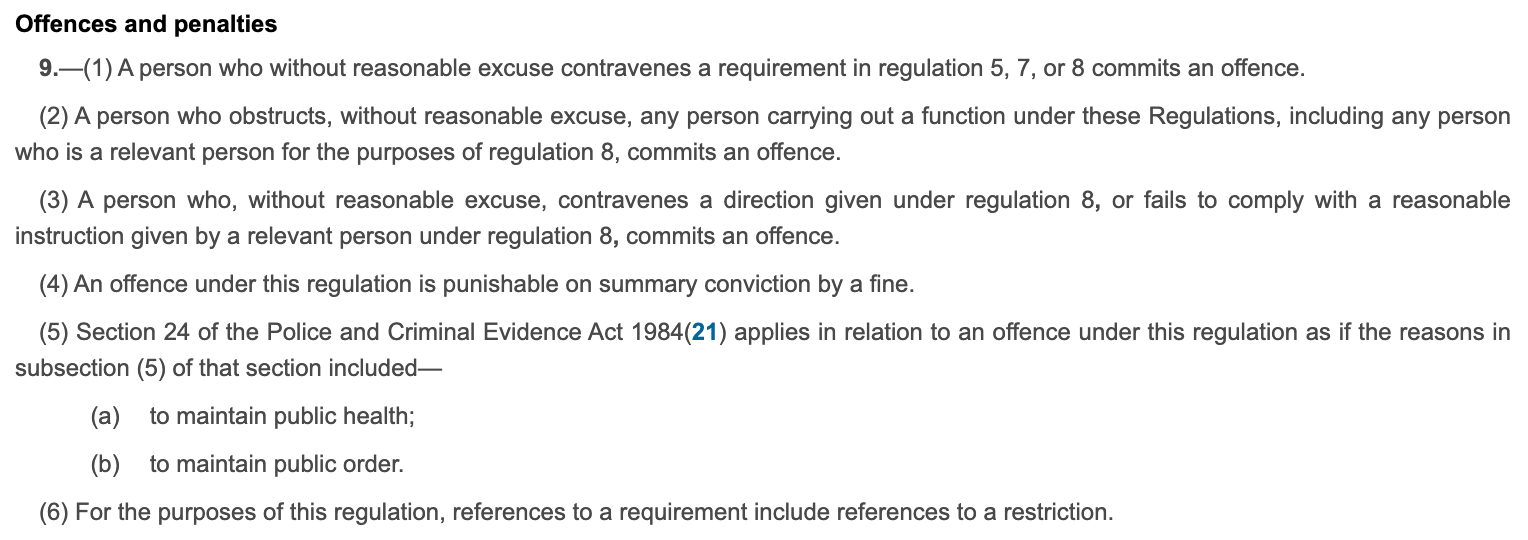
As stated in the legislation, a person in Greater Manchester who goes against the new rules “without a reasonable excuse” is thus committing an offence and therefore can be fined. An authorised person may issue a fixed penalty notice to anyone that the authorised person reasonably believes has committed an offence under these regulations, and is aged 18 or over.
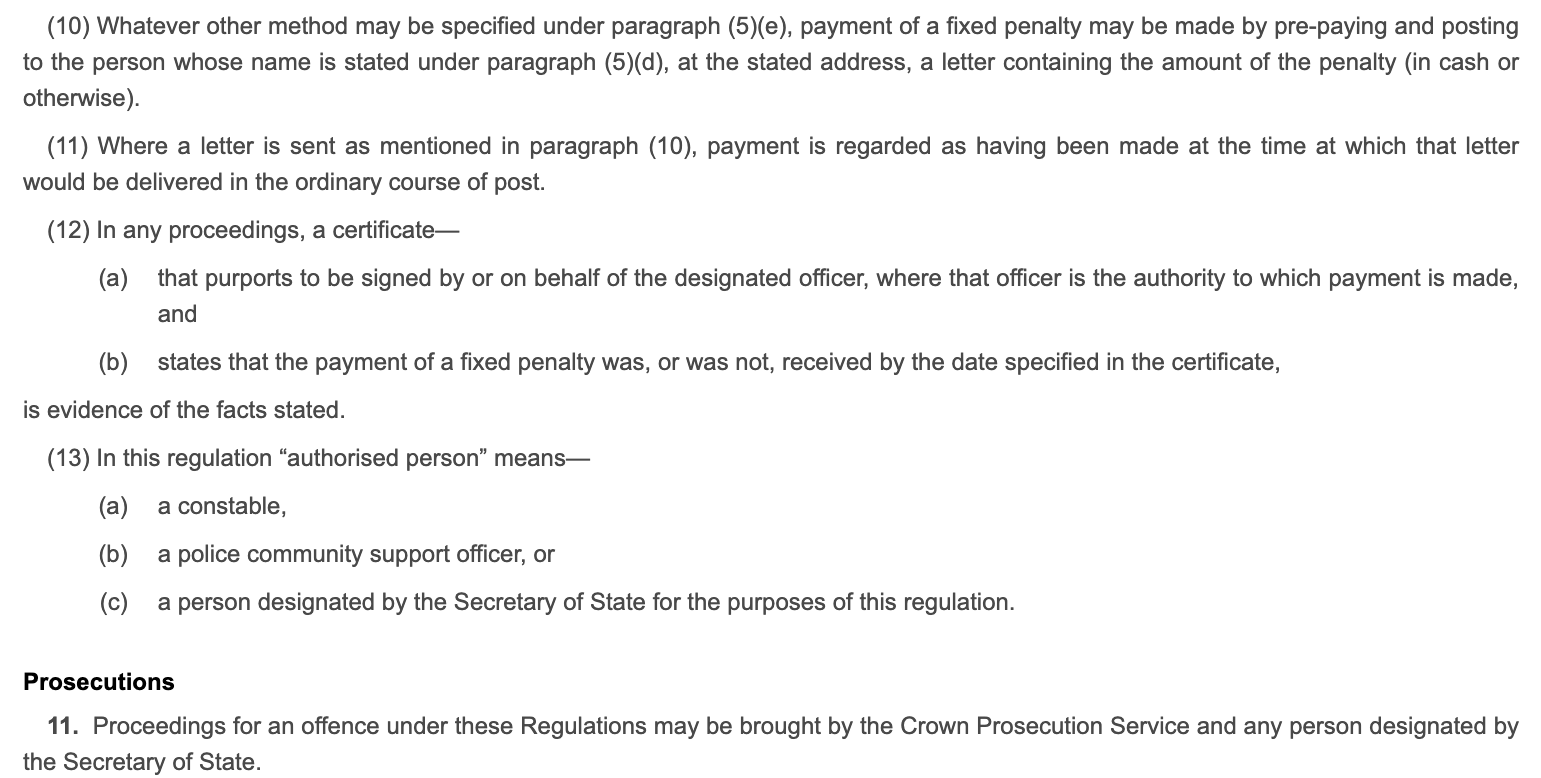
Fines can be handed out by either a police officer, a police community support officer (PCSO), or “a person designated by the Secretary of State for the purposes of this regulation”.
The initial offence fine of £100 is halved to £50 if paid within 14 days of receipt, but failure to pay will see the amount specified as the fixed penalty to be:
£200 – in the case of the second fixed penalty notice received.
£400 – in the case of the third fixed penalty notice received.
£800 – in the case of the fourth fixed penalty notice received.
£1,600 – in the case of the fifth fixed penalty notice received.
£3,200 – in the case of the sixth and subsequent fixed penalty notices.
Proceedings for an offence under this above mentioned regulations may also be brought by the Crown Prosecution Service.
Under the new legislation, the Secretary of State is required to review these restrictions at least once a fortnight, starting on 19th August, but the restrictions can be scrapped “as soon as” the Secretary of State considers they are “no longer necessary” to prevent the spread of the virus, or to protect the public against it.
ADVERTISEMENT
You can read the full legislation document via the legislation.gov.uk website here.
For further information and guidance amid the coronavirus (COVID-19) pandemic, do refer to official sources via gov.uk/coronavirus.
#StaySafeSaveLives
News
Victim named and murder investigation launched after young woman is killed in Newton Heath stabbing
Emily Sergeant
The victim of a street stabbing in Newton Heath this week has been named for the first time as a murder investigation continues.
It comes after officers from Greater Manchester Police (GMP) responded to reports of a disturbance at around 2am yesterday (Thursday 15 October) on Dorking Avenue, in the Newton Heath area of Manchester, and when they arrived on the scene, they found a woman in her 20s with serious injuries that were ‘consistent with a stabbing’.
Despite best efforts of all emergency services involved, the young woman was sadly pronounced dead at the scene.
As the murder investigation progresses, the woman has now been publicly named and a photo of her has been released for the first time.
She has been named as 26-year-old Alisha Samuels.
At this time, one man, aged 25, has been arrested on suspicion of murder, and a man and woman, aged 61 and 38, have been arrested on suspicion of assisting an offender, and they all remain in custody – with officers continuing their enquiries to establish the full circumstances of this incident.
Alisha’s family have asked for privacy whilst they deal with the devastating loss of their loved one, GMP has stated.
“We are continuing to urge people who may have information in relation to this incident to please come forward to support our investigation and bring justice for Alisha,” the police force said in a public appeal.
Anyone who may have witnessed the incident, or has mobile phone, CCTV, or doorbell footage, is urged to call GMP on 0161 856 5464, or contact them via the Major Incident Public Portal here.
Alternatively, you can contact Crimestoppers on 0800 555 111
Featured Image – GMP (Family Handout)
News
Former supply teacher jailed for multiple upskirting and AI sex offences across Greater Manchester
Emily Sergeant
A former supply teacher has been jailed for multiple upskirting and AI sex offences in schools across Greater Manchester.
Abusali Rahman – a British national of Bangladeshi ethnicity from Salford – appeared in Bolton Crown Court this week for his sentencing after first being charged with, and then pleading guilty to, several offences.
The offences are including, but not limited to, 12 counts of taking an indecent photograph/pseudo-photograph of a child (images obtained by upskirting), three counts of making indecent photograph / pseudo-photograph of a child (making AI-generated images), and one count of attempting to meet girl under 16 following sexual grooming.
The offences are alleged to have taken place between December 2023 and June 2025, according to Greater Manchester Police (GMP).
Twelve girls have been identified in relation to the upskirting offences – aged between 13 and 16 at the time of the alleged offending – at seven high schools in three Greater Manchester boroughs (Bury, Bolton, and Salford).
GMP says it has remained in close contact with the schools, local authorities, and other partners throughout the investigation to ensure all appropriate support is in place for those who need it.
Additionally, the court also heard how Rahman amassed a collection of images of young girls, using AI and other methods to sexualise them.
The images numbered more than 300 in total, ranging from Category A to Category C classifications, and Rahman would post these on social media, often alongside humiliating and disgusting captions.
Rahman was sentenced to six years in prison, and will also be subject to a 20-year Sexual Harm Protection Order.
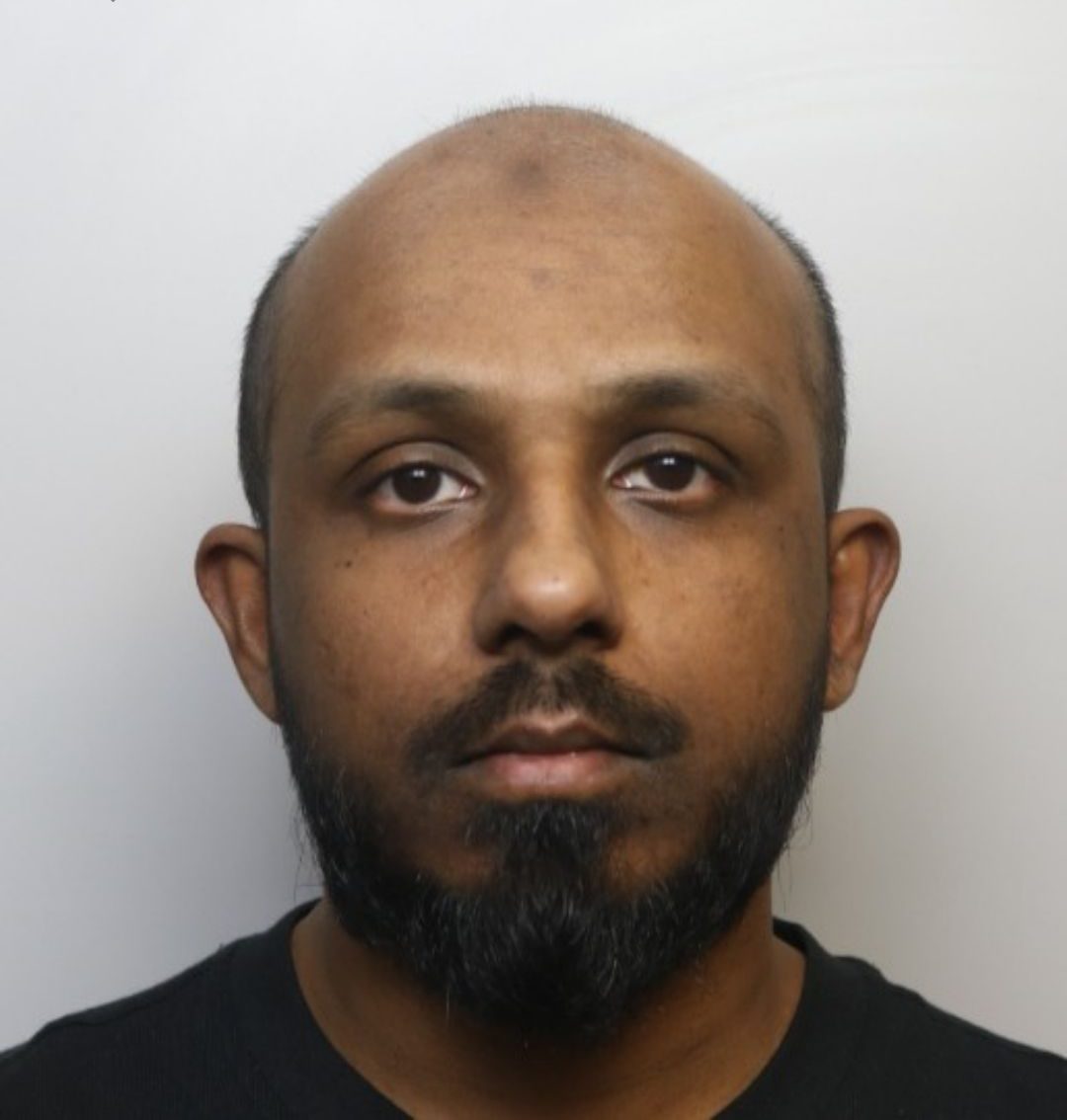
A former supply teacher has been jailed for child sex offences in schools across Greater Manchester / Credit: GMP
Detective Constable Lisa McGaffin, from GMP’s Bolton Child Protection Team, described Rahman’s crimes as ‘absolutely abhorrent’.
“My thoughts throughout this process have always been with the young girls who have been subject to such indignity,” DC McGaffin said following the sentencing this week. “Their welfare and support will always be a priority for us.
“While working as a teacher – someone who young children should trust and be safe with – Rahman repeatedly took secret photos for his own sick gratification, before posting images online which showed his total disregard for the girls’ respect and dignity.

 The Manc -
5th August 2020
The Manc -
5th August 2020