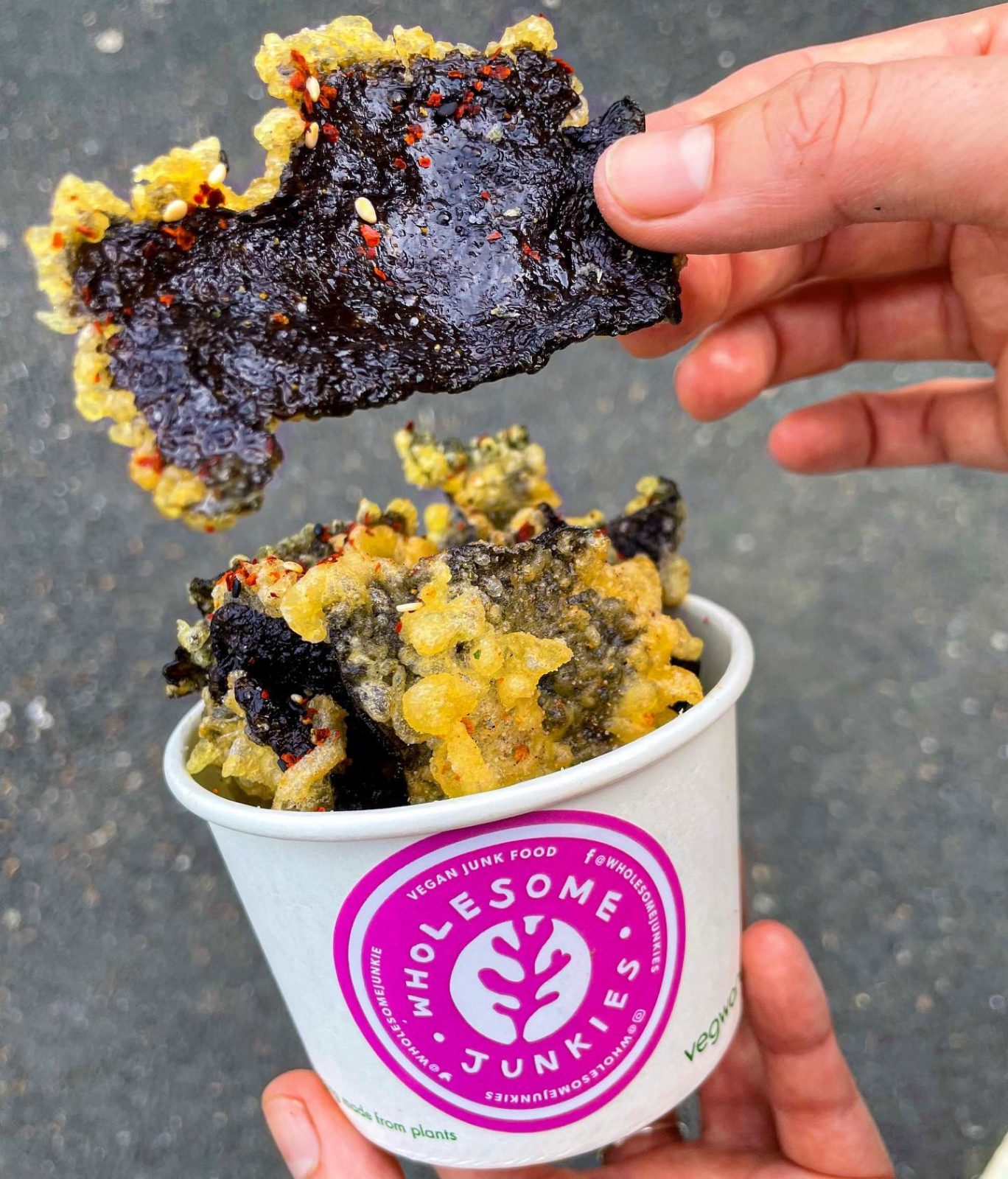
Manchester vegan and veggie junk food favourite Wholesome Junkies has found a new permanent home in the archways behind Victoria Station.
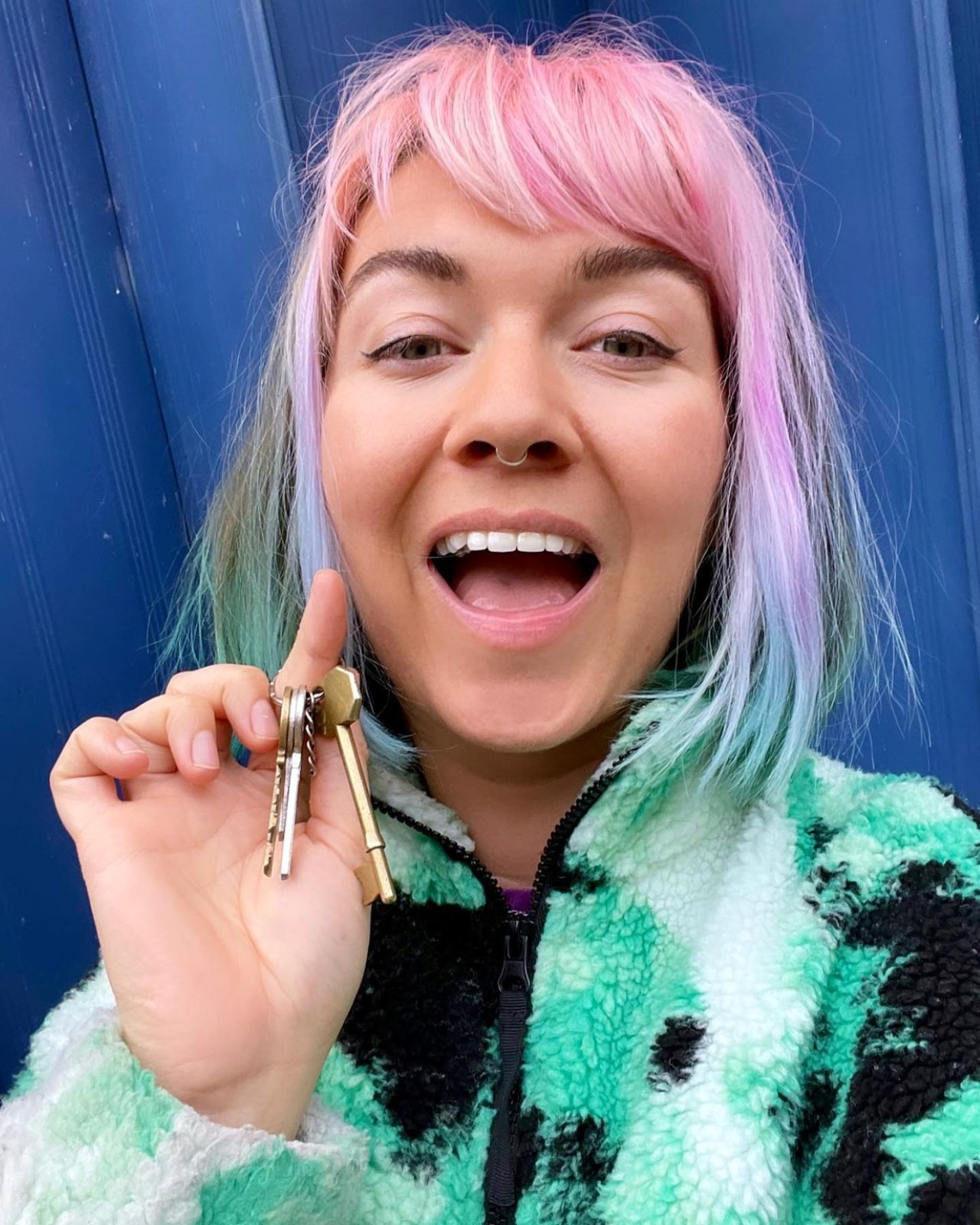
Taking over the former Umezushi space at 4 Mirabel Street, owner Chelsea Campbell shared the news with followers on Instagram on Wednesday in an ecstatic post.
She said: “After years of heartbreak searching for the perfect space, we’ve finally got our own place to call home.”
“Follow our journey as we take these next few months to make it into a Wholesome Junkies Restaurant.”
Wholesome Junkies has revealed it will be taking over the former Umezushi site. / Image: Wholesome Junkies
Revealing plans to start a KickStarter in the next few weeks, Chelsea shared her hope that their 43,000+ followers would be able to help make her long-standing dream of opening a restaurant space a reality.
ADVERTISEMENT
She first shot to fame in 2018 after appearing on BBC2’s Million Pound Menu, when she appeared on the show, filmed in Spinningfields, to ask for 95,000 to open her own restaurant in Manchester.
Prior to that, she’d been running her Wholesome Junkies concept as a street food pop-up at sites like Grub and Ancoats General Store.
Whilst her bid to impress the BBC judges was not successful at the time, the TV appearance put her on the map and within a year she had her own Arndale market stall – moving into a newly developed section alongside the likes of Holy Crab and Blue Caribou poutine.
Founder Chelsea shot to fame after appearing on BBC’s Million Pound Menu in 2018/ / Image: Wholesome Junkies
Image: Wholesome Junkies
Image: Wholesome Junkies
The popular kitchen has been operating successfully from here since 2019, but now it’s taking an exciting new step forward in its journey.
ADVERTISEMENT
Set to open in a number of months, most likely sometime later this summer, the space is small and will offer an intimate dining experience. When home to Umezushi, it seated just 20 diners.
As for Umezushi, widely considered one of the best sushi restaurants in the city (and now turned members-only), its Japanese Omakase experience will move into Unit 3 for the month of April – the former home of The Sparrows restaurant.
When she first began venturing into the world of vegan cooking, the culture still had a stigma of lentils, chickpeas, and ‘rabbit food’.
Image: Wholesome Junkies
Chelsea, it’s fair to say, has been a large part of reshaping that narrative here in Manchester through Wholesome Junkies.
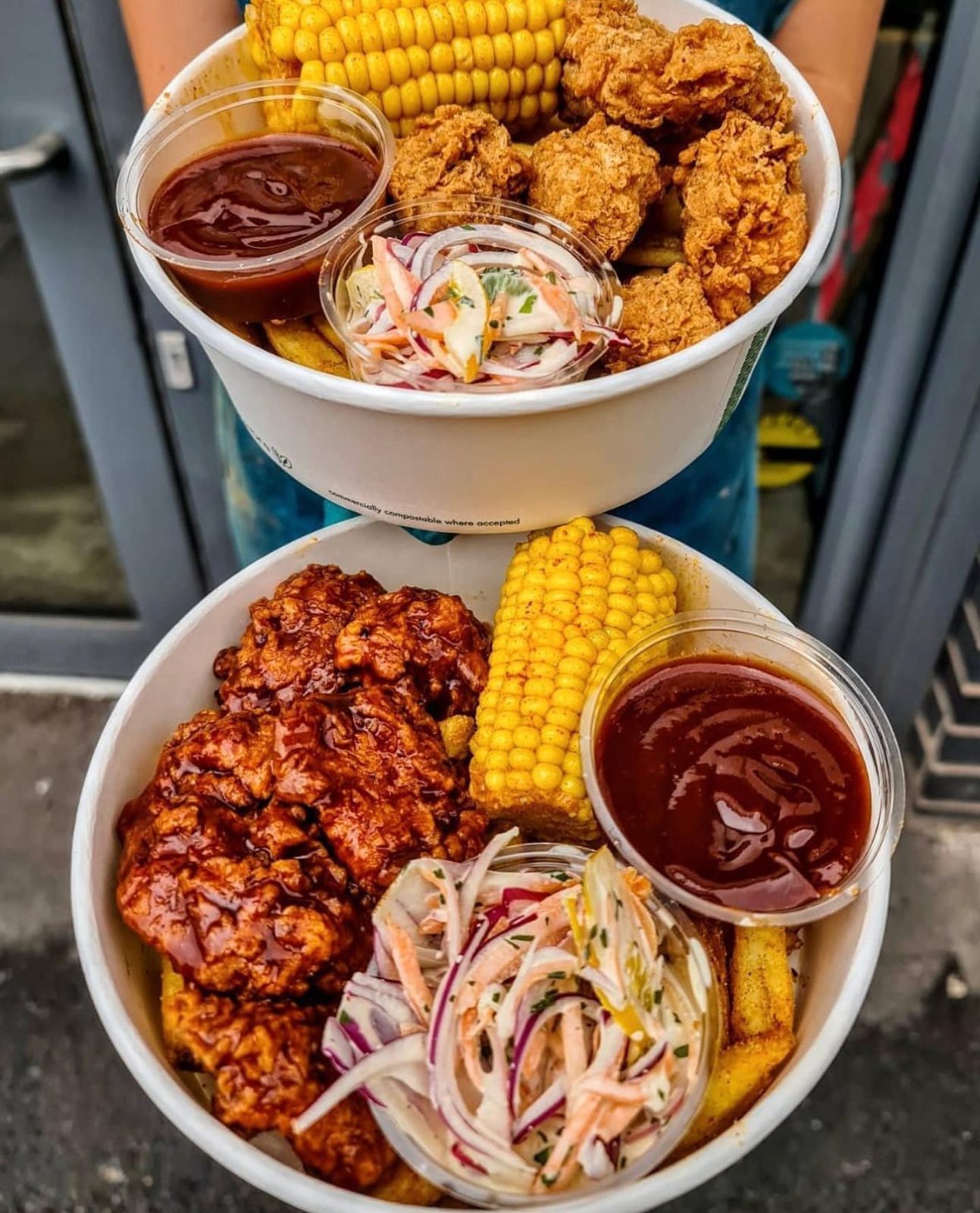
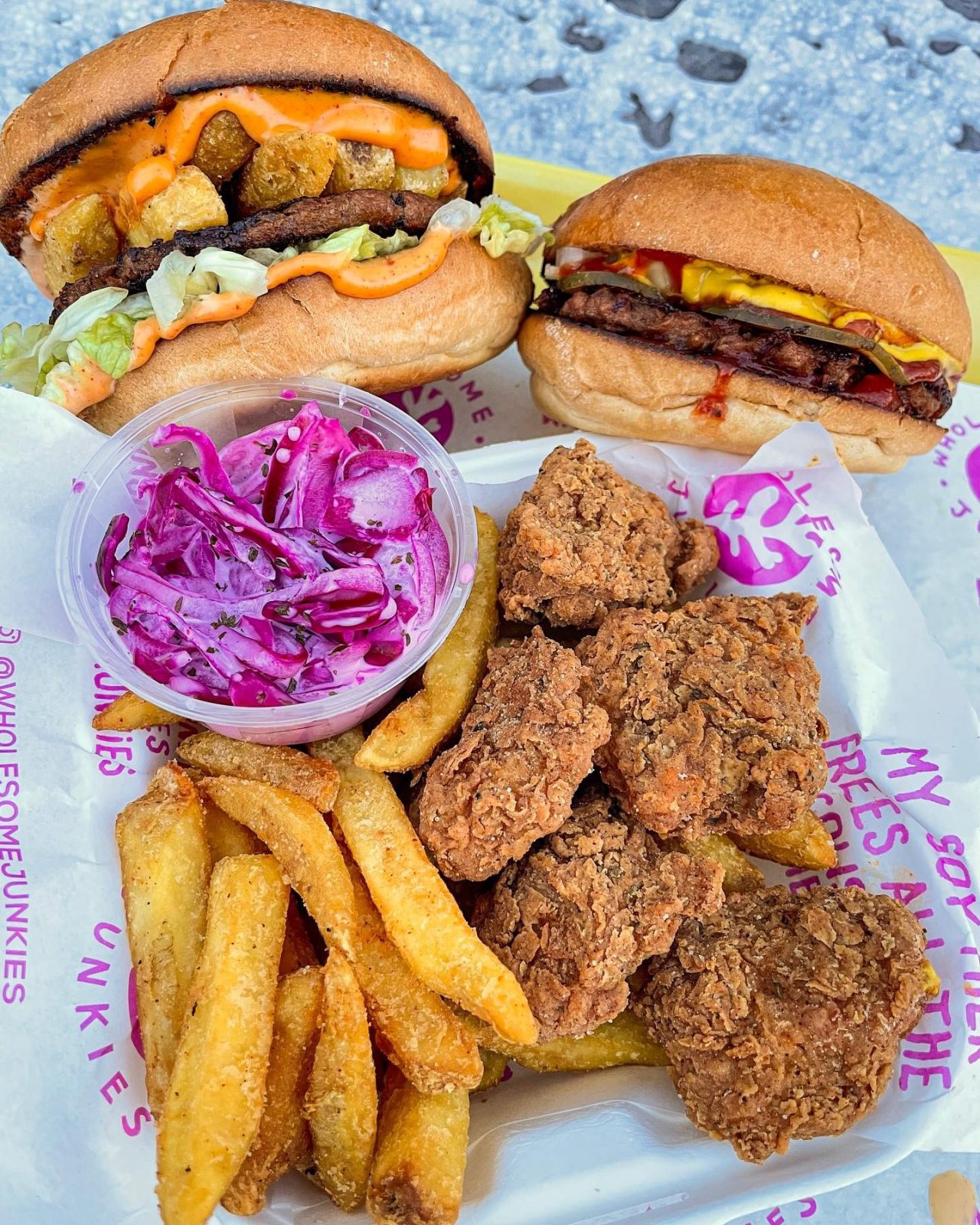
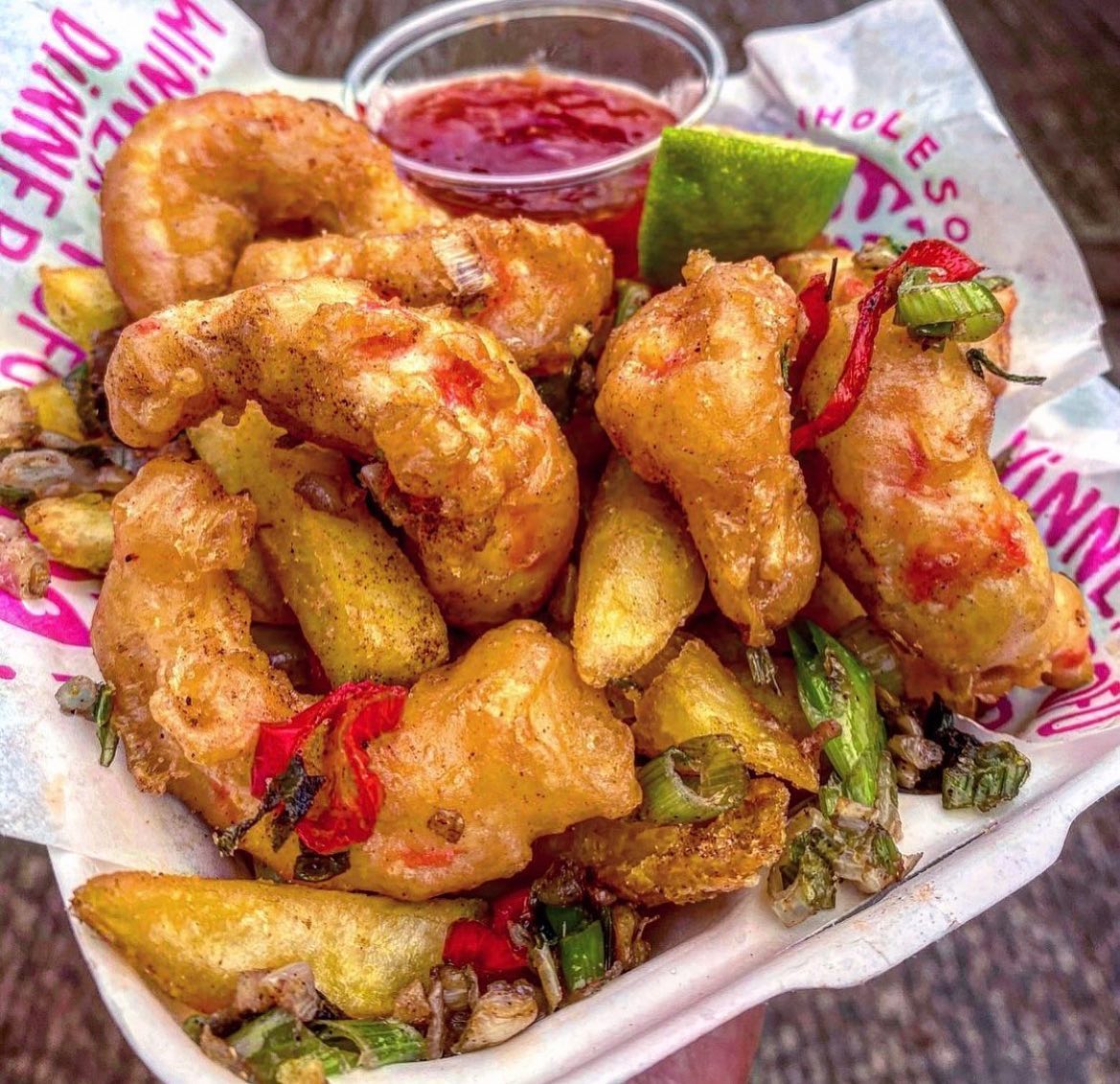
Known for taking familiar dishes and putting her own twist on them, she has built up a loyal following with her vegan junk food concept.
ADVERTISEMENT
Given the arrival in recent years of competitiors from out of town – Frost Burgers, V Rev, JJ’s Vish and Chips and What The Pitta, just to name a few -now seems the perfect time to expand into a new permanent home.
To keep up with Wholesome Junkies journey and restaurant build over the coming months, follow the eatery on Instagram here.
Feature image – Wholesome Junkies
News
Met Office gives verdict on how Storm Boelo aftermath will affect Greater Manchester this week
Emily Sergeant
Storm Boelo is finally on his way out, and now the Met Office has given its verdict on what we can expect from the rest of the week.
In the aftermath of two successive storms, Storm Austen followed by Storm Boelo – the latter of which affected Greater Manchester – the UK is now able to begin recovering from the effects of the adverse weather.
But the Met Office has warned that, although there is no named storm, strong winds and heavy rain will continue to affect parts of the UK early this week, before high pressure brings calmer conditions.
Yellow national severe weather warnings are in place for parts of Scotland and western areas of the UK today (Tuesday 27 October), including areas of the North West, as gales and spells of rain bring the potential for ongoing disruption around the region, particularly on exposed coasts and higher ground.
“The continued winds could hamper recovery efforts in some places,” forecasters also unfortunately confirmed.
⚠️ Strong winds and heavy rain continue across parts of the UK early this week with a yellow weather warning in place, before high pressure brings calmer conditions for many from Wednesday ⛅
Read our news release to find out more 👇
https://t.co/EQU4vvaA3B https://t.co/hpvTd8v7EZ
As rest of the week pans out though, conditions will begin to settle down and showers are expected to become ‘less frequent’, while winds also ease for most, although gales could continue for a time in the far north.
Thursday is expected be ‘largely dry’ with lighter winds and variable cloud, with a touch of mist and fog likely across parts of England and Wales during the morning.
From Friday and into the weekend, light rain will team up to potentially affect northwestern areas of England, but for the most part, temperatures are expected to remain close to, or slightly above, average for the time of year.
“From Wednesday, high pressure will start to build which will ease the winds and bring a quieter and largely drier end to the week for many, although some rain is still possible in the North and West,” explained Met Office Deputy Chief Forecaster, Steven Keates.
“However, with wind warnings in place, those in warnings areas, particularly in northern Scotland and western high ground, continue to be exposed to strong winds and heavy rain before the more settled weather arrives.”
Featured Image – The Manc Group
News
Popular pumpkin patch attraction describes ‘catastrophic’ impact of Storm Boelo
Daisy Jackson
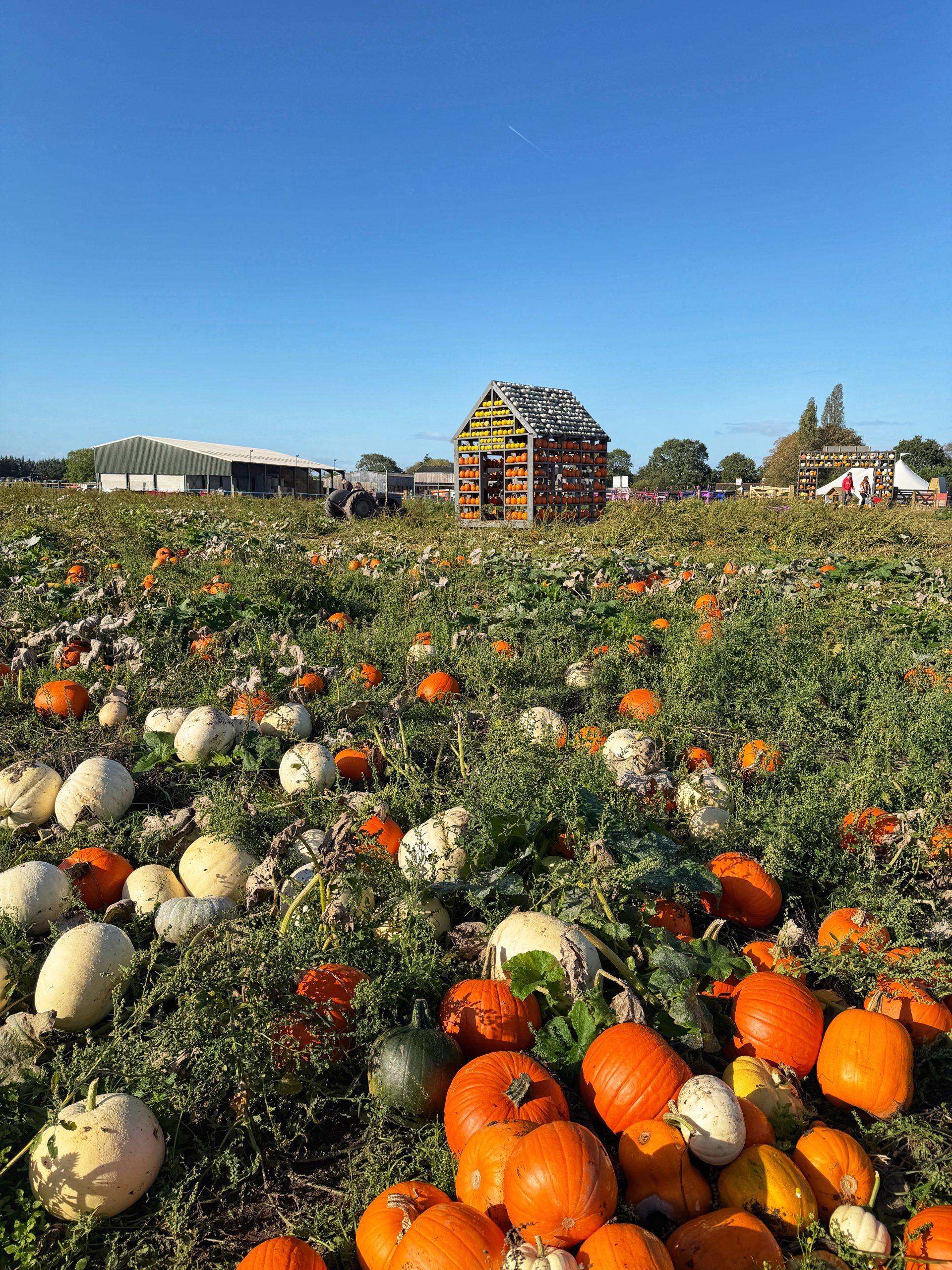
Bates Farm, one of the most popular pumpkin patch attractions in the North West, has shared its heartbreak after Storm Boelo forced its closure on the busiest day of the season.
The Warrington-based family farm said the financial impact has been ‘honestly catastrophic’, after they had to cancel all tickets for Sunday.
Sisters Ali and Fiona Wilshaw, who run the farm, said it was simply not safe to allow members of the public onto the farm in the storm, with ‘crazy’ gusts of wind.
They later shared a video that showed their marquee was badly damaged and many footpaths turned to deep mud.
The sisters said they were ‘heartbroken’ to have to close at such a busy time, but stressed to followers that ‘your safety and our integrity will always come first’.
On Saturday, as Storm Austen and Storm Boelo chased each other across the UK, several people shared videos of themselves getting battered by the weather at Bates Farm.
And it’s pretty clear from that why Ali and Fi decided to cancel all tickets and close for the day on Sunday.
They wrote: “We have put in so much love, energy and investment putting on this event at this scale. The cost to cancel and refund everyone today on our busiest day of the season is honestly catastrophic, but business aside, your safety and our integrity will always come first.
“To think last night we were running round Tesco trying to stock up on milk and now we are in the depths of recovering the site to go again tomorrow. All emails and enquiries are being responded to as quickly as possible and we are doing our best to open up more available slots next week.
“We are being tested like never before, but pulling together in true force. Huge shout out to the whole team and Farmer Fi the absolute queen in any crisis.
“Thank you all for your patience and especially thank you to those who have sent such kind words and support, we are so grateful to have customers like you.
“We will be back tomorrow to enjoy the remaining of this tough season, we are putting in so many provisions with wood chip paths, undercover seating and an indoor barn to make your visit as enjoyable as possible. Ali & Fi.”
Anyone who had tickets to visit Bates Farm on Sunday will be refunded, and can book in for another date.
Bates Farm has safely reopened its autumnal experience and pumpkin patch today.

 Georgina Pellant -
21st April 2022
Georgina Pellant -
21st April 2022