Shoppers are being warned that some major new changes to the Tesco Clubcard scheme are officially taking effect from today.
Loyalty schemes are pretty much commonplace in UK supermarkets nowadays, with the Tesco Clubcard being by far one of the most popular – but today, after weeks of reminders, the supermarket has introduced a significant new change that’s set to affect the more than 20 million people signed-up nationwide.
The supermarket chain already closed its separate Tesco Pay+ app on Monday 27 February, but from today (18 April), shoppers will no longer be able to use their Clubcard app and will need to download the new ‘Tesco Grocery and Clubcard’ app to continue earning points.
So how does it work then? And what exactly is changing?
Well, the new app is essentially replacing the two older apps, and looks set to combine the features of both into one place to make it easier for shoppers to use.
ADVERTISEMENT
Major new changes to Tesco Clubcards take effect from today / Credit: Ben Stevens / Parsons Media (via Tesco plc)
Appearing to work in relatively the same way as the old Clubcard app, the new ‘Tesco Grocery and Clubcard’ allows shoppers to pay, view their points balance, spend Clubcard vouchers, order deliveries and check stock in stores all in one, according to Tesco.
Customers can also use their physical Clubcard to earn points.
ADVERTISEMENT
A Tesco spokesperson told consumer group Which? that the new app will be “the easiest way” to get the most out of what Clubcard has to offer.
“With the combined power of Clubcard Prices, coupons, vouchers, alongside our reward partner codes, Clubcard is the best way to get value at Tesco, and our Grocery and Clubcard app is the easiest way to make the most of all your Clubcard has to offer,” the spokesperson explained.
They also crucially added that shoppers won’t lose any points, vouchers, or coupons during the switchover, as these will still be available in the new app or via your online account.
ADVERTISEMENT
Shoppers will no longer be able to use their Clubcard app and will need to download a new one / Credit: Tesco plc
This isn’t the only Clubcard change Tesco shoppers need to be aware of in the coming months either.
The supermarket has already announced that, from 14 June, it will reduce the value of Clubcard vouchers – which customers can currently exchange and triple their value to save more, or use with rewards partners such as Zizzi and Pizza Express.
But when the new change comes into force, customers only can double the value when they redeem at any of Tesco’s 100 rewards partners.
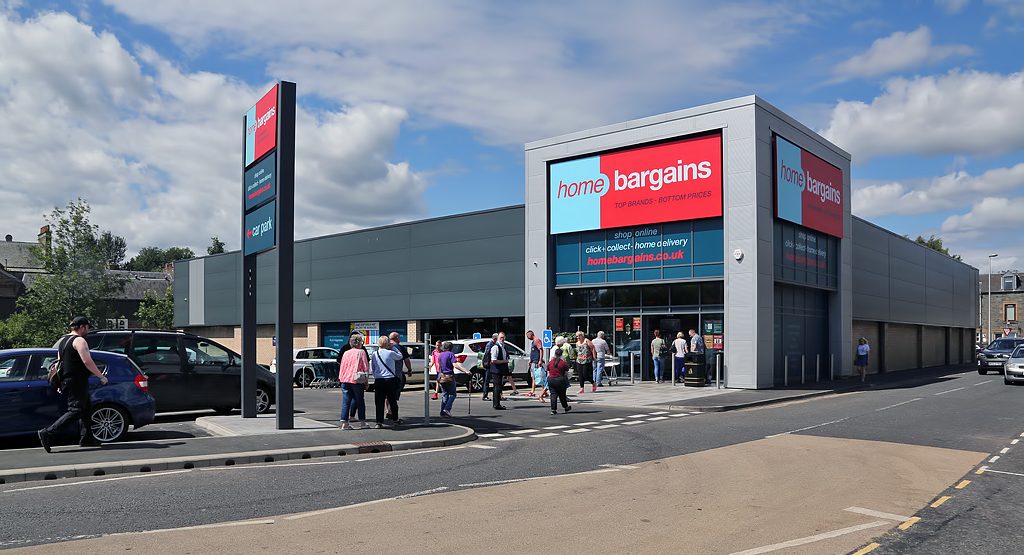
Home Bargains has announced a special two-day closure of all UK stores
Emily Sergeant
Home Bargains has, once again, announced it’ll be closing all its UK stores on both Boxing Day and New Year’s Day this year.
And it’s to make sure staff get a ‘well deserved break’.
After what has been yet another busy year for the retail industry, many workers have been left feeling like they could do with a little extra time off, which is why Home Bargains is following on with what has become a now-annual tradition by shutting up shop on two bank holidays.
All of our stores will be closing for Boxing Day & New Years Day.
Announcing the move in a post on social media, the discount retailer confirmed: “All of our stores will be closing for Boxing Day and New Years Day. We would like to thank all our colleagues for how hard you have worked this past year, and want you to relax and enjoy the Christmas break with your loved ones.”
Of course, this isn’t the first time the retailer has kept its doors shut on bank holidays.
Many shoppers will recall it has made the same decision to give hardworking staff a break every year since 2019.
Explaining a little more about the decision taken to close all its stores, Home Bargains said: “As a family-run business, we know the importance of being together at Christmas with those we care about most, now more than ever.
“This is our way of saying thank you to our colleagues for their continued hard work and dedication.”
Featured Image – Geograph
Shopping
Manchester has been named one of the most ‘affordable’ cities in the UK – this is why
Emily Sergeant
A list of the top 10 most affordable cities in the UK has been revealed, and Manchester has made the cut for one very specific reason.
On a bit of a budget? Aren’t we all.
The cost of living crisis has been raging on for quite a few years now, and unfortunately, despite how much we all wish for it to, it doesn’t appear to be slowing down – with prices for everyday items, especially typical fridge and cupboard stables, shooting up by the day, even though supermarkets are showing efforts to prevent it.
And it’s the noticeable price increases in groceries that led delivery insurance provider, Street Cover, to uncover which UK cities don’t strain your food shopping budgets too much just yet.
As it was found that food and non-alcoholic drinks inflation reached 1.3% this past summer, a new study has revealed that Sheffield is officially the most affordable city in the UK, with several other northern locations on the list.
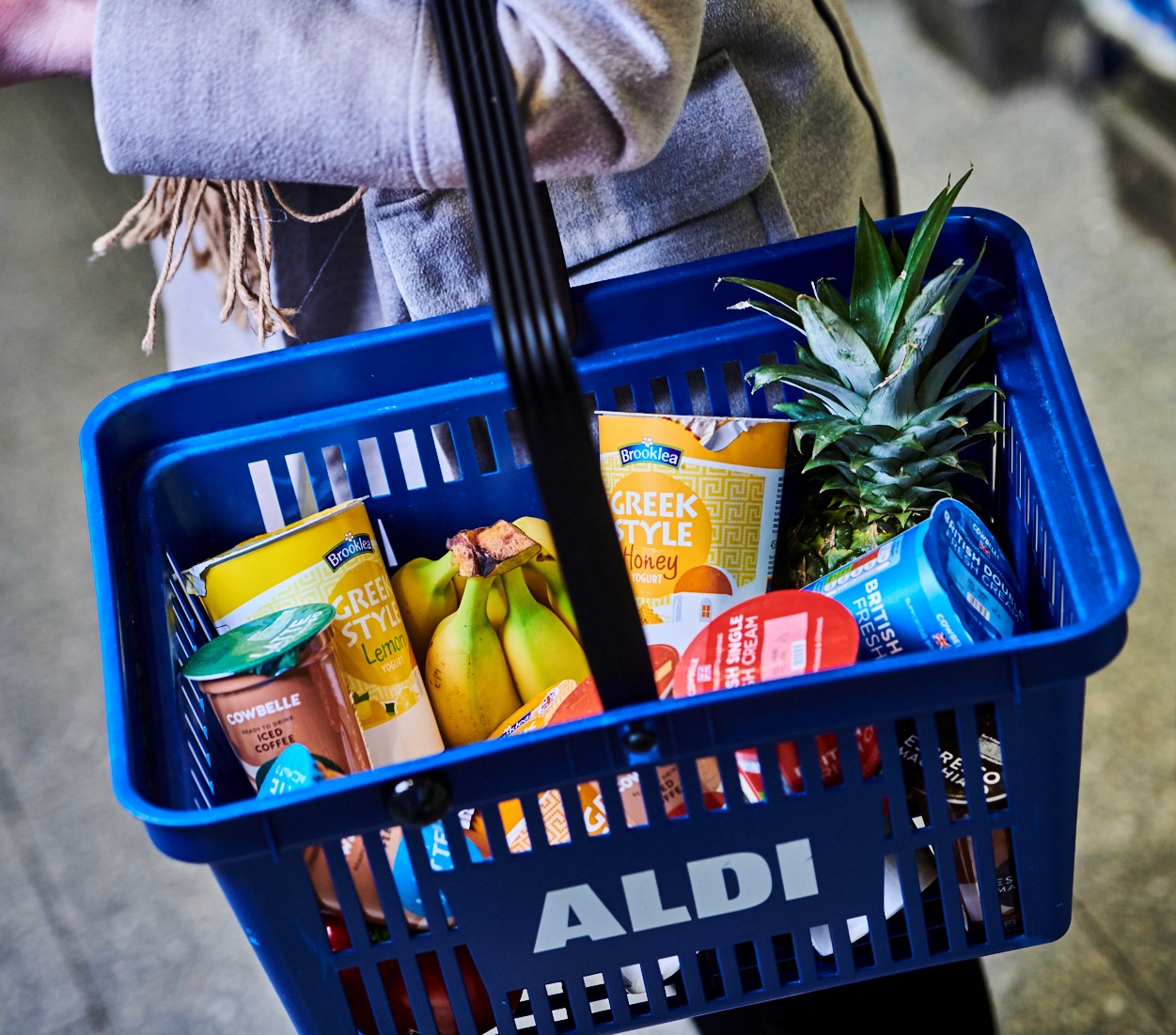
Manchester has been named one of the most ‘affordable’ cities in the UK / Credit: MCC | Aldi
The study compared the 2026 Grocery Index for the largest UK cities with the UK average, as well as available 2025 Grocery Indices, to track the changes in food affordability.
The cities are ranked by the index difference from the national average – which is 67.3 – but the report also uses direct monetary values for a grocery basket to provide some additional context too.
Manchester took sixth place on the list, with an average grocery basket price of £23.08, while some of the other northern cities in the top 10, besides Sheffield at number one, include Liverpool, Leeds, and Newcastle.
Top 10 Most Affordable UK Cities For Groceries
Sheffield
Milton Keynes
Liverpool
Reading
Newcastle
Manchester
Leeds
Bristol
Cardiff
Southampton
As the only other North West city in the top 10, Liverpool may have come in third place overall, but the study found that the grocery bill here is the smallest in terms of actual monetary numbers – with it setting shoppers back £22.08 for a regular supermarket basket, which is a whole £1 cheaper than in Manchester.
“Data shows households in the North East of England have the lowest average food spend in the country, around 11% below the UK average, while Yorkshire sits 6.6% below,” Al Taylor, who is the Head of Street Cover, commented on the study’s findings.
“Sheffield’s position at the top reflects lower property costs for retailers, less competition from premium chains, and a supermarket landscape dominated by value-led options.
“The practical implication for household budgets is significant – the difference between budget and premium shopping can easily be £1,000 or more per year for a family, which can be spent on other things or saved for future plans.”

 Emily Sergeant -
18th April 2023