The 2023 line-up for Leeds International Festival of Ideas has been released, and it’s all taking place in a brand new venue.
The huge event will bring together some of the most thought-provoking speakers of our time and is well worth the trip across to our neighbouring city.
Taking over the Leeds Playhouse will be a diverse programme and educational discussions, The Hoot reports.
Giving a glimpse of what we’re in store for this year, LIFI has announced the first of its highly-anticipated speakers.
Best-selling author and mental health campaigner Ruby Wax will be bringing her unique brand of humour to the festival as she takes the audience on her journey to address the importance of mental wellness.

ADVERTISEMENT
Ruby Wax is “thrilled to be a part of the line-up”. / Image: Supplied
The author, performer and activist is excited about joining the festival: “Leeds International Festival of ideas 2023 looks really exciting and I’m thrilled to be part of the line-up this year. I can’t wait to visit Leeds again and take audiences on my journey to mindfulness.”
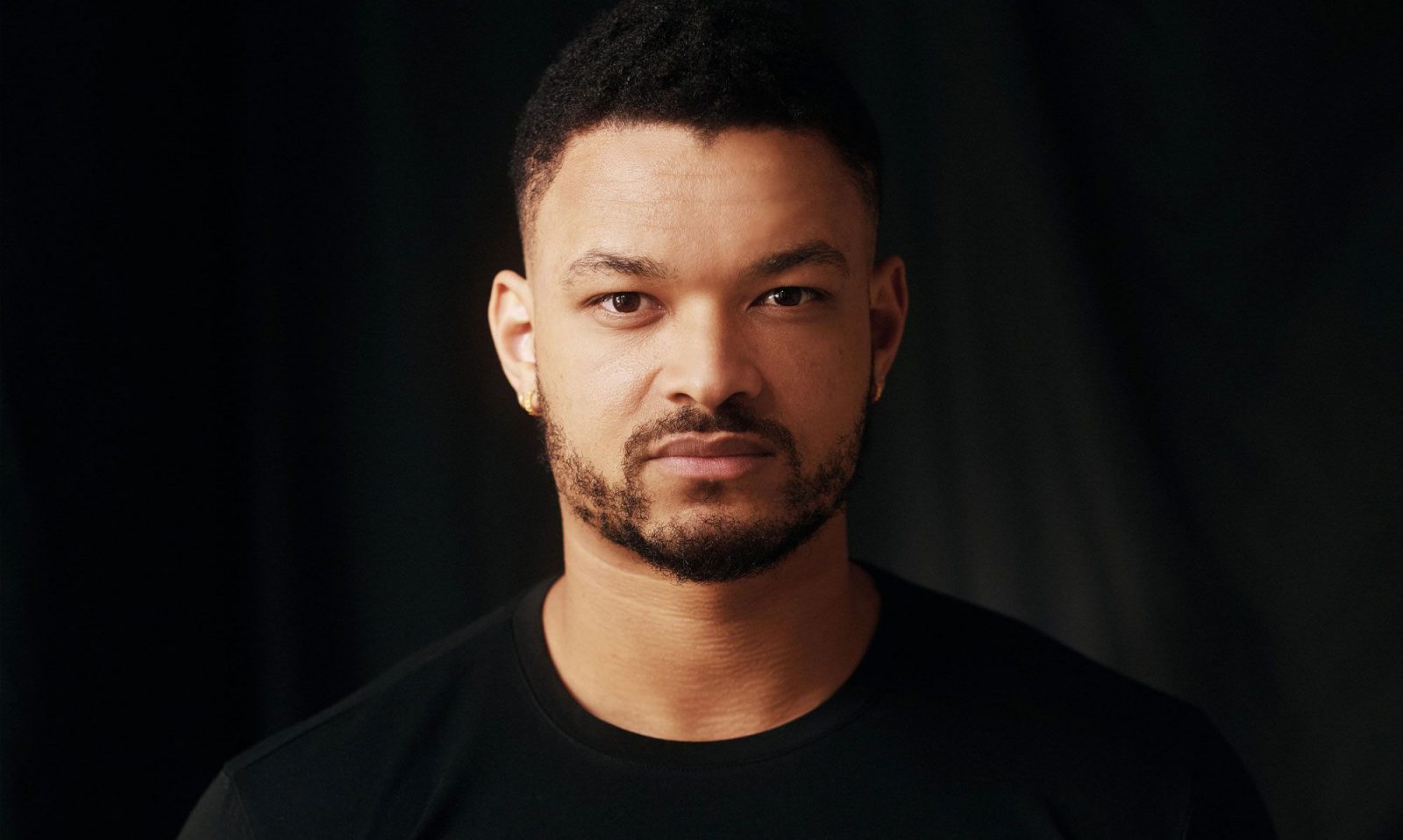
Steven Bartlett, perhaps most notably known as the podcaster Diary of a CEO, co-Founder of Social Chain, and also as an investor on Dragon’s Den, amongst other business endeavours, will be taking to the stag to share an insight into ‘how he spots the next big thing’.
ADVERTISEMENT
Steven Bartlett will be telling Leeds how he ‘spots the next big thing’. / Image: Supplied
Bringing an insight into representation and inclusivity in the media, reality TV star and LGBTQ+ activist Bimini, will also be a key speaker at the International Festival of Ideas.
And this is just the beginning.
The four day festival promises to host a programme of panels and keynotes which focus on topics such as grief, political systems, womxn’s health inequalities and self-sufficiency, among others from Wednesday 27 September – Saturday 30 September 2023.

ADVERTISEMENT
Bimini is bringing a wealth of knowledge to LIFI23. / Image: Supplied
And what better venue than the Leeds Playhouse?
The award-winning cultural hub was recently recognised at the UK Theatre Awards as the Most Welcoming Theatre in 2022. With a mission to seek out the best companies and artists to create inspirational theatre in the heart of Yorkshire, Leeds Internationals Festival of Ideas, will be joining the long list of exciting productions, festivals and events that Leeds Playhouse have hosted over the past 50 years.
Martin Dickson, Leeds International Festival of Ideas has commented: “We are thrilled with the programme we are bringing to the city for LIFI23, built on the outstanding success of last year, we think it is our strongest speaker line-up yet.
“We’re also hugely excited to be presenting the festival at the incredible Leeds Playhouse, on of the most famous theatre venue in the city, a privilege and an honour.
“LIFI23 will once again address some of the most important social issues affecting us all, taking them on over 4 inspirational days across 11 events and shining an outspoken light on Leeds, projecting the city once again as a bold, innovative thought-leading city.”
ADVERTISEMENT
The full lineups and tickets will be available from Tuesday 4 April but in the meantime those wanting to grab tickets are encouraged to visit the Leeds International Festival of Ideas website to sign up for announcements and ticket updates.
Mandatory eye tests could be introduced for drivers over 70 in the UK
Emily Sergeant
Mandatory eye testing could be introduced in the UK as part of the first road safety strategy in more than a decade.
According to Government statistics, approximately four people die on Britain’s roads every day, with thousands more seriously injured each year, but through targeted action on speeding, drink and drug driving, not wearing seat belts, and mobile phone use, it’s expected that thousands of these tragedies can be prevented.
In fact, the new road safety strategy sets out an ‘ambitious’ plan to reduce deaths and serious injuries on Britain’s roads by 65% before 2035.
With the number of older drivers continuing to rise year on year, in line with Britain’s ageing population, a consultation on mandatory eyesight testing for those over 70 will be launched, the Government has announced, while options for cognitive testing will also be developed to protect all road users.
Mandatory eye tests could be introduced for drivers over 70 in the UK / Credit: David Travis (via Unsplash)
On top of this, measures to tackle inexperience behind the wheel by introducing a minimum learning period for learner drivers, and lowering the alcohol limit for driving for the first time since 1976 to help prevent causes of collisions, are also to be discussed.
This strategy sets out a new approach to reverse a decade of ‘stalled progress’, according to the Department for Transport (DfT).
It includes the internationally recognised Safe System approach, which acknowledges that while human error is inevitable, deaths and serious injuries are not, and rather than placing responsibility solely on individual drivers, the system ensures that road design, vehicle safety, enforcement and education work together to protect all road users.
We've launched a new Road Safety Strategy, aiming to cut deaths and serious injuries on Britain’s roads by 65% by 2035.
Key points include: – tougher action on drink driving – minimum learning periods for learner drivers – mandatory eye tests for older drivers
— Department for Transport (@transportgovuk) January 7, 2026
A new Road Safety Investigation Branch will be set up to analyse collision patterns and inform prevention strategies.
The branch will draw on linked police and healthcare data to identify root causes and make sure any interventions are more effectively targeted.
Transport Secretary, Heidi Alexander, described the strategy as a ‘turning point’, adding that: “We are taking decisive action to make our roads safer for everyone, from new drivers taking their first lessons to older motorists wanting to maintain their independence.
“The measures we are announcing today will save thousands of lives over the coming decade.
“Every life lost on our roads is a tragedy that devastates families and communities. For too long, progress on road safety has stalled.”
Featured Image – Andrea Piacquadio (via Pexels)
Travel & Tourism
Train ticket prices slashed by more than 50% as huge rail sale returns across UK
Emily Sergeant
The Great British Rail Sale is returning in the new year, and train ticket prices will be slashed by up to 50% or more.
Millions of discounted train tickets for half term activities, weekend getaways, and even commuting will be up for grabs next week, as the week-long rail sale – which is set to run from 6 to 12 January 2026 – will give passengers the chance to save well over 50% on many advance and off-peak tickets.
The reduced fares can be used to travel on thousands of popular routes between 13 January and 25 March 2026.
Nearly all train operators are taking part, with routes spanning the entire country.
For example, those who may be planning a quick getaway abroad over the next couple of months will be able to save quite a few pennies, as journeys from Manchester Piccadilly to Manchester Airport will cost just £1.20, down from £2.90.
You can get up to 50% off train tickets next week / Credit: Northern | Transpennine Express
This is the fourth year of the Great British Rail Sale, with last year’s sale selling more than one million tickets and saving passengers around £8 per journey, as well as generating £9 million in ticket sale revenue for the industry.
“The Rail Sale is back,” commented Transport Secretary, Heidi Alexander. “And that means further discounts for passengers as we freeze rail fares for the first time in three decades to help ease the cost of living.
“We all want to see cheaper rail travel, so whether you’re planning a half term getaway, or visiting friends or family, this sale offers huge reductions.”
This year’s sale comes as the Government aims to ‘ease the cost of living’ for hard-working people by freezing rail fares for the first time in 30 years.
If you weren’t aware, the Government is also in the process of bringing in major reform to Britain’s rail services by establishing Great British Railways (GBR) – which is the new, nationalised organisation to run the railway uniting together 17 different organisations under a single directing mind.