Twitter CEO Elon Musk has confirmed that all celebrities, public figures, and other ‘legacy verified’ accounts are to be stripped of their blue tick next week.
There is a catch though – they’ll get to keep it if they pay for Twitter Blue.
The social media platform first introduced the now-famous ‘blue tick’ verification symbol all the way back in 2009 – which was about three years after the site was launched – so that individuals, businesses, organisations, and accounts of notability could prove their identity.
But in recent months, after the highly-publicised takeover by multi-billionaire founder and CEO of Tesla and SpaceX, Elon Musk, Twitter users will have likely noticed the colour of a lot of these verification symbols for certain official accounts changing from blue to grey/silver and gold.
At the start of 2023, Twitter began rolling out a grey tick verification mark for government-related accounts, and a golden tick mark for companies.
ADVERTISEMENT
Twitter CEO Elon Musk has confirmed that all ‘legacy verified’ accounts will lose their blue tick next week / Credit: Flickr
The classic ‘blue tick’, according to a statement on the Twitter website, was then left to mean that the account was either ‘legacy verified’ – with celebrities, public figures, notable people, and accounts verified prior to changes, falling under this category – or that the account has an active subscription to Twitter Blue and meets the platform’s eligibility requirements.
Twitter Blue is what the company calls its “premium subscription service” that adds a blue tick to the account of those pay for it, and, apparently, offers early access to select features.
ADVERTISEMENT
Twitter first confirmed that, from the start of this month, it would be “winding down” its legacy verification program, and that accounts that were verified under the previous criteria will not retain a blue checkmark unless they are subscribed to Twitter Blue – but now, Elon Musk has announced the official cut-off date.
Final date for removing legacy Blue checks is 4/20
The South African-born entrepreneur took to Twitter last night to confirm that legacy blue ticks would be officially be removed on Thursday 20 April, if the accounts are not subscribed to and meet the criteria for Twitter Blue by then.
The 51-year-old has also today sat down for a last-minute interview with the BBC, after the corporation contacted the social media giant earlier this week to query the designation of the @BBC account as ‘government funded media’, asking Twitter to resolve the issue “as soon as possible”.
ADVERTISEMENT
“The BBC is, and always has been, independent. We are funded by the British public through the licence fee,” the broadcaster said in its statement.
Musk told BBC North America tech reporter, James Clayton, in his televised interview this morning that he doesn’t want Twitter to amplify “some anointed class of journalists” who determine what constitutes news, adding that he is “hopeful this can be more a case of the public choosing the narrative, as opposed to the media choosing the narrative.
The Twitter CEO confirmed they would be adjusting the label for the BBC to “publicly-funded”, as the company is “trying to be accurate”.
He also told James Clayton that he actually does “have a lot of respect for the BBC,” and admitted that the interview was “a good opportunity to ask some questions” and “to get some feedback on what we should be doing different”.
Tesco officially unveils Christmas Meal Deal menu for 2026 and confirms launch date
Emily Sergeant
Tesco has officially unveiled its Christmas Meal Deal menu for 2026, and has revealed when it’ll be arriving in stores.
Spooky season may not have even arrived yet, but it won’t be long before the most wonderful time of the year is here and most of the UK’s major supermarkets have already started stocking their shelves with Christmas food, drink, and gifts galore.
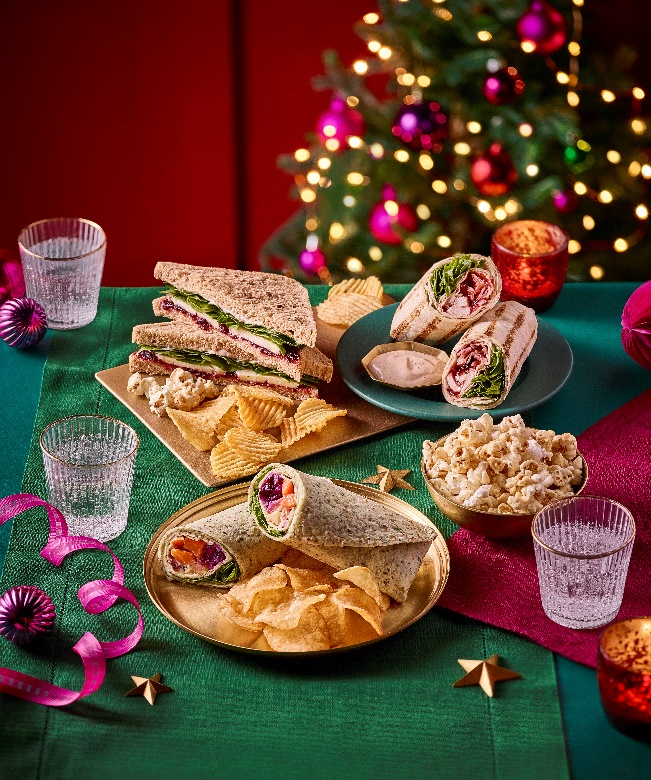
Tesco has now unveiled all the sandwiches and snacks forming part of its iconic lunchtime meal deal selection.
10 new seasonal mains and sides have been launched this year, as well as some classics and returning fan favourites too.
The retailer says its food on-the-go experts have worked hard to bring a variety of festive flavours and great-quality ingredients together this year, with something on offer to cater to all tastes and preferences.
Tesco officially unveils Christmas Meal Deal menu for 2026 / Credit: Tesco
Available in stores and online from next week, with Tesco Clubcard members paying just £3.80 or £5.50 to upgrade to a Premium Meal Deal, some of the all-new main options you can choose from in 2026’s festive lineup include the Fully Loaded Chicken, Stuffing, Braised Red Cabbage & Cranberry Sauce Sandwich, the Christmas Triple Sandwich, and the Pork Meatball Wrap with smoky sage and onion mayonnaise.
Other returning favourites include the Brie and Cranberry Sandwich, the Currywurst Sausage Sub, and the absolute classic Turkey & Trimmings Sandwich.
For veggies and vegans, there’s a new Tesco Plant Chef Christmas Veg Fest Wrap, and for those who follow a gluten free diet, you can grab the Gluten Free Festive Chicken & Trimmings sandwich.
When it comes to snacks to accompany those mains, the festive Mini Pork Pies and Pig in Blanket Sausage Rolls are returning to the lineup this year, alongside some new additions like the Pretzels with Salted Caramel Soft Cheese Dip, and Mini Cheese Twists.
The 2026 Tesco Christmas Meal Deal range will be in stores across the UK from Monday 12 October, and there’s thousands of combinations to try.
Featured Image – Tesco
Trending
Manchester has been named one of the most ‘affordable’ cities in the UK – this is why
Emily Sergeant
A list of the top 10 most affordable cities in the UK has been revealed, and Manchester has made the cut for one very specific reason.
On a bit of a budget? Aren’t we all.
The cost of living crisis has been raging on for quite a few years now, and unfortunately, despite how much we all wish for it to, it doesn’t appear to be slowing down – with prices for everyday items, especially typical fridge and cupboard stables, shooting up by the day, even though supermarkets are showing efforts to prevent it.
And it’s the noticeable price increases in groceries that led delivery insurance provider, Street Cover, to uncover which UK cities don’t strain your food shopping budgets too much just yet.
As it was found that food and non-alcoholic drinks inflation reached 1.3% this past summer, a new study has revealed that Sheffield is officially the most affordable city in the UK, with several other northern locations on the list.
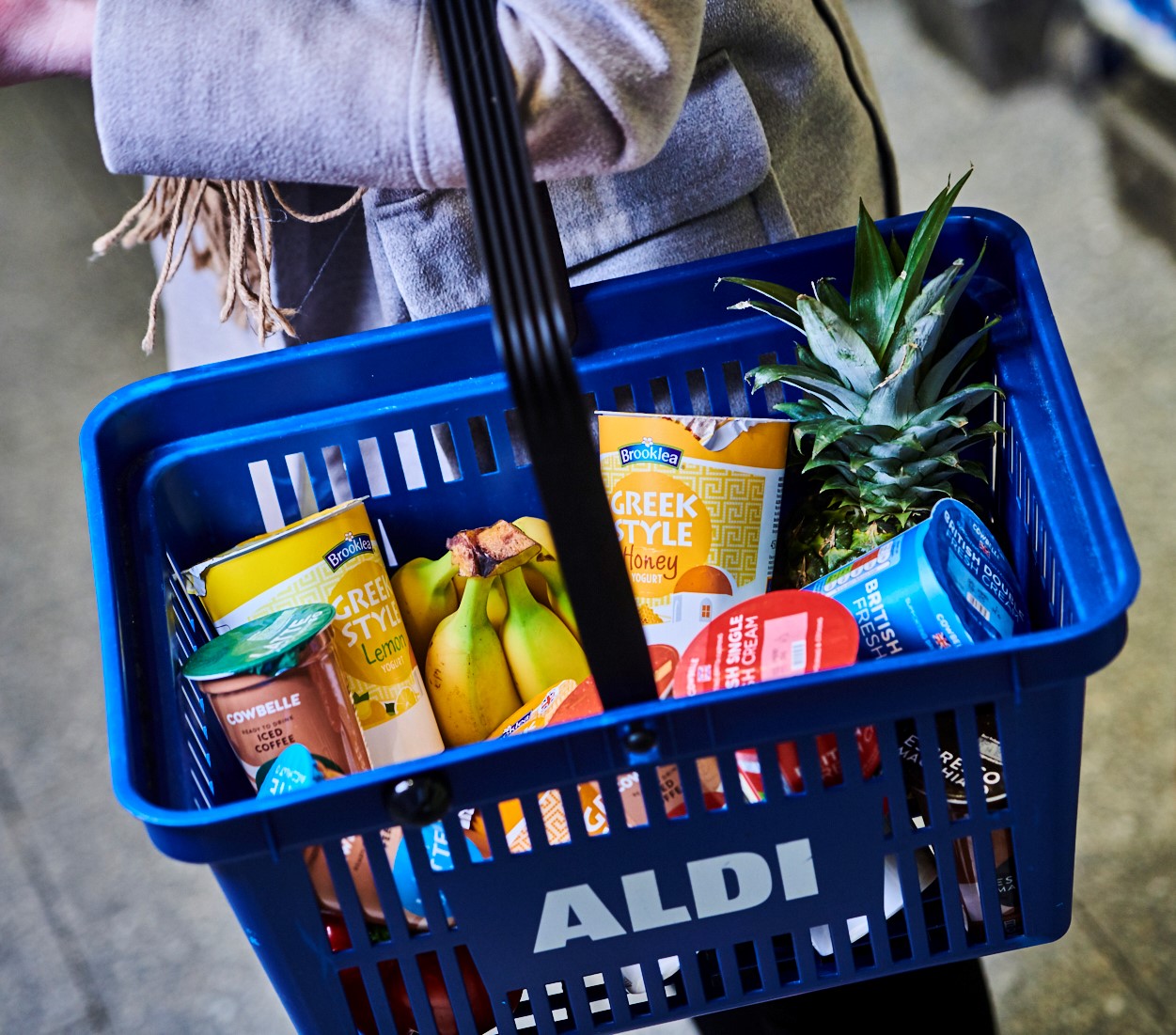
Manchester has been named one of the most ‘affordable’ cities in the UK / Credit: MCC | Aldi
The study compared the 2026 Grocery Index for the largest UK cities with the UK average, as well as available 2025 Grocery Indices, to track the changes in food affordability.
The cities are ranked by the index difference from the national average – which is 67.3 – but the report also uses direct monetary values for a grocery basket to provide some additional context too.
Manchester took sixth place on the list, with an average grocery basket price of £23.08, while some of the other northern cities in the top 10, besides Sheffield at number one, include Liverpool, Leeds, and Newcastle.
Top 10 Most Affordable UK Cities For Groceries
Sheffield
Milton Keynes
Liverpool
Reading
Newcastle
Manchester
Leeds
Bristol
Cardiff
Southampton
As the only other North West city in the top 10, Liverpool may have come in third place overall, but the study found that the grocery bill here is the smallest in terms of actual monetary numbers – with it setting shoppers back £22.08 for a regular supermarket basket, which is a whole £1 cheaper than in Manchester.
“Data shows households in the North East of England have the lowest average food spend in the country, around 11% below the UK average, while Yorkshire sits 6.6% below,” Al Taylor, who is the Head of Street Cover, commented on the study’s findings.
“Sheffield’s position at the top reflects lower property costs for retailers, less competition from premium chains, and a supermarket landscape dominated by value-led options.
“The practical implication for household budgets is significant – the difference between budget and premium shopping can easily be £1,000 or more per year for a family, which can be spent on other things or saved for future plans.”

 Emily Sergeant -
12th April 2023
Emily Sergeant -
12th April 2023