Tech companies in Europe will soon be forced to all use the same style of charger, it has been decided by the EU.
An overwhelming vote in the European Parliament has moved to force companies to come together and use one charger for all of their products, making life much easier for consumers overwhelmed by that familiar tangle of a million different wires.
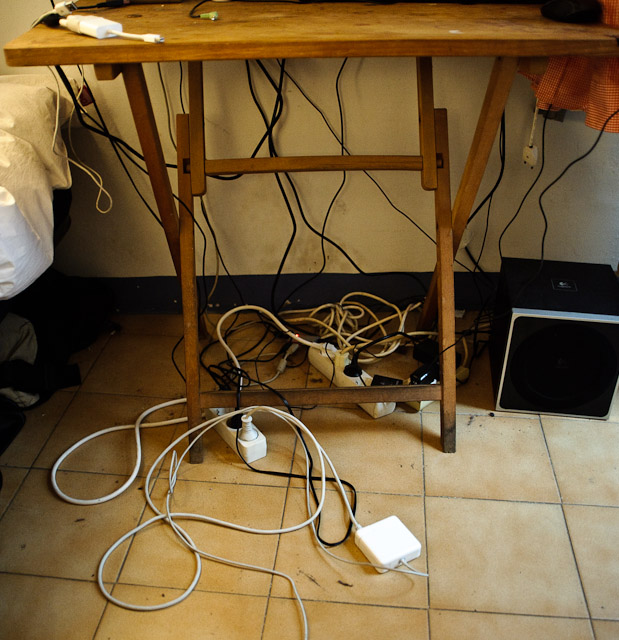
Gone are the days of micro USBs, mini USBs, and USB-C cables all knotting and twisting together in a drawer somewhere.
In their place? A brave new world where one phone charger fits all.
Current standardisation plans in Europe will see all tech businesses switch to USB-C ports on all of their products, in a move that will both cut waste and make consumer choices easier.
ADVERTISEMENT
This means that companies such as Apple would be forced to drop its controversial “lightning” cable and move to an industry standard.
MEPs voted 43 in favour to just two against, reports The Independent, when debating the change for the influential Committee on Internal Market and Consumer Protection.
ADVERTISEMENT
The parliament is also looking to extend this new standardisation to wireless charging methods, too.
The rule is also likely to be applied to other devices such as tablets, games consoles, e-readers, digital camera and other portable electronic devices, such as laptops.
ADVERTISEMENT
Some devices, however, like smart watches and health trackers are likely to be exempt if they are considered too small to comply.
Although the UK is no longer part of the EU, where the legislation is being pushed through, the bloc’s influential position in Europe means that consumers here will likely also see the benefit of the change as businesses reconfigure products for sale across the continent.
Whilst the final regulation has not been fully confirmed yet, the EU has already approved a similar plan for a standard charger in January earlier this year. Now it will look to finalise details on this latest move.
The plan, once finalised, will then be confirmed by the parliament’s 705 MEPs next month.
Alex Agius Saliba, a socialist MEP from Malta who is guiding the proposals through parliament as its rapporteur, said: “With half a billion chargers for portable devices shipped in Europe each year, generating 11,000 to 13,000 tonnes of e-waste, a single charger for mobile phones and other small and medium electronic devices would benefit everyone.
“It will help the environment, further help the reuse of old electronics, save money, and reduce unnecessary costs and inconvenience for both businesses and consumers.
“We are proposing a truly comprehensive policy intervention, building on the commission’s proposal by calling for the interoperability of wireless charging technologies by 2026 and improving information given to consumers with dedicated labels.
“We are also expanding the proposal’s scope by adding more products, such as laptops, that will need to comply with the new rules.”
Tesco officially unveils Christmas Meal Deal menu for 2026 and confirms launch date
Emily Sergeant
Tesco has officially unveiled its Christmas Meal Deal menu for 2026, and has revealed when it’ll be arriving in stores.
Spooky season may not have even arrived yet, but it won’t be long before the most wonderful time of the year is here and most of the UK’s major supermarkets have already started stocking their shelves with Christmas food, drink, and gifts galore.
Tesco has now unveiled all the sandwiches and snacks forming part of its iconic lunchtime meal deal selection.
10 new seasonal mains and sides have been launched this year, as well as some classics and returning fan favourites too.
The retailer says its food on-the-go experts have worked hard to bring a variety of festive flavours and great-quality ingredients together this year, with something on offer to cater to all tastes and preferences.
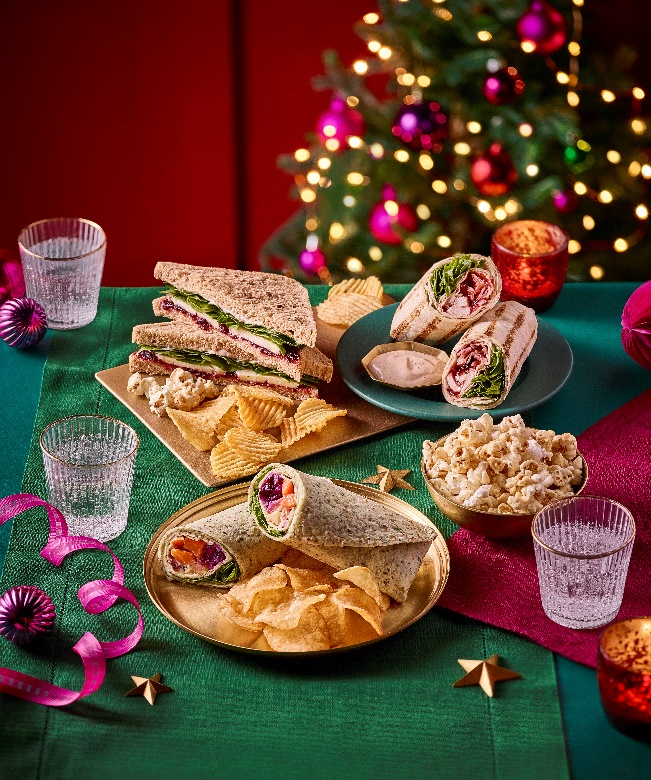
Tesco officially unveils Christmas Meal Deal menu for 2026 / Credit: Tesco
Available in stores and online from next week, with Tesco Clubcard members paying just £3.80 or £5.50 to upgrade to a Premium Meal Deal, some of the all-new main options you can choose from in 2026’s festive lineup include the Fully Loaded Chicken, Stuffing, Braised Red Cabbage & Cranberry Sauce Sandwich, the Christmas Triple Sandwich, and the Pork Meatball Wrap with smoky sage and onion mayonnaise.
Other returning favourites include the Brie and Cranberry Sandwich, the Currywurst Sausage Sub, and the absolute classic Turkey & Trimmings Sandwich.
For veggies and vegans, there’s a new Tesco Plant Chef Christmas Veg Fest Wrap, and for those who follow a gluten free diet, you can grab the Gluten Free Festive Chicken & Trimmings sandwich.
When it comes to snacks to accompany those mains, the festive Mini Pork Pies and Pig in Blanket Sausage Rolls are returning to the lineup this year, alongside some new additions like the Pretzels with Salted Caramel Soft Cheese Dip, and Mini Cheese Twists.
The 2026 Tesco Christmas Meal Deal range will be in stores across the UK from Monday 12 October, and there’s thousands of combinations to try.
Featured Image – Tesco
Trending
Manchester has been named one of the most ‘affordable’ cities in the UK – this is why
Emily Sergeant
A list of the top 10 most affordable cities in the UK has been revealed, and Manchester has made the cut for one very specific reason.
On a bit of a budget? Aren’t we all.
The cost of living crisis has been raging on for quite a few years now, and unfortunately, despite how much we all wish for it to, it doesn’t appear to be slowing down – with prices for everyday items, especially typical fridge and cupboard stables, shooting up by the day, even though supermarkets are showing efforts to prevent it.
And it’s the noticeable price increases in groceries that led delivery insurance provider, Street Cover, to uncover which UK cities don’t strain your food shopping budgets too much just yet.
As it was found that food and non-alcoholic drinks inflation reached 1.3% this past summer, a new study has revealed that Sheffield is officially the most affordable city in the UK, with several other northern locations on the list.
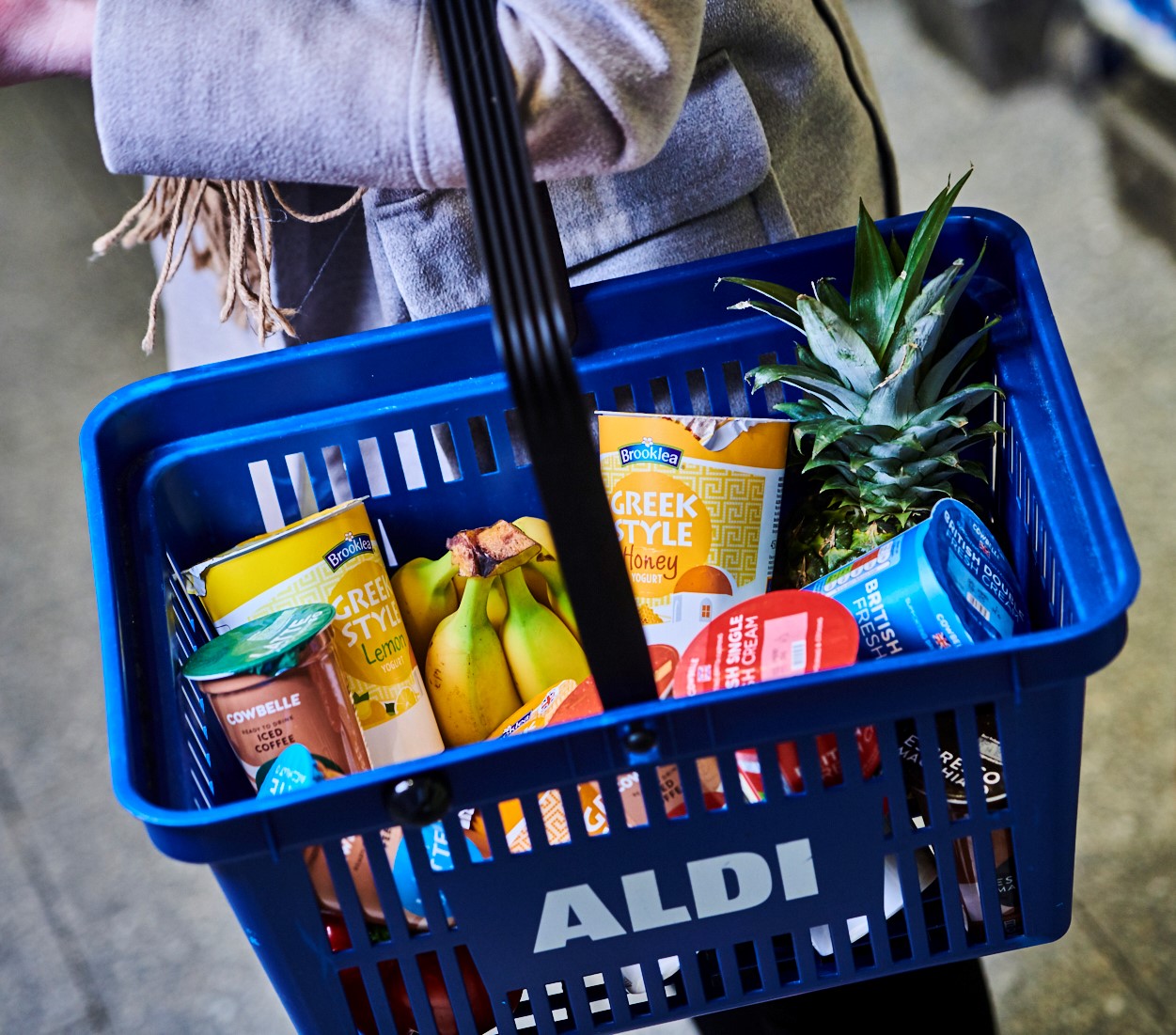
Manchester has been named one of the most ‘affordable’ cities in the UK / Credit: MCC | Aldi
The study compared the 2026 Grocery Index for the largest UK cities with the UK average, as well as available 2025 Grocery Indices, to track the changes in food affordability.
The cities are ranked by the index difference from the national average – which is 67.3 – but the report also uses direct monetary values for a grocery basket to provide some additional context too.
Manchester took sixth place on the list, with an average grocery basket price of £23.08, while some of the other northern cities in the top 10, besides Sheffield at number one, include Liverpool, Leeds, and Newcastle.
Top 10 Most Affordable UK Cities For Groceries
Sheffield
Milton Keynes
Liverpool
Reading
Newcastle
Manchester
Leeds
Bristol
Cardiff
Southampton
As the only other North West city in the top 10, Liverpool may have come in third place overall, but the study found that the grocery bill here is the smallest in terms of actual monetary numbers – with it setting shoppers back £22.08 for a regular supermarket basket, which is a whole £1 cheaper than in Manchester.
“Data shows households in the North East of England have the lowest average food spend in the country, around 11% below the UK average, while Yorkshire sits 6.6% below,” Al Taylor, who is the Head of Street Cover, commented on the study’s findings.
“Sheffield’s position at the top reflects lower property costs for retailers, less competition from premium chains, and a supermarket landscape dominated by value-led options.
“The practical implication for household budgets is significant – the difference between budget and premium shopping can easily be £1,000 or more per year for a family, which can be spent on other things or saved for future plans.”

 Georgina Pellant -
25th April 2022
Georgina Pellant -
25th April 2022