Linguists are warning that loads of classic British insults like pillock and plonker could be “at risk of dying out”.
When was the last time you heard the word ‘tosspot’? Can you remember when you last called somebody a ‘prat’, a ‘git’, or maybe a ‘nitwit’? Or perhaps branded a clumsy or stupid person a ‘lummox’? Well, when it comes to Gen Z, there’s a good chance the answer to all of those questions is never.
That’s because a new survey has discovered that a significant number of those born between 1997 and 2012 aren’t familiar with a wide range of classic insults used by Brits.
Instead, Gen Z were found to be embracing newer insults such as ‘Karen’, ‘simp’, and ‘basic’.
This shocking revelation comes after international research agency, Perspectus Global, recently carried out a survey asking 2,000 people which insults they recognised from a long list of words that are used both nationally across the UK and regionally too.
ADVERTISEMENT
Loads of classic British insults like pillock and plonker are ‘at risk of dying out’ / Credit: Joshua Hoehne (via Unsplash)
Topping the list of insults that are at risk of dying out is the aforementioned ‘lummox’, with 62% of people surveyed under 28 years of age, and just over half of all those surveyed, being unfamiliar with the term – which is most commonly used in East Anglia.
‘Bampot’ was second on the list, with 60% being unfamiliar with the word, while ‘blighter’ was third, having stumped 54% of young people, and ‘ninny’ – which is a light-hearted word for a silly person – and ‘cad’, which is a word for a dishonest man, both rounding out the top five and flummoxing just over half of those surveyed.
‘Numpty’, ‘scallywag’, ‘toe rag’, and ‘prat’ are some of the other insults featured on the list.
Fans of the absolute classic British sitcom that is Only Fools And Horses might also be a bit miffed to find out that one of Del Boy’s favourite insults to fire at his brother Rodney, ‘plonker’, was unknown by a quarter (25%) of Gen Z.
ADVERTISEMENT
“Language changes, evolves and moves on,” explained Harriet Scott, who is the CEO of Perspectus Global, as the shocking survey results were released.
“Our research shows that calling someone a plonker or a prat is no longer a fashionable way to insult them, and interestingly, the research highlights the extent to which Brits feel some of the more traditional jibes, feel softer and less severe, than some of today’s more controversial ones.”
Featured Image – BBC iPlayer
Trending
Home Bargains has announced a special two-day closure of all UK stores
Emily Sergeant
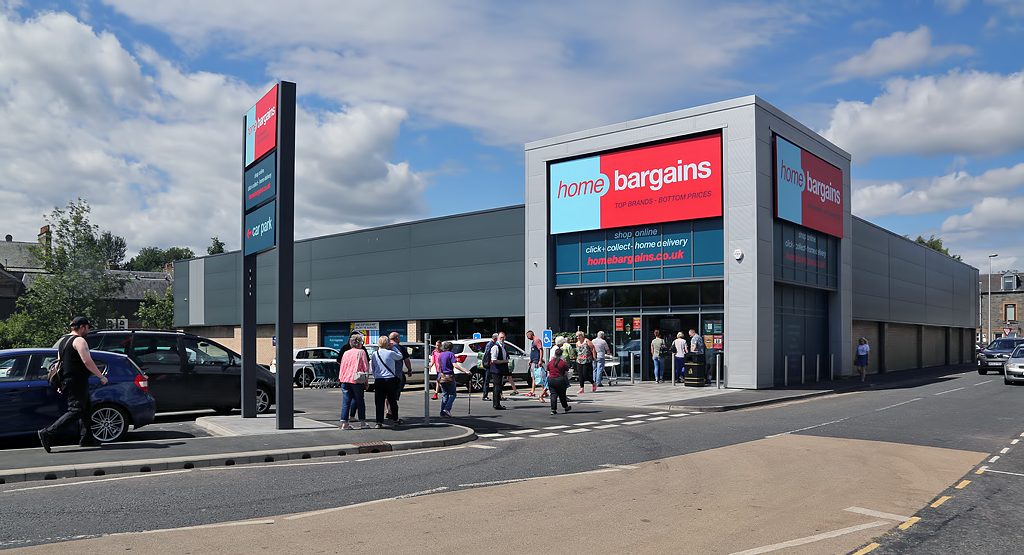
Home Bargains has, once again, announced it’ll be closing all its UK stores on both Boxing Day and New Year’s Day this year.
And it’s to make sure staff get a ‘well deserved break’.
After what has been yet another busy year for the retail industry, many workers have been left feeling like they could do with a little extra time off, which is why Home Bargains is following on with what has become a now-annual tradition by shutting up shop on two bank holidays.
All of our stores will be closing for Boxing Day & New Years Day.
Announcing the move in a post on social media, the discount retailer confirmed: “All of our stores will be closing for Boxing Day and New Years Day. We would like to thank all our colleagues for how hard you have worked this past year, and want you to relax and enjoy the Christmas break with your loved ones.”
Of course, this isn’t the first time the retailer has kept its doors shut on bank holidays.
Many shoppers will recall it has made the same decision to give hardworking staff a break every year since 2019.
Explaining a little more about the decision taken to close all its stores, Home Bargains said: “As a family-run business, we know the importance of being together at Christmas with those we care about most, now more than ever.
“This is our way of saying thank you to our colleagues for their continued hard work and dedication.”
Featured Image – Geograph
Trending
Two Greggs in Manchester will be serving their breakfast menu in the evening next week
Emily Sergeant
Who says breakfast has to end at 11am?
In news that’s set to be music to the ears of breakfast lovers in Manchester, Greggs is giving them exactly what they want.
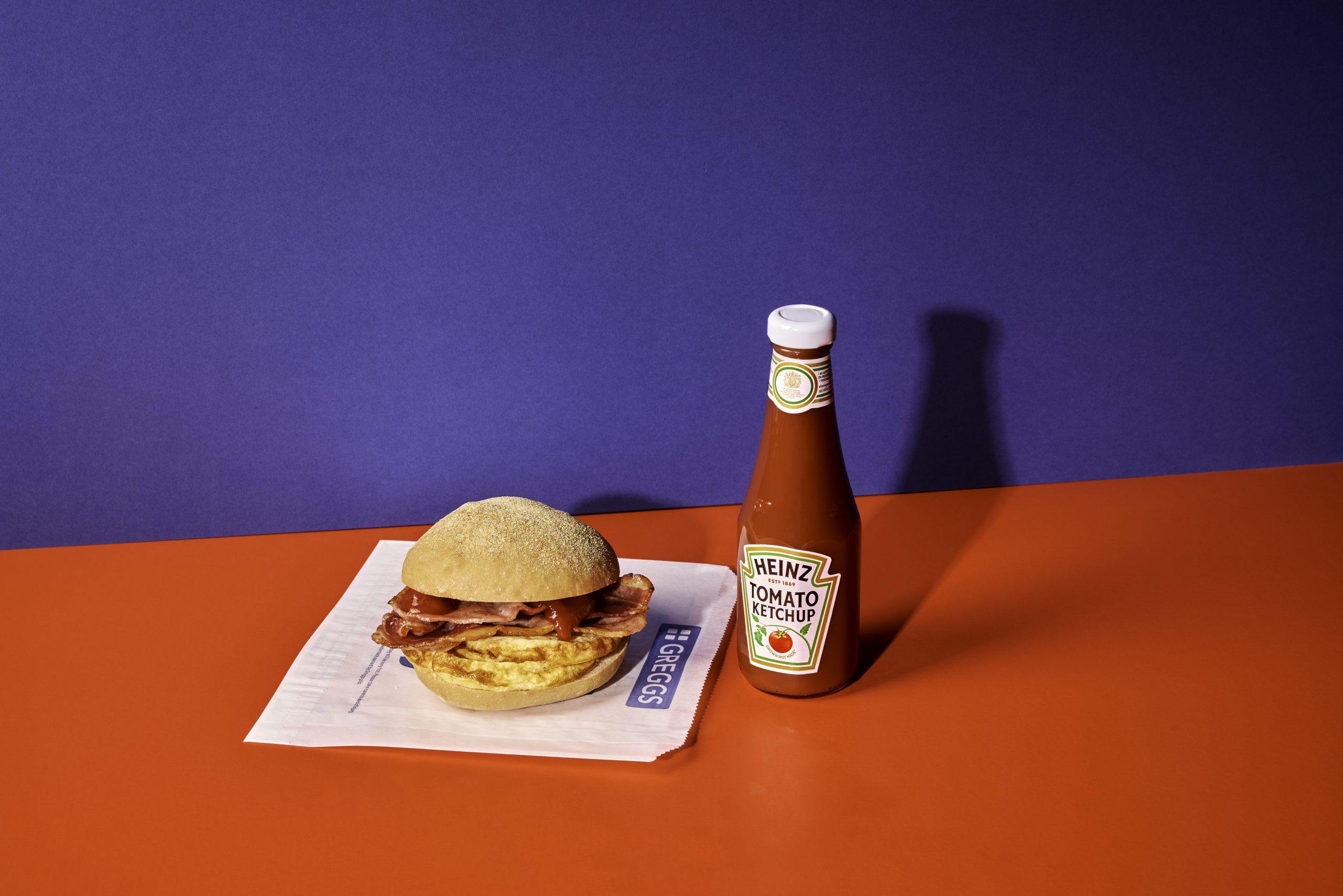
We all know that brunch is a ‘thing’ by now, so now it’s time for brinner to make a name for itself instead, as Greggs has teamed up with Heinz to bring its much-loved breakfast menu back for tea time, kicking off from 4pm onwards.
The move comes as a new survey has found that the majority of Mancs (69%) admit to enjoying eating breakfast food in the evening, saying it’s ‘convenient and comforting’ – even ranking breakfast as a ‘more important’ meal than tea, as well (38% vs 36%).
Two Greggs in Manchester will be serving their breakfast menu in the evening next week / Credit: Greggs (Supplied)
Greggs says it has ‘lost count’ of the amount of customers that have tried to order breakfast items after the usual cut-off time, especially in Greater Manchester.
But luckily for those breakfast-loving Mancs, they can finally get their favourite breakfast and sauce pairing long after the morning rush is over next… but only at two Greggs branches, and only for a very limited time.
On Wednesday 14 and Thursday 15 October, the Heinz x Greggs Brinner collab will be available at Greggs St Mary’s Gate and Greggs Oxford Road, from 4-7pm only.
“We’ve lost count of the number of customers who have tried their luck ordering breakfast after 11am, so when Heinz came to us with the idea of making Brinner a reality, it felt like the perfect excuse to give the people what they want,” explained Zoe Harris, who is the Customer Director at Greggs.
“And let’s be honest, a Greggs Bacon Roll just wouldn’t be the same without a squeeze of Heinz Tomato Ketchup.”

 Emily Sergeant -
13th May 2024
Emily Sergeant -
13th May 2024