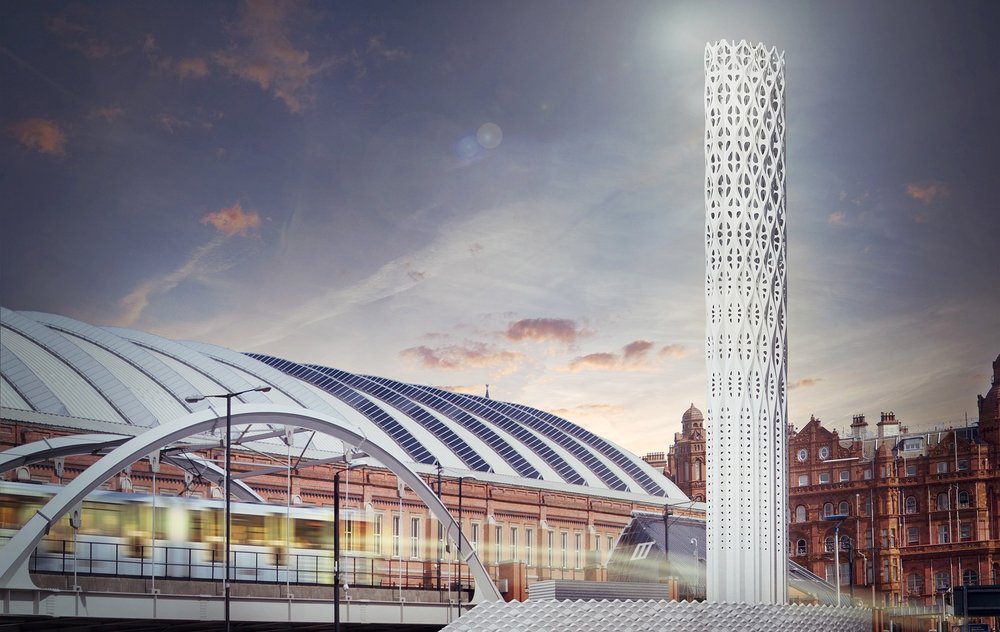
The final sections have now been installed to Manchester city centre’s brand new 40m high Tower of Light, but what exactly is the feature for?
The finishing touches to the feature were added overnight to minimise local disruption.
The Tower of Light was officially revealed to the public last week, generating widespread conversation and being met with mixed reactions from Mancunians – particularly with reference to its visual appearance as a new contribution to the city’s ever-changing skyline – but this feature has a much greater significance than may be initially realised.
The finalisation of the Tower of Light is said to mark a significant milestone in the Manchester Civic Quarter Heat Network project.
The tower is made up of nine sections called ‘drums’, each one measuring 4m wide, 6m long and 4m high, and there is 1.8m crown section. Once the Civic Quarter Heat Network project is complete, the Tower of Light will act as the chimney for the low-carbon energy centre. The network will generate low-carbon heat and power for the city to help Manchester reach its ambition of becoming zero-carbon by 2038 at the latest.
ADVERTISEMENT
The scheme is projected to save an initial 1,600 tonnes of carbon emissions per year and the energy centre will become even more efficient as additional buildings are connected.
According to architects Tonkin Liu and Manchester City Council, the Tower of Light will initially serve seven iconic city centre buildings and has the potential to grow by connecting further buildings across the city centre in the future.
ADVERTISEMENT
The first buildings to be connected to the network will be Manchester Town Hall and Town Hall Extension, Central Library, Manchester Central Convention Centre, The Bridgewater Hall, Heron House and the Manchester Art Gallery.
Containing a 3.3MWe CHP engine and two 12MW gas boilers, the Tower of Light’s energy centre is projected to generate electricity and harness the recovered heat from this process for distribution via a 2km district heating network, which will supply heat for the buildings.
The scheme has been part-funded by a £2.87m grant from the government’s Heat Network Investment Project (HNIP), with Manchester City Council being one of the first local authorities to receive this funding.
ADVERTISEMENT
Tonkin Liu
Councillor Angeliki Stogia – Manchester City Council’s Executive Member for the Environment, Planning and Transport – said: “The Tower of Light is an impressive new landmark for Manchester and a symbol of Manchester’s aim of becoming a zero-carbon city by 2038 at the latest.
“On completion, the Civic Quarter Heat Network project will realise significant carbon savings, supporting the council’s current plan to halve its own emissions by 2025, which will be an important milestone on the road to the city meeting its ambitious goal.”
Anthony Shawcross – Senior Construction Manager for Vital Energi – said: “This project is much more intricate than a standard flue due to its complex geometry, but will hopefully become an iconic part of Manchester’s skyline.
“We’re delighted with how smoothly the installation went and we hope the people of Manchester will now enjoy it for many years.”
All work on the Civic Quarter Heat Network project is scheduled to be completed before the end of 2020.
You can find out more via the Manchester City Council website here.
Trending
Manchester has been named one of the most ‘affordable’ cities in the UK – this is why
Emily Sergeant
A list of the top 10 most affordable cities in the UK has been revealed, and Manchester has made the cut for one very specific reason.
On a bit of a budget? Aren’t we all.
The cost of living crisis has been raging on for quite a few years now, and unfortunately, despite how much we all wish for it to, it doesn’t appear to be slowing down – with prices for everyday items, especially typical fridge and cupboard stables, shooting up by the day, even though supermarkets are showing efforts to prevent it.
And it’s the noticeable price increases in groceries that led delivery insurance provider, Street Cover, to uncover which UK cities don’t strain your food shopping budgets too much just yet.
As it was found that food and non-alcoholic drinks inflation reached 1.3% this past summer, a new study has revealed that Sheffield is officially the most affordable city in the UK, with several other northern locations on the list.
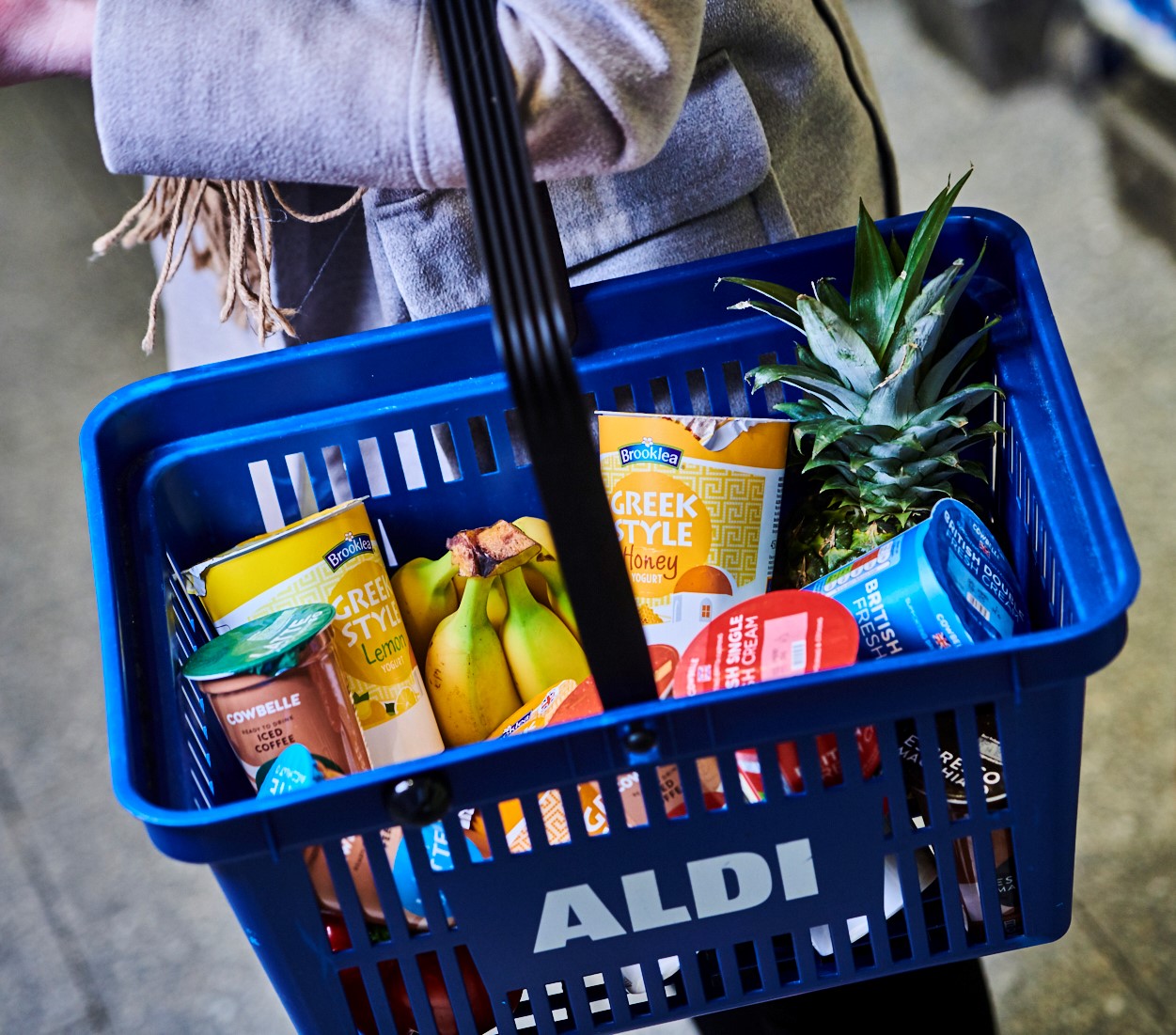
Manchester has been named one of the most ‘affordable’ cities in the UK / Credit: MCC | Aldi
The study compared the 2026 Grocery Index for the largest UK cities with the UK average, as well as available 2025 Grocery Indices, to track the changes in food affordability.
The cities are ranked by the index difference from the national average – which is 67.3 – but the report also uses direct monetary values for a grocery basket to provide some additional context too.
Manchester took sixth place on the list, with an average grocery basket price of £23.08, while some of the other northern cities in the top 10, besides Sheffield at number one, include Liverpool, Leeds, and Newcastle.
Top 10 Most Affordable UK Cities For Groceries
Sheffield
Milton Keynes
Liverpool
Reading
Newcastle
Manchester
Leeds
Bristol
Cardiff
Southampton
As the only other North West city in the top 10, Liverpool may have come in third place overall, but the study found that the grocery bill here is the smallest in terms of actual monetary numbers – with it setting shoppers back £22.08 for a regular supermarket basket, which is a whole £1 cheaper than in Manchester.
“Data shows households in the North East of England have the lowest average food spend in the country, around 11% below the UK average, while Yorkshire sits 6.6% below,” Al Taylor, who is the Head of Street Cover, commented on the study’s findings.
“Sheffield’s position at the top reflects lower property costs for retailers, less competition from premium chains, and a supermarket landscape dominated by value-led options.
“The practical implication for household budgets is significant – the difference between budget and premium shopping can easily be £1,000 or more per year for a family, which can be spent on other things or saved for future plans.”
Featured Image – Aldi
Trending
Mancs wanted to take part in a new series of the ‘hardest quiz show on TV’
Emily Sergeant
Call yourself a clever clogs? The BBC is currently looking for contestants to take part in what is widely considered the hardest quiz show on TV.
That’s right – Only Connect is back for another series on BBC Two.
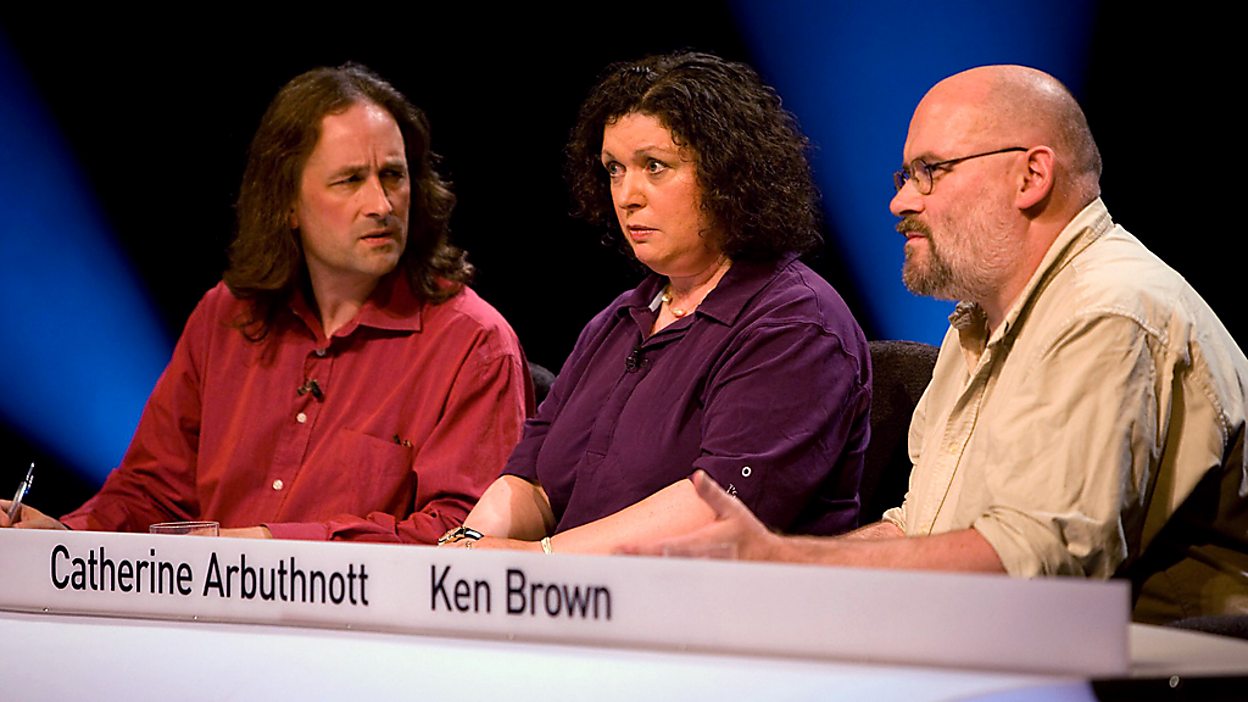
Presented by Victoria Coren Mitchell and first broadcast all the way back in 2008, Only Connect takes TV quizzing to the next level, as it sees two teams compete against each other by finding connections between seemingly unrelated clues.
In this quiz show – which viewers have dubbed one of the most challenging there is – knowledge only takes you so far, as the ability to think laterally is also deemed ‘vitally important’.
A casting call for the upcoming 2027 series has been shared on the BBC website, with people from Greater Manchester encouraged to apply.
Mancs wanted to take part in a new series of the ‘hardest quiz show on TV’ / Credit: BBC
The casting call reads: “The popular BBC Two quiz show presented by Victoria Coren Mitchell returns for a new series in 2027.
“Only Connect is seeking teams of three players OR single applicants or teams of two looking for like-minded teammates to pool their combined wits to solve fiendish conundrums and vexing puzzles.
“This is the quiz series where, as in life itself, knowledge will only take you so far: patience and lateral thinking are also vital. It’s all about making connections between things which may appear, at first glance, not to be connected at all.”
Reckon you’ve got what it takes then? Applications are now open, and all applicants must be aged 18 or over and a resident in the UK or Channel Islands.

 Emily Sergeant -
17th August 2020
Emily Sergeant -
17th August 2020