Stargazers and keen astronomy fans are in for an absolute treat this month as a spectacular meteor shower is set to dazzle UK skies.
Taking its name from the constellation of Perseus, where many of the meteors originate, the Perseid Meteor Shower is described as being “one of the most dramatic things to see in the night sky”, according to the Royal Astronomical Society, and is one of the highlights of many meteor hunters’ calendars thanks to its high hourly rate and bright meteors.
There’s potential for up to 100 shooting stars an hour to be seen with the naked eye.
If that wasn’t impressive enough as it is, there’s is also a high chance of seeing the brightest meteors known as ‘fireballs’, as well as meteors with long trains.
The Royal Astronomical Society explains that this showstopping astronomical event is caused by the Earth slamming into the debris that’s been left behind by the comet 109P/Swift-Tuttle in July and August every year.
ADVERTISEMENT
This year the Perseid meteor shower peaks on the night of 12-13 August, giving skywatchers an impressive summer treat – weather permitting! 🌠
— Royal Astronomical Society (@RoyalAstroSoc) August 2, 2023
Despite each meteor being mostly no bigger than a grain of sand in reality, they still manage to produce an eye-catching shooting stream of light in the sky as they burn up after hitting the Earth’s atmosphere at around. 130,000 mph.
As far as 2023 is concerned, the Perseid Meteor Shower is already active and has been since 17 July, with the event expected to continue right through until 24 August – but luckily for us here in the UK, the shower will peak and be at its most spectacular next weekend on Saturday 12 and Sunday 13 August.
ADVERTISEMENT
And what’s more, is that meteor showers are known to be very easy to watch too, with no special equipment needed, so even amateur stargazers and budding astronomers can get in on the action and witness the spectacle with their own eyes – but when exactly is the best time to see the shooting stars? Where is the best place to head to? And how is best to prepare?
Here’s everything you need to know.
What’s the best way to see a meteor shower?
The most crucial thing to do is plan ahead, and check the unpredictable British weather forecast before you head out, as if the day you’ve picked to dedicate to seeing the meteor shower is overcast or just generally grim, the Royal Astronomical Society suggests finding a different location or going out on a different day.
ADVERTISEMENT
The days leading up to the peak are usually better than the days after.
In this instance, binoculars and telescopes will restrict the size of the sky that’s visible to you, so no binoculars and telescopes are necessary.
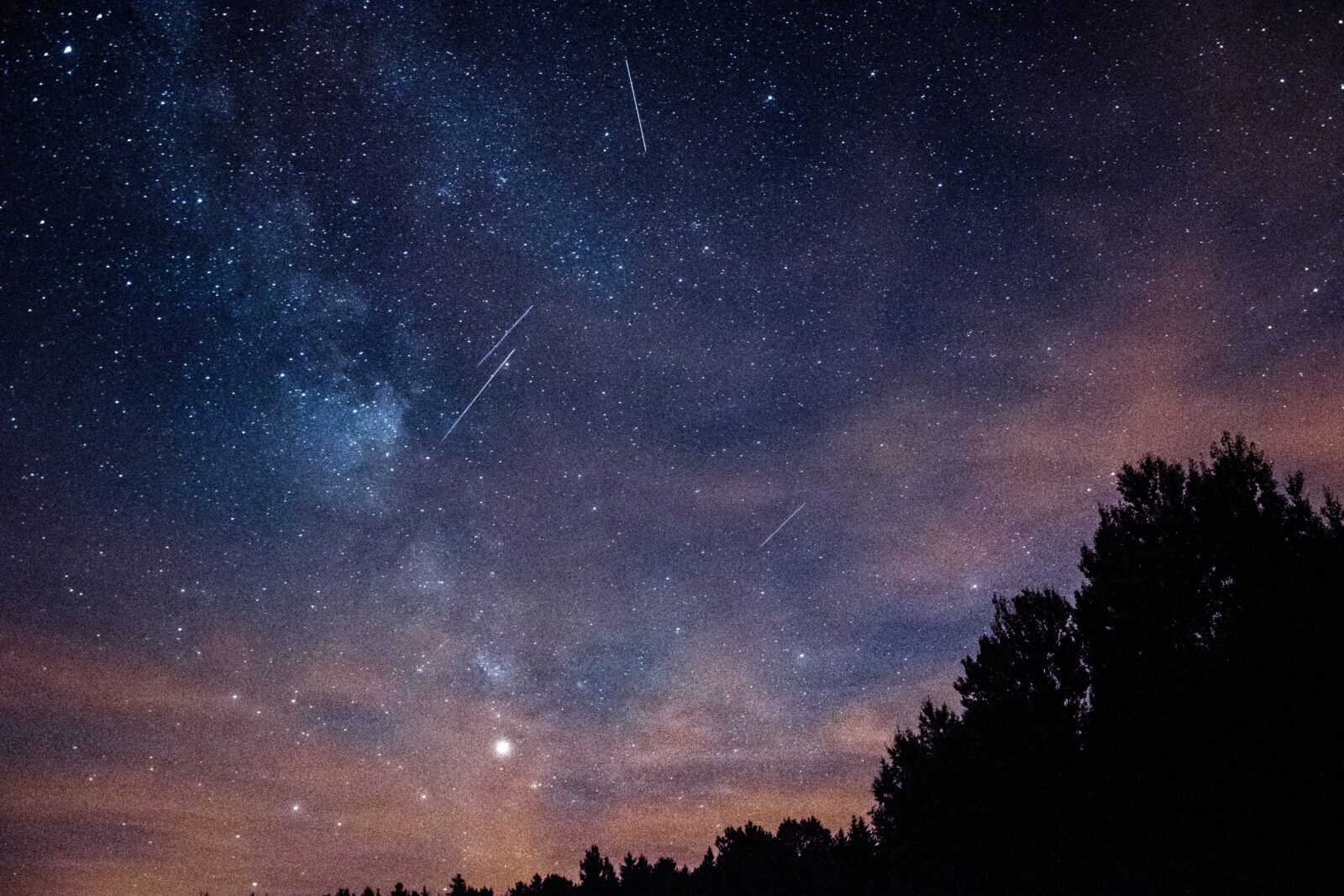
Spectacular meteor shower to dazzle UK skies next weekend / Credit: Michał Mancewicz (via Unsplash)
Where’s the best place to head to?
Observers can keep an eye out for the Perseid meteor shower wherever they are, but according to the Royal Astronomical Society, there are a few certain kinds of places that will increase your chances of spotting meteors.
Meteors can appear in any part of the sky, so the more sky you can see the better.
It’s also suggested that you find an area with a clear view of the horizon and away from trees and buildings, as well as reduce the amount of light pollution in your field of view, so this could mean heading out to the countryside or a nearby park, if you can.
ADVERTISEMENT
If not, apparently you can even do something as simple as turning your back to street lamps for a better chance at catching the action.
The Perseid Meteor Shower is “one of the most dramatic things to see in the night sky” / Credit: Team Louish (via Flickr)
What’s the best time to catch all the action?
As already mentioned, the Perseid meteor shower is active between 17 July and 24 August this year, with the number of meteors set to increase every night until it reaches its peak next weekend, and then after which, it’ll tail off.
The peak falls on the night of the 12th and before dawn on 13 August, with the maximum being about three days before the New Moon this year when conditions are the most “favourable”.
The Royal Astronomical Society says the best time to see anything in the night sky is when the sky is darkest and when the target is at its highest position in the sky, so for meteor showers, this usually means between midnight and around 5:30am.
Find out more about the Perseid Meteor Shower here.
Manchester has been named one of the most ‘affordable’ cities in the UK – this is why
Emily Sergeant
A list of the top 10 most affordable cities in the UK has been revealed, and Manchester has made the cut for one very specific reason.
On a bit of a budget? Aren’t we all.
The cost of living crisis has been raging on for quite a few years now, and unfortunately, despite how much we all wish for it to, it doesn’t appear to be slowing down – with prices for everyday items, especially typical fridge and cupboard stables, shooting up by the day, even though supermarkets are showing efforts to prevent it.
And it’s the noticeable price increases in groceries that led delivery insurance provider, Street Cover, to uncover which UK cities don’t strain your food shopping budgets too much just yet.
As it was found that food and non-alcoholic drinks inflation reached 1.3% this past summer, a new study has revealed that Sheffield is officially the most affordable city in the UK, with several other northern locations on the list.
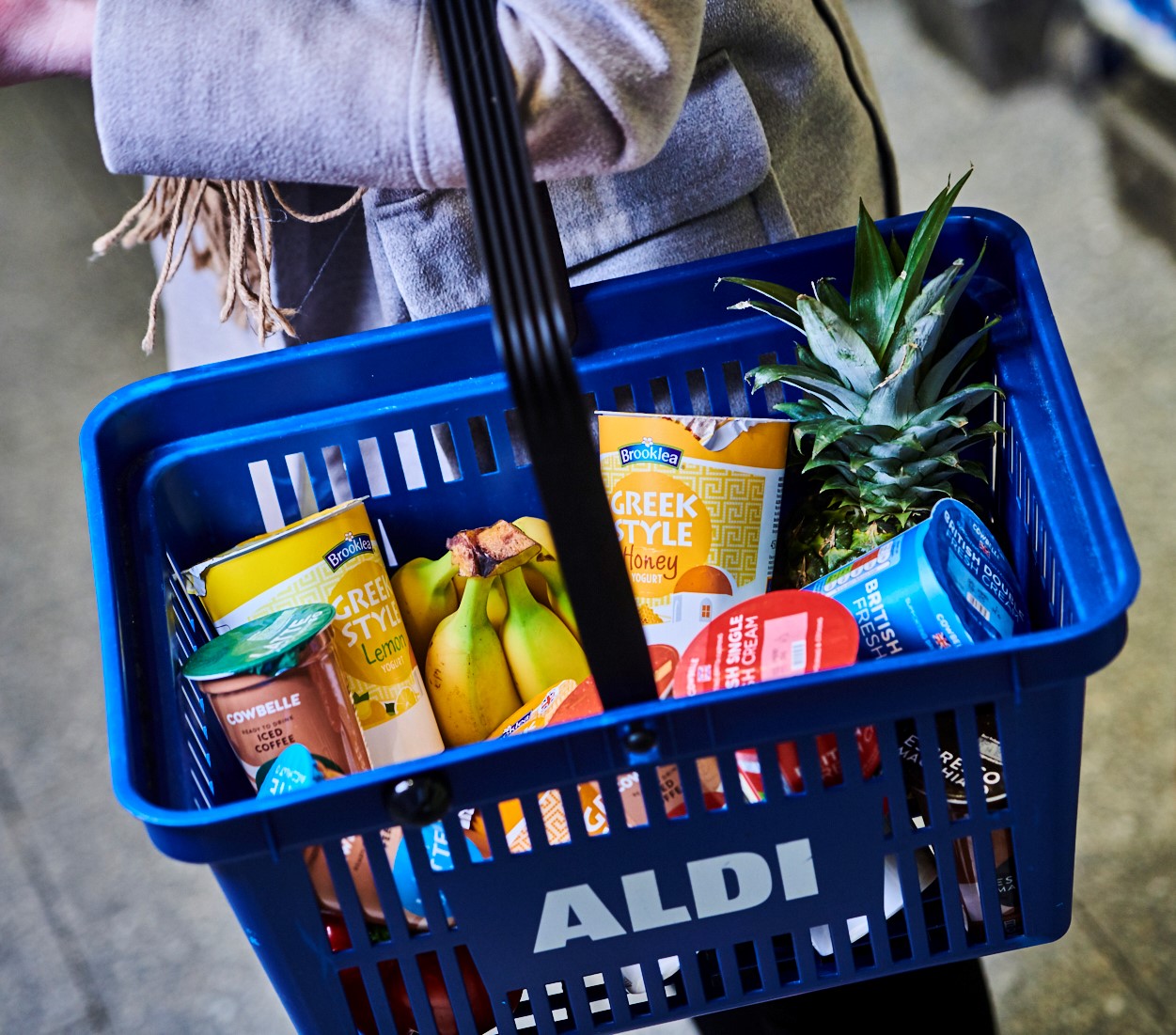
Manchester has been named one of the most ‘affordable’ cities in the UK / Credit: MCC | Aldi
The study compared the 2026 Grocery Index for the largest UK cities with the UK average, as well as available 2025 Grocery Indices, to track the changes in food affordability.
The cities are ranked by the index difference from the national average – which is 67.3 – but the report also uses direct monetary values for a grocery basket to provide some additional context too.
Manchester took sixth place on the list, with an average grocery basket price of £23.08, while some of the other northern cities in the top 10, besides Sheffield at number one, include Liverpool, Leeds, and Newcastle.
Top 10 Most Affordable UK Cities For Groceries
Sheffield
Milton Keynes
Liverpool
Reading
Newcastle
Manchester
Leeds
Bristol
Cardiff
Southampton
As the only other North West city in the top 10, Liverpool may have come in third place overall, but the study found that the grocery bill here is the smallest in terms of actual monetary numbers – with it setting shoppers back £22.08 for a regular supermarket basket, which is a whole £1 cheaper than in Manchester.
“Data shows households in the North East of England have the lowest average food spend in the country, around 11% below the UK average, while Yorkshire sits 6.6% below,” Al Taylor, who is the Head of Street Cover, commented on the study’s findings.
“Sheffield’s position at the top reflects lower property costs for retailers, less competition from premium chains, and a supermarket landscape dominated by value-led options.
“The practical implication for household budgets is significant – the difference between budget and premium shopping can easily be £1,000 or more per year for a family, which can be spent on other things or saved for future plans.”
Featured Image – Aldi
Trending
Mancs wanted to take part in a new series of the ‘hardest quiz show on TV’
Emily Sergeant
Call yourself a clever clogs? The BBC is currently looking for contestants to take part in what is widely considered the hardest quiz show on TV.
That’s right – Only Connect is back for another series on BBC Two.
Presented by Victoria Coren Mitchell and first broadcast all the way back in 2008, Only Connect takes TV quizzing to the next level, as it sees two teams compete against each other by finding connections between seemingly unrelated clues.
In this quiz show – which viewers have dubbed one of the most challenging there is – knowledge only takes you so far, as the ability to think laterally is also deemed ‘vitally important’.
A casting call for the upcoming 2027 series has been shared on the BBC website, with people from Greater Manchester encouraged to apply.
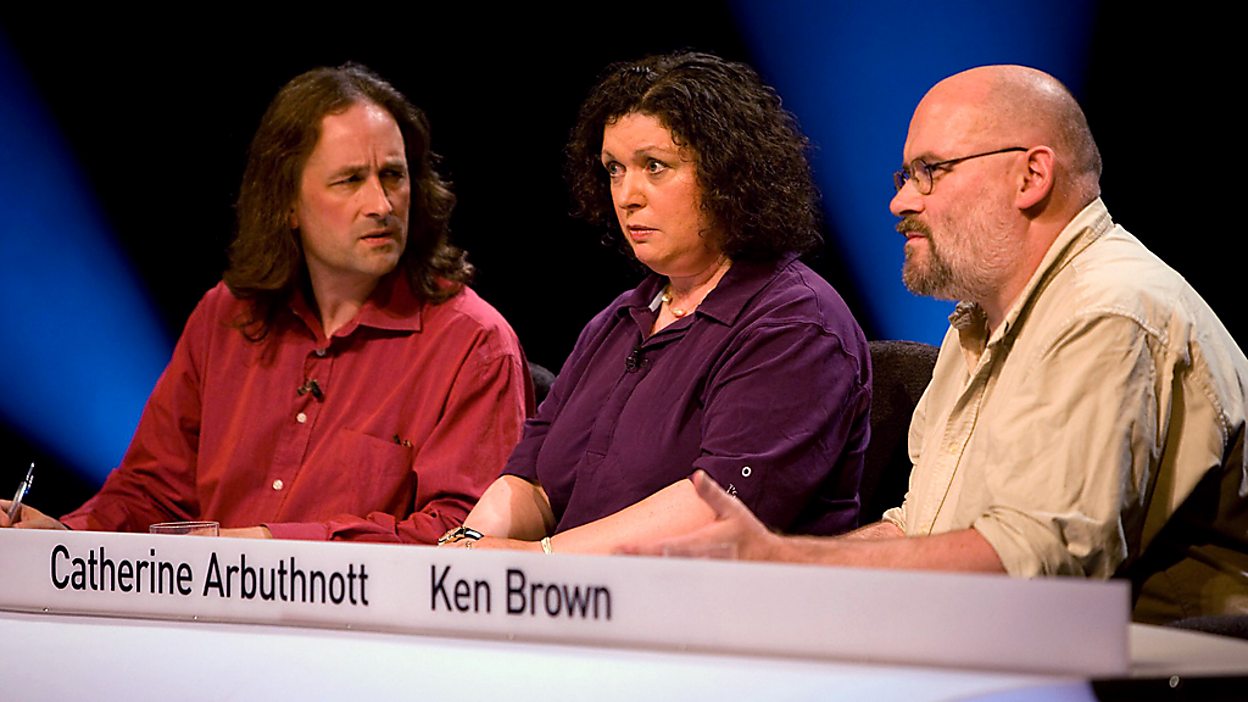
Mancs wanted to take part in a new series of the ‘hardest quiz show on TV’ / Credit: BBC
The casting call reads: “The popular BBC Two quiz show presented by Victoria Coren Mitchell returns for a new series in 2027.
“Only Connect is seeking teams of three players OR single applicants or teams of two looking for like-minded teammates to pool their combined wits to solve fiendish conundrums and vexing puzzles.
“This is the quiz series where, as in life itself, knowledge will only take you so far: patience and lateral thinking are also vital. It’s all about making connections between things which may appear, at first glance, not to be connected at all.”
Reckon you’ve got what it takes then? Applications are now open, and all applicants must be aged 18 or over and a resident in the UK or Channel Islands.

 Emily Sergeant -
3rd August 2023
Emily Sergeant -
3rd August 2023