It’s probably not something you think about every day, but there’s a chance you’ve opened a bottle of beer before and wondered why it smells like weed.
It turns out you’re not the only one who’s thought it.
Whether you choose to believe it or not, according to LADbible, there’s an actual scientific reason behind the phenomenon and it’s all because of a little-known chemical reaction that takes place in the bottle when the alcohol reacts with the light of the UV rays.
Back in 2001, a group of scientists led by University of North Carolina professor of chemistry Malcolm Forbes PhD found that a reaction takes place when beer that specifically contains hops is left in the sun.
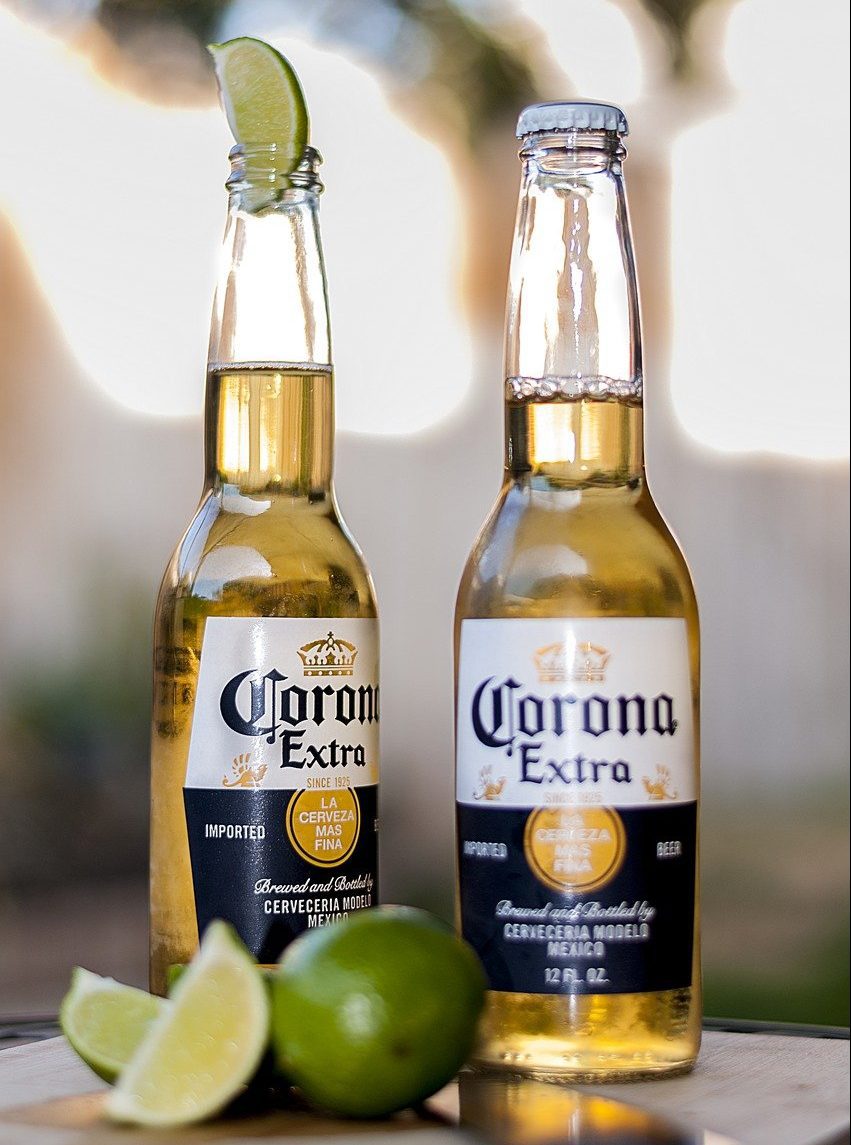
Professor Forbes even suggested that this is one of the main reasons why Corona – the beer that is the most common culprit for smelling ‘skunky’ – is usually served with a lime wedge.
ADVERTISEMENT
“Corona is marketed extremely cleverly,” he admitted.
So, what actually is the science behind it then? And to what extent should we believe it?
ADVERTISEMENT
Well, after research into the phenomenon, Professor Forbes and his team published their findings in Chemistry: A European Journal and explained that they found that flavour compounds known as iso-alpha acids are brought forth when the beer is brewed, and that’s actually what gives the beer its distinctive taste – but when those compounds are over-exposed to sunlight, they are turned into free radicals and that makes them highly reactive.
A reaction takes place when beer that specifically contains hops is left in the sun / Credit: Pixabay
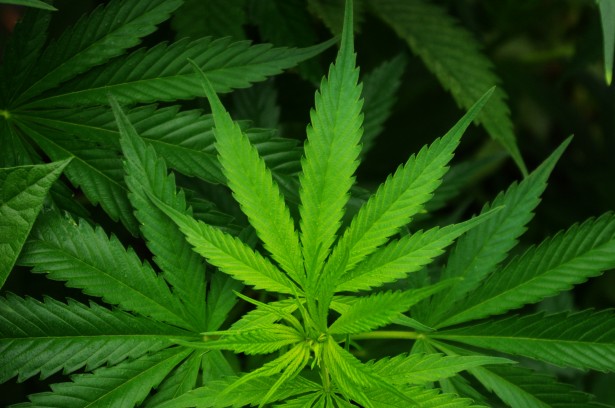
When those free radicals – which are atoms or molecules that have unpaired electrons – mix with protein, they form another molecule called 3-methyl-2-butene-1-thiol, and it’s this that produces an extremely potent cannabis scent.
It’s so strong that even one part per billion can be picked up by the human nose.
ADVERTISEMENT
“Hops help flavour beer, inhibit bacterial growth, and are largely responsible for the stability of the foam in the head,” Professor Forbes explains.
“[But] hops, however, are light-sensitive, and the three main compounds in them identified as being light-sensitive are called isohumulones [so] when attacked by either visible or ultraviolet light, these break down to make reactive intermediates known as free radicals that lead to the offensive taste and skunky odour.”
As well as serving with lime, most beer bottles are also made brown or green to combat this process.
But that doesn’t mean they won’t turn if left in the sun for too long, so it’s still best to keep the beer inside and store it in the dark.
Featured Image – Shot Stash
Trending
Data reveals Manchester hotel prices have ALREADY surged by 462% on rumoured Oasis tour dates
Emily Sergeant
Manchester hotel prices have apparently already surged by 462% on rumoured Oasis tour dates, some new data has revealed.
Of course, absolutely nothing is set in stone yet and we are still yet to receive any form of announcement.
But with rumours having been swirling for months now that Oasis will be touring again in 2027, and several videos shared on the band’s social media platforms this week also hinting at that, it’s been revealed that searches for ‘when are Oasis tickets going on sale?’ have soared by 5,000% in the last seven days alone.
After recent data has pointed towards soaring searches for tickets, the experts at SeatPick decided to analyse the average cost of accommodation in Manchester on the suspected concert nights in June 2027 to uncover if prices have surged along with the searches.
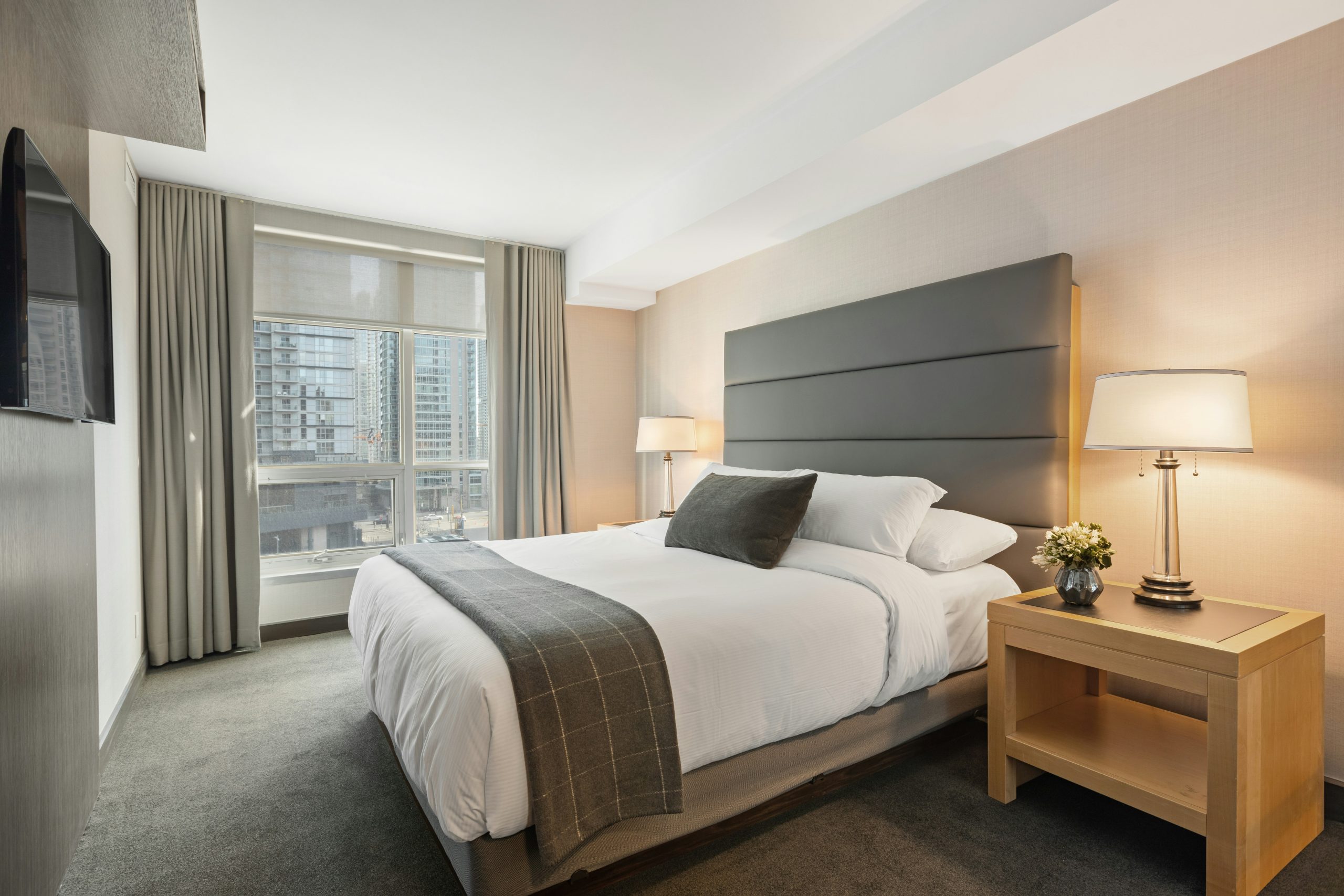
Data reveals that Manchester hotel prices have already surged by 462% on rumoured Oasis tour dates / Credit: The Manc Group | Simon Emmett (Press Picture)
And lo and behold, it appears that they have.
The ticketing platform has revealed that hotel prices have surged by up to 462% during Oasis’ rumoured concert nights in Manchester.
The rumoured weekend date of 19 and 20 June has experienced the most noticeable price surge – with a two-star hotel costing an average of £216 for just one overnight stay.
The data also reveals that the rumoured finale on the 27 June has just a £95 difference between two-star hotels (£200) and five-star hotels (£295).
“Our analysis uncovered an enormous markup for local accommodation on nights that Oasis is rumoured to perform in Manchester,” explained Gilad Zilberman, who is the CEO at ticket platform SeatPick.
“Being aware of these accommodation costs and additional expenses can help fans plan and avoid being caught off guard by inflated prices on concert nights.
“To find the best deals on hotels, concertgoers should scan budget chains in the city or look slightly outside of the centre in hotspots served by local bus routes or regional trains, such as Salford and Trafford.
“Booking early might also be beneficial for fans dedicated to seeing the band perform.
“You can opt for free cancellation options, in case rumoured dates change, or you’re no longer able to attend.”
Featured Image – Point3D (via Unsplash)
Trending
Aldi confirms ‘special’ 62-hour closure of all its 1,000+ stores across UK
Emily Sergeant
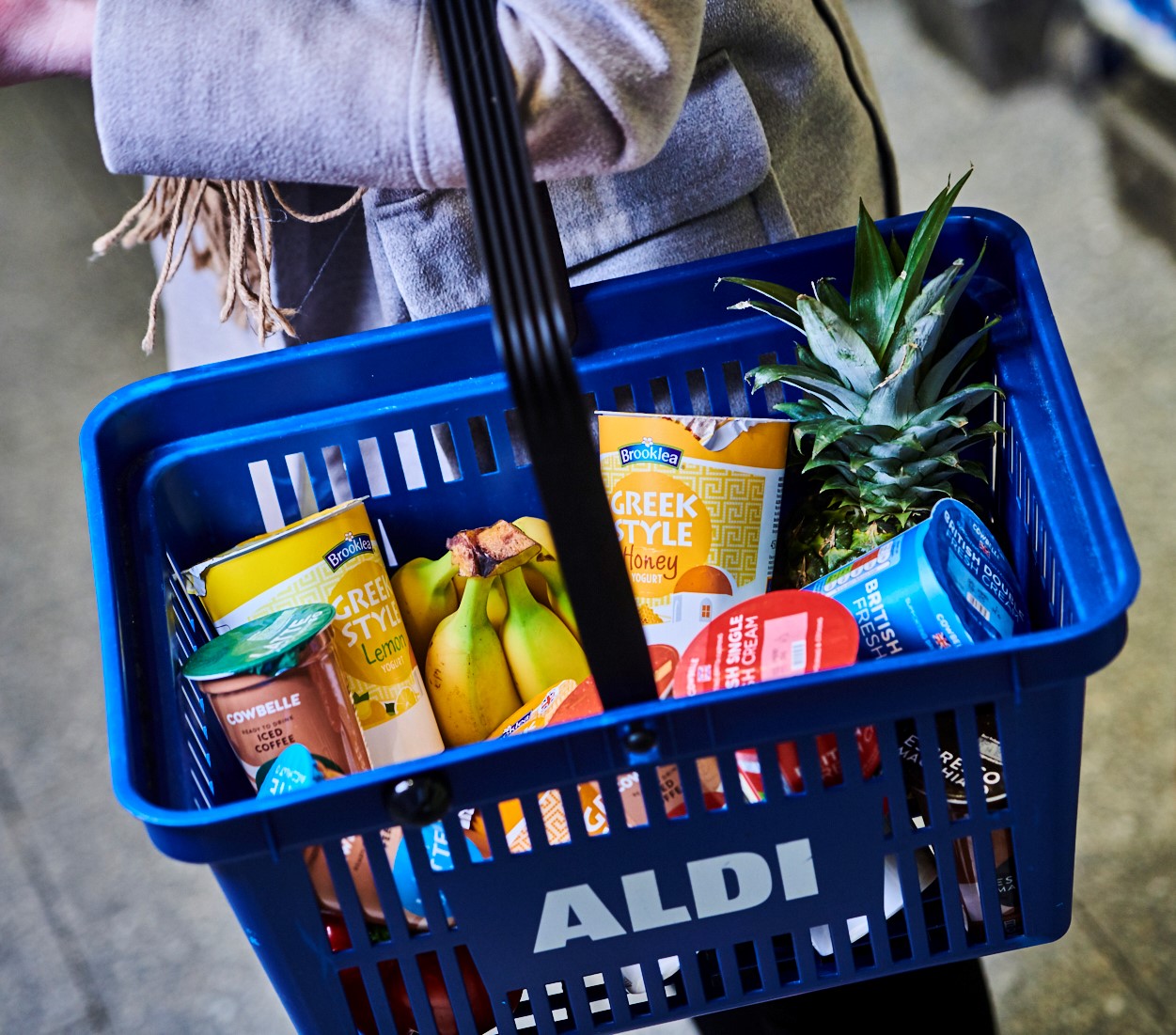
Aldi has announced that it’ll, once again, be closing the doors of all of its stores across the UK for 62 hours this year.
Christmas is always known to be one of the busiest periods of the year for the retail industry, and Boxing Day has a reputation for being the ultimate day for shopping deals and discounts in the UK – but this year, just like it has done on several years in the past, Aldi has made the decision to close all of its stores nationwide on this bank holiday.
The supermarket retailer says it wants to thank its colleagues ‘for all their hard work’ throughout the year by giving them some extra time to spend with their families.
This means that all Aldi stores will be closed on both 25 and 26 December.
That’s not all though, as stores will also be closed on New Year’s Day, and will reopen once again on Saturday 2 January 2027.
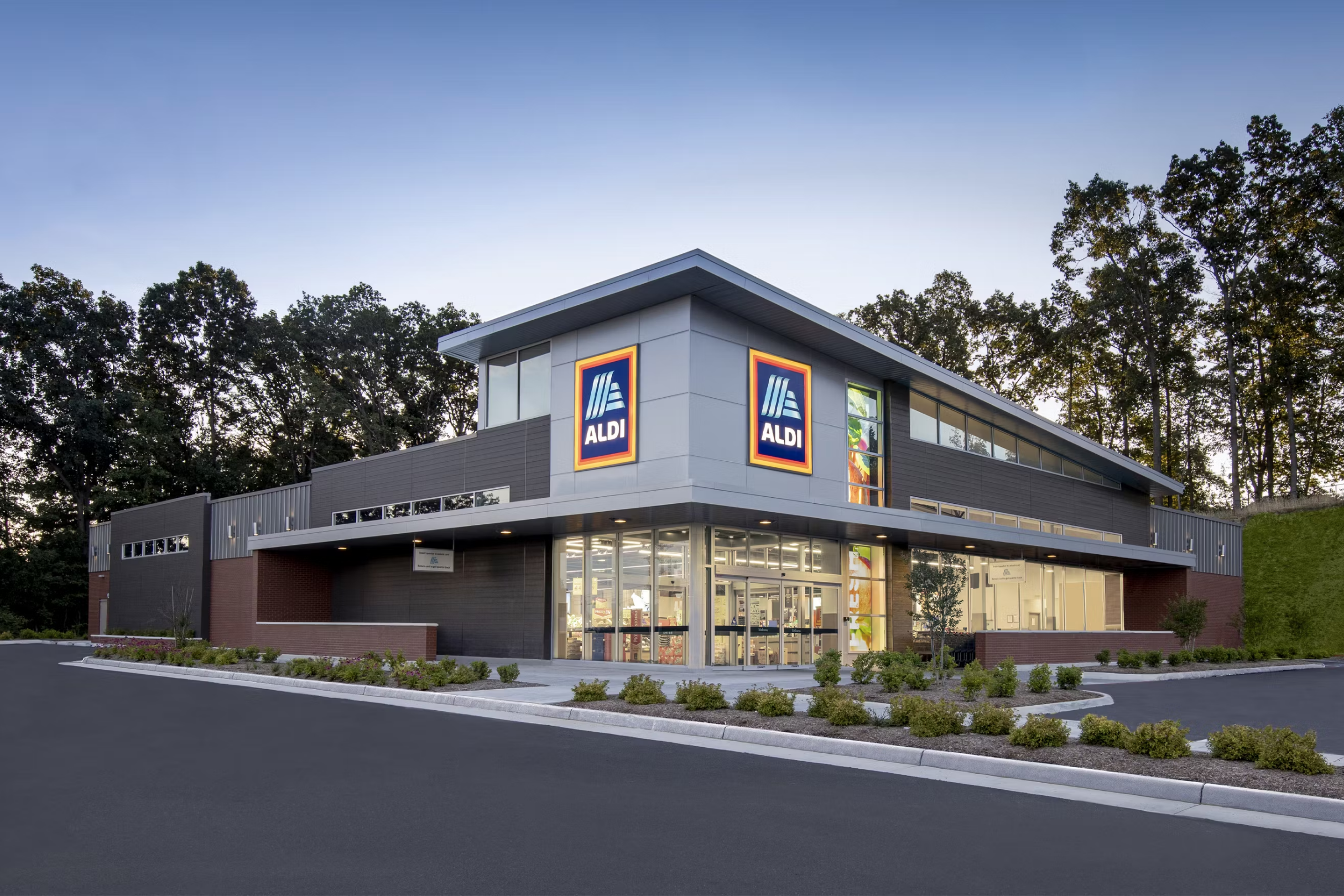
Aldi has announced a ‘special’ 62-hour closure of all its UK stores / Credit: Aldi UK
Opening hours at different Aldi stores across the UK will vary in the lead-up to Christmas, so it’s important to check the times for your local store, but the retailer has confirmed that most branches will be operating extended hours to ‘ensure customers can stock up ahead of the big day’
In the interim period between Christmas and New Year, stores will reopen as usual on Sunday 27 through to Wednesday 30 December, with reduced hours also likely on Sunday and New Year’s Eve.
Speaking on the decision to shut up shop for a full 62-hour period this festive season, Rachel Geary, who is the Communications Director at Aldi UK, said: “Christmas is a special time for our customers, but it is also one of the busiest periods of the year for our teams.
“Our colleagues work incredibly hard to ensure customers can pick up everything they need ahead of the big day.
“We never take that effort for granted. Closing our stores on Boxing Day is one way of saying thank you and giving colleagues a proper chance to rest, switch off and spend more time with the people closest to them.”

 Emily Sergeant -
23rd August 2021
Emily Sergeant -
23rd August 2021