A recent study has revealed which UK cities have remained the most active throughout the coronavirus (COVID-19) pandemic.
And Manchester has come out on top.
According to the latest research by TechTalk (Garmin x Currys PC World), Mancunians were said to exercise 2.54 times a week, with 41% of us training three to six times a week, and 15% working out one or two times every seven days.
The survey also saw half of us claim to live a moderately or very active lifestyle – with 35-44-year-olds most likely to describe their lifestyle as “very active” – and at the other end of the scale, 22% admitted to living a somewhat or very sedentary lifestyle.
Liverpudlians are the second fittest people in the UK, with London coming third place.
ADVERTISEMENT
When it comes to the age groups consulted for the research, the survey found that millennials work out the most by averaging 3.1 times a week – compared with a national average of 2.3 times, and that’s not all either, as when gyms and fitness centres were first forced closed for lockdown back in March 2020, those of us in the North West were also the most likely to swap it for great outdoors.
Another title Manchester can be proud to claim.
ADVERTISEMENT
Unsplash / Amy Humphreys
Health and fitness expert Lee Cain – Managing Director of HFE (Health and Fitness Education) – is a big advocate for using exercise to boost mental wellbeing, especially over this past year, saying: “Aside from the physical benefits of physical activity and exercise, there are also a profound number of mental and emotional benefits, including reduced stress, anxiety and a more stable mood”.
He also revealed there are plenty of ways to stay fit at home during lockdown too.
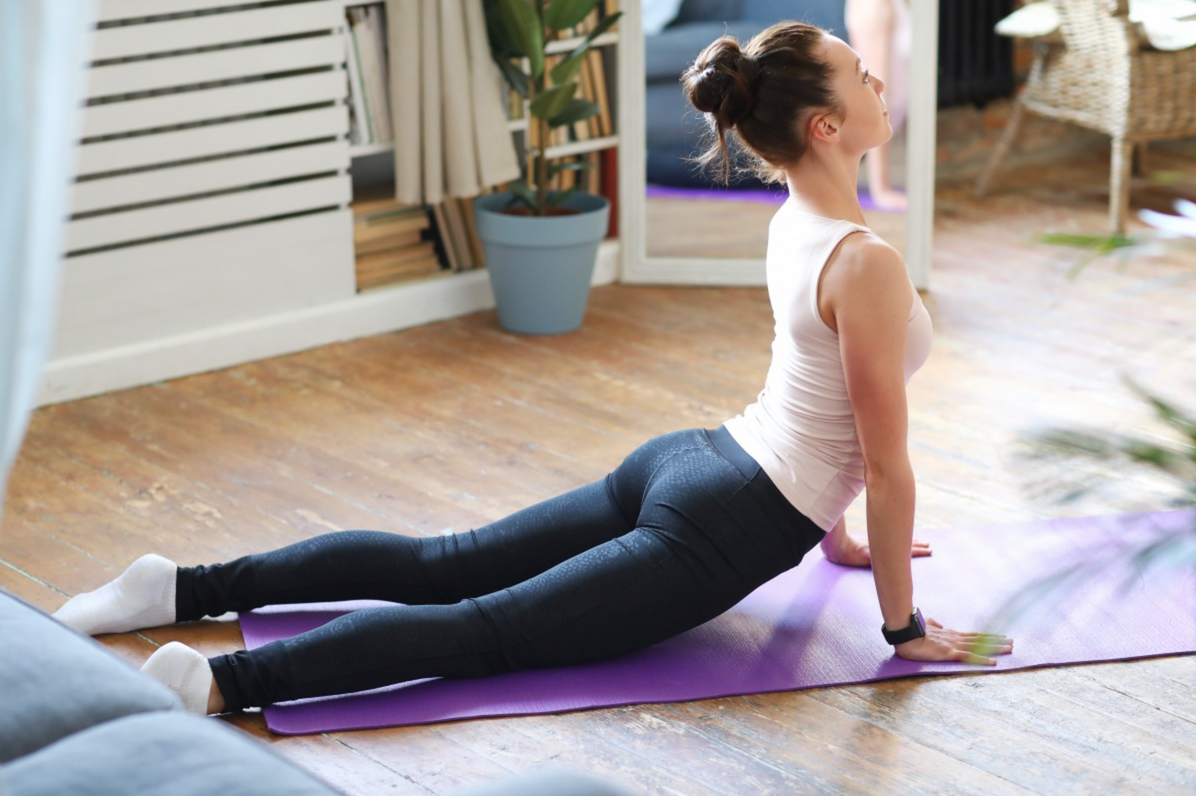
“There are lots of things that you can do around the house, like a virtual yoga or Pilates class, some online Zumba, or even just an old school aerobics class, [and] YouTube is full of programmes like these that you can do for free.” he said.
ADVERTISEMENT
He also believes that when it comes to effective exercise, it’s important to keep trying different things that you may not have originally thought of.
“With exercise, variety is necessary in order to prevent boredom, staleness and plateaus in progress.”
“If, over-time, you perform the same exercises, in the same order and at the same or similar intensities, the body will find ways of meeting those demands with less [and] that means that every time you exercise, you burn fewer calories, so it’s important to keep mixing things up so the body is forced to continually adapt.”
Pxhere
And it doesn’t have to be traditional exersice you get stuck into to feel the benefits either.
Lee continues: “Whether it’s cleaning windows, gardening, making beds, walking the dog, ironing, mopping or sweeping the floor, the amount of energy expended while performing these tasks can be some four to five times greater than that at rest”.
ADVERTISEMENT
Other everyday tasks that can also burn calories include ironing, baking and sleeping, and did you know that you can even burn calories more rapidly when you take a hot bath thanks to your body temperature rising, although Lee explains that it’s important to recognise that exercise and physical activity are not the same thing and that “their effects as far as ‘calorie burning’ is concerned, can be equal, but not the same”.
He continued: “Exercise is a structured form of physical activity that is usually performed with the goal of improving one or more aspects of fitness, whereas physical activity is a little more general, and may simply include walking up the stairs.”
You can read the research in full and access more tips and advice from Lee Cain via the TechTalk website here.
Trending
Manchester has been named one of the most ‘affordable’ cities in the UK – this is why
Emily Sergeant
A list of the top 10 most affordable cities in the UK has been revealed, and Manchester has made the cut for one very specific reason.
On a bit of a budget? Aren’t we all.
The cost of living crisis has been raging on for quite a few years now, and unfortunately, despite how much we all wish for it to, it doesn’t appear to be slowing down – with prices for everyday items, especially typical fridge and cupboard stables, shooting up by the day, even though supermarkets are showing efforts to prevent it.
And it’s the noticeable price increases in groceries that led delivery insurance provider, Street Cover, to uncover which UK cities don’t strain your food shopping budgets too much just yet.
As it was found that food and non-alcoholic drinks inflation reached 1.3% this past summer, a new study has revealed that Sheffield is officially the most affordable city in the UK, with several other northern locations on the list.
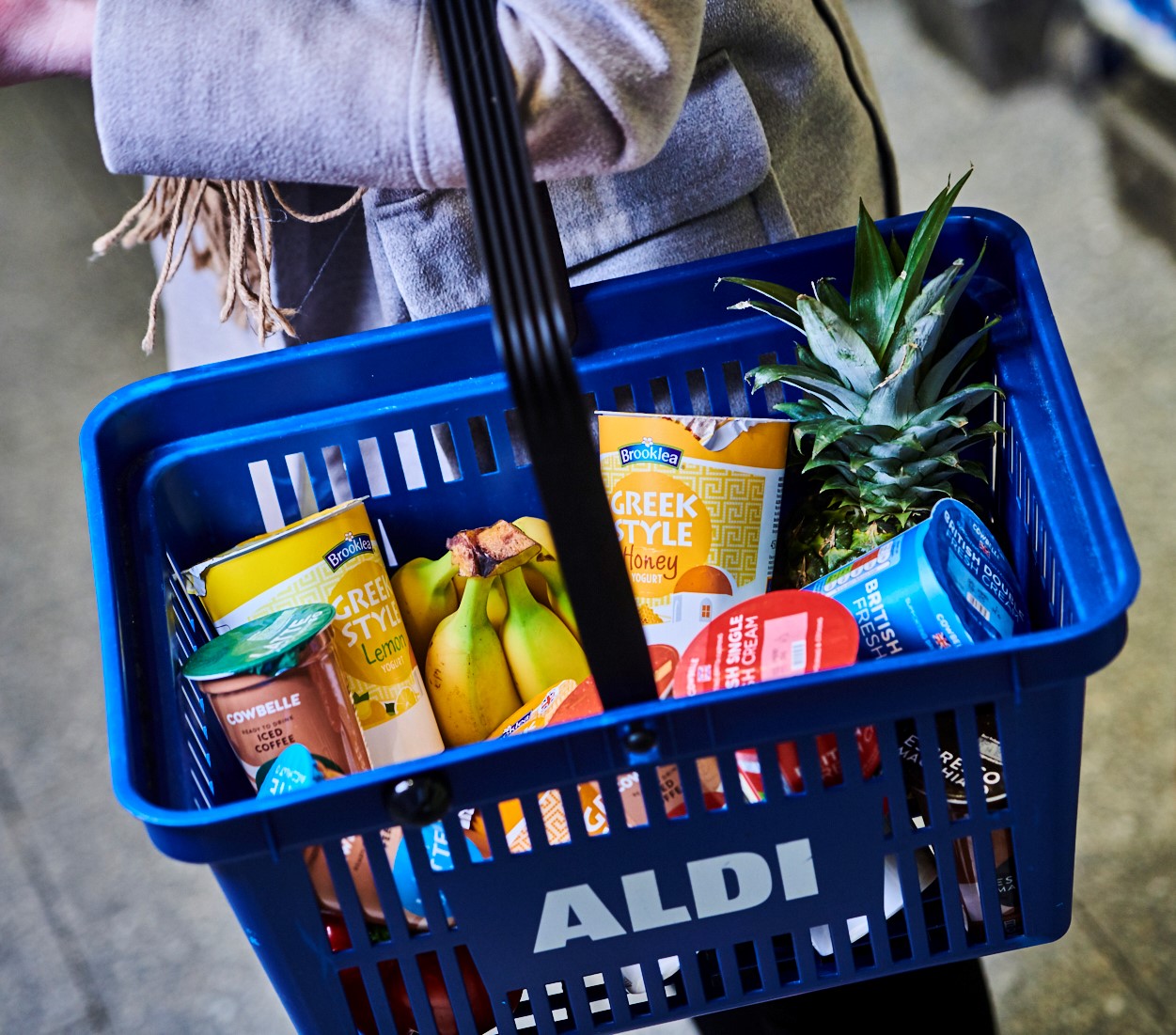
Manchester has been named one of the most ‘affordable’ cities in the UK / Credit: MCC | Aldi
The study compared the 2026 Grocery Index for the largest UK cities with the UK average, as well as available 2025 Grocery Indices, to track the changes in food affordability.
The cities are ranked by the index difference from the national average – which is 67.3 – but the report also uses direct monetary values for a grocery basket to provide some additional context too.
Manchester took sixth place on the list, with an average grocery basket price of £23.08, while some of the other northern cities in the top 10, besides Sheffield at number one, include Liverpool, Leeds, and Newcastle.
Top 10 Most Affordable UK Cities For Groceries
Sheffield
Milton Keynes
Liverpool
Reading
Newcastle
Manchester
Leeds
Bristol
Cardiff
Southampton
As the only other North West city in the top 10, Liverpool may have come in third place overall, but the study found that the grocery bill here is the smallest in terms of actual monetary numbers – with it setting shoppers back £22.08 for a regular supermarket basket, which is a whole £1 cheaper than in Manchester.
“Data shows households in the North East of England have the lowest average food spend in the country, around 11% below the UK average, while Yorkshire sits 6.6% below,” Al Taylor, who is the Head of Street Cover, commented on the study’s findings.
“Sheffield’s position at the top reflects lower property costs for retailers, less competition from premium chains, and a supermarket landscape dominated by value-led options.
“The practical implication for household budgets is significant – the difference between budget and premium shopping can easily be £1,000 or more per year for a family, which can be spent on other things or saved for future plans.”
Featured Image – Aldi
Trending
Mancs wanted to take part in a new series of the ‘hardest quiz show on TV’
Emily Sergeant
Call yourself a clever clogs? The BBC is currently looking for contestants to take part in what is widely considered the hardest quiz show on TV.
That’s right – Only Connect is back for another series on BBC Two.
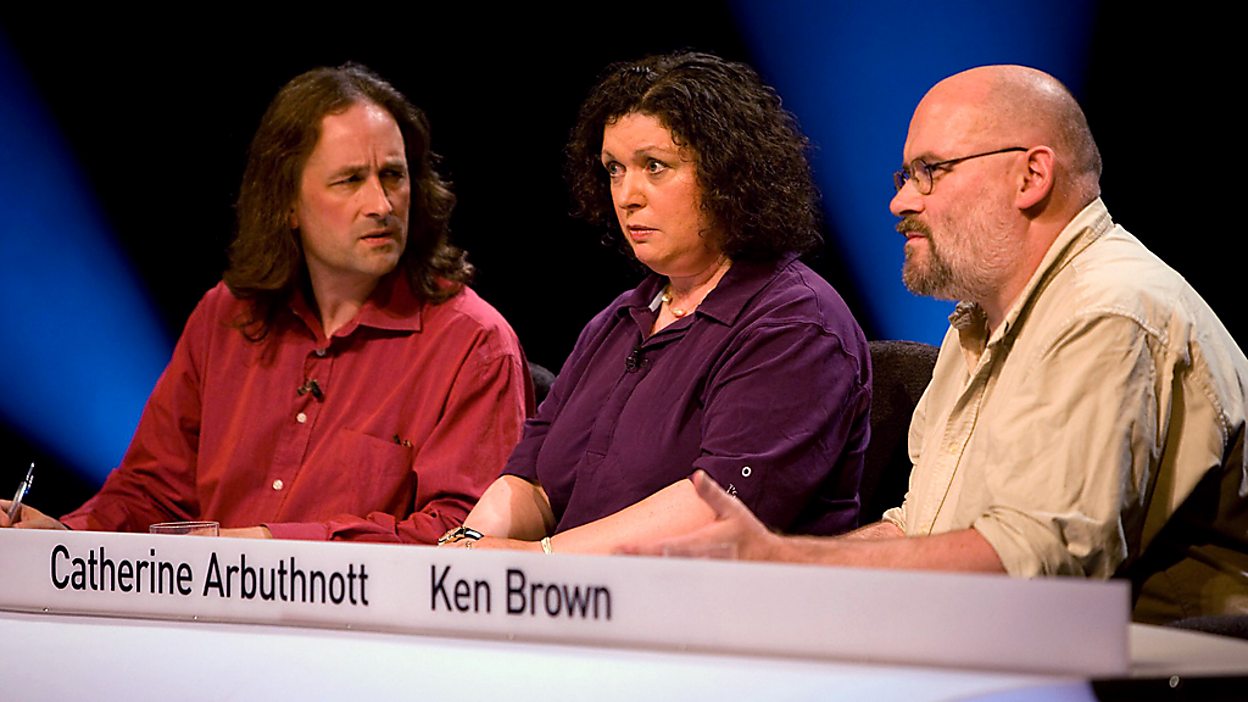
Presented by Victoria Coren Mitchell and first broadcast all the way back in 2008, Only Connect takes TV quizzing to the next level, as it sees two teams compete against each other by finding connections between seemingly unrelated clues.
In this quiz show – which viewers have dubbed one of the most challenging there is – knowledge only takes you so far, as the ability to think laterally is also deemed ‘vitally important’.
A casting call for the upcoming 2027 series has been shared on the BBC website, with people from Greater Manchester encouraged to apply.
Mancs wanted to take part in a new series of the ‘hardest quiz show on TV’ / Credit: BBC
The casting call reads: “The popular BBC Two quiz show presented by Victoria Coren Mitchell returns for a new series in 2027.
“Only Connect is seeking teams of three players OR single applicants or teams of two looking for like-minded teammates to pool their combined wits to solve fiendish conundrums and vexing puzzles.
“This is the quiz series where, as in life itself, knowledge will only take you so far: patience and lateral thinking are also vital. It’s all about making connections between things which may appear, at first glance, not to be connected at all.”
Reckon you’ve got what it takes then? Applications are now open, and all applicants must be aged 18 or over and a resident in the UK or Channel Islands.

 Emily Sergeant -
11th January 2021
Emily Sergeant -
11th January 2021