Feature
Manchester used to have its very own theme park, circus, and zoo
With its elephants, monkeys, camels, a circus, wild birds and rollercoasters, Belle Vue was a premiere attraction for over 150 years
 The Manc -
26th October 2021
“One of the most remarkable institutions of which Manchester, or indeed any city or town, can boast.”
This is how one newspaper described the now-demolish theme park and zoo that Manchester once held dear.
Known as Belle Vue Zoological Gardens, for 150 years the park was one of the most successful entertainment destinations in the UK.
It survived war, hosted rock legends, and was a truly iconic landmark for many.
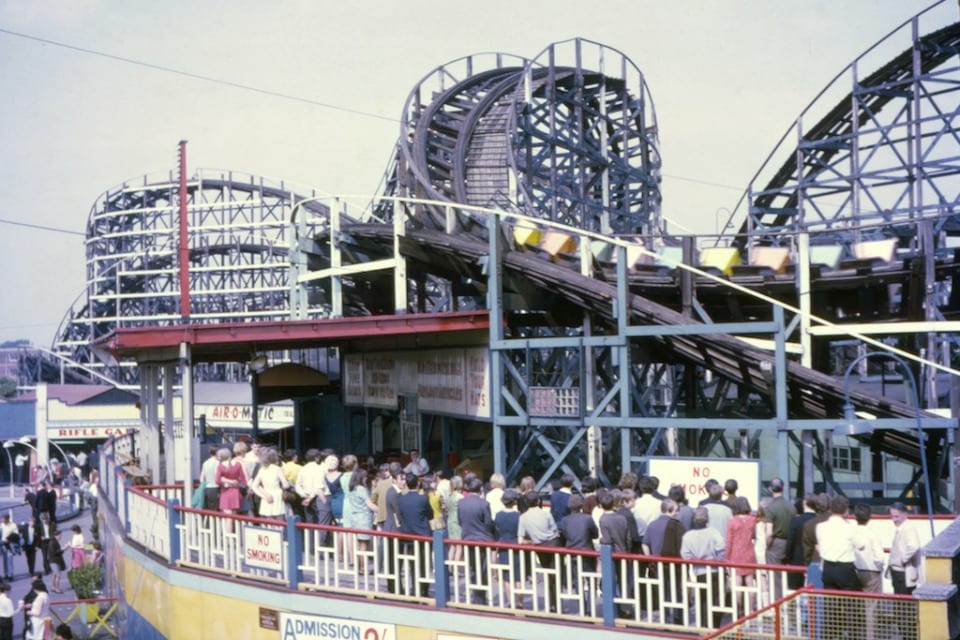
Founded in 1836, at its peak, the zoo occupied over 165 acres of land and attracted around two million visitors a year. People traveled from all over the country to wonder at the elephants, monkeys, and camels.
Privately financed, Belle Vue also boasted some brilliant fairground rides and rollercoasters in its amusement park – which ultimately became an equally tempting attraction as time went on.
And that wasn’t all. People would also come to sing along to their musical idols in The King’s Hall, dance the night away with their first love, marvel at the circus and see Speedway champions racing to glory on the stadium tracks.
Belle Vue really did have everything, and as a result of this, became known as “Showground of the World”. But who was behind this private northern tourist attraction?
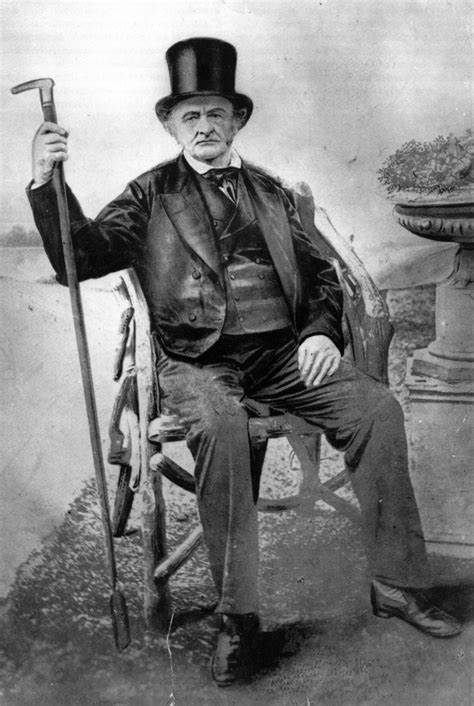
Belle Vue Zoological Gardens was the brainchild of entrepreneur and part-time gardener John Jennison.
Born in 1793 in Bulwell, Nottingham, he moved to Macclesfield as a child with his family the Jennsions’ before returning to Stockport following his father’s death in 1826.
Interestingly, Belle Vue wasn’t the Jennisons’ first foray into commercial business ownership. Prior to opening the park, John had developed and opened his own garden to the public – later adding cages of British birds, pheasants and macaws afternoticing visitors displaying interest in the garden’s native birds.
A brewhouse was even added to the plot of land too, whilst the family house was later converted into a pub called the Adam and Eve.
The Jennisons were doing well, but with what they had, there was little room for expansion.
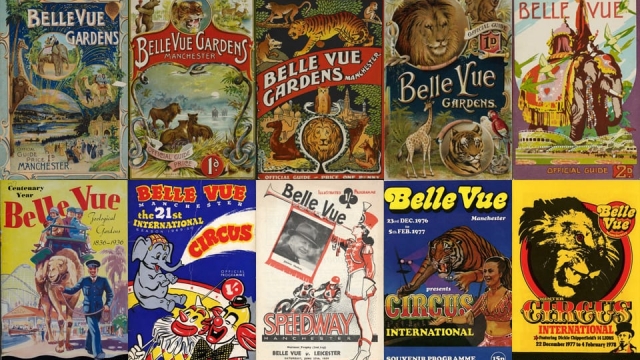
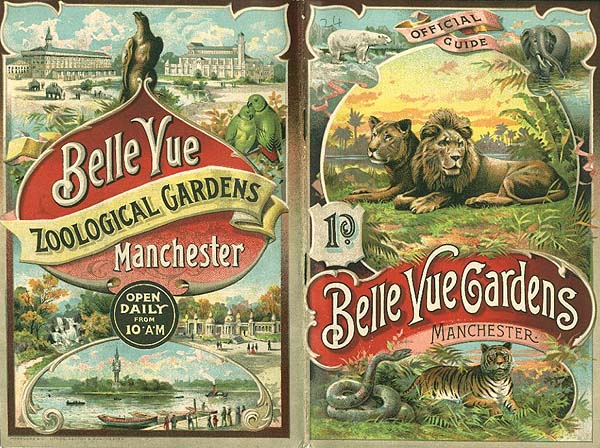
John was approached by businessman George Gill and encouraged to lease Belle Vue – then a public house in 35.75 acres of open land between Kirkmanshulme Lane and Hyde Road in Manchester.
The land was isolated and had been used for the digging of lime, but John saw its potential.
After taking out a six-month trial lease,he soon extended to a 99-year lease and relocated his family from Stockport. They traveled light, with a handcart filled with belongings and a handful of birdcages containing parrots and other birds.
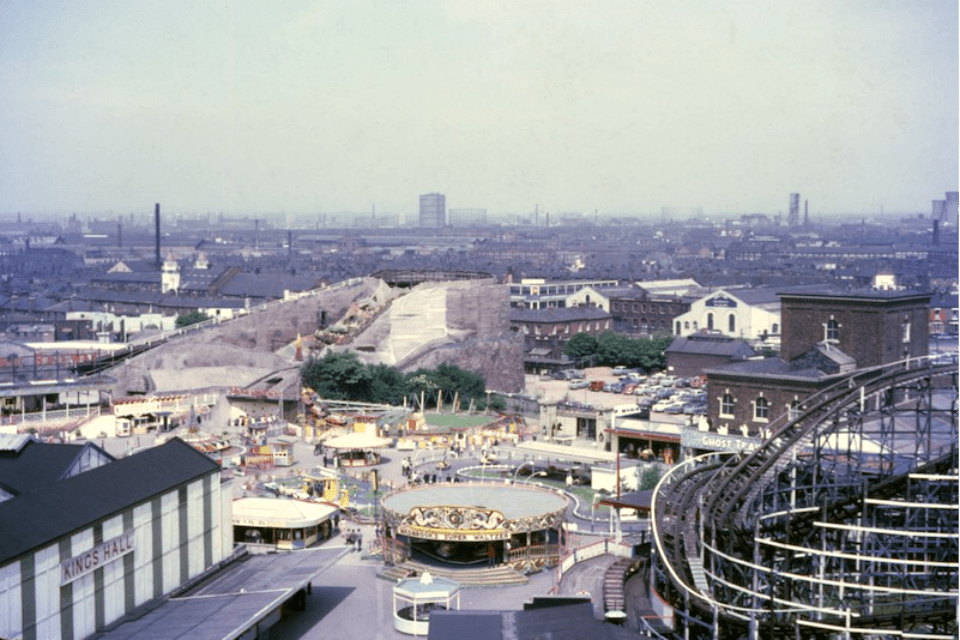
And the rest, as they say, is history.
Belle Vue first opened as a ‘pleasure garden’ in 1836, containing lakes, mazes and hothouses, as well its beloved aviary.
Still, the Jennisons decided that their zoological collection had to be expanded as a matter of priority and by 1839, elephants, lions, and other exotic African animals had been added.
Fierce competition came from other attractions like the Vauxhall Gardens in Collyhurst, and the Manchester Zoological Gardens in Higher Broughton, meaning that Belle Vue was not an instant success. Jennsion. however, persevered.
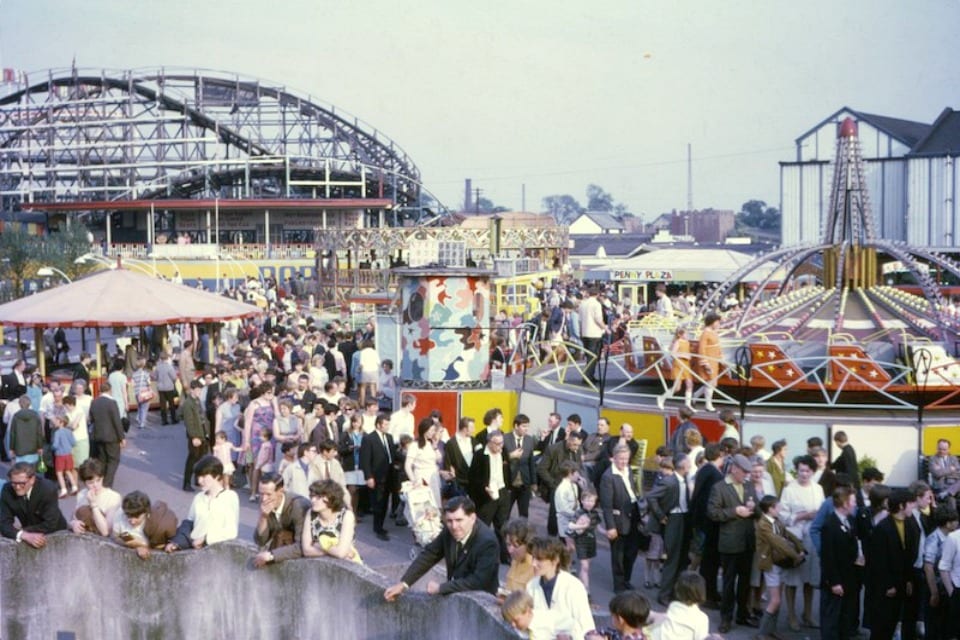
Between the closure of a neighbouring zoo at Higher Broughton and the opening of the Longsight train station, more visitors soon began trickling in.
Before long John, inspired by a visit to the Great Exhibition in 1851, began to rapidly expand – and plenty of other popular attractions were subsequently added, including a racecourse in 1847.
By the late 1860s, Belle Vue was a hugely profitable business and had become iconic draw – across not just the northwest, but the whole of the UK.
But John was forced to take a back seat to his sons when it came to the day-to-day running of the attraction after he was diagnosed with cancer that began to quickly spread.
Ultimately, he passed away as a result of his illness in 1869 – leaving his family to sell Belle Vue for £250,00 (equivalent to £14.4 million in today’s money) to Harry George Skipp and Belle Vue (Manchester) Ltd in 1925.
In 1956, the park was sold again – this time to Leslie Joseph and Charles Forte – with Forte gaining sole control in 1956.
Drawing its final breath in September 1977, the zoo’s owners decided they could no longer afford its upkeep, having suffered a loss of £100,000 that year. Still, somehow it remained open on summer weekends until 1980 – officially closing for the very last time in 1982.
As quoted in Stackhouse & Hyams’ book – Belle Vue: Manchester’s Playground – published in 2005: “When it closed, Belle Vue left a gaping hole in the heart of the region that has never been completely replaced. It gave people a focal point, something to be proud of, a place where they could take their families and be sure of a great day out at a reasonable cost.”
But for all Mancunians with a special place in their hearts for the attraction, the legacy of Bell Vue still lives on.