Young people affected by the Manchester Arena attack are being urged to complete a questionnaire and share their experiences of the trauma support they received.
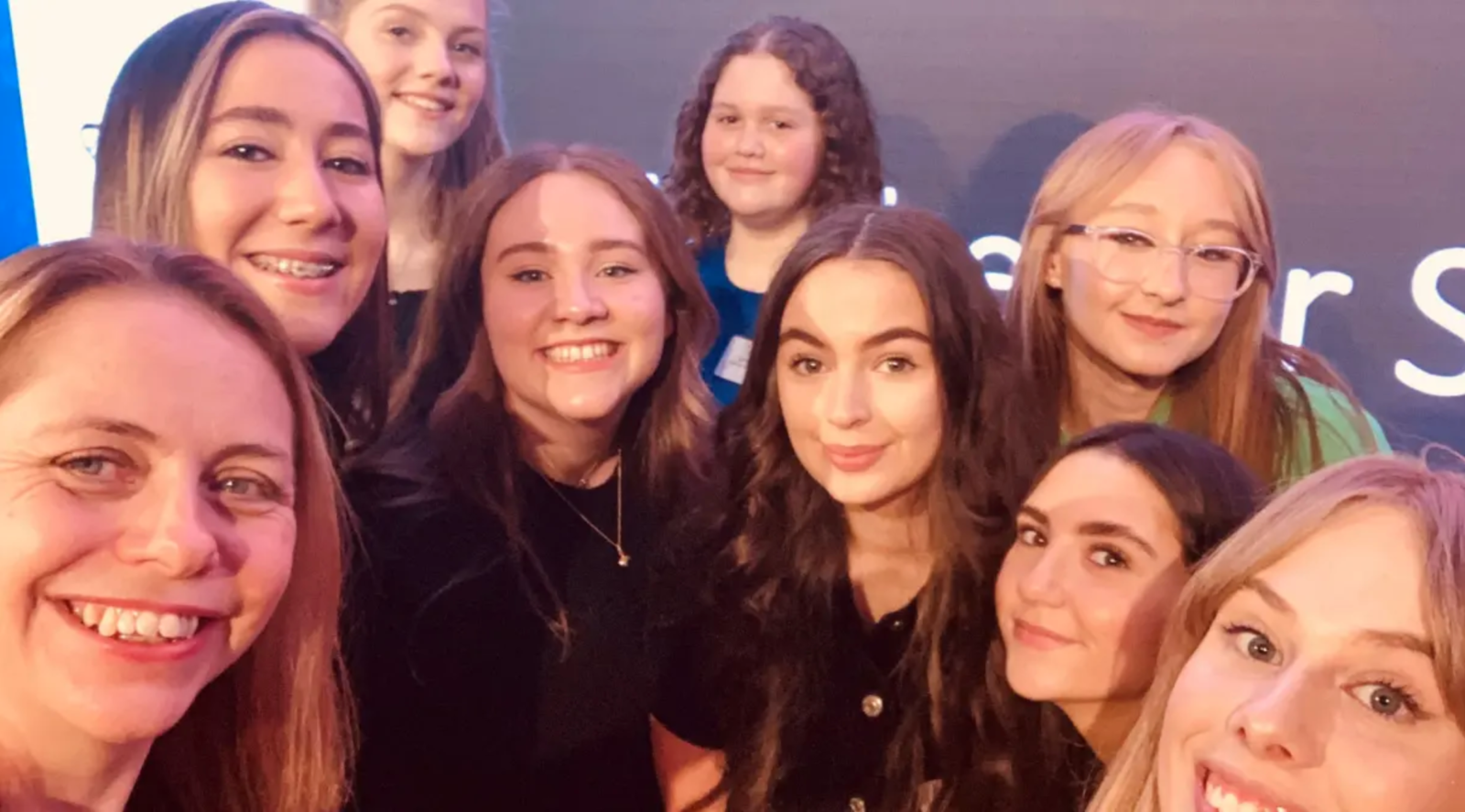
It’s all part of a groundbreaking new research project called Bee The Difference, which is a collaboration between nine young survivors of the attack – where 22 people tragically lost their lives on 22 May 2017 following an Ariana Grande concert at Manchester Arena – the National Emergencies Trust, and researchers from Lancaster University.
Over 1,000 were also injured when when British-born terrorist Salman Abedi detonated a homemade bomb as fans were leaving the Arena, and hundreds more suffered severe psychological trauma following the attack.
People who were under the age of 18 when the attack occurred are now being urged to speak out.
“If you were affected by the terror attack at the Manchester Arena and were under 18 at the time, we would love you to take part in our survey,” the Bee The Difference project explains.
— National Emergencies Trust (@NatEmergTrust) August 15, 2022
The anonymous online survey is to all young people whose lives were affected by the attack – including those impacted by what happened to a loved one or friend, as well as those who were personally present at the Arena when the attack happened.
The survey asks about the support received since the attack, and how helpful people found this.
ADVERTISEMENT
Those behind the Bee The Difference project hope that the experiences shared will help to make sure that children and young people affected by terror attacks in the future receive “the best possible support”.
Later this year, the survey findings will be shared with various organisations – including the government, healthcare and education providers, and other civic and charitable bodies.
Dr Cath Hill – who is a lecturer at Lancaster University, and also co-founder of the Manchester Survivors Choir made up of attack survivors – is one of the lead researchers of the Bee The Difference project, and she explained: “I know through my experience with the choir that young people affected by the Manchester attack have sought support in a range of places, their GP, counsellors, teachers, social groups and social media.
“Some of this was incredibly helpful, some of it missed the mark completely, while some measures taken inadvertently introduced more trauma.”
Dr Hill added that, now over five years on from the attack, “it’s time to start to talk about this” and make sure young people who experience similar events in the future “get the best possible care.”
“Bee The Difference is a chance to take something that changed our lives completely in a negative way and turn it into something positive for the future,” added 20-year-old Ellie Taylor – who was 15 when she was caught up in the attack.
ADVERTISEMENT
“The questionnaire isn’t invasive [and] it’s not about your personal story and what you went through.
“It’s just a few questions to find out what worked mentally for you, and what didn’t help, so we can find out what needs to happen in the future.”
— National Emergencies Trust (@NatEmergTrust) August 15, 2022
The Bee The Difference survey will be open until 17 October 2022.
Those who are currently under 16 and wish to take part will be asked for consent from a parent or guardian, and you can find out more about Bee The Difference and complete the questionnaire here.
Manchester Airport issues update for anyone flying today after hundreds of cancellations yesterday
Emily Sergeant
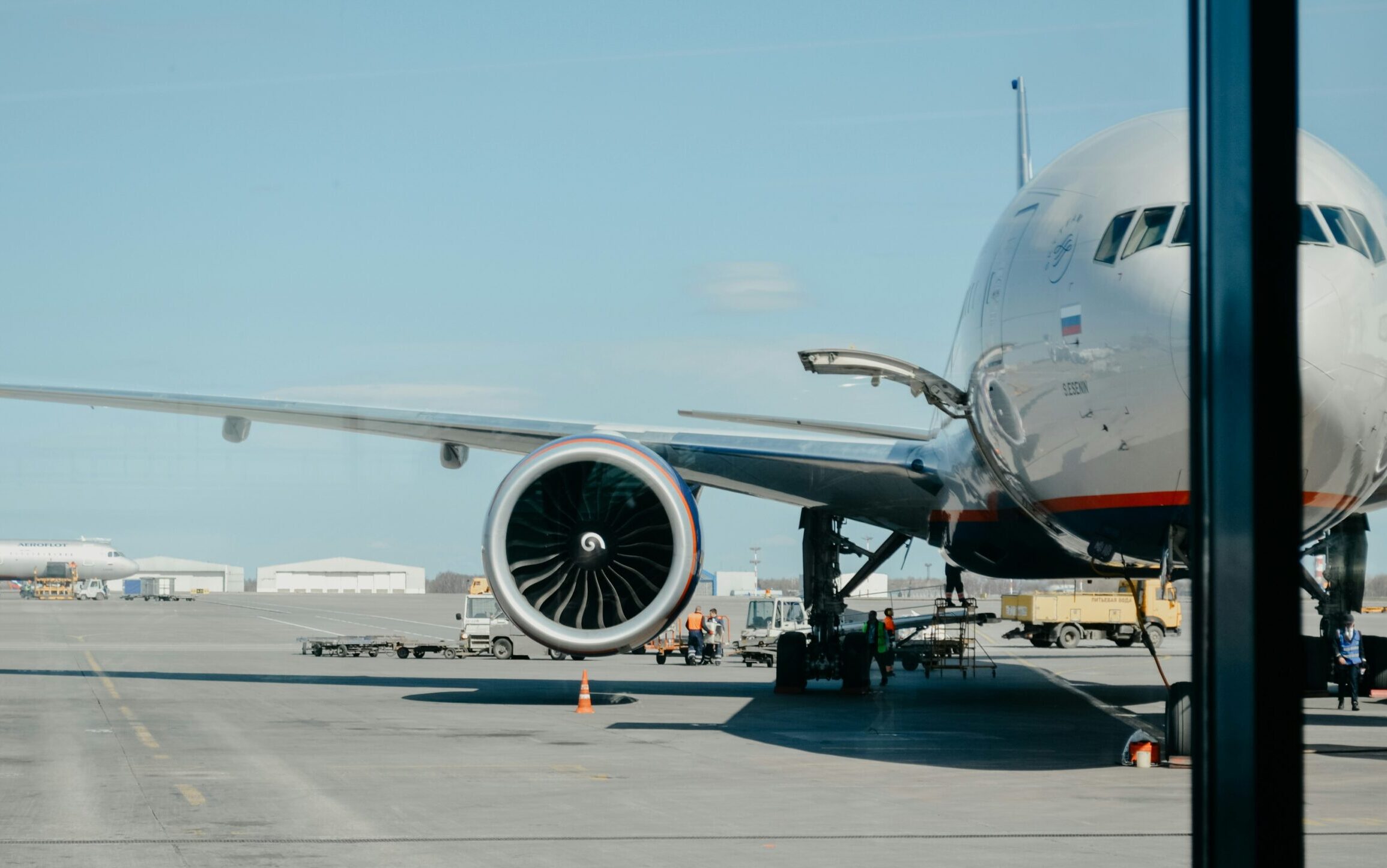
Manchester Airport has issued an update for anyone catching a flight today after hundreds of cancellations yesterday.
In case you hadn’t heard, hundreds of flights at several major UK airports – including Manchester Airport – were disrupted by a technical fault at air traffic control provider National Air Traffic Services (NATS) yesterday (8 September 2026), with the incident grounding planes and resulting in numerous cancellations.
According to Flightradar24, more than 1,000 flights were cancelled nationwide, and many passengers were told to expect disruption for the rest of the day.
One of the worst-affected airlines was said to be Ryanair, with around 65,000 passengers affected by the cancellations and delays.
Manchester Airport issued its first statement addressing the matter at 3:15pm yesterday, stating: “We are aware of an issue affecting NATS’ air traffic control service at UK airports, which may result in delays to some departing flights from Manchester Airport today.
“Passengers due to travel are advised to check the latest status of their flight with their airline. We will continue to monitor the situation and share further updates as more information becomes available.”
Now, although the issue has been resolved, Manchester Airport has issued further statements informing anyone travelling today what they can expect.
The airport started off by saying that it is ‘operating as normal’ today, but that passengers are advised to ‘check with their airline for the latest information’.
“A full flight schedule is expected to operate [today] but the airport may be busier due to rescheduled flights,” it added.
Passengers were then thanked for their ‘patience and understanding’ over the past 24 hours.
Featured Image – Ivan Shimko (via Unsplash)
News
Hundreds of staff at four Greater Manchester hospitals to strike AGAIN next week
Emily Sergeant
Another round of strikes has been called at a handful of major Greater Manchester hospitals.
Amid ongoing disputes following the first set of strikes at the end of last month, it has now been announced that more than 350 Northern Care Alliance Foundation Trust (NCA) employees – including nurses, clinical support workers and housekeepers – who are members of the union UNISON will once again walk out for three days next week.
According to the union, the dispute centres on the NCA’s use of an outside agency called NHS Professionals (NHSP) to manage overtime.
When covering staff shortages, workers are entitled to time-and-a-half pay – however in some cases, staff earn less than they would on a normal shift, and some have even been missing out on more than £80 per shift, the union added.
Operating theatre staff were previously on picket lines in June, and although an option to resolve the row was initially tabled by NCA bosses, this has now fallen through.
Hundreds of staff at four of Greater Manchester’s hospitals are set to strike next week / Credit: Stephen Andrews (via Unsplash)
This means that staff at Salford Royal Hospital, Royal Oldham Hospital, Rochdale Infirmary, and Fairfield Hospital in Bury are walking out next week on Monday 14, Tuesday 15, and Thursday 17 September.
The union’s North West regional organiser, Kevin Dolan, said the trust had given ‘no indication’ that it’s willing to re-enter negotiations, adding that operating theatre services were ‘chronically under-staffed’ and staff were choosing to work extra shifts to cover shortages.
Ahead of the August strikes, the trust declared a critical incident to help it secure extra support and keep urgent surgery running, while also announcing that some procedures would have to be postponed.
Understandably, some disruption is expected at each of the hospitals on strike days.
But Gertie Nic Philib, who is the chief people and strategy officer at the Northern Care Alliance, said that the trust will do ‘everything we can to minimise the impact on patients’ and ‘maintain high standards of care and quality at all times.’
“We also have contingency plans in place for emergency situations,” they concluded.

 Emily Sergeant -
15th August 2022
Emily Sergeant -
15th August 2022