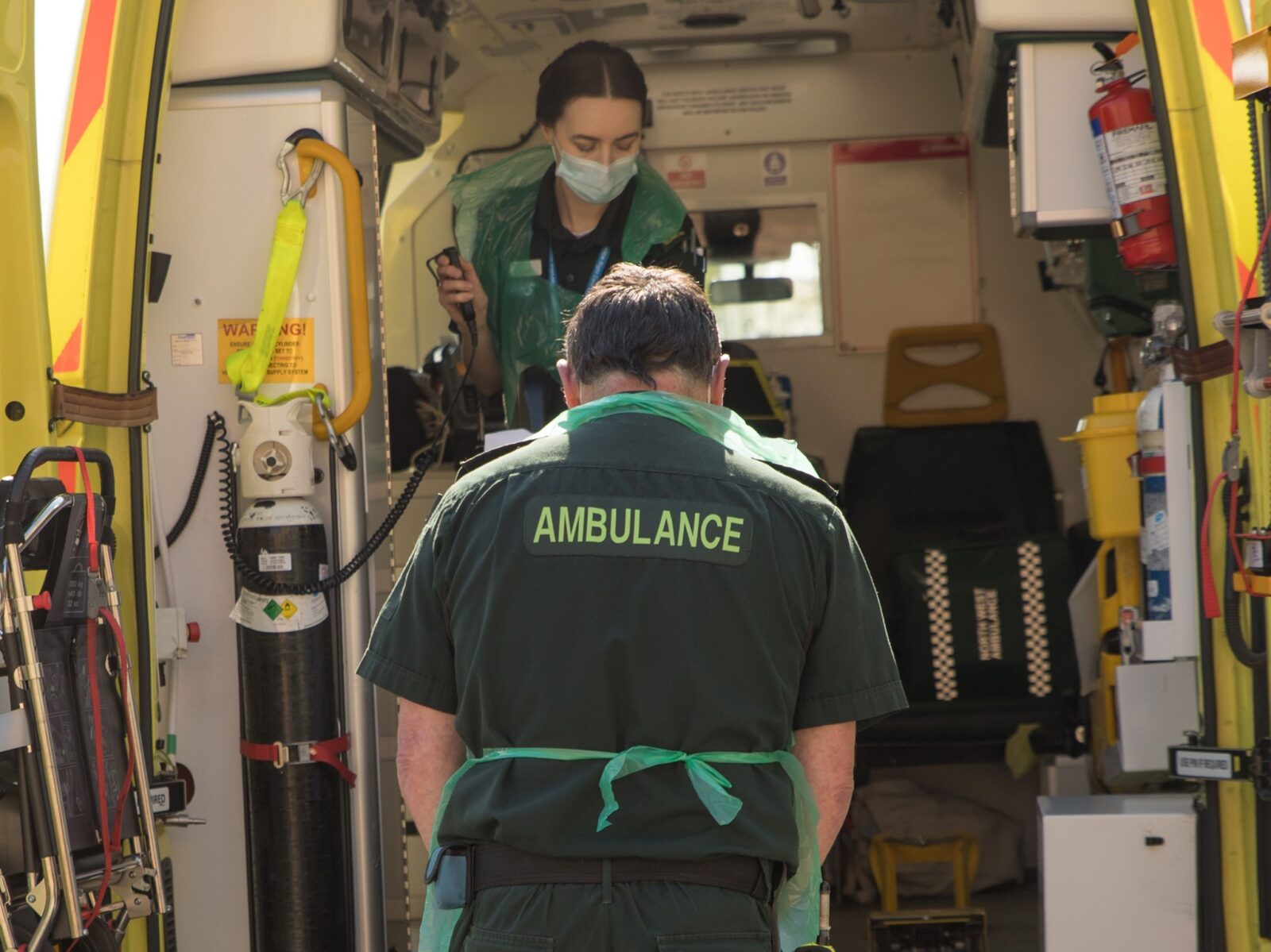
Thousands of ambulance workers across the UK are to walk out today in fresh strikes following the rejection of the latest pay offer by unions.
Widespread disruption is expected as more than 11,000 members of the both the GMB and Unite unions at seven of the 10 ambulance service trusts in England – including in the North West – are, once again, staging strike action for 24-hours today, which means fewer ambulances on the road and fewer call handlers answering 999 calls.
On top of this, ambulance dispatchers and drivers in our Patient Transport Service will also be going on strike today.
As there continues to be unrest in many industries and sectors of the economy nationwide, the North West Ambulance Service (NWAS) has issued a statement explaining which calls its services will be “prioritised” during the industrial action today.
Staff are striking today. Continue to call 999 for cardiac arrest, loss of consciousness, fits that don't stop, breathing difficulties, severe bleeding, allergic reactions, serious head injuries, strokes and heart attacks. Unsure, use the symptom checker https://t.co/Q9820lk3SOpic.twitter.com/7N31CPQHkT
“We need the public to only call 999 in life-threatening emergencies to ensure resources are available for the patients who really need us,” the NWAS said in its appeal.
ADVERTISEMENT
“To be clear, ambulances will still be available, but they will be prioritised for those life and limb emergencies, so other patients will likely be asked to make their own way to hospital or advised where else to seek help.”
The NWAS has confirmed it will be supported by the military and by private and volunteer ambulance services during the strike action today.
ADVERTISEMENT
In a bid to “ensure the safety of patients”, the NWAS has also said that senior clinicians will be based in all its control rooms across the region to oversee incoming 999 calls and make decisions on responses based on clinical need.
North West Ambulance Service explains who’ll be ‘prioritised’ as thousands strike across UK today / Credit: NWAS
“This is the ninth day we have faced some form of strike action in the service,” Ged Blezard from the NWAS said of today’s walkouts.
“So far, we have coped reasonably well. However, I understand there are only so many times that the public will listen to our messages, therefore it’s important to stress that one of the reasons we are able to get to people who need us on strike days is that we receive fewer calls, so it’s vital that the public continue to behave as they are.
ADVERTISEMENT
“Please only call 999 in a life-threatening emergency.”
Typical emergencies the NWAS says services will be prioritised for today include cardiac arrest, loss of consciousness, fits that aren’t stopping, breathing difficulties, severe bleeding, allergic reactions, and serious head injuries.
If hospital treatment is required, the NWAS said patients should also consider taking alternative transport – such as a taxi, or getting a lift from family or friends.
Equally, they should use 111.nhs.uk their GP or local pharmacy for help with “non-urgent health concerns”.
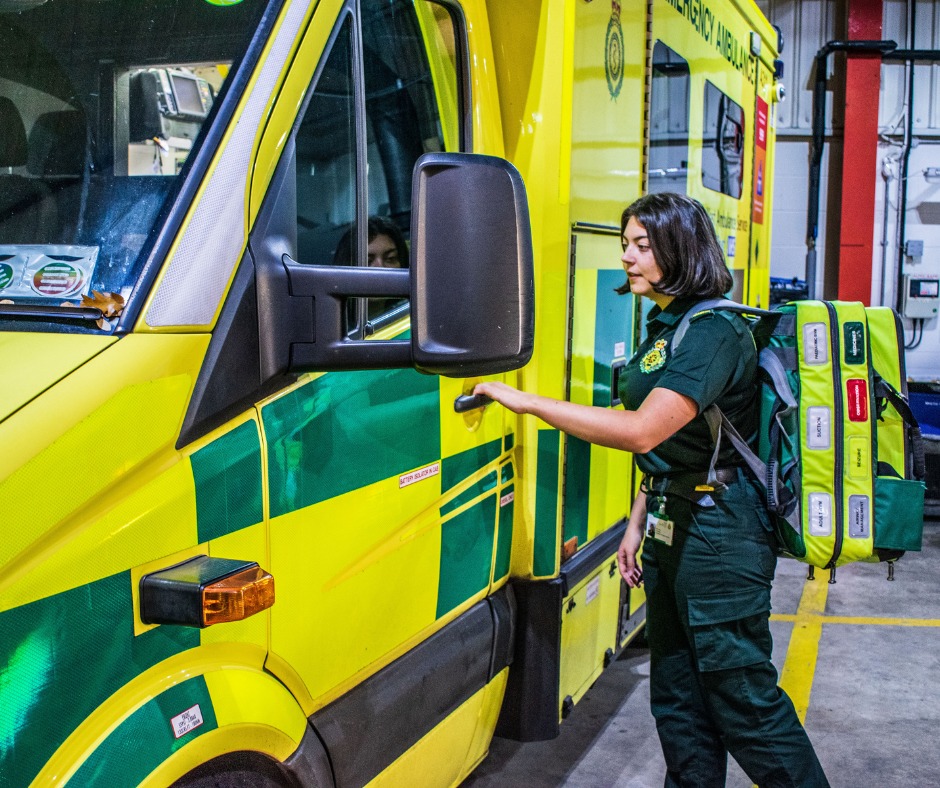
There’ll be fewer ambulances on the road and fewer call handlers answering 999 calls today / Credit: NWAS
Mr Blezard also stressed the importance that people don’t repeat-call 999 to “ask for updates on where your ambulance is”, adding that they should “only call us back if your condition has worsened or to cancel the ambulance as we need to keep lines free for other emergencies”.
ADVERTISEMENT
“We are hoping for a resolution to the dispute, but ultimately, this is a matter for the government and trade unions to settle,” he concluded.
More support is available on the NWAS website during today’s strikes.
Featured Image – NWAS
News
Hundreds of staff at four Greater Manchester hospitals to strike AGAIN next week
Emily Sergeant
Another round of strikes has been called at a handful of major Greater Manchester hospitals.
Amid ongoing disputes following the first set of strikes at the end of last month, it has now been announced that more than 350 Northern Care Alliance Foundation Trust (NCA) employees – including nurses, clinical support workers and housekeepers – who are members of the union UNISON will once again walk out for three days next week.
According to the union, the dispute centres on the NCA’s use of an outside agency called NHS Professionals (NHSP) to manage overtime.
When covering staff shortages, workers are entitled to time-and-a-half pay – however in some cases, staff earn less than they would on a normal shift, and some have even been missing out on more than £80 per shift, the union added.
Operating theatre staff were previously on picket lines in June, and although an option to resolve the row was initially tabled by NCA bosses, this has now fallen through.
Hundreds of staff at four of Greater Manchester’s hospitals are set to strike next week / Credit: Stephen Andrews (via Unsplash)
This means that staff at Salford Royal Hospital, Royal Oldham Hospital, Rochdale Infirmary, and Fairfield Hospital in Bury are walking out next week on Monday 14, Tuesday 15, and Thursday 17 September.
The union’s North West regional organiser, Kevin Dolan, said the trust had given ‘no indication’ that it’s willing to re-enter negotiations, adding that operating theatre services were ‘chronically under-staffed’ and staff were choosing to work extra shifts to cover shortages.
Ahead of the August strikes, the trust declared a critical incident to help it secure extra support and keep urgent surgery running, while also announcing that some procedures would have to be postponed.
Understandably, some disruption is expected at each of the hospitals on strike days.
But Gertie Nic Philib, who is the chief people and strategy officer at the Northern Care Alliance, said that the trust will do ‘everything we can to minimise the impact on patients’ and ‘maintain high standards of care and quality at all times.’
“We also have contingency plans in place for emergency situations,” they concluded.
Featured Image – Pxhere
News
Stockport man jailed for life after kidnapping and sexually assaulting teenage girl
Emily Sergeant
A Stockport man has been sentenced to life in prison after kidnapping and sexually assaulting a teenage girl on her way home from the library.
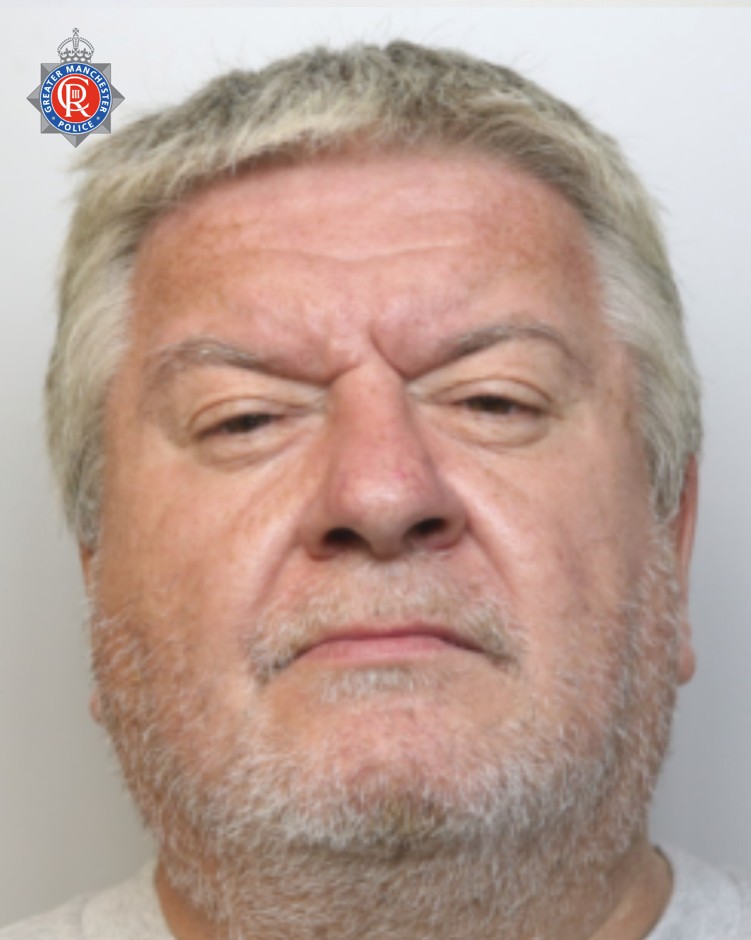
Paul Sharpe has been sentenced to life imprisonment with an eight-year minimum term in prison after being convicted of a number of offences when subjected a teenage girl to what police called a ‘terrifying ordeal’ that lasted several hours back in May 2026.
Greater Manchester Police (GMP) confirmed that the victim had been studying at Sale Library before beginning her journey home with friends at around 5:50pm and contacting her parents at 6:10pm to let them know she was on her way.
Twenty minutes later, she spoke to her boyfriend on the phone and said she was approximately five minutes away from home, but that her phone battery was about to die.
This was the last contact received from the victim that evening.
While walking along Bradgate Road in Altrincham, the victim noticed a grey Ford parked nearby and a man wearing a high-visibility jacket pressing doorbells in the area.
As she walked past, Sharpe approached her from behind, placed her in a headlock and threatened to stab her if she did not get into his vehicle.
Concerned that their daughter had not returned home, the victim’s family contacted police at 9:22pm to report her missing, and officers immediately launched an investigation to locate her.
Over the next several hours, the victim was subjected to and placed in a number of terrifying situations.
Sharpe drove the victim to several locations across Greater Manchester and Cheshire, before police located and arrested him at around 3:40am on 19 May 2026.
Following his arrested, 56-year-old Sharpe was convicted of kidnap, committing an offence with intent to commit a sexual offence, sexual assault, engaging in sexual activity in the presence of a child, threats with a bladed article, and administering a noxious substance with intent to injure, annoy or aggrieve.
“This was a terrifying ordeal for a young girl who was simply making her way home,” explained Detective Inspector Karl Perry, from GMP’s Criminal Investigation Department.
“Sharpe targeted a vulnerable victim, subjected her to hours of fear and intimidation, and went on to sexually assault her.
“The victim has shown immense courage throughout the investigation and court proceedings. Through her bravery and actions, she no doubt made it harder for Sharpe to carry out whatever acts he had planned.”

 Emily Sergeant -
20th February 2023
Emily Sergeant -
20th February 2023