Plans have been approved for the UK’s ‘first of its kind’ purpose-built majority LGBTQ+ social rent housing scheme for over 55s in Manchester.
Great Places Housing Group’s proposals for the site of the former Spire Hospital on Russell Road in Whalley Range – a brownfield site which has been vacant since the hospital was demolished in September 2019 – were approved at Manchester City Council’s planning meeting last week (26 September).
The plans for the majority LGBTQ+ ‘Extra Care’ housing scheme have been co-produced in partnership with the Russell Road Community Steering Group, Manchester City Council, and LGBT Foundation.
According to developers and the Council, this newly-approved development will be made up of 80 one and two-bedroom apartments for older people within a “high-quality sustainable building offering a safe and welcoming feel and inviting presence”.
Designed to “respect the surrounding conservation area”, the low-carbon scheme will also include several shared communal facilities too – including lounges, treatment rooms, and landscaped gardens.
ADVERTISEMENT
The site will also include a neighbouring development of 40 shared ownership homes.
Plans have been approved for a new ‘first of its kind’ majority LGBTQ+ housing scheme in Manchester / Credit: John Walding (via Great Places Housing Group)
Greater Manchester‘s Extra Care housing schemes are all about increasing the opportunities for older people to move into high-quality accommodation across our region – with all the residents at Russell Road therefore being aged 55 or over.
ADVERTISEMENT
The majority of residents at the development will also be members of the LGBTQ+ community from Manchester, and they will live alongside allies in what developers and the Council are aiming to be an “open and inclusive place of psychological safety”.
Cllr Gavin White, who is Manchester City Council’s executive member for housing and development, said the approval of the plans is “a real celebratory moment” and a “landmark development in every sense”.
He continued: “[This development] has been in the works for some years and is designed to meet a clear need for quality, social rent housing for LGBTQ+ older people to live in safety, dignity, and as part of a welcoming and supportive community.
ADVERTISEMENT
“We have helped build hundreds of Extra Care homes across Manchester in recent years to meet demand for older people to live in their later lives, many with care needs provided on site, but this is the first purpose-built LGBTQ+ majority Extra Care community in the UK”.
Work on the new development – which will be funded by Great Places, complimented by grant funding from Homes England, and the Greater Manchester Combined Authority (GMCA) Brownfield Housing Fund – will begin later this year, the Council has confirmed.
Featured Image – Manchester City Council
News
Travel warning issued as tens of thousands to descend for Manchester Half Marathon
Daisy Jackson
A travel warning has been issued ahead of the Manchester Half Marathon this weekend, with tens of thousands of runners and spectators expected to arrive in the city.
People are being urged to plan their journeys ahead of time, with significant road closures in place from the city centre as far out as Sale.
Road closures – and subsequent bus diversions – will also affect parts of Stretford, Chorlton, Trafford, and surrounding areas.
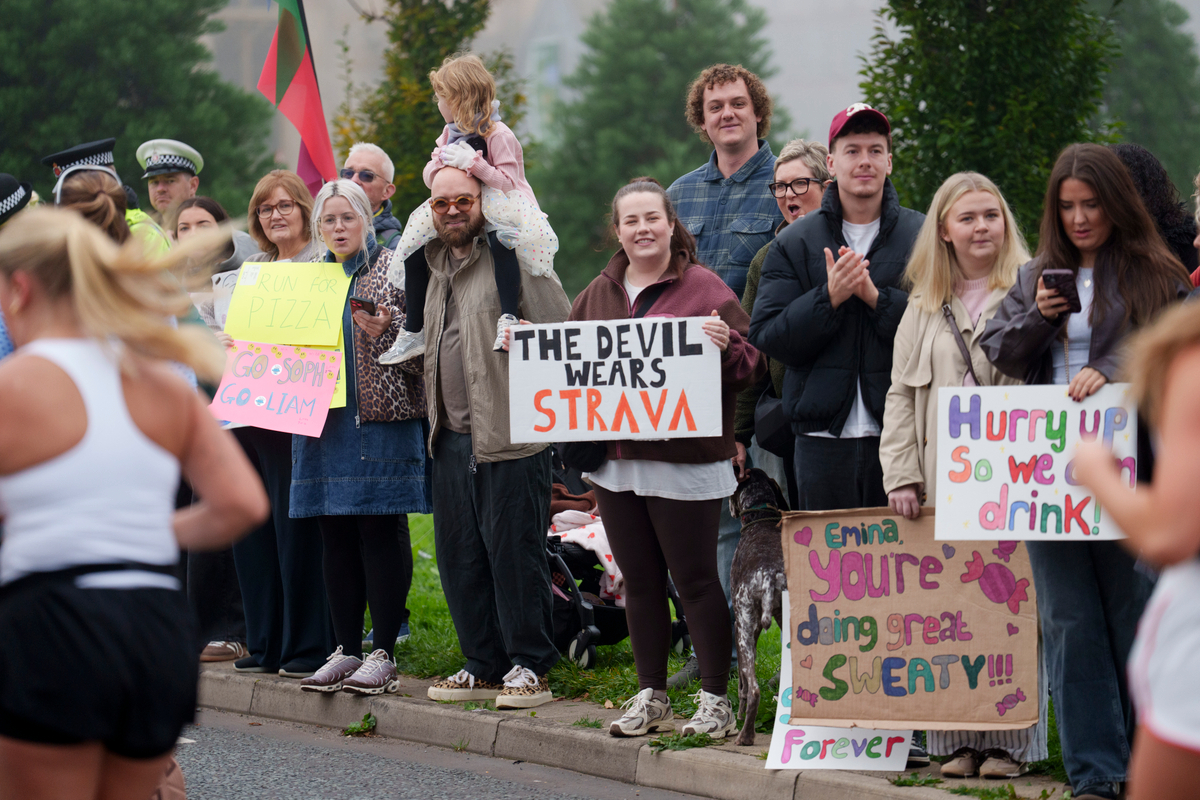
Around 32,000 people are expected to take part in the Manchester Half Marathon this Sunday, with thousands more coming out to cheer the runners on.
Transport for Greater Manchester is advising people that the Bee Network trams will be the best way to get around over the weekend.
Extra trams will be operating to provide as much capacity as possible.
Road closures and bus diversions will start on Saturday 3 October and continue until the actual race day on Sunday 4 October, lifting fully by 8.30pm.
Tens of thousands of runners and spectators will descend on Manchester for the half marathon
Earlier this year, the Manchester Marathon led to a record-breaking day for Metrolink trams, with the highest number of passengers ever recorded on a single day in the network’s history.
Whether running or cheering, people are advised to use the Bee Network app to plan their journeys and are strongly encouraged not to drive within the affected areas.
Steve Gilholme, Head of Events at Transport for Greater Manchester, said: “The Manchester Half Marathon is another one of those special occasions where the people of Greater Manchester and beyond come together, with thousands of people taking on the challenge and raising money for good causes, while many more will line the route to cheer them on.
“This does mean the city centre and especially trams will be incredibly busy so please plan ahead and give yourself extra time to make journeys.
“The Bee Network app and website will be the best places to get the latest travel information and tap and go contactless payments are the quickest and easiest way to pay.”
You can see all the road closures for the Manchester Half Marathon HERE.
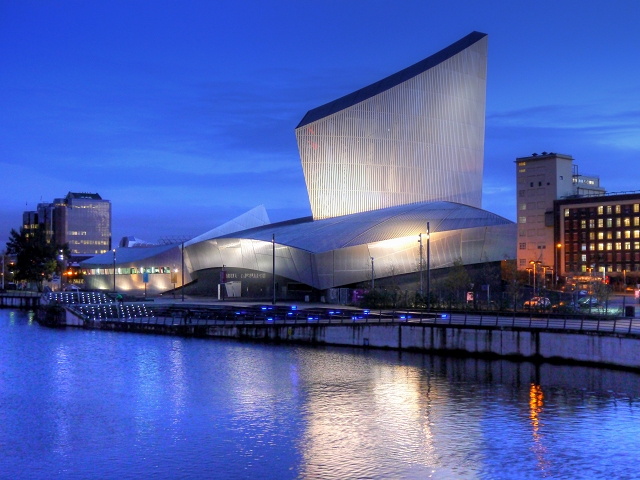
Funded by the Department for Culture, Media and Sport (DCMS), the 14 national museums of the UK are all located in England – including the Imperial War Museum North, and the Science and Industry Museum in our region – and free entry to was first introduced all the way back in 2001, with millions of visitors having benefitted since.
National museums are said to add more than £1 billion a year to the economy, and bring in visitors from all over the world.
In fact, seven of the UK’s 10 most visited museums are national museums, and 7.1 million people visited the Natural History Museum and 6.4 million visited the British Museum in 2025 alone.
The Government has announced that all national museums in the UK will remain free for everyone to visit / Credit: Science Museum Group | Wikimedia Commons
Earlier this year though, the Government committed to working with local leaders and the museum and tourism sectors to explore whether charging overseas visitors could help museums’ finances.
But following this, it’s now believed that charging could deter visitors, and that the impacts and benefits would ‘not be felt equally’ across the sector.
Instead, the free entry will be funded by the £1.5 billion Arts Everywhere Fund – which is providing £760 million for museums – while £600 million of infrastructure funding is supporting national museums and DCMS-sponsored cultural organisations.
The latter funding will be used to address critical maintenance and works to estates, and enable institutions to deliver on their commitments to share collections with visitors from around the world.

 Emily Sergeant -
30th September 2024
Emily Sergeant -
30th September 2024