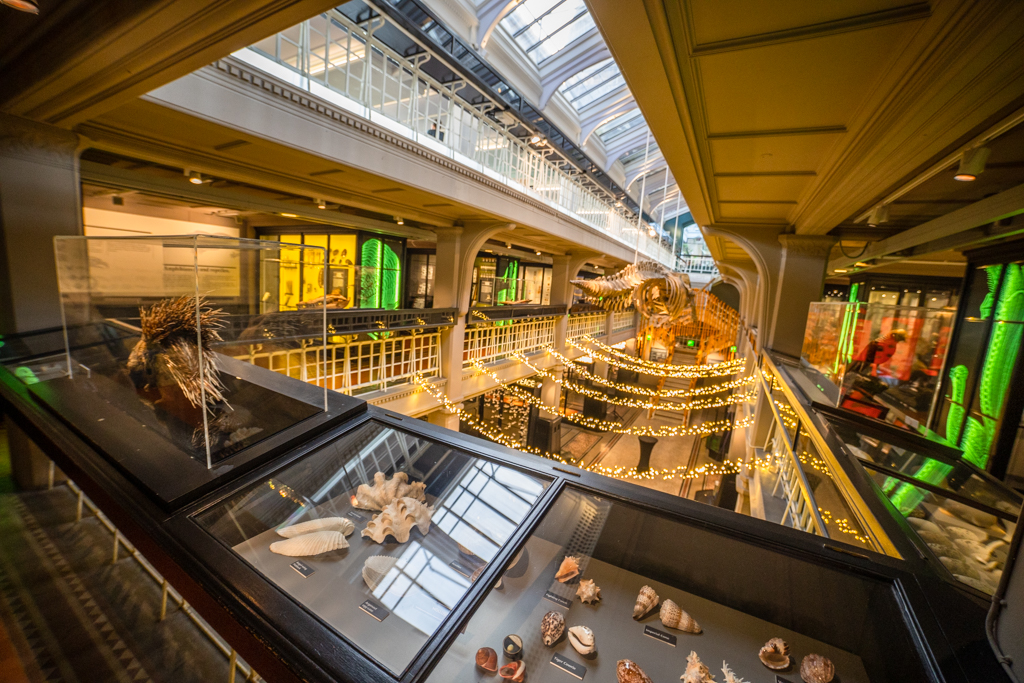
Manchester Museum has been shortlisted as one of the best museums in Europe at a special awards ceremony.
Undeniably one of the most prestigious museum awards in the world, the annual European Museum of the Year Award (EMYA) is an annual prize given to the best of the best on our continent, and for 2025, Manchester Museum – which is part of the University of Manchester (UoM) – will compete against 41 other cultural hubs.
Operated by the European Museum Forum (EMF), EMYA recognises new or redeveloped museums that showcase the best in excellence and innovation in their field.
According to the organisation, the aim of the award is to shine a worthy spotlight on museums that promote inter-cultural dialogue and community participation, demonstrate a commitment to sustainability, and show creative and imaginative approaches to the production of knowledge.
Manchester Museum has been shortlisted for the European Museum of the Year Award for 2025 / Credit: Manchester Museum
The nomination for Manchester Museum comes after its recent £15 million transformation project.
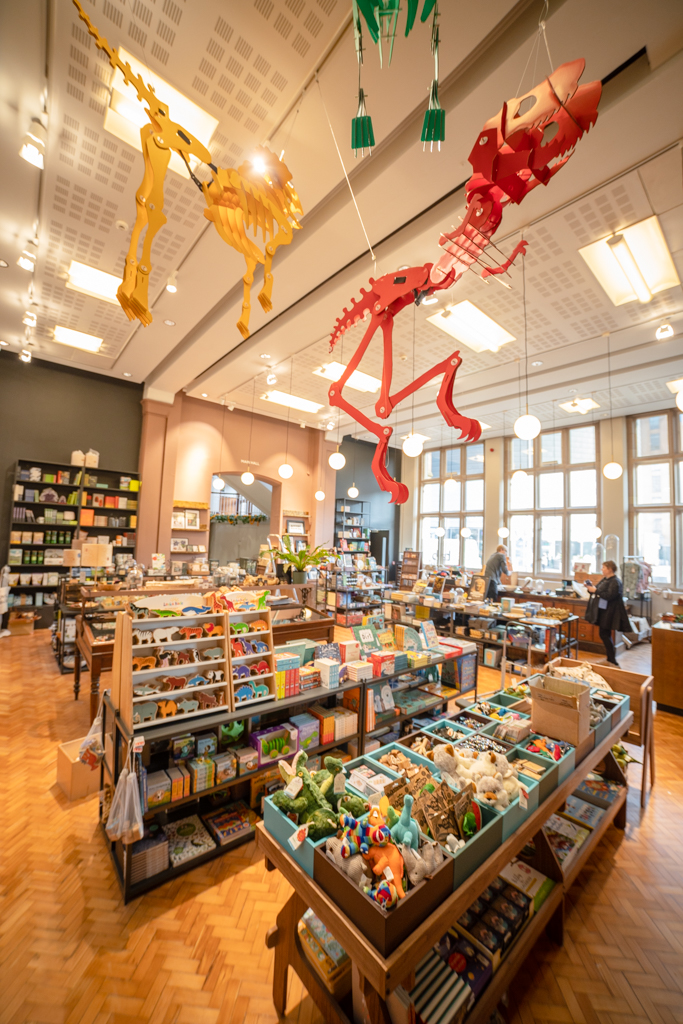
The major bricks and mortar redevelopment introduced new galleries, partnerships, visitor facilities, and sector-leading work around repatriation, restitution, and indigenisation to what was an already-important visitor attraction in our city centre, as well as the top floor being transformed into an environmental and social justice hub for environmental and educational charities to address issues affecting communities within Manchester.
“This nomination means an awful lot to the whole team at Manchester Museum, because it recognises our efforts to make this a place where everyone belongs,” explained Esme Ward, who is Manchester Museum’s Director.
“The Museum’s redevelopment was about much more than just bricks and mortar, it was about transforming our spaces and our approach to ensure we’re the museum our city and communities need us to be.”
The winner of next year’s EMYA is set to be announced in Białistok in Poland on 25 May 2025.
Aside from the main prize, there are also a number of other awards categories too – which Manchester Museum could also be in the running for.
Featured Image – Chris Bull (via Manchester Museum)
News
TfGM apologises after two weeks of major tram disruption across Greater Manchester
Emily Sergeant
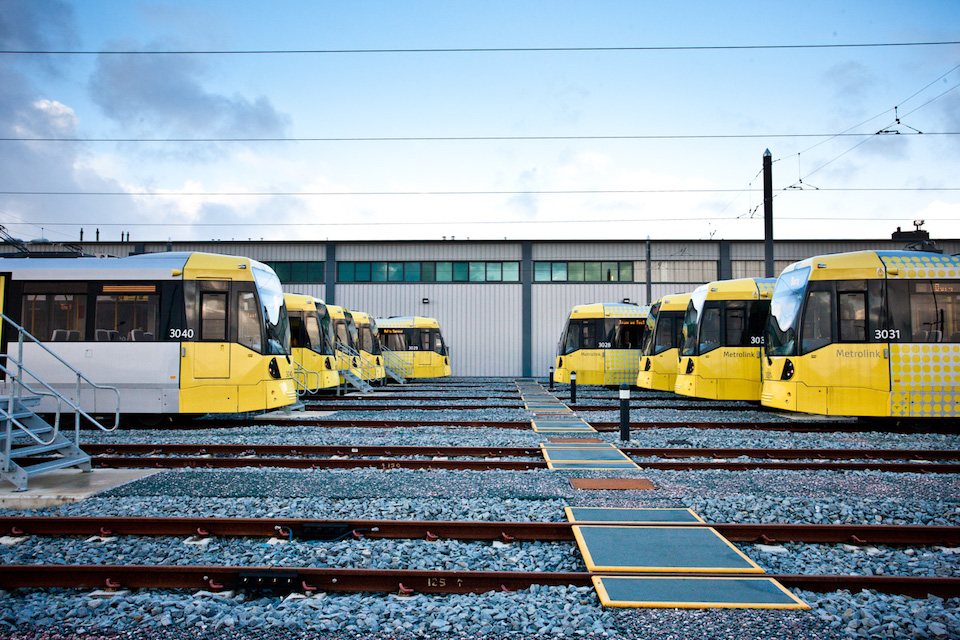
Trams have finally resumed running in Greater Manchester following two weeks of major disruption across the Metrolink network.
Tram services have resumed across the Altrincham, Eccles, and Trafford Park lines this morning (Monday 2 November) following the completion of major track replacement work between Trafford Bar and Deansgate-Castlefield, while maintenance and renewal work also took place on the Eccles line and in the city centre during the planned closure.
Engineers replaced around 4km of track on what is said to be one of the ‘busiest and most complex’ sections of the Metrolink network.
The new track will allow further speed restrictions to be lifted, as according to TfGM, around 100,000 journeys are already benefiting from journey time improvements delivered through previous phases of work every day.
It all forms part of the next phase of the ongoing £150m investment into Greater Manchester’s tram network in a bid to make it ‘safer’ and ‘more resilient and reliable’ for years to come.
✅ This morning, tram services have resumed on the Altrincham, East Didsbury, Eccles, Manchester Airport and Trafford Park lines.
We thank customers for their patience and understanding while these works took place.
↪️ A small service change remains in place through the city centre until the end of service on Wednesday 4 November.
Until then, trams on the Bury – Altrincham, and Victoria – Manchester Airport lines will divert via Exchange Square. Customers may need to change trams to reach Shudehill or Market Street.
👉 Find out more: https://t.co/Vm08ZEDUq4
With services now back up and running, Transport for Greater Manchester (TfGM) has issued a statement apologising for disruption.
Ian Davies, who is the Network Director for Metrolink at TfGM, commented: “This was an essential piece of engineering work on one of the busiest parts of our tram network and will help keep services safe, reliable and fit for the future.
“We’re sorry for the disruption and I’d like to thank passengers, residents, and businesses for their patience while we got on with the job.
“The upgrades mean customers will benefit from smoother journeys and allow us to lift further speed restrictions on this section of the network. It will help speed up our journeys and improve reliability for everyone who uses our network.
“Completing work of this scale on time is a significant achievement and I’d like to thank everyone involved for getting it done safely and efficiently.”
Featured Image – TfGM
News
Only two arrested after day of ‘peaceful’ protests in Manchester city centre over the weekend
Emily Sergeant
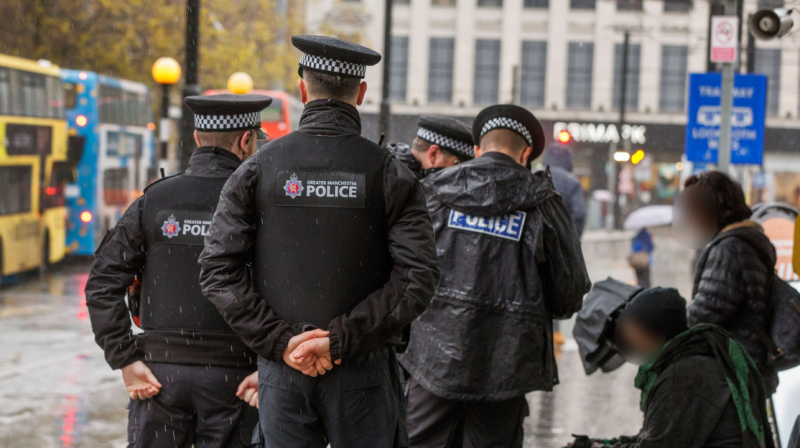
Only two arrests were made following a day of far-right protests and counter demonstrations in Manchester city centre over the weekend.
Greater Manchester Police (GMP) said the day passed ‘peacefully’, with smaller numbers of people arriving than expected.
‘Significant’ police resources were in place throughout the day (Saturday 31 October) in order to safely facilitate the demonstrations – which saw an estimated 400 protestors and counter protestors gather around the Albert Square area of the city centre.
The police say they ‘attempted’ to work closely with organisers to ensure people could protest safely, all while wider disruption was kept to a minimum.
Increased ‘stop and search’ powers under Section 60 of the Criminal Justice and Public Order Act 1994 were put in place in the city centre to help keep the public safe, but the vast majority of people both sides caused no issues for officers.
Only two people were arrested, but they were later released without charge.
One man was arrested on suspicion of possession of an offensive weapon, and one male counter-protester was arrested on suspicion of robbery following an incident unrelated to the events.
“Our policing operation was designed to balance the right to peaceful protest with the need to keep the city centre safe and moving for everyone else,” commented Assistant Chief Constable, Mark Dexter.
“We also have had to ensure our plans were flexible and resilient so that any ‘flash protests’ in other areas of the city could be dealt with quickly, to minimise disruption and risks to safety in our communities. This plan continues into the remainder of the evening.
“As a result of extensive preparation and the work of officers and partner agencies throughout the day, both groups of demonstrators were able to exercise their rights safely, and we saw no significant disorder.”

 Emily Sergeant -
28th November 2024