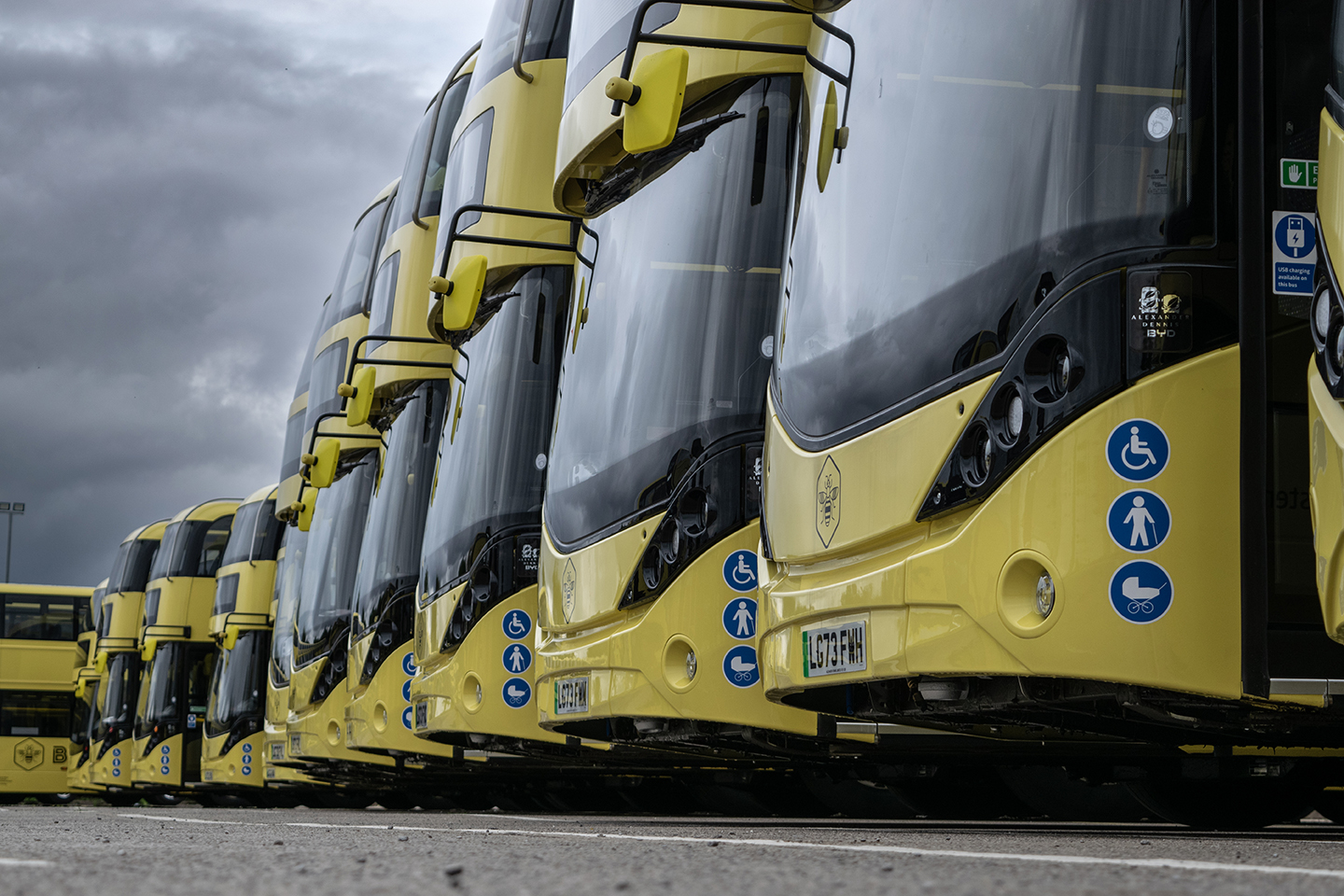
Further disruption is expected as even more bus strikes have been announced across Greater Manchester this autumn.
It comes after the strikes set to place this month from 19 to 22 September were announced a couple of weeks back, and now a second round will take place towards the end of this month and going into early October.
In case this is the first you’re hearing of the upcoming industrial action, 2,000 workers who are employed by Stagecoach, Metroline Manchester, and First Bus Rochdale – all of which are firms among those that make up the bus part of the Bee Network – are due to walk out in a co-ordinated strike amid an ongoing pay dispute.
Unite the Union says all the firms are ‘highly profitable’ and it’s therefore ‘disappointing’ that workers are being denied a fair wage.
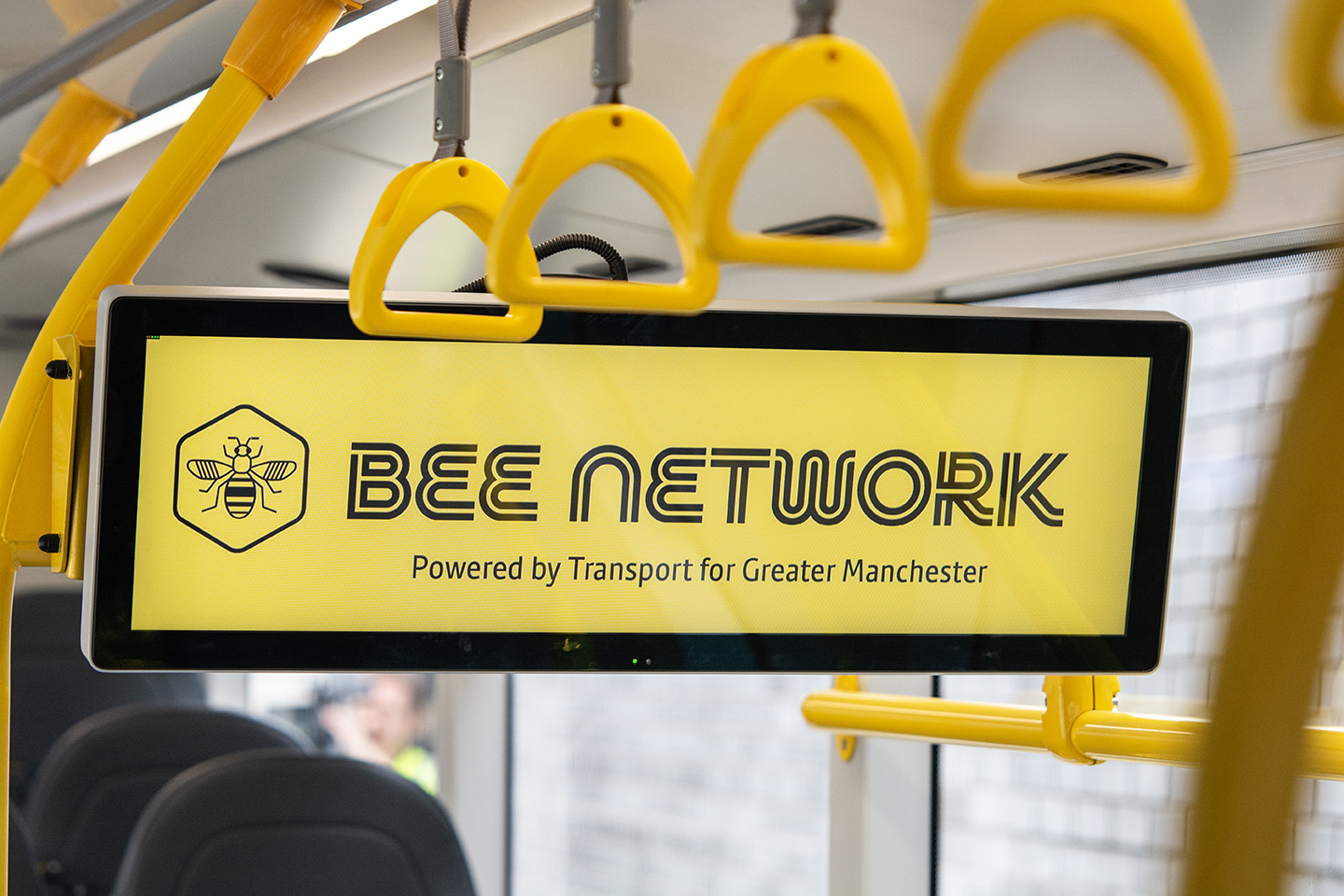
More strikes have been announced on the Bee Network this month / Credit: TfGM
At Stagecoach, around 1,000 drivers based across the Oldham, Stockport, and Middleton depots have rejected a pay offer of 3.5%, and 1,000 Metroline Manchester members will also do the same after turning down an ‘unsatisfactory’ below-inflation pay offer.
ADVERTISEMENT
Workers at both Metroline and Stagecoach believe the offer doesn’t address years of low pay they’ve recieved, especially given the ongoing cost of living crisis.
Then, over at First Bus Rochdale, 110 members have rejected this year’s pay offer of 6%, as they feel this does not go far enough to address the fact they’ve had years of being paid less than their counterparts at other companies, and are still the lowest paid in the region.
ADVERTISEMENT
Stagecoach, Metroline, and First Bus Rochdale, part of First Group PLC, are all firms which have seen a rise in profits in recent years.
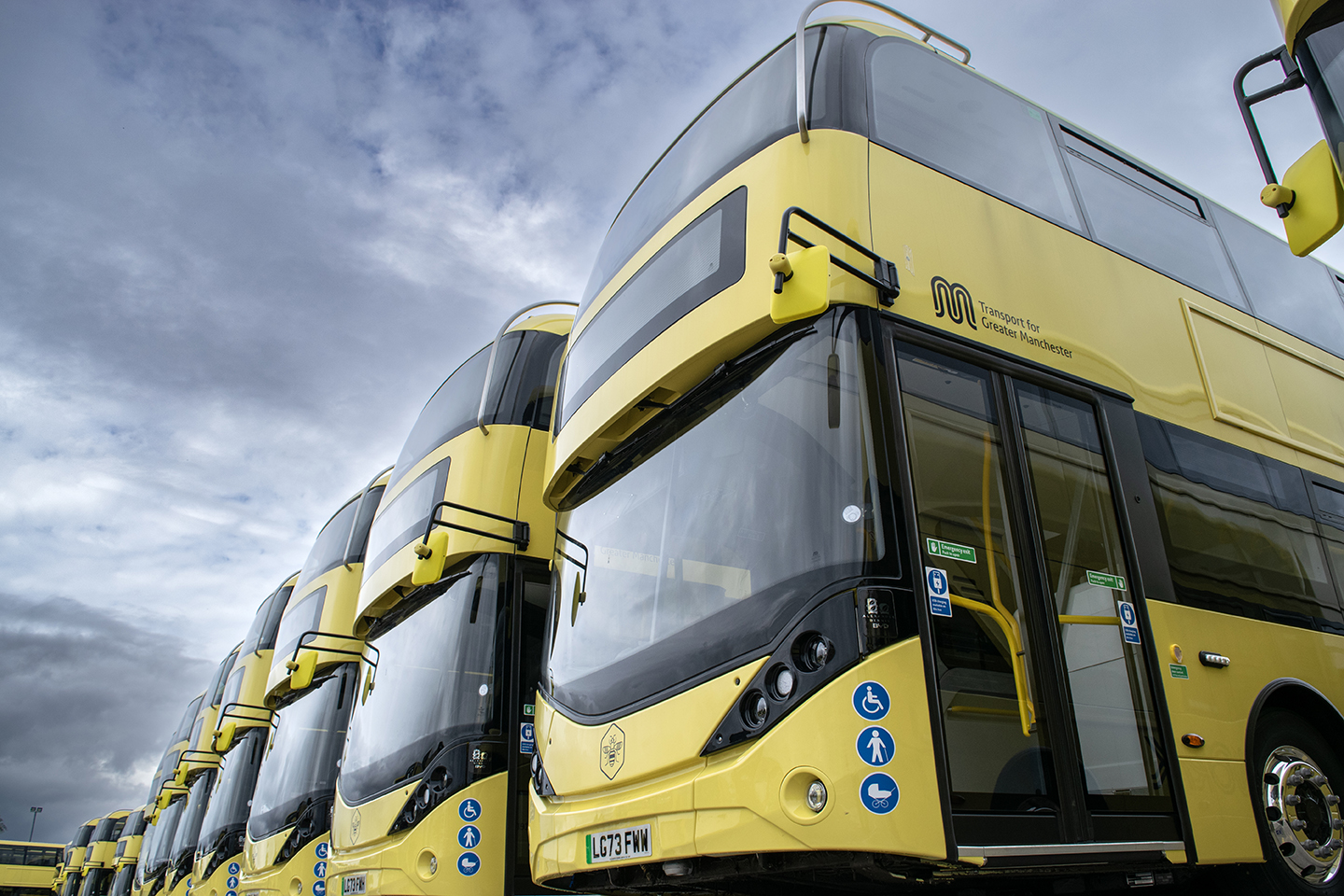
2,000 drivers are set to stage strike action over two different periods / Credit: TfGM
The second round of strikes will now take place from from 30 September to 2 October.
Speaking ahead of both sets of upcoming strikes, Unite General Secretary, Sharon Graham, said: “These companies are very profitable but are putting greed over their hardworking members of staff.
ADVERTISEMENT
“Further strike action will be extremely disruptive, however this is a dispute entirely of the bus companies’ making and they could solve it easily by coming back with a better deal.
“Our members involved in the dispute have Unite’s complete support.”
Unite Regional Officer, Colin Hayden, added: “The strikes this week as well as the further action we have called will cause travel chaos in Greater Manchester. However, it is entirely the fault of the employers involved, who have failed to address the issue of low pay and reward their staff accordingly.
“Unite is not afraid to escalate to more strikes, which will only intensify going forward.
“It is time for the employers to make an offer that is acceptable to our members to resolve this disruption.”
Featured Image – TfGM
News
Sara Cox tipped to replace Scott Mills for Eurovision 2026
Danny Jones
Greater Manchester’s very own Sara Cox is reportedly set to replace Scott Mills at the 2026 Eurovision Song Contest following his sacking from the BBC.
Mills was axed by the news and entertainment corporation on Monday, 1 April, for ‘misconduct’, which has now been revealed to involve a historic relationship with a boy aged under 16.
While the fallout surrounding Scott Mills is only just beginning, the task of finding his replacement in multiple roles has already begun – though it looks like one may have already been decided.
Now reported by multiple outlets, it appears as though Bolton-born Sara Cox is first in line to pick up Mills’ co-hosting duties for this year’s Eurovision show.
Having already been involved with coverage of the event on multiple ocassions in the past, it now appears that she’ll be in post for the Grand Final too.
As a long-standing radio and TV staple, it only takes a quick look at social media to see how much backing she has already received in the past, with a post from last year reading, “Great to have Sara Cox back commentating on Eurovision“, and others from over a decade ago praising her past presenting.
In fact, it might not end just here either, as many are already calling for her to replace the 53-year-old breakfast show host.
From her days as a Radio 1 favourite to becoming a BBC mainstay across the board, her popularity only seems to have grown over the last decade, especially thanks to her charity fundraising efforts.
While an official announcement is yet to be made, the feeling is that it is all but confirmed for her to take over from Mills as part of the Eurovision commentary team.
As for the now vacant early morning slot on BBC Radio 2, the likes of Claudio Winkleman, Vernon Kay, fellow Manc Nick Grimshaw, the aforementioned Rylan, and several others have all been floated as potential stand-ins/future full-time hosts.
Do you think both should be given to Sara Cox, and if not, who would you like to see replace Scott Mills?
Millions of UK workers to get pay rises from today as National Living and Minimum Wage increases
Emily Sergeant
Millions of workers across the UK are set to begin receiving substantial pay rises from today.
After the Government announced back in November that it would take the recommendations made by the Low Pay Commission, and increase both the National Minimum Wage and National Living Wage, those changes have now come into force in a bid to ensure people on lower incomes are ‘properly rewarded’ for their work.
If you’re unfamiliar with the Low Pay Commission, it’s an independent body made up of employers, trade unions, and experts whose role is to advise the Government on the minimum wage.
As mentioned, the rate recommendations introduced today were agreed unanimously by the Commission.
This means that the living wage, for eligible workers who are aged 21 and over, has now risen by 4.1% from today to £12.71 an hour.
For a full-time worker, that means a pay increase of £900 a year.
Millions of workers in the UK are getting pay rises from today / Credit: John Kakuk (via Unsplash) | Pexels
The National Minimum Wage rate for workers aged 18 to 20-year-olds has also increased today by 8.5% to £10.85 an hour, and then for 16 to 17-year-olds, and those on apprenticeships, the rate has increased by 6% to £8 an hour.
“The recommendations we made last autumn sought to balance the need to protect the economy and labour market, whilst providing a real-terms increase for the lowest-paid members of society,” commented Baroness Philippa Stroud, who is Chair of the Low Pay Commission.
“A lot has changed since we gave our advice to the Government last autumn, and we are now beginning to gather evidence for recommendations later this year.
“The current economic uncertainty makes it essential that the Commission hears from those affected by the minimum wage and builds consensus for evidence-based recommendations.
Workers aged 21 and over are now legally entitled to the National Living Wage after the age threshold for the highest rate was lowered from 23 in 2024.
National Minimum Wage rates are available to workers aged 16 upwards.