The Krogers: Who were the suburban Soviet spies living right under our noses?
A Russian couple’s infiltration of British intelligence in the mid-20th century has been described as one of the ‘most damaging’ in history. But who were the couple responsible?
1950sis often referred to as a ‘golden period’ for Britain – a time of peace, prosperity and progression.
At the midpoint of the 20th century, things were generally looking up. The Second World War was over. Rationing was in its last leg. Employment rates and standards of living were on the rise. And there seemed to be exciting new things happening everywhere – from the Coronation of Queen Elizabeth II to the construction of higher-quality neighbourhoods and high-speed roads known as motorways.
But as Britain remained preoccupied and distracted during a pivotal period of irreversible change, some of the country’s biggest secrets were being pickpocketed and sent 3,500 miles around the world.
When the culprits were found and revealed in 1961, the UK was stunned. They were the last people many would have suspected.
In 1954, married American book dealers Peter and Helen Kroger became the new neighbours on the block on Cranley Drive on Ruislip. No one batted an eyelid. With the exception of the couple’s transatlantic roots, there appeared to be very little exotic about them.
ADVERTISEMENT
And that was exactly the idea.
For years, the Krogers successfully blended into British life whilst smuggling top-secret British intel to the Soviet Union as part of an espionage mission which became known as the ‘Portland Spy Ring’.
ADVERTISEMENT
An article in The Daily Mirror from 1961 covering the scandal / Image: Ruislip.co.uk
After arriving in the UK as undercover agents in the mid-50s, the Krogers (real names Morris and Lona Cohen) chose a bungalow not too far from a military base – hoping that powerful signals would distort their transmissions back home.
The duo then spent the next few years communicating messages to other members of a spy ring via radio (which they hid below their kitchen floor) and tiny dots – which were decoded by magnifying glass or special microdot readers and lenses.
The Krogers also possessed a high-speed tape sender that would transmit morse code in rapid bursts in an attempt to avoid detection.
ADVERTISEMENT
Espionage equipment was even tucked away inside their cigarette lighter.
MI5 uncovered the spy ring in 1961, arresting the Krogers along with three others suspected of stealing precious intelligence info.
When the story of the scandal finally broke in the press, it shook the UK to its core.
The Krogers were brought to trial and sentenced to 20 years in prison in total (10 years each), with co-conspirators Harry Houghton, Ethel Gee, and Gordon Lonsdale also receiving lengthy prison terms for their respective roles in the spy ring.
In 1969, the duo were released early as part of a ‘spy swap’ with Russia for Gerald Brooke – a British man who’d been imprisoned in 1965 for distributing anti-Soviet leaflets in the USSR.
ADVERTISEMENT
The Krogers were flown back to Russia first class and hailed as heroes upon their return – with Soviet stamps issued in their honour.
Both passed away in the 1990s.
MI5 found espionage equipment hidden in the Krogers’ bungalow in Ruislip / Image: Science & Industry Museum
More than 60 years since their capture, the Krogers remain shrouded in mystery.
Whilst their infiltration became public knowledge in 1961, the world still hasn’t been told the whole tale – and many of MI5’s files on the couple (and the wider spy ring) remain hidden from public view to this day.
What we do know, however, is that the Krogers played a key role in one of the most alarming security breaches in British history – one so serious it prompted MI5 to retrain staff once the case was cracked.
ADVERTISEMENT
An entire exhibition is dedicated to this remarkable episode as part of Manchester Museum of Science & Industry’s new event: Top Secret: From ciphers to cybersecurity.
The event invites ticket-holders to take a tour through a typical 1950s home like the one belonging to the Krogers, and learn incredible facts about their covert lifestyle along the way.
Walking through the replica property and past the floral wallpaper, visitors will find newspaper clippings and framed photos revealing The Krogers as an extraordinary duo who posed as un-extraordinary people – causing ‘significant damage’ in the process.
More information on The Krogers, the Portland Spy Ring, and the history of UK cybersecurity (including Alan Turing’s role at Bletchley Park) will soon be on display at the Science & Industry Museum.
The Top Secret exhibition will reopen to the public on May 19.
Science and Industry Museum announces programme of FREE ‘spooktacular’ October half term activities
Emily Sergeant
One of Manchester’s best museums has announced a programme of free ‘spooktacular science’ activities for October half term.
With half term right around the corner and Halloween not far off either, it won’t be long before parents and carers are looking for ways to keep little Mancs occupied… luckily, the Science and Industry Museum has got you covered.
With only a few weeks to go until schools in Greater Manchester are out for October half term, the massively popular museum in the heart of Manchester city centre has unveiled a jam-packed lineup of free events.
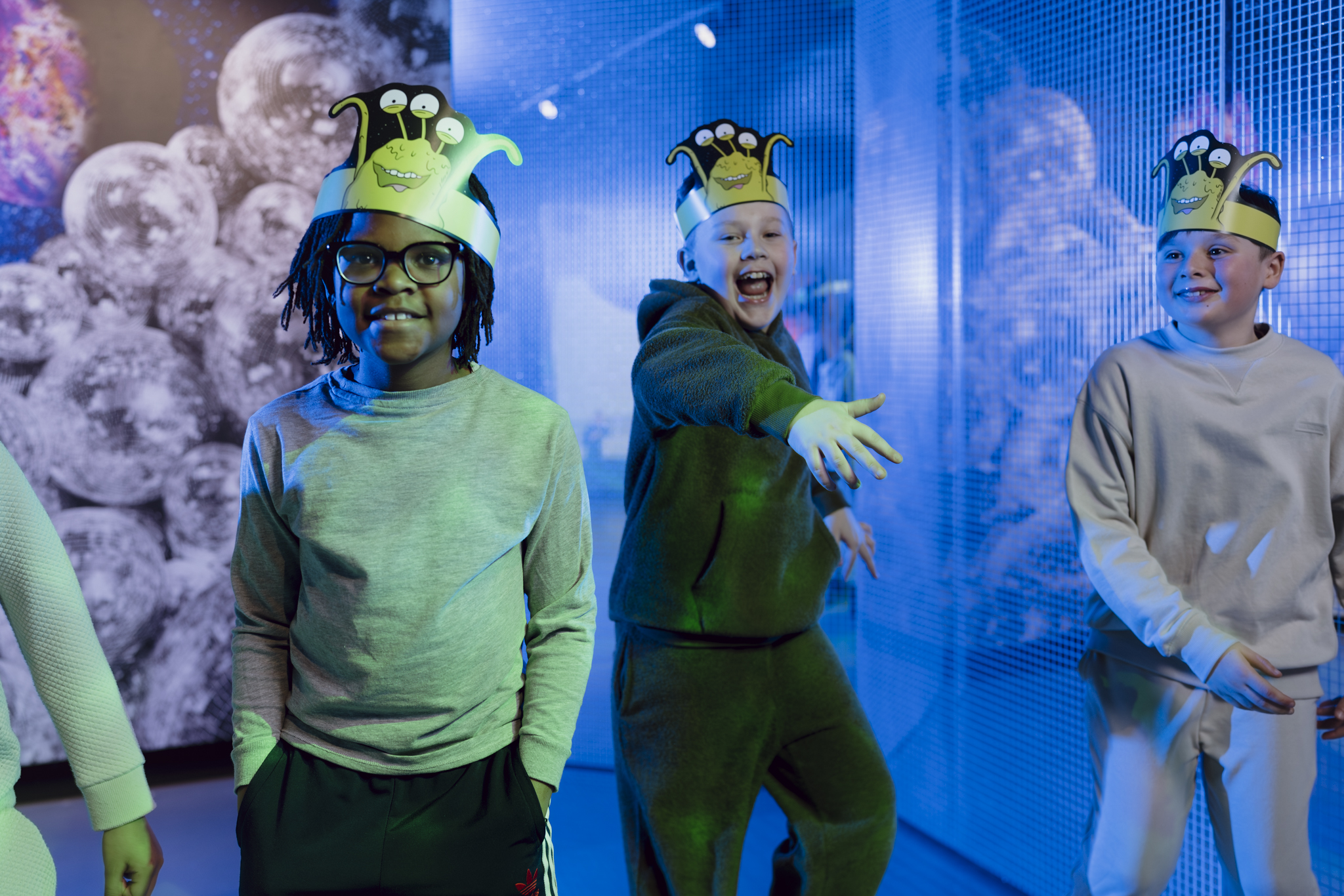
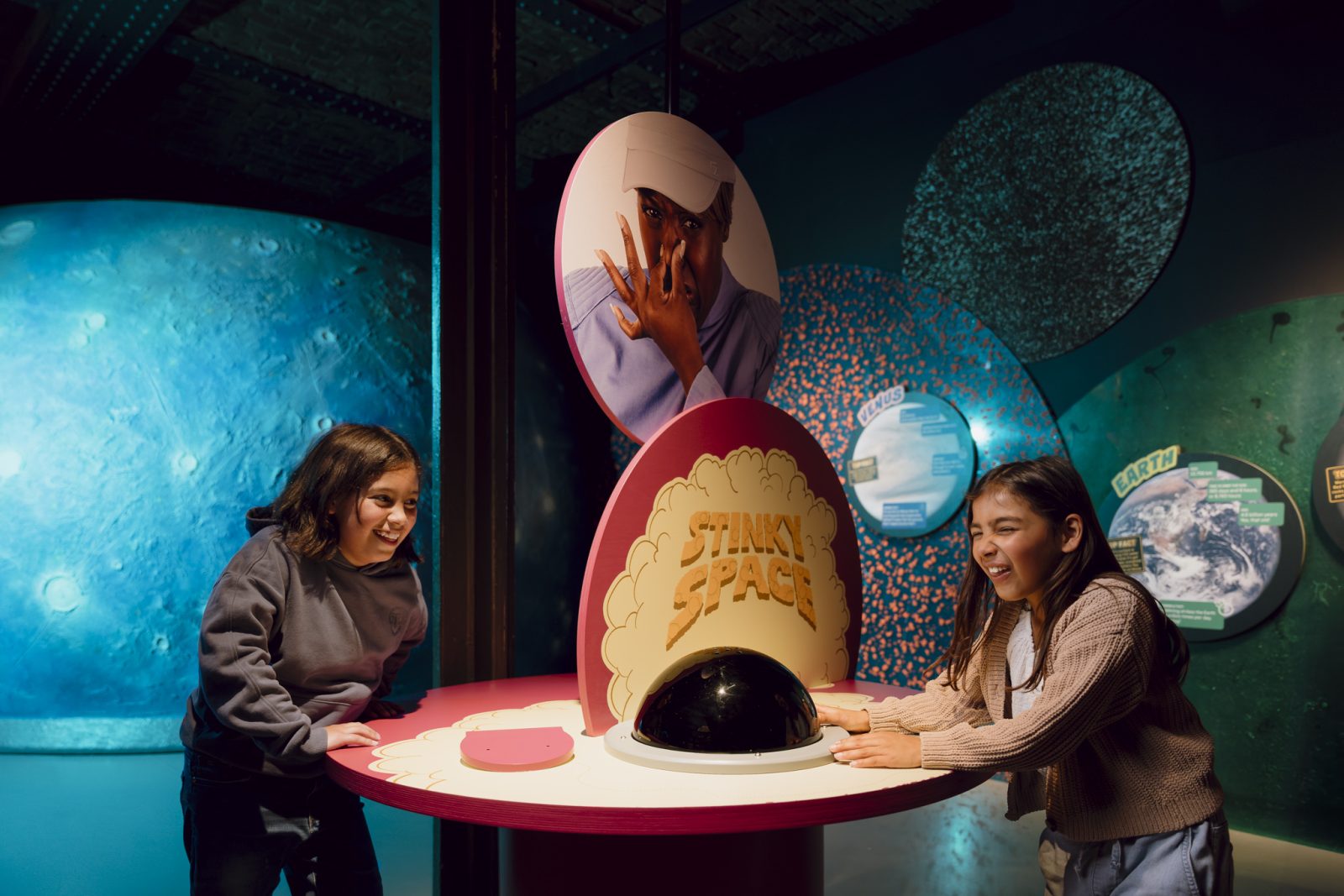
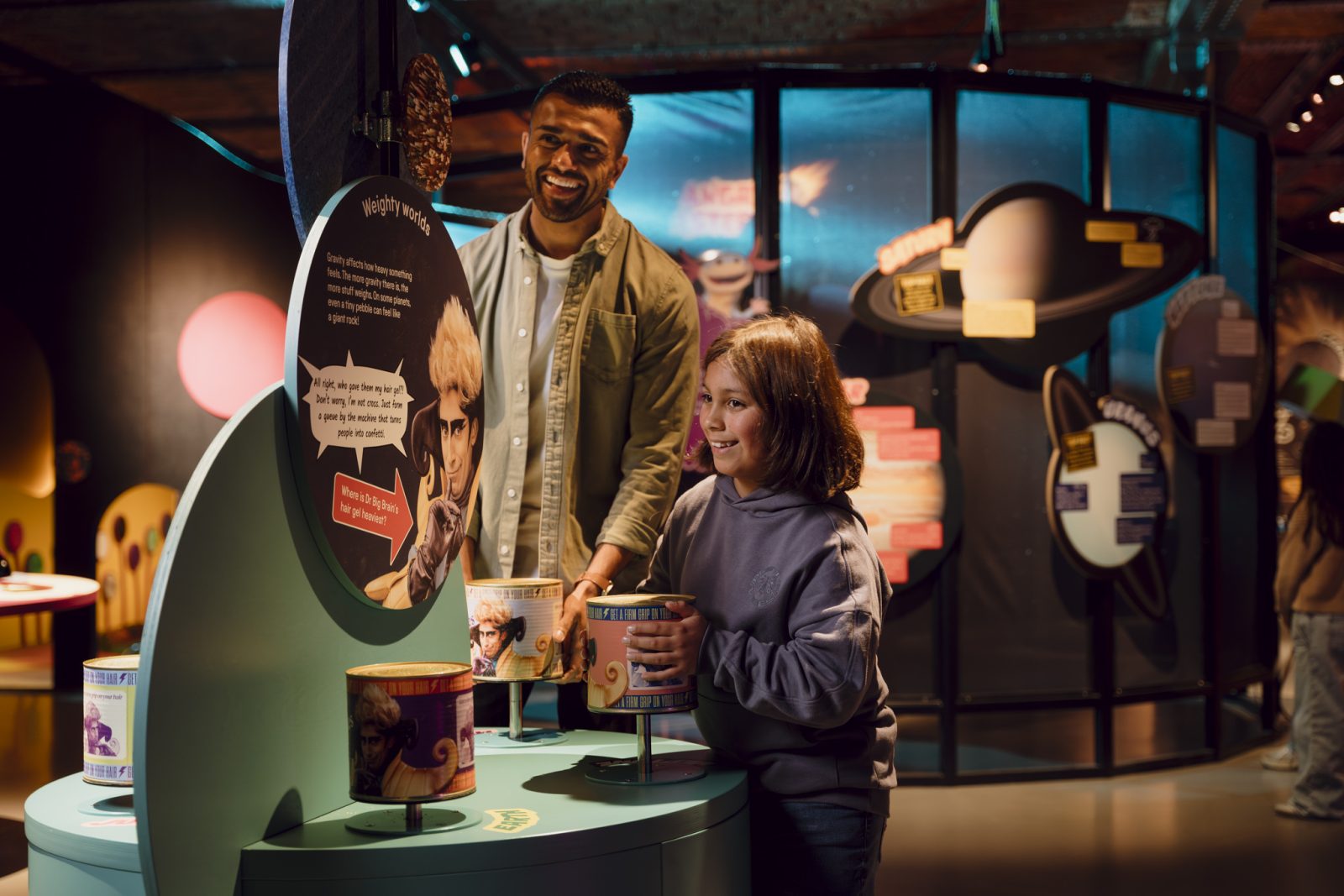
Families are being told to get ready for ‘spooktacular’ science, hands-on activities, and loads of interactive fun, all inspired by the popular Horrible Science: Cosmic Chaos exhibition.
You can storyboard and then animate your own extra-terrestrial character inside the Animation Studio, let your imagination run wild and design your own alien species, or even go on a galactic treasure hunt around the museum and build your own interstellar spaceship with a giant rocket building kit.
Manchester’s Science and Industry Museum has announced a programme of free ‘spooktacular’ October half term activities / Credit: Science Museum Group
In the mornings, you can take a break from your cosmic adventures and enjoy family-friendly sci-fi screenings in Revolution Manchester.
You’ll also then be able to put your skills to the test with classic space-themed games on the big screen every day in the afternoon.
And don’t forget, this half term is your only chance to meet Albert Slime-stein – a larger-than-life monster who’ll be popping up in the Upper Yard as part of the annual Halloween in the City MCR Monsters trail.
If you’re planning on visiting on actual Halloween day itself, then the museum is inviting you to come dressed in your best costume so you can get properly stuck into all the spooky fun.
The unveiling of the October half term events programme comes after the museum also announced that its popular adults-only ‘after hours’ event would be returning for one night only later this month, also with a Halloween twist.
Museum After Hours is happening on Thursday 29 October from 7pm-10pm, with tickets setting you back £12 each or £6 for concessions. Find out more here.
Science and Industry Museum’s October Half Term Programme is running from 24 October to 1 November. Entry to the museum (except the exhibitions) is free of charge, but it’s advised that you book your admission in advance, as it’s expected to be busier than normal.
Featured Image – Drew Forsyth (Science Museum Group)
Art & Culture
Queer Up North launches digital archive full of visual art and more from legendary Manchester festival
Lydia Mastrolonardo
A new digital archive documenting the legendary Queer Up North festival has launched this month.
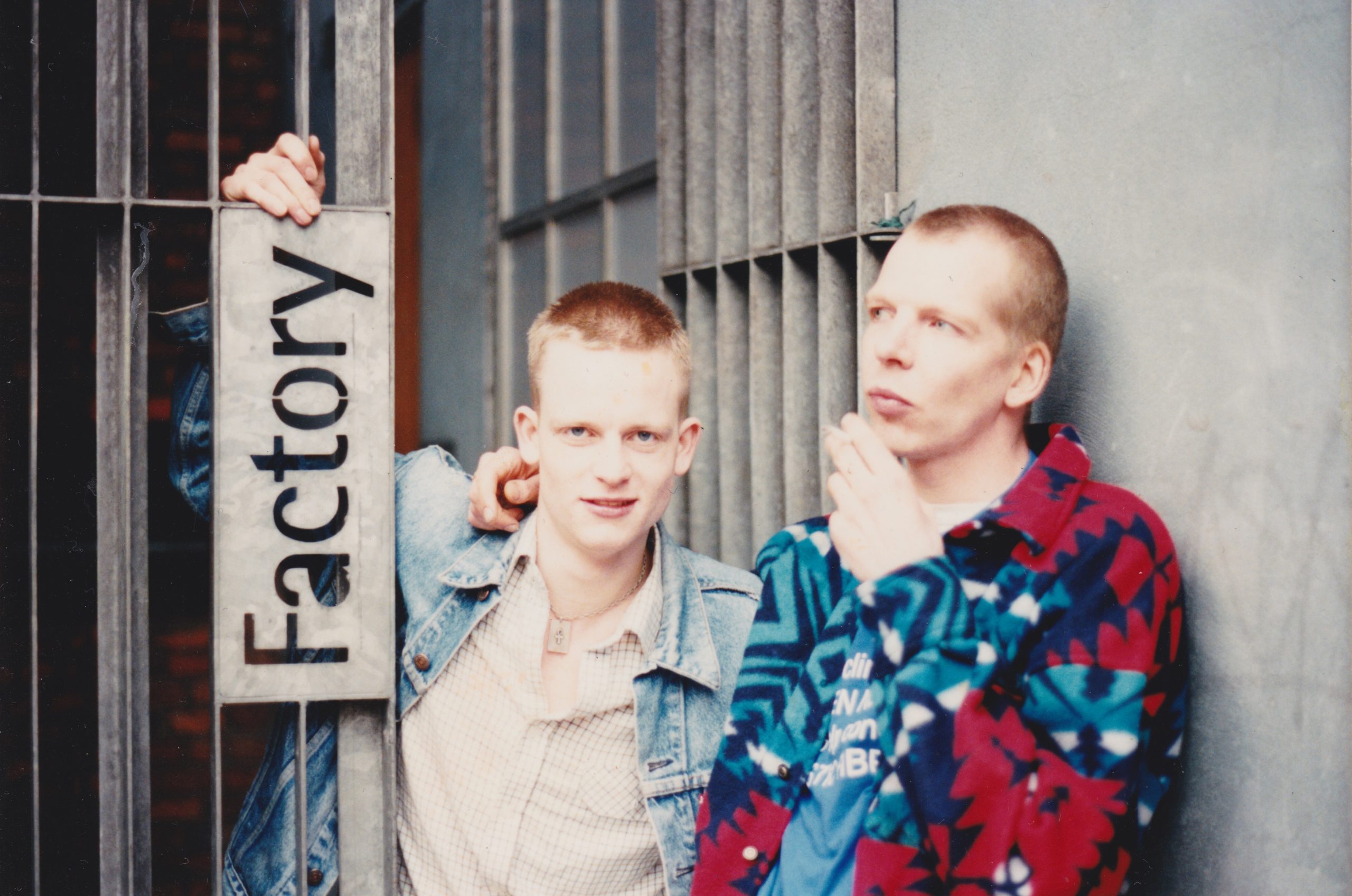
Running for an illustrious decade from 1992 to 2002, Queer Up North was the first multi-artform LGBTQ+ festival in Europe, but its significance has extended far beyond the arts as a beacon for queer culture, and is largely described as being one of the most pioneering and influential festivals ever.
From the very start, Queer Up North had an international standpoint – gaining support and recognition from much further afield as well as here in Manchester.
The festival emerged during a period where Manchester’s queer communities were navigating new ways to gain visibility and to create culture on their own terms.
It played a central role in uniting artists, performers, audiences, and venues – helping to establish Manchester as an international destination for LGBTQ+ arts and culture.
The newly launched digital archive shares materials from the iconic festival’s history, making them easily accessible to the public online for the first time, and for free.
The curated collection features 1420 images, 275 artefacts, and 29 oral histories revealing amazing stories about the people, performances, art, club nights, cabaret, and comedy that all helped to shape culture in Manchester during the 90s.
It offers a chance to explore a pivotal decade of Manchester’s history and understand how a generation of artists, performers, and audiences created a whole host of new opportunities for the Mancunian queer community.
Queer Up North launches digital archive full of visual art and more from legendary Manchester festival / Credit: Jonathan Keenan (Supplied)
It also facilitates a platform for new work, inspired by the legacy of Queer Up North, with founders emphasising that its purpose is as much about the future, as it is the past.
Tanja Farman and Gavin Barlow, founder-directors of Queer Up North shared: “The festival set out to be pioneering, innovative, international and inspirational, and looking back 34 years later, is it incredibly exciting to see that history preserved and celebrated.
“The Queer Up North Archive ensures that the creativity and contributions of LGBTQ+ artists and communities are remembered, while opening up their work and stories to a new generation.

 The Manc -
7th May 2021
The Manc -
7th May 2021