Whenever anyone thinks of the Suffragette movement, particularly in Manchester, one of the first names to come to mind is Emmeline Pankhurst.
Her story is well known – a girl from Moss Side, born into a politically active family, was introduced to the suffrage movement aged just 14 and ultimately helped British women to win the vote and create historic change.
The Pankhurst’s name today is synonymous with women’s suffrage, as are the Kenneys of Saddleworth.
But in the early years of the suffragette movement, before it had a name and was just a few pesky women making some political noise, there was another figure – oft-forgotten – who inspired the women around her to make history.
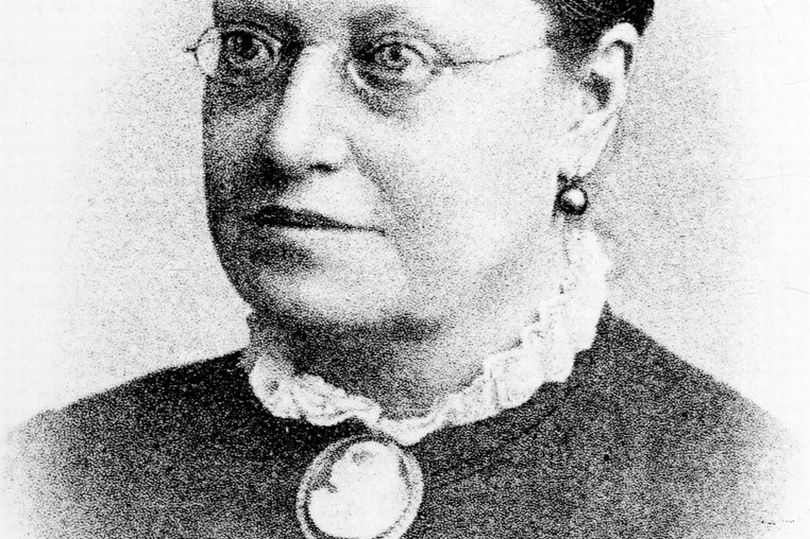
Her name was Lydia Becker and she hailed from Accrington.
Born in 1827 to a large middle-class family, as a young girl Becker was home-schooled alongside her siblings and took a big interest in nature and botany.
She often wrote to Charles Darwin with questions and the two developed a friendly correspondence, with Lydia sometimes sending him samples of plants from around Manchester to study.
ADVERTISEMENT
But as well as growing into a noted botanist, as a young woman she was fascinated by politics and got involved in the suffrage movement at a very early stage.
Having studied in great detail the reproductive science of plants, in particular the bisexual and hermaphrodite species, she soon turned her mind to the gender politics of society.
Inspired by a fellow sister scientist, Barbara Bodichon, who had published a paper entitled The Enfranchisement of Women in 1866, Lydia moved to found the Manchester Women’s Suffrage Committee – the first of its kind in the country.
Not much time after founding her committee, Lydia heard about a local woman – a widow – whose name had appeared by accident on an electoral roll. Sensing an opportunity, she and Lily Maxwell went to the polling station together and demanded she be allowed to cast a ballot. She was, and it caused a ruckus.
Spurred on, soon enough Lydia was encouraging all female heads of household to do the same – and was ultimately instrumental in bringing their petitions to court.
The following year, she was one of the central organisers and speakers at the first-ever meeting of the National Society for Women’s Suffrage and soon found herself undertaking speaking tours across the country.
This was years before the Pankhursts and at a time when it was completely unheard of for women to get involved in politics in any way. To even suggest that a woman should vote in elections was to completely put yourself out on a limb.
Simply put, politics was for men – it was not considered ‘ladylike’ for a woman to stand up in a public place and spout her opinions. Lydia didn’t let this put her off, though.
She simply ignored the naysayers (and there were a lot of them) and kept on going on her tours up and down the country after forming the Women’s Suffrage Journal in 1870, alongside Jessie Boucherett.
At one of these meetings in 1874, there was a young girl sitting in the audience. A fifteen-year-old Emmeline Pankhurst, who from that day forward would be completely committed to the cause after hearing Lydia speak.
As the movement began to gather pace, one thing that set Lydia apart from her counterparts was her ardent support for the vote of single and unmarried women. These women, she argued, were more in need of the vote than their married counterparts (who ultimately secured the vote first in 1918).
It was a point on which she and Emmeline Pankhurst were to disagree, but just as with everything else, Lydia stuck to her guns on her opinions – no matter what ridicule she faced. And there was a lot.
Just as women today who speak or act out against the status quo are often maligned (Jameela Jamil springs to mind, but there are many more), Lydia was subject to merciless teasing – particularly from politicians and the press.
ADVERTISEMENT
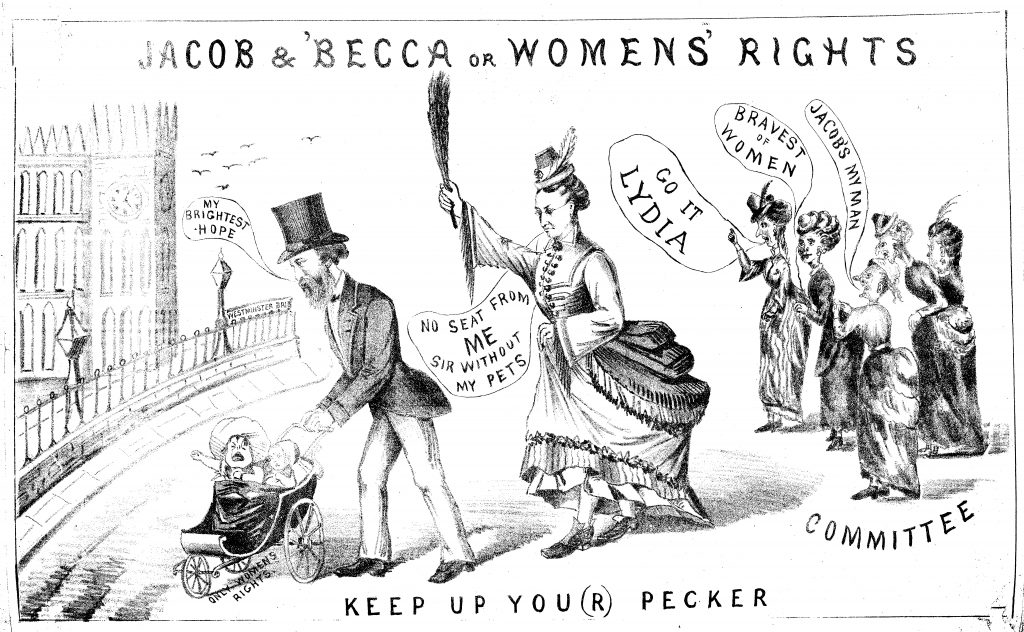
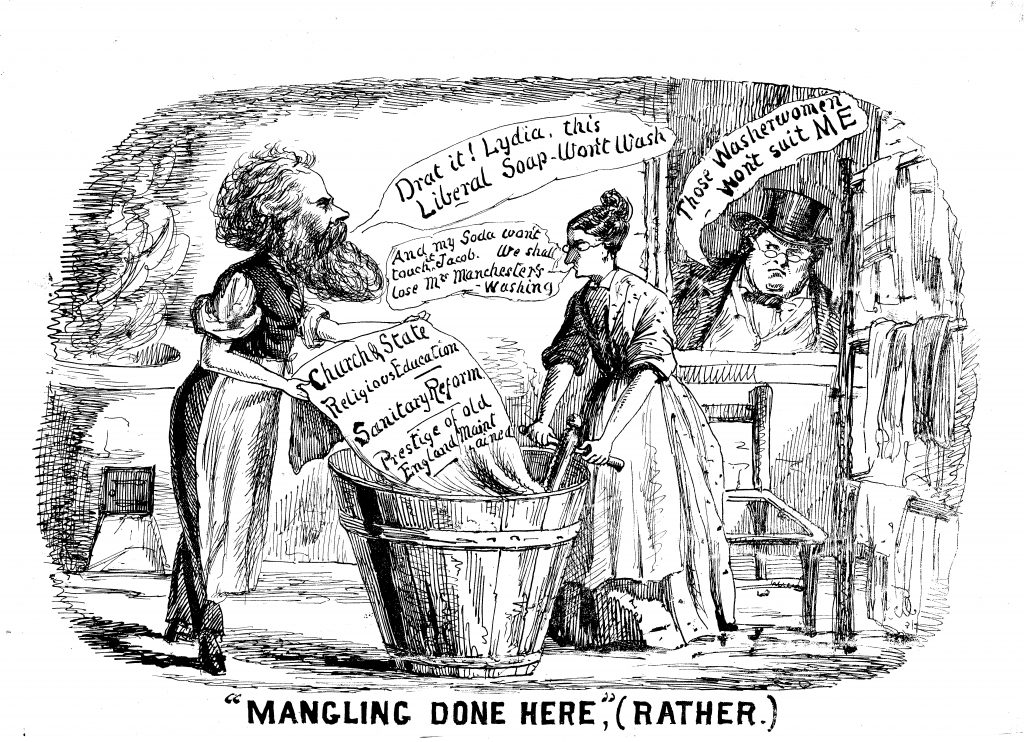
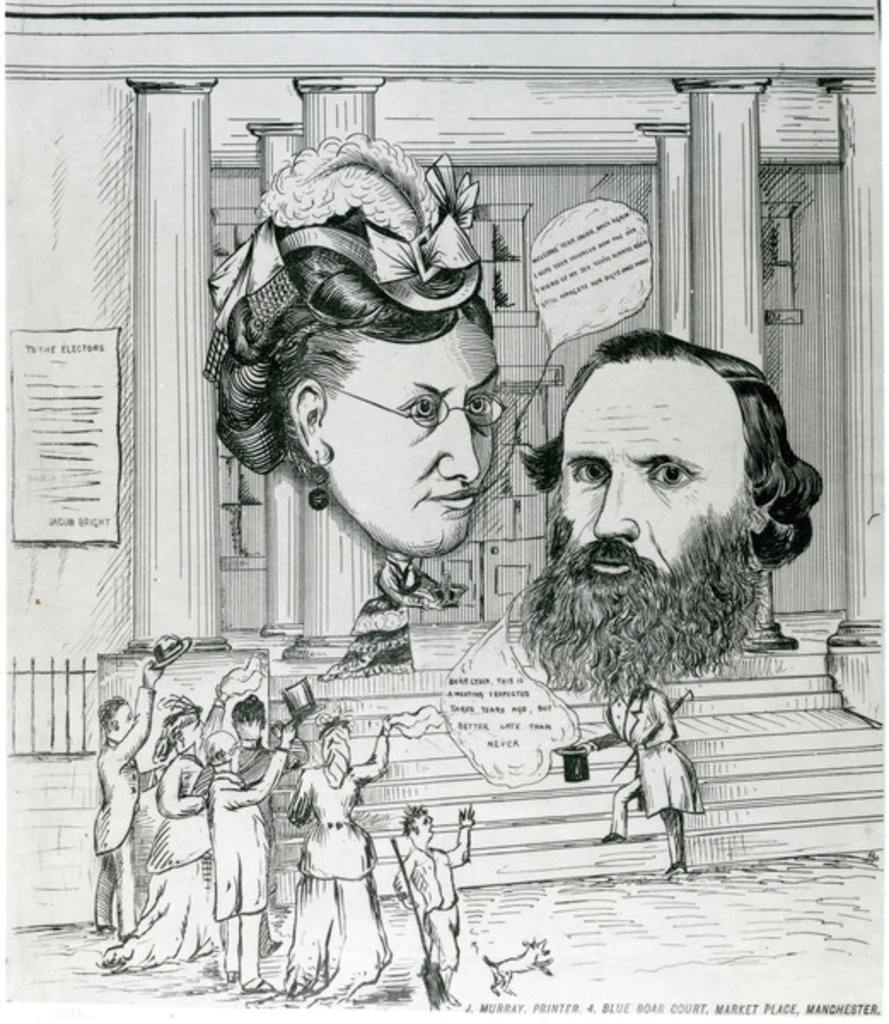
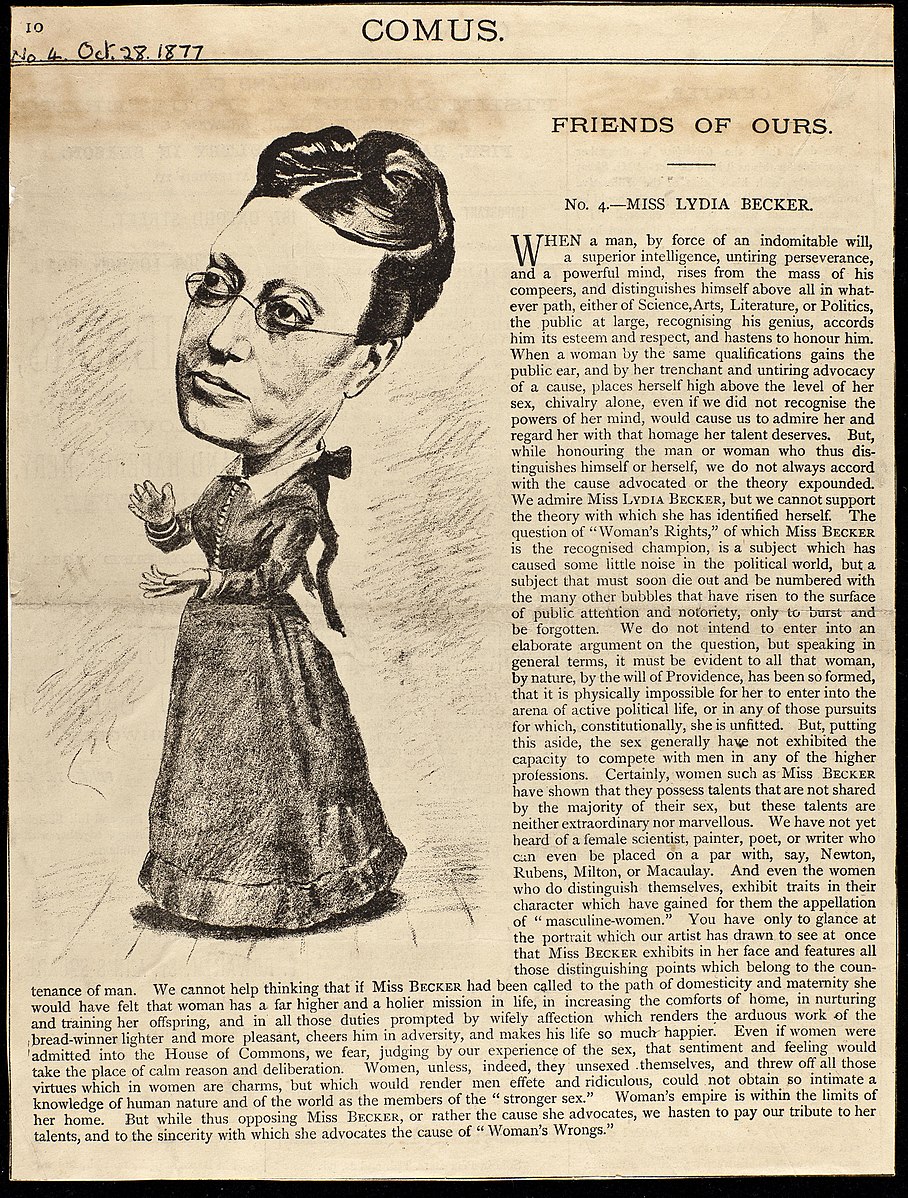
She wore wire-framed glasses and was made into somewhat of a caricature by cartoonists, who ridiculed her “extreme” views and looks. One cartoon cruelly depicted her being thrown out of parliament wrapped in the Women’s Suffrage Bill.
She also used her position as an educationist to champion the idea that there was no difference in the intelligence levels of men and women, a position that was considered truly revolutionary at the time.
She passed away aged 63 at Aix-les-Bains in 1890, and her name can be found today on a family headstone in St James, Altham. Quite rightly, it can also be found on the Reformers’ Memorial in Kensal Green Cemetery, London, alongside other great reformers and innovators.
Although Lydia died several decades before women would win the right to vote, if it wasn’t for her then we might still be the second-class citizens we were in the 1800s.
Roger Fulford best sums it up In VotesforWomen: TheStoryofaStruggle, when he writes: “The history of the decades from 1860 to 1890 – so far as women’s suffrage is concerned – is the story of Miss Becker.”
ADVERTISEMENT
A true pioneer and an inspiration for many women, her name deserves to be remembered.
Mercury Prize 2026 review: RAYE takes home the crown as Newcastle celebrates the very best in music
Clementine Hall
One of the biggest nights in music kicked off last night as the Mercury Prize 2026 was awarded.
If there was ever a night to fall head over heels in love with British and Irish music, the 2026 Mercury Prize made a very convincing case.
Bringing together some of the country’s most exciting artists under one roof in Newcastle, this year’s ceremony was a reminder of just how much talent is packed into the current music scene.
From established legends to the names shaping what comes next, it was an absolute belter.
Images: Audio North
Held at the Newcastle Utilita Arena for the second year running, I think everybody in that room felt very lucky to be there to see firsthand who took home the coveted prize.
The shortlist brought together an impressive mix of artists, with Florence + The Machine, Olivia Dean, JADE, Suede, Pulp, Dave and Sir Paul McCartney among the big names making the lineup very star studded indeed.
Suede kicked things off with ‘Dancing With The Europeans’, bringing their unmistakable energy to the ceremony, while Pulp delivered ‘Begging For Change’ as part of the HELP(2) charity compilation.
It was a line-up that demonstrated the sheer range of music being made across the UK and Ireland, from contemporary pop to established rock and even jungle thanks to Bradford’s own Nia Archives.
And of course, there was one woman who had every reason to leave with a smile on her face.
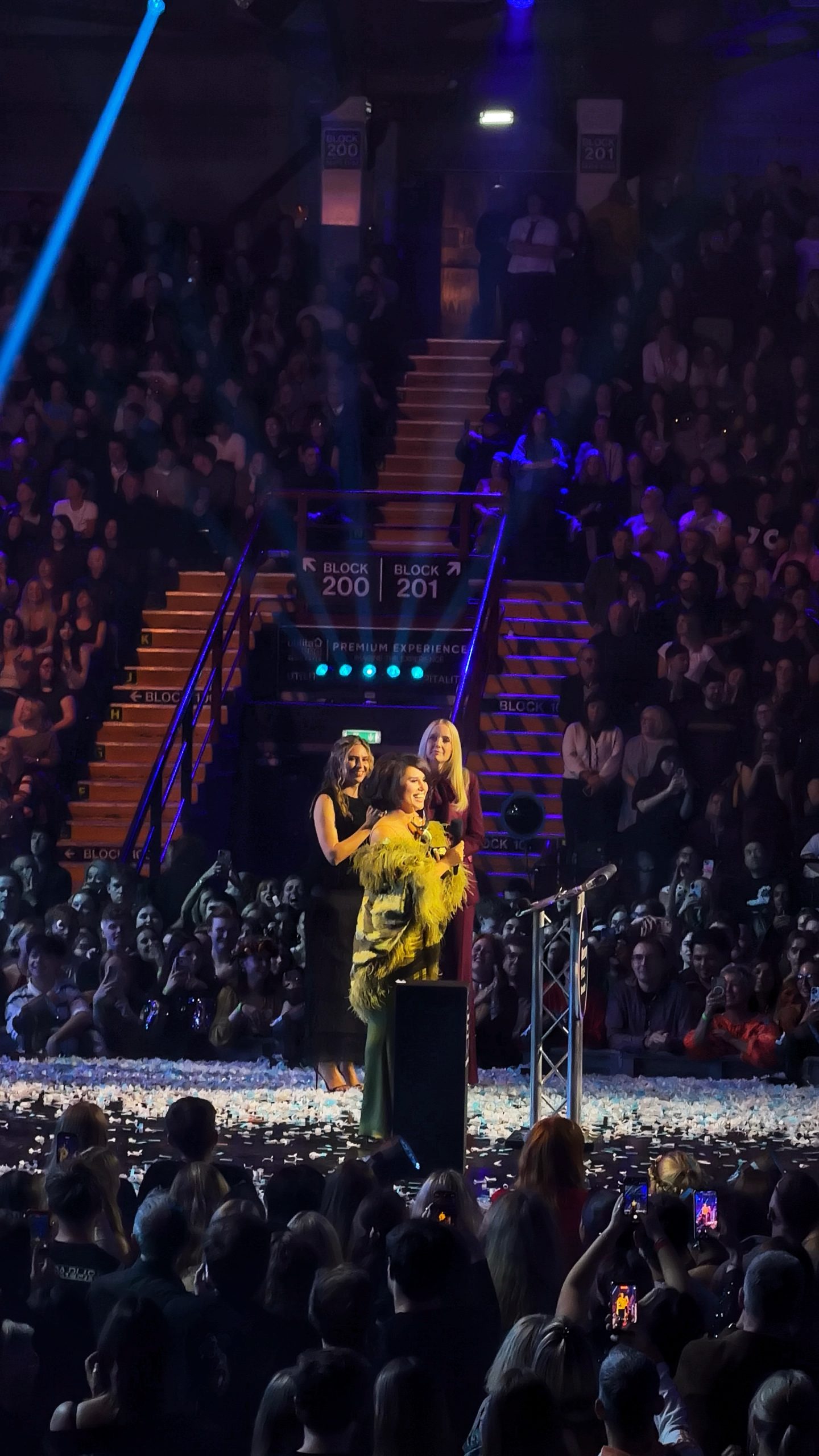
RAYE took home the coveted Mercury Prize for THIS MUSIC MAY CONTAIN HOPE., an ambitious, genre-hopping album that blends jazz, soul, R&B and classical influences into something so fabulously unique.
Image: Audio North
Newcastle’s own Knats performance was definitely a highlight of the evening, combining slick jazz with spoken-word poetry against a projection of The Tyne Bridge.
A fitting image, and one that underlines the importance of holding such huge events in the north and highlighting the obvious talent that thrives here.
The 2026 Mercury Prize was a brilliant showcase of the country’s music at its best.
And with RAYE taking home the trophy, it’s clear there is plenty of ‘hope’ left in British music.
The most magical Christmas displays have now landed at one of the North West’s best garden centres
Emily Sergeant
Christmas has officially arrived at one of the best garden centres in the North West, and it’s just as magical as you’d hope it would be.
Just outside of Greater Manchester in the village of Glazebury in Warrington, you’ll find Bents Garden and Home – a multi award-winning destination garden centre that’s often voted one of the region’s best. It’s great place to visit all year round, but as anyone who has ever made the trip there will tell you, this place really comes alive during the festive season.
Bents first started out life all the way back in 1937, when Alfred and Margaret Bent began growing and selling roses in the front garden of their terraced house in Glazebury.
Ever since then, the business has gone from strength to strength – opening its first dedicated garden centre building in the early 1950s, and then undergoing several expansions in the 60 years that followed to create the place we know and love today.
A place that’s home to everything you need to kit out your home and garden, several cafes and restaurants, a food hall, a cook shop, a children’s boutique, and plenty more.
Christmas has arrived at Bents Garden and Home for 2026 / Credit: The Manc Group
And then at Christmas time, you can also get to wander around all the magical festive displays and stop for a bite to eat at the winter food markets.
Christmas at Bents originally began in the 1970s, establishing what would become one of the garden centre’s most successful – and favourite – times of the year, with people travelling in their thousands from all across the North West to visit, making it an annual tradition in the festive events calendar for many families.
With a jaw-dropping display to suit everyone’s festive decor tastes, Christmas at Bents really does need to be seen to be believed.
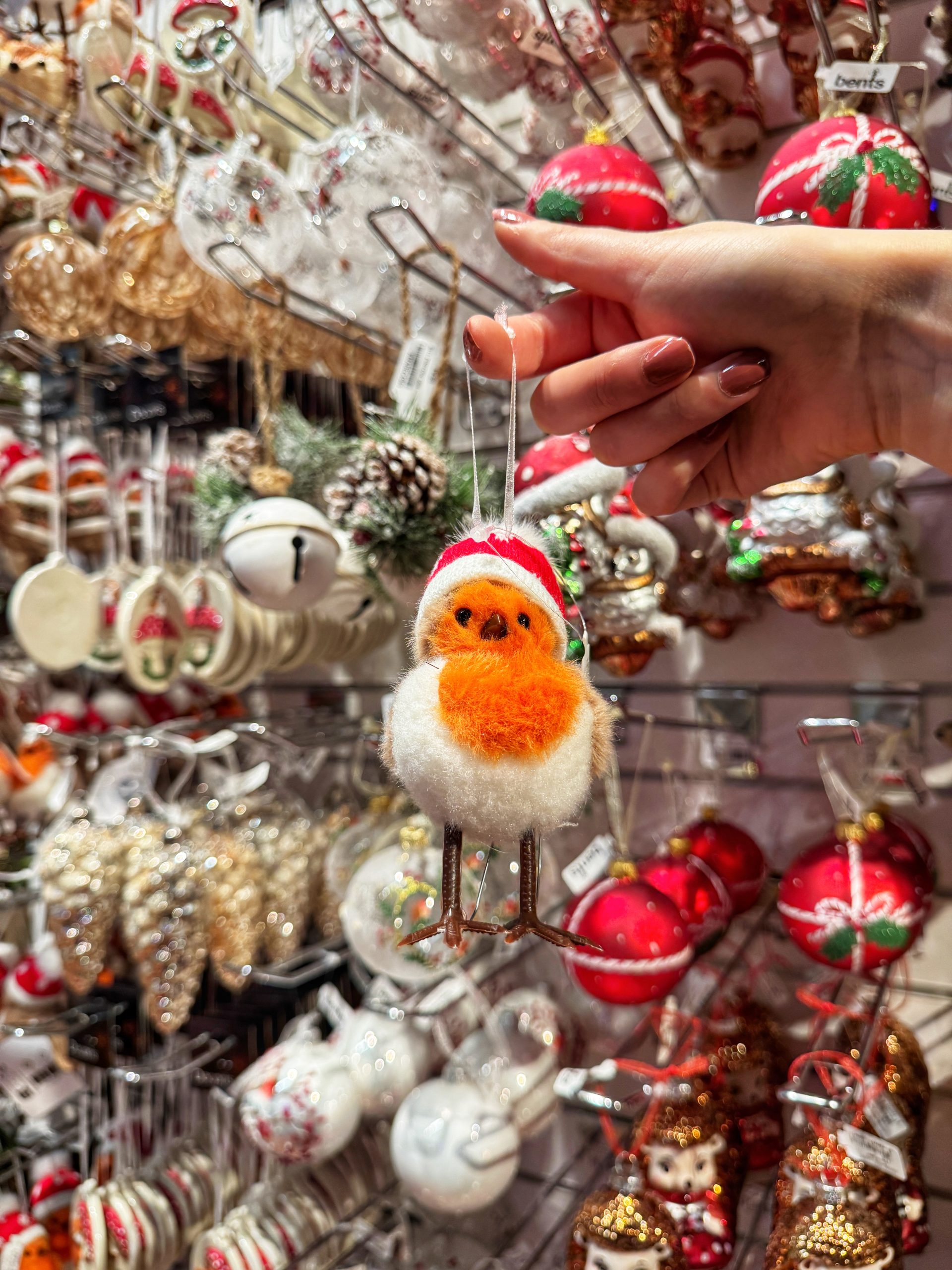
Expertly decorated trees form the centrepiece of each display, with all the baubles and decorations adorning them for sale by the side for you to recreate yourself at home.
Walking around the centre, you’ll also find every type of artificial tree (both normal and pre-lit), an array of fairy lights, wreaths, and garlands, before you arrive at what is sure to be one of the best Christmas Lemax Model Village set-ups you’ve probably ever seen.
A trip to Bents is an annual festive tradition for thousands across the North West / Credit: The Manc Group
Then, once you’ve filled your basket up with all the decs you need, you have to stop off at the Winter Food Markets before you head home.
There’s a wide array of different street food options to choose from like bratwursts, giant filled Yorkshire puddings, loaded fries, nachos, mac and cheese, crepes, churros, and build-your-own crumble, before taking a pew in one of the little wooden huts and washing it all down with festive-themed hot chocolates and mulled wine.
Don’t forget to stop off at the food hall, farm shop, and deli counters to stock up on plenty of goodies there before you leave too.
Basically, if you’ve never been to Bents before, we honestly cannot recommend it enough – even more so during Christmas time.
Don’t forget to stop off at the Winter Food Markets before heading home / Credit: The Manc Group
But it is really important to note that it does get very busy here, especially on weekends and at peak times like the run up to Christmas.
So you may have to be prepared to patiently wait for parking spaces and cooperate with your fellow shoppers, as well as join queues at the cafes and restaurants, all while respecting the hard-working staff at all times.
Let’s be as respectful as possible, and make this a place where everyone can enjoy a magical festive experience in 2026.

 Georgina Pellant -
7th March 2023
Georgina Pellant -
7th March 2023