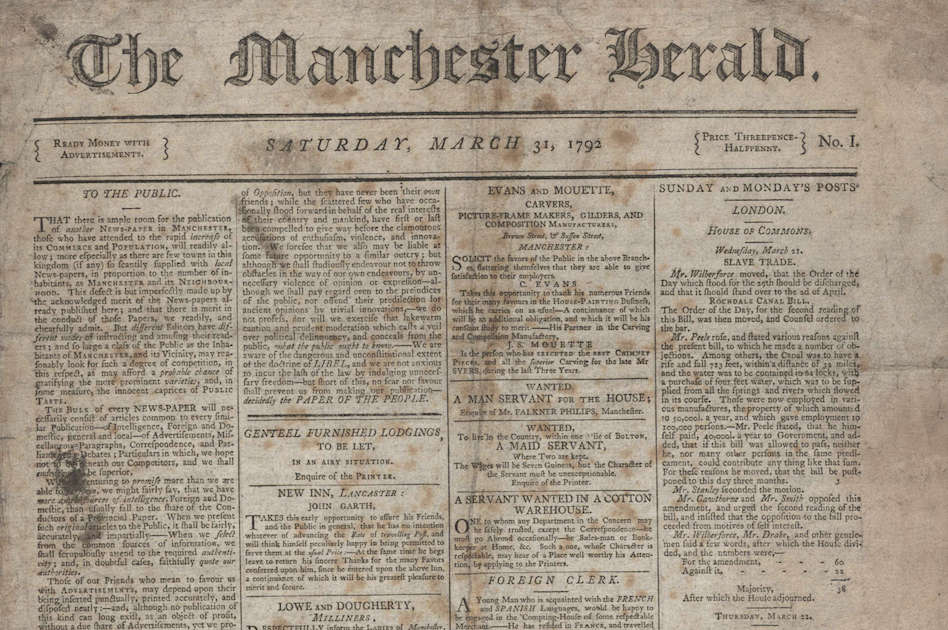
The Manchester Herald: How the city’s first radical newspaper was silenced, shut down and smashed to pieces
The Manchester Herald was a publication so inflammatory that it was shut down and had its offices smashed up within a year of its first issue - with its editors fleeing into voluntary exile.
When The Manchester Observerfinally ceased publication in 1821, the ruling elite must have breathed a sigh of relief.
The local northern newspaper had been a thorn in the side of the authorities sinceits formation three years prior – its pages littered with incendiary pieces aimed at rousing the public into forcing political change.
But governing figures began to change their minds about the Observer in 1819. Initially, they’d considered the paper a nuisance. By summer, they’d revised that view: regarding it actively dangerous.
In August, Observer editor James Wroe invited the loquacious Henry Hunt to Manchester to speak at a mass rally at St Peter’s Fields – where a crowd had gathered to ask for political representation at a time when only wealthy landowners could vote.
The animated but peaceful protest was invaded by troops who took a shockingly violent approach to the occasion – killing 18 people and injuring hundreds more.
ADVERTISEMENT
The Observer exposed the murderous behaviour of the cavalry in grisly detail anddubbed the event ThePeterloo Massacre – a name which has stuck to this day.
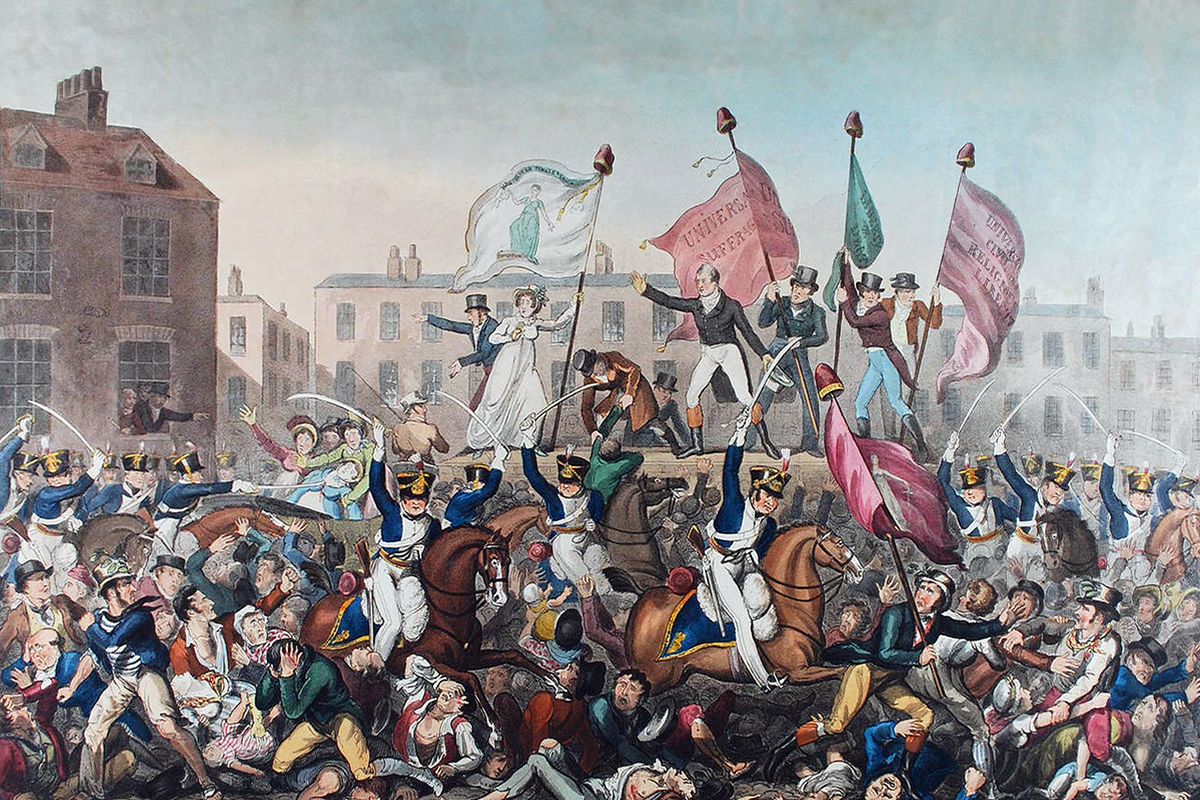
The Peterloo Massacre / Image: Wikipedia
In the aftermath, anyone associated with the Observer was targeted, prosecuted or even imprisoned by officials, and the paper was eventually closed.
ADVERTISEMENT
But the lingering sense of public anger (and fear) meant there was still demand for press that dared to rail against the establishment; and more progressive newspapers were born throughout the course of the century – beginning with The Manchester Guardian (which remains in print 200 years later, now based in London).
TheObserver is often hailed as Manchester’s first radical newspaper – the publication that paved the way for more robust local press.
But around thirty years prior to Peterloo there was The Manchester Herald: A publication considered so inflammatory that it was shut down and smashed up within a year of its first issue – with its publishers fleeing into voluntary exile.
ADVERTISEMENT
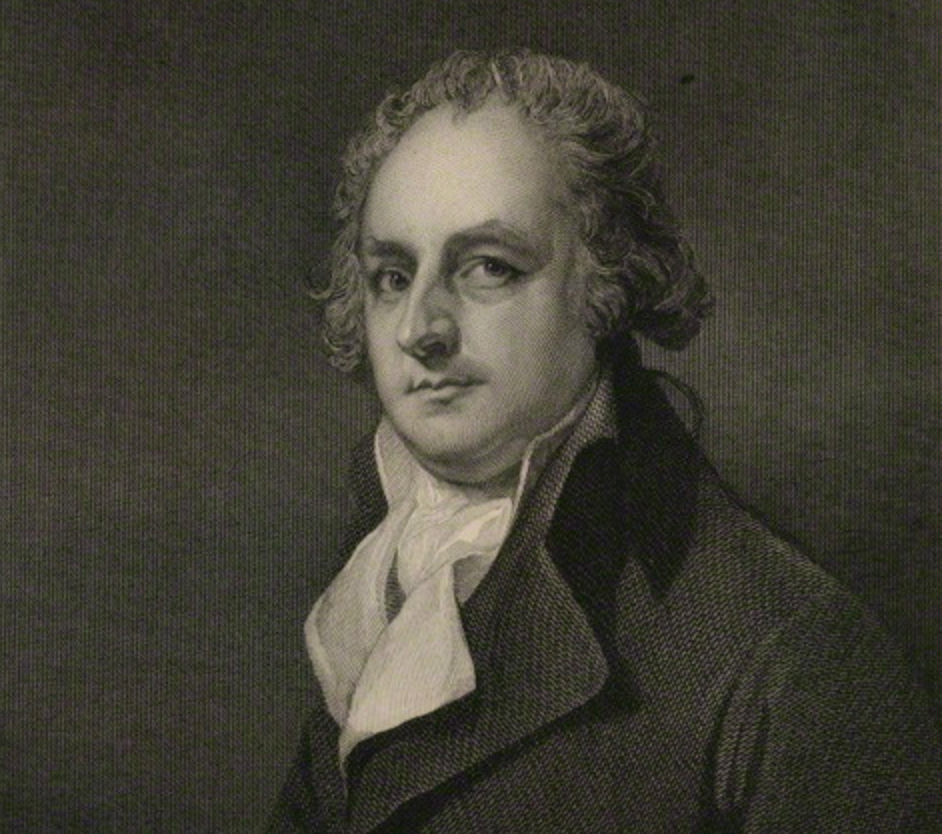
One half of the Herald founding team – Thomas Walker / Image: Wikipedia
By the end of the 18th century, there was growing demand for parliamentary reform in England, with calls emerging for changes at national and local level.
Two of the most passionate reformers in Manchester were barrister Thomas Cooper and local cotton merchant Thomas Walker.
The pair launched the Manchester Constitutional Society in 1790 and asked the city’s local newspapers – The Manchester Mercury and The Manchester Chronicle – to print the group’s notices about meetings and petitions.
Over time, however, both papers became increasingly reluctant to publish material discussing the controversial topic of parliamentary reform, so Cooper and Walker decided to set up their own newspaper instead.
They called it The Manchester Herald – and convinced local stationer Matthew Falkner (and his business partner William Birch) to print it.
ADVERTISEMENT
The publication was the self-proclaimed ‘paper of the people’ and released its first edition on 31 March 1792.
Around 50 issues of the Herald were created overall – the last of which was published on 23 March 1793.
Despite its fleeting existence, the Herald was described as operating with “a degree of spirit and reputation that will not soon be forgotten in [the] neighbourhood”; packed with radical writing including abolitionist articles and “positive” pieces about the French Revolution.
The paper’s progressive stance made it some powerful enemies in the process.
In December 1792, an angry pack of Loyalists – described by writer John Bugg as a “drunken church-and-king mob” – raided the Herald’s offices on Market Place, before attempting to attack the paper’s founder Walker at his home.
ADVERTISEMENT
The editor scared them away by firing his gun above their heads.
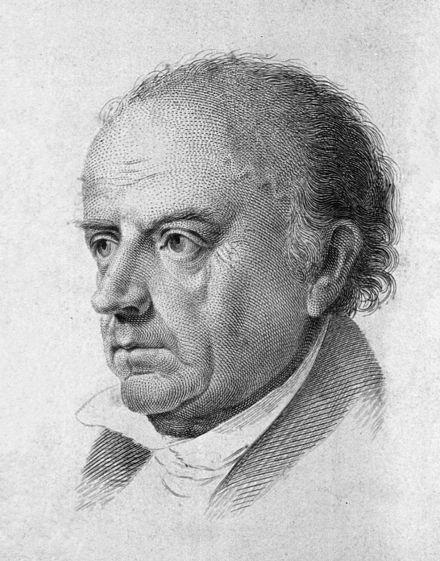
The other half of the Herald founding team – Thomas Cooper / Image: Wikipedia
The Herald was repeatedly targeted in the subsequent months, and by spring the government initiated legal action to ensure the newspaper was shut down.
The publication’s critics revelled inits demise and quickly danced on its grave – smashing up the Herald premises and hurling printing equipment into the street.
The Herald’s printer’s – Falkner and Birch – fled to America, “preferring a voluntary exile to imprisonment”.
Falkner returned home several years later but never retrieved his stationery business, printing house or property, and passed away in Burnley in 1824.
ADVERTISEMENT
One of Falkner’s friends bemoaned the unfairness of the situation, claiming Falkner had been “seduced into political opposition” and was “deserted” by his former allies in the adversity surrounding the Herald‘s closure.
Falkner’s obituary read: “One of the kindest-hearted of mankind was driven from his country, and his fortunes, till then prosperous, entirely ruined.”
Herald co-founder Walker was placed on trial for treason in 1794 – accused of attempting to mobilise his own army (the incident in which he fired a gun at invaders was raised in court).
But the prosecution leaned heavily on a testimony from an informer who proved to be drunk and unreliable, and eventually Walker was acquitted.
He dabbled on and off in local politics in his later years, and died in 1817.
ADVERTISEMENT
Fellow Herald founder Cooper, meanwhile, moved to the States in 1794, developing a reputation as an academic leader who was, according to President Thomas Jefferson, “one of the ablest men in America”.
He passed away in Columbia in 1839.
Feature
Review | Leon Thomas at Manchester Academy – ‘Mutts Don’t Heel’ but this gig healed me
Thomas Melia
American singer-songwriter Leon Thomas visited Manchester Academy last night, performing hits from his deluxe album to a sold-out crowd of more than 2,600.
One year after an exclusive London MUTT Live date, Mr Thomas returns to the UK with the ‘MUTTS DON’T HEEL’ Tour, venturing to five cities, including the music capital of the North: Manchester.
The night started off just how it should’ve done with ‘HEEL’, as the audience were welcomed by the drum-loop and a chill atmosphere from the start.
Now, it wouldn’t be a Leon Thomas gig without at least one Ty Dolla $ign collaboration making the setlist, and there’s plenty to choose from with a new one dropping just over a month ago, ‘miss u 2’.
Leon Thomas performing hits at Manchester Academy (Credit: Audio North)
The funk-influenced musician opted for ‘FAR FETCHED’, and the audience was in the palm of his hand. No matter which of the four link-ups he chose, it was always going to go down well – Manchester never disappoints.
Leon didn’t even have to ask the crowd to bring more energy; they already matched him. When he sings, “For someone who don’t ask for favours, I’ve done way too many favours”, on ‘PARTY FAVORS’, he really meant it.
Last year, Leon Thomas dropped PHOLKS, a project which saw him exploring old-school funk and soul sounds even further and ‘Just How You Are’ had even the shyest dancer pulling out a little two step.
This isn’t the only hit that sent the crowd into a frenzy; ‘Baccarat’ and its impressive psychedelic guitar solo had jaws literally falling to the floor at Manchester Academy.
His songs might not be dramatic or extravagant, but they don’t need to be. Leon’s artistry prevails when he’s softly singing, and you’re still able to detect each instrument.
Leon Thomas brought the MUTTS DON’T HEEL Tour to Manchester Academy (Credit: The Manc)
‘Breaking Point’ is an easy-listening soul track that had all 2,600 Leon Thomas fans in our feelings as we realised we were coming to the end of a phenomenal concert.
And of course, ‘Mutt’ – his biggest single to date: a bouncy and swag-filled number that sticks in your head for weeks on end – sounded even better when backed by a live band as I discovered last night.
There was some insane musicality, distinct bangers and impeccable live arrangements that elevated the original studio recordings. Maybe ‘Mutts Don’t Heel’, but Leon Thomas definitely healed me.
He wasn’t the only cool cat playing last night either:
Could the reaction to Casemiro’s swansong Man United season see him stay ‘one more year’?
Danny Jones
Casemiro has arguably been up there with one of the best Manchester United signings in the post-Sir Alex Ferguson era, after the likes of Bruno Fernandes; maybe not in terms of how it’s impacted the wider transfer budget, but now he’s about to leave, most supporters aren’t ready to let him go.
Truly, if they had their way, many would happily keep him for at least “one more year”, as they continuously chanted during the most recent home game.
However, with the footballing veteran himself admitting that he’s been left moved by the response and certainly basked in the chants for him to stay following the win over Aston Villa last weekend, another one in which he chipped in with a key goal.
Casemiro scored the opener in what went on to be a vital 3-1 win in their pursuit of Champions League places, and has made it clear that, like the rest of the squad, this is his only goal for the remainder of the 2025/26 campaign.
But with United now looking closer to securing third or perhaps even chasing down second place, according to many (some have even gone further than that…), this current, albeit still early doors, resurgence under Michael Carrick could be the start of a corner turned for the one serial winners.
However, fans have seen many false dawns at Old Trafford over the past decade or so, and there is obviously the risk of him ultimately spoiling what should now be a fine and fitting farewell.
Then again, after speaking in a recent interview with Sky Sports, the 34-year-old said it’s been “way more” special than he was expecting since he revealed his plans to leave on a high, and stranger things have happened.
You only have to look at Mohammed Salah and Liverpool, who looked all set to go before eventually U-turning and signing a new deal – though contract terms no doubt helped swing those negotiations.
As one of the highest-earning players not just at Man United or even the Premier League but in Europe, he’s already earned serious amounts during his time with the Red Devils, so there is a belief that the incumbent INEOS board would be happy to shift him off the books and reinvest in replacing him.
#mufc are in advanced talks to sign Bruno Guimaraes for around €80m, but renewed interest from Real Madrid threatens to complicate the proposed move [@Reuters, @fernandokallas]
The likes of Guimaraes, previously courted Carlos Baleba, Elliot Anderson, Adam Wharton, Wolves duo André and Joao Gomes have all been linked with possible moves to Manchester of late.
In fact, depending on how much room Jim Ratcliffe and co. have for spending on recruitment, they could potentially even cover the wages of more than one signing in the middle of the park or other positions that they feel may require further reinforcements.
All this is still very much in theory, of course, and while Casemiro has seemingly confirmed that he will depart this summer, who knows how much of the recent reaction and outpouring of love and support from the Stretford End and beyond could potentially sway the outcome?…
Then again, do you think reconsidering the decision would be a wise move, or at his age, is four years in the English top flight enough?