Since youth clubs started popping up across Britain in the 19th century, their shared aim has always been the same: Keep kids out of trouble.
Even as far back as the 1870s, when Manchester crime rates were four times higher than London, youth centres and social clubs were credited with helping to resolve the ‘scuttler’ problem in the city – offering violent, angry and bored young men an alternative to fighting on the streets.
But the idea on which these societies were originally built is beginning to change.
In the digital era, where young people are having their heads turned by more voices than ever before, it isn’t enough for youth clubs to simply exist. To connect with kids and teenagers today, societies need to provide incentive, opportunity and stimulation. In other words, they need to be places that young people actually want to go.
HideOut is flying the flag for this new breed of youth centre.
ADVERTISEMENT
Launched in Gorton – one of Manchester’s most deprived areas – in 2020, the £6.6 million facility has quickly earned a reputation as a sought-after safe space for local youngsters; many of whom rush to the centre right after they’re done with school.
Dan, one of HideOut’s young people, says he keeps coming back because the Youth Zone is one of the rare places where he’s given independence.
ADVERTISEMENT
“You can book onto whatever you want – you have your own freedom,” he explains.
“In school it’s just math, English, science, your standard. Whereas here you’ve got cooking, the gym, boxing, football. You can do everything! Even a bit of yoga to relax yourself after a nice footy session.
“Every Friday we come here and play football with all my mates from the local estate, we grew up together.
ADVERTISEMENT
“We come here, get along with the staff and we have a game.”
HideOut cut the ribbon to their facility right in the middle of a pandemic – which initially seemed like bad timing.
The centre was forced to delay its opening by several months, and even now staff are operating under strict COVID protocols.
But in truth, HideOut came to Gorton when the area needed it most.
The Youth Zone has created a support network for the neighbourhood at a challenging time – offering local youngsters somewhere to go, something to do, and someone to talk to.
ADVERTISEMENT
According to another member, Marley, having HideOut on hand has been vital in the current climate.
“The pandemic has affected me because I’ve not been able to see most of my friends and family and just because it’s been really boring,” Marley tells us.
“But at HideOut they’ve invited me to sessions I love doing and all the adults are really nice and so are the children.”
The activities at the Youth Zone aren’t just limited exercise and games either. Staff have encouraged youngsters to broaden their horizons and get stuck into local projects – connecting with the wider community as a result.
Some examples of these unique activities include spray painting an underpass with local street artist Wilf Dissent, and shooting a video about their aims and ambitions in 2021 – getting to grips with media tech in the process.
ADVERTISEMENT
Fred Done – one of HideOut’s capital funders – said he had “immense pride” in what the centre had achieved in such a short space of time.
“It started as a dream, and now it’s a dream come true,” he stated.
One year on since HideOut arrived, it’s clear to see the hard work of staff – and philanthropy of supporters – has been worth it.
Not only has Gorton’s young community quickly come to understand and appreciate the difference the Youth Zone has made to Manchester – they’re also proud to wear their HideOut badges on their sleeves.
“This estate in West Gorton… there’s nothing around here,” Dan tells us.
ADVERTISEMENT
“This used to be a few rocks; a bit of a ditch. Now look at it, mate. Beautiful!
“It cheers you up to see it. Walk down the side of the park there’s an astro here there’s cooking, gym, everything that you need.
Staff are always happy to answer any questions. You can contact HideOut online.
ADVERTISEMENT
HideOut Youth Zone currently have a family of Founder Patrons that offer support for up to 4 years through ideas, introductions, time, financial grants and partnering opportunities.
HideOut still needs Founder Patrons to meet its annual income targets this year and would welcome anyone interested in getting involved to contact [email protected].
Some current supporters include include Godel Technologies, Bruntwood, BeautyWorks, The JD Foundation, Lendlease, Open Money, Theo Paphitis Retail Group, Beyond Corporate, This is Manchester Awards, AO World and GCA Altium.
Feature
25 of the very best Sunday roasts in and around Greater Manchester
Danny Jones
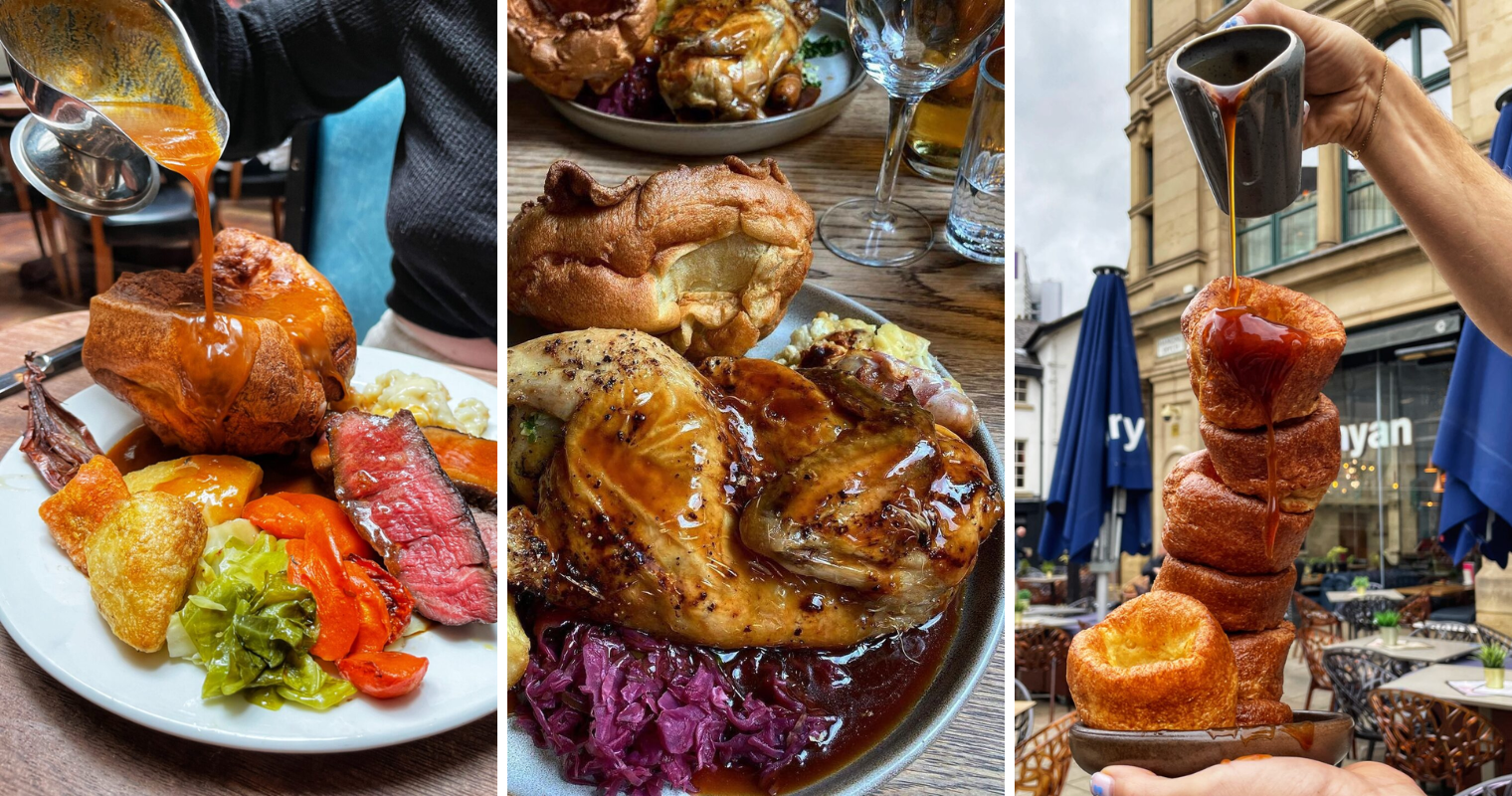
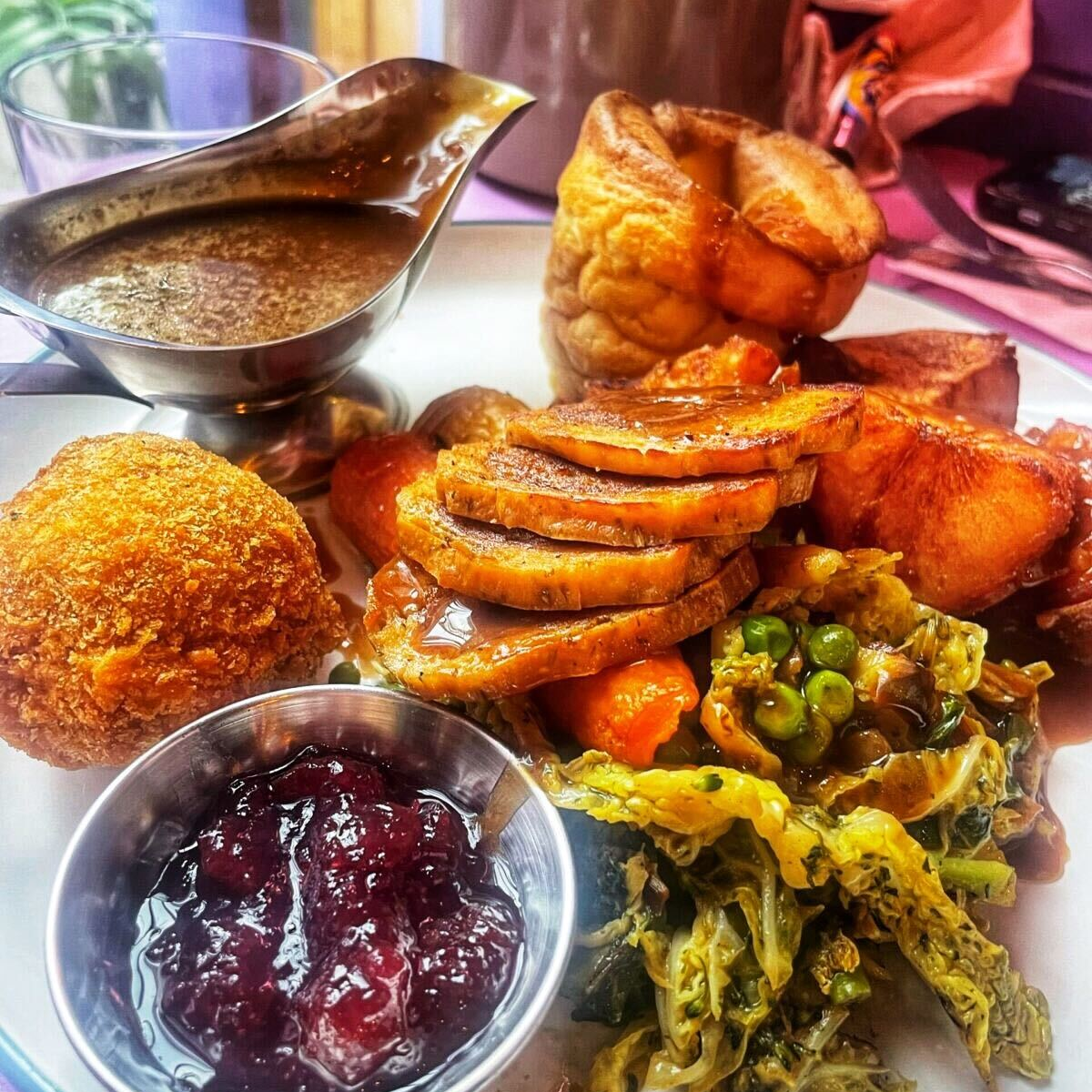
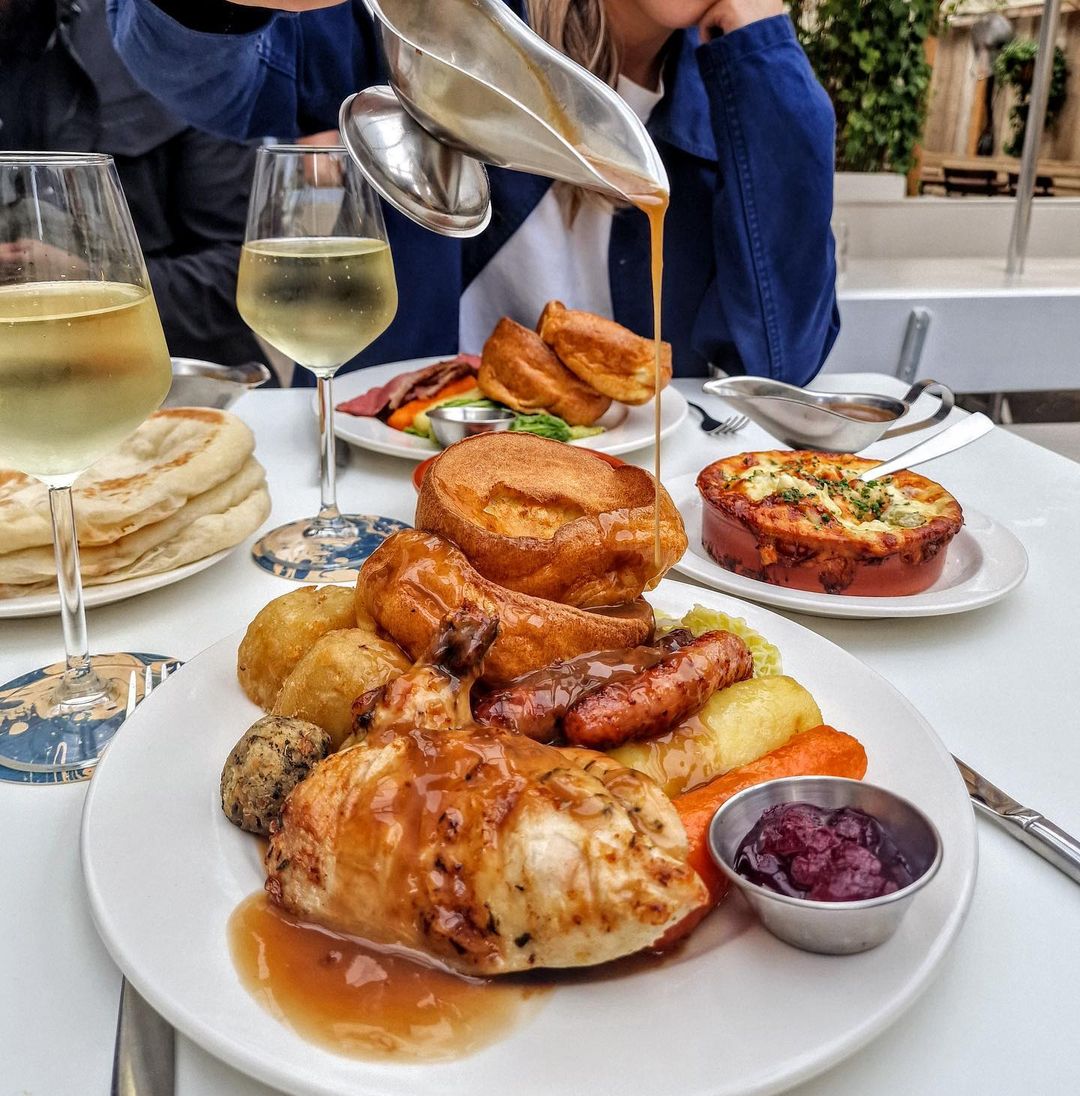
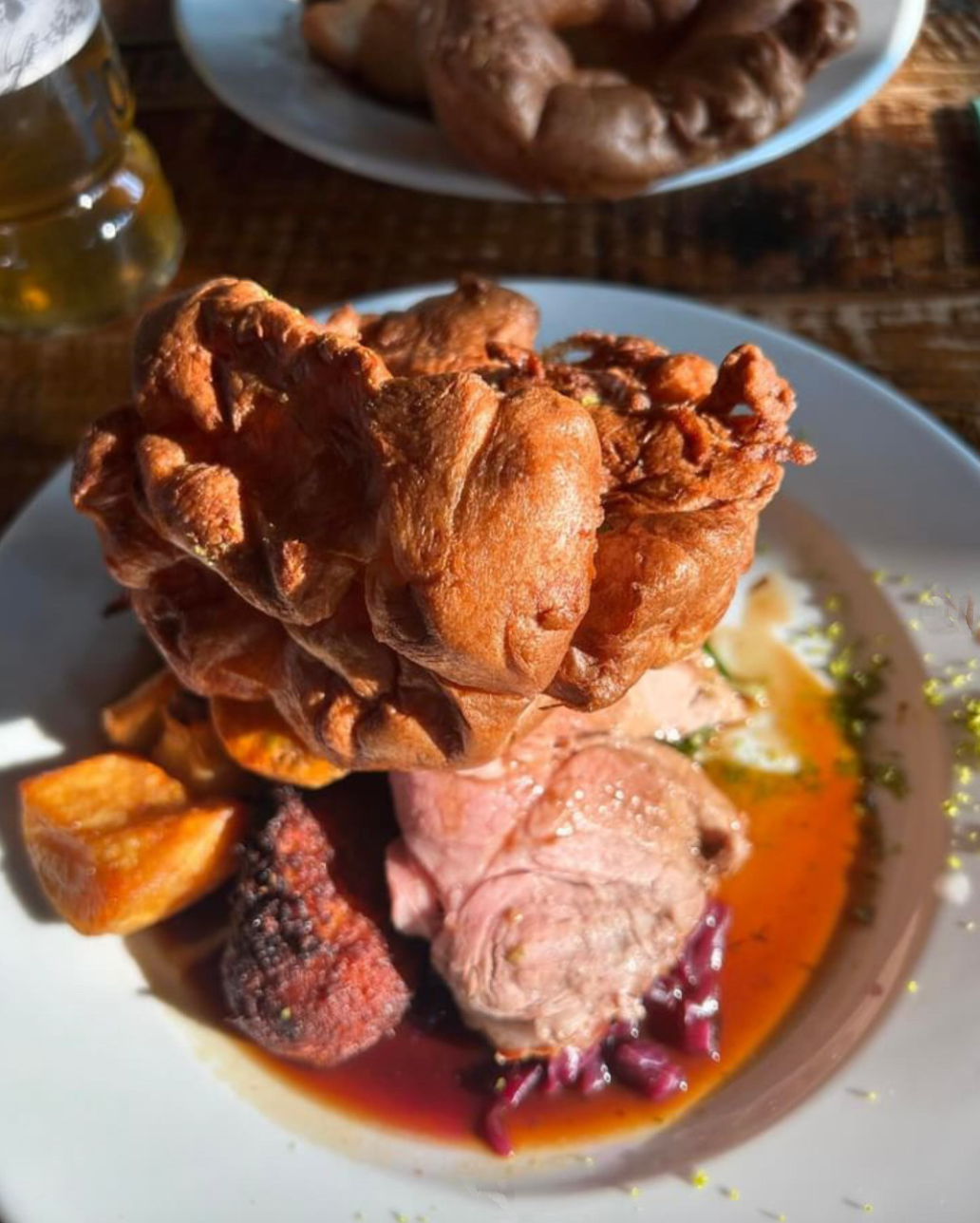
From the moment we start to feel the weekend rolling in, we can’t help but turn our thoughts to Sunday roasts, steaming jugs of gravy and big glasses sploshing over with red wine – it’s just the best feeling, and there’s plenty of it to be found here in Greater Manchester.
We’re used to it being wet and miserable most of the year, so while we do love Sunday lunch on a sun-soaked afternoon in the beer garden when we get the chance, nothing warms the cockles more on those darker days than a giant plate piled high with roasted meats, vegetables and gravy.
Genuinely one of the simplest pleasures in life, there’s not much more comforting than this classic English staple. We’re big fans of Manchester’s Sunday roast scene, and we can confidently say this city serves some of the best.
So, without further ado, this is The Manc Eats‘ list of deep reading to discover our top picks for the best Sunday roast dinners in Manchester and beyond. Dig in.
The best Sunday roasts in Manchester city centre
Let’s start with the best in town. Our tummies are rumbling just think about it…
Housed in a former Victorian Courthouse on Deansgate, Hawksmoor manages to be chic, glamorous and entirely unpretentious all at once. Designed to share, roasts here can be split between two or three people – with starters, mains, and puddings all included and priced from just £45 each.
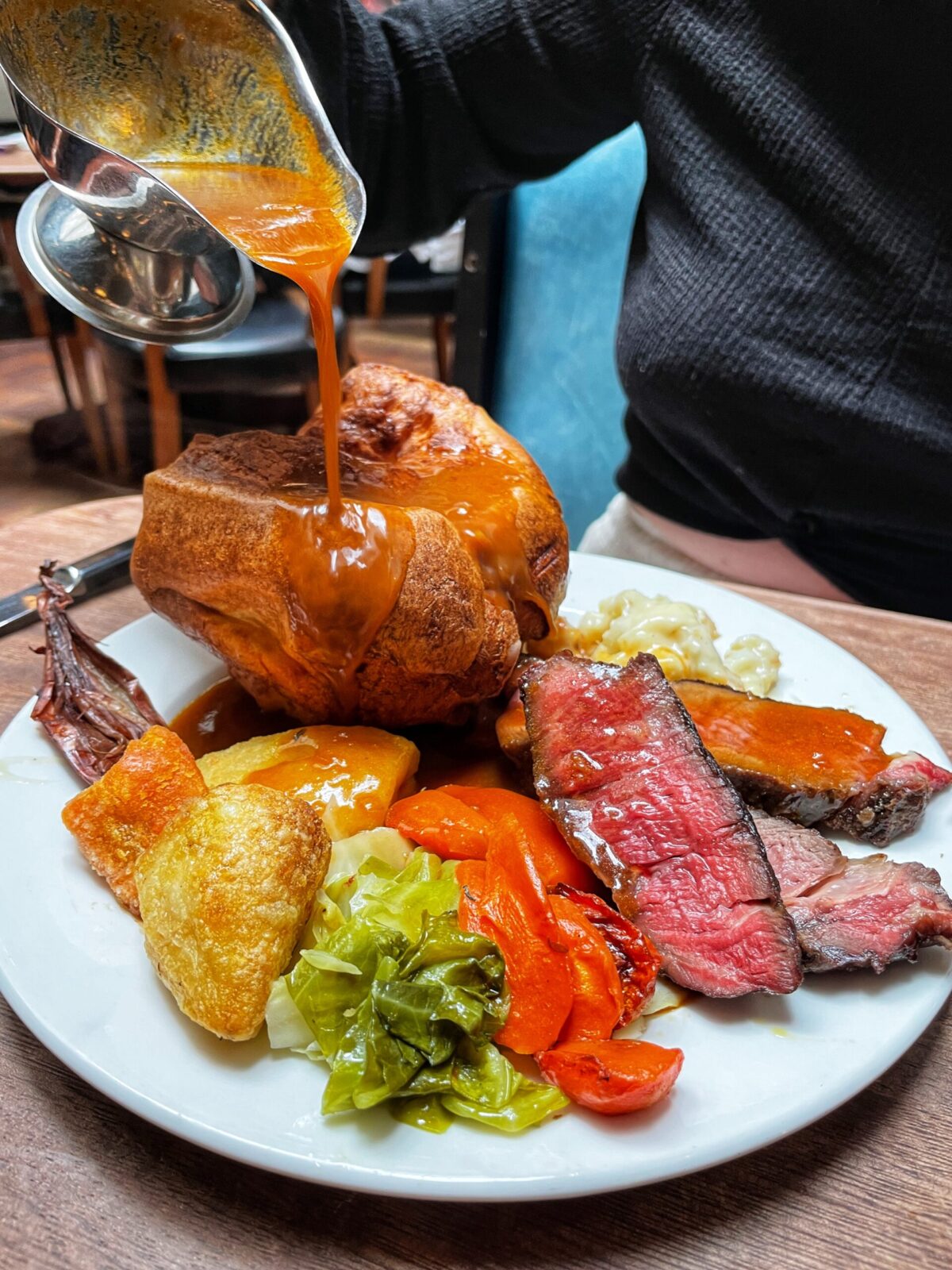
Main choices include perfectly pink cuts of bone-in prime rib, chateaubriand and sirloin, as well as charcoal-grilled monkfish, whilst trimmings span the likes of beef dripping roast potatoes, Yorkshire puddings, carrots, buttered greens, roasted garlic and unlimited bone marrow gravy.
There are also extra sides like the Hawksmoor Stuffing, cauliflower cheese, and roasted bone marrow with onions.
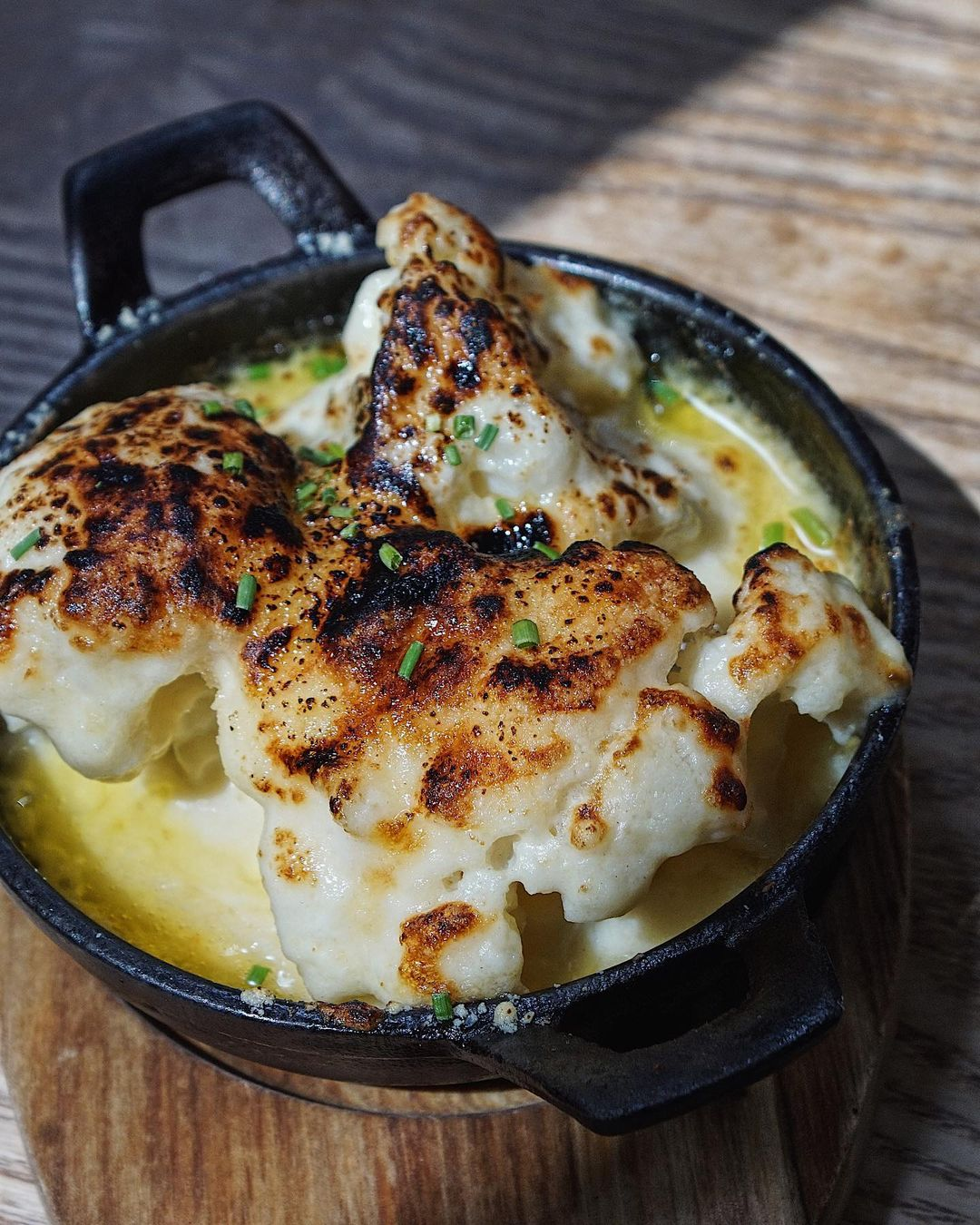
We’re talking Yorkshire puddings bigger than your face, crispy beef fat roasties, unlimited jugs of bone marrow gravy, and an oozing skillet of cauliflower cheese made with a four-cheese blend of Ogleshield, mozzarella, Stichelton and ‘good cheddar’.
2. The Wharf – Castlefield
In at number two is the waterside gem that is The Wharf over in Castlefield, which is both one of the most picturesque and up there with the places for a Sunday roast in Manchester, in our humble opinion.
This family-friendly country-style pub sits pretty on the Bridgewater Canal and serves up great seasonal food and drink all year-round, but we find ourselves going back on this particular day of the week at least once a month for the good stuff.
Our top tip if there’s just two of you: order one of The Wharf‘s Sunday sharing platters and then get the mixed roast and just split the whole lot down the middle. You can thank us later.
Winsome is already one of Manchester’s leading restaurant, scooching quickly into the Michelin Guide under the steer of chef Shaun Moffat.
Their Sunday offering is exceptional and packed with seasonal British produce, like Tamworth pork belly, Malhalm lamb shoulder, and Mrs Kirkham’s Lancashire cheddar cheese slice, all served with all your usual trimmings.
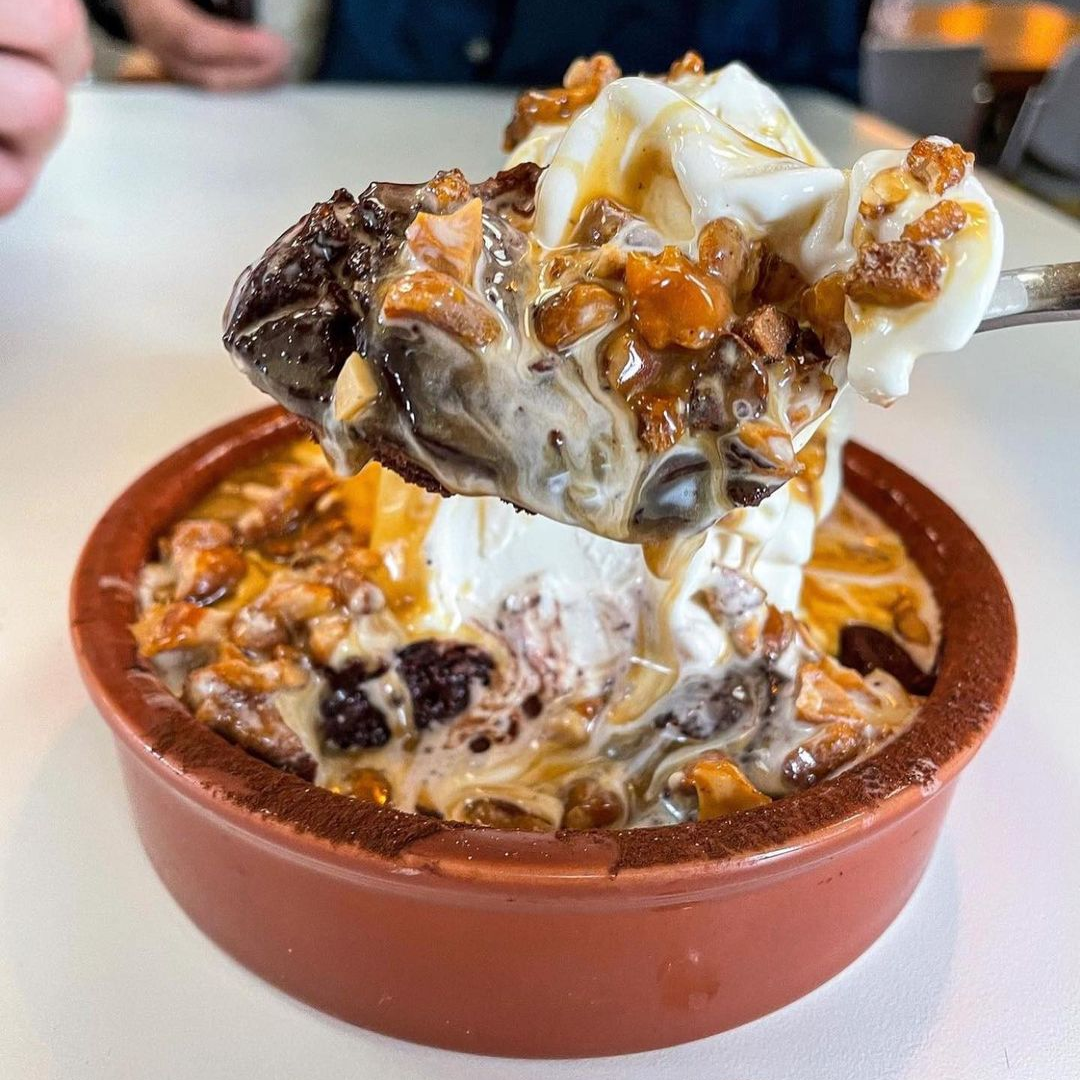
And modern British bistro it may be – but you’ll still find proper puds like a sticky toffee pudding, or jelly and custard, for dessert.
Next up is one of the relative newcomers to the world of Greater Manchester roasts, but make no mistake, there is plenty of wealth of experience behind these stunning Sunday dinners – and they just so happen to be found within The Treehouse Hotel on Blackfriar Street.
We’re talking about Pip, whose Sunday menu is produced and perfected by local chef Mary-Ellen McTague, bringing her pedigree as chef-patron of the late, great Aumbry in Prestwich, Creameries in Chorlton and her time with Heston Blumenthal’s at the legendary Fat Duck to the shiny new Manc hotel.
Admittedly, we had such an indulgent time when we visited that we kind of forgot to take pictures (we were busy marvelling at the oysters and smoked mackerel starters), so you’ll just have to take our word for the time being. Suppose we’ll just have to go back and try that hot pot everyone is talking about.
5. The Jane Eyre – Chorlton
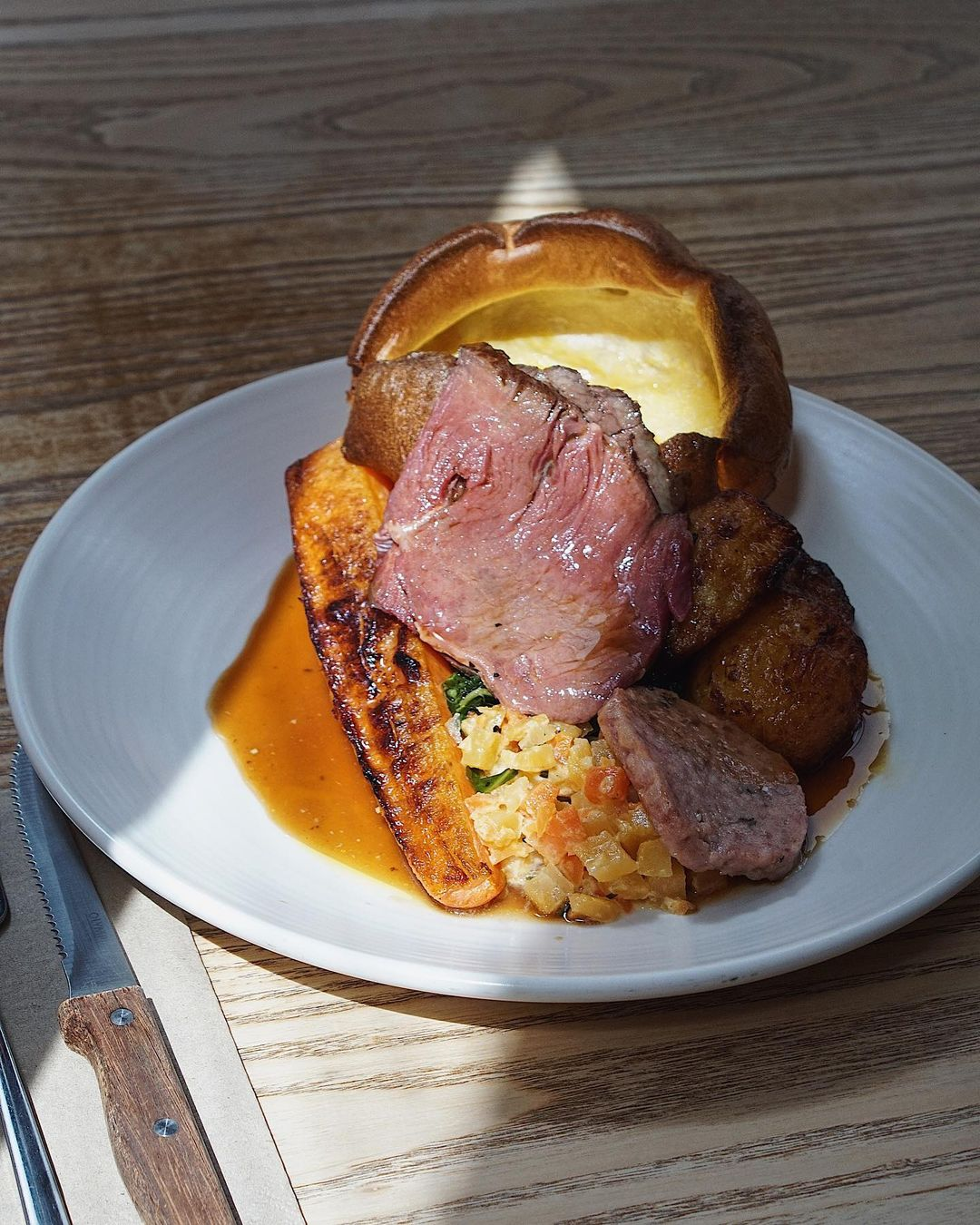
Look at the char on that.When the light hits just right.Credit: The Jane Eyre (via Instagram)/The Manc
Not a reference to Charlotte Brontë, but rather to the owners’ mum, neighbourhood kitchen and cocktail bar The Jane Eyre in Chorlton is a must for any self-respecting cocktail lover. It also serves a cracking Sunday roast.
Start with chicken terrine with focaccia crisp; smoked mackerel paté with horseradish crème fraîche and pickles; or Heritage tomatoes, with parsley and caper vinaigrette, before moving onto the main event of roast sirloin of beef, confit pork belly, or chicken supreme.
It’s two courses for £31 or three for £35, but it’s definitely worth adding the dessert for a taste of their sticky toffee pudding.
We’d recommend springing for sides, too, like a skillet of house cauliflower cheese or pigs in blankets.
Entries like this are why we’re glad we don’t do these things in order, because it’s simply too difficult to rank things when you remember you’ve got to squeeze top scran like they serve at The Trof somewhere in the mix, especially when it comes to Sunday dinner.
The legendary Northern Quarter bar underwent a major makeover this year, so now it’s Sunday roasts are a bit posher than they used to be – but it’s still one of the best in town.
They also still hit the sweet spot when it comes to portion size and value for money, if you ask us.
7. Banyan – Corn Exchange
You can even substitute a pie for your choice of meat. ‘Keep going…’Credit: The Manc Eats
Here’s one that’s never disappointed us: Banyan Bar & Kitchen, which has not-so-quietly been serving up some of the most solid and consistently good Sunday roasts in Manchester for a while now.
Offering a choice of beef, chicken or a veggie roast dinner, you can even go bottomless for two whole hours – and not just with booze: even with your Yorkshire puddings, roast potatoes AND gravy, because you can never have too much of the highlights, right?
With red or white wine by the glass and the experience priced at £41.95 with all the trimmings, booking is highly recommended, but you can still chance a walk-in. You reserve your table HERE.
8. Maray – Lincoln Square
The next shout-out goes to Maray over on Lincoln Square, which has earned itself quite an impressive reputation in Manchester since arriving here from Liverpool’s Bold Street, especially when it comes to their Sunday dinner.
You won’t find a roast quite like it anywhere else in town, with a unique za’atar and lemon twist on chicken with saffron, peppercorn-rubbed roast rump beef, and amazing crispy garlic and turmeric potatoes. They’re also known for some of the best veggie/vegan food in Manchester, including their spiced chickpea and lentil roast.
With the option to share a roast platter between two or order individual plates, The Refuge at the Kimpton Clocktower Hotel is not messing about with its roast dinners.
On The Refuge’s famous sharing platter, you can choose from slow-cooked rump of Lancashire Beef, garlic and thyme-roasted Cumbrian chicken, or 12 hour crispy pork belly. We’re drooling just thinking about it.
Platters are with garlic roasted potatoes, glazed carrots, their now famous Vimto red cabbage, carrot and swede purée, cauliflower cheese, buttered greens, Yorkshire pudding, and beef gravy.
10. The Trading Route – St John’s
Another relative newbie is The Trading Route over in St John’s: that cool new neighbourhood steadily fighting for popularity with the neighbouring district of Spinningields.
Well-known for their already famous ‘Roast-tisserie’ chicken, naturally, serves up a brilliant Sunday dinner and wider menu come the end of the weekend.
ADVERTISEMENT
We’d also argue it’s maybe one of the best places to go if you want a roast and the biggest servings of fresh suds at the same time.
If you’re a person who cares about where your food is sourced from, Elnecot is the place to come. Owner Michael Clay has excellent connections to local suppliers and celebrates quality British produce in every dish.
Starting from 12pm until they run out, roast choices at this Ancoats favourite include dry-aged Native topside, slow-roasted shoulder of Yorkshire lamb, lemon and thyme chicken, crispy Yorkshire pork belly, and a vegetarian or vegan nut roast.
All served with roast potatoes, Yorkshire pudding, pork or vegan stuffing, roasted carrots and parsnips, sautéed greens, broccoli cheese and a rich gravy.
12. Zouk – Oxford Road Corridor
Located just off Oxford Road at The Quadrangle, Zouk is one of our very favourite curry houses in town, but they also serve an incredible Sunday roast sharing platter with generous helpings of spicy gravy.
ADVERTISEMENT
Featuring a whole roast poussin, plus slices of roast lamb, topside of beef, and heaps of seasonal veg alongside crispy roasties and loads of Yorkshire puddings, you can also opt for extras like mashed potatoes, cauliflower cheese and tenderstem broccoli with red chilli and garlic.
We’ve somehow managed to demolish Zouk‘s whole sharing plate multiple times, and here’s the video evidence to prove it. Don’t judge us; this will be you soon.
13. Blacklock – Peter Street
Blacklock is one of the biggest and best openings in Manchester of 2024. Credit: The Manc GroupBlacklock’s all-in platter outside their new Manchester restaurant. Credit: The Manc Group
If you’re after a Sunday roast with a bit more meat on its bones, Blacklock Manchester is one of the city’s best bets. Tucked away in a Grade II-listed basement on Peter Street, just next door to the Albert Hall, this chophouse is already known for its chops and steaks – but Sundays are when things get particularly interesting.
Whole joints are hung over open coals and English oak, with the current menu offering 55-day-aged beef rump, 28-day-aged lamb leg and 21-day-aged pork loin, all served with Yorkshire pudding, duck-fat roast potatoes, seasonal vegetables and an unsparing amount of Blacklock gravy.
And if you can’t decide what to have, the ‘All In’ brings together beef, lamb and pork roasts with all the trimmings for the table to share.
ADVERTISEMENT
Blacklock only serves its Sunday Roast menu on Sundays, with the restaurant open throughout the day, and it’s become something of a Manchester institution in its own right. Book ahead if you can – this is one roast that tends to get busy.
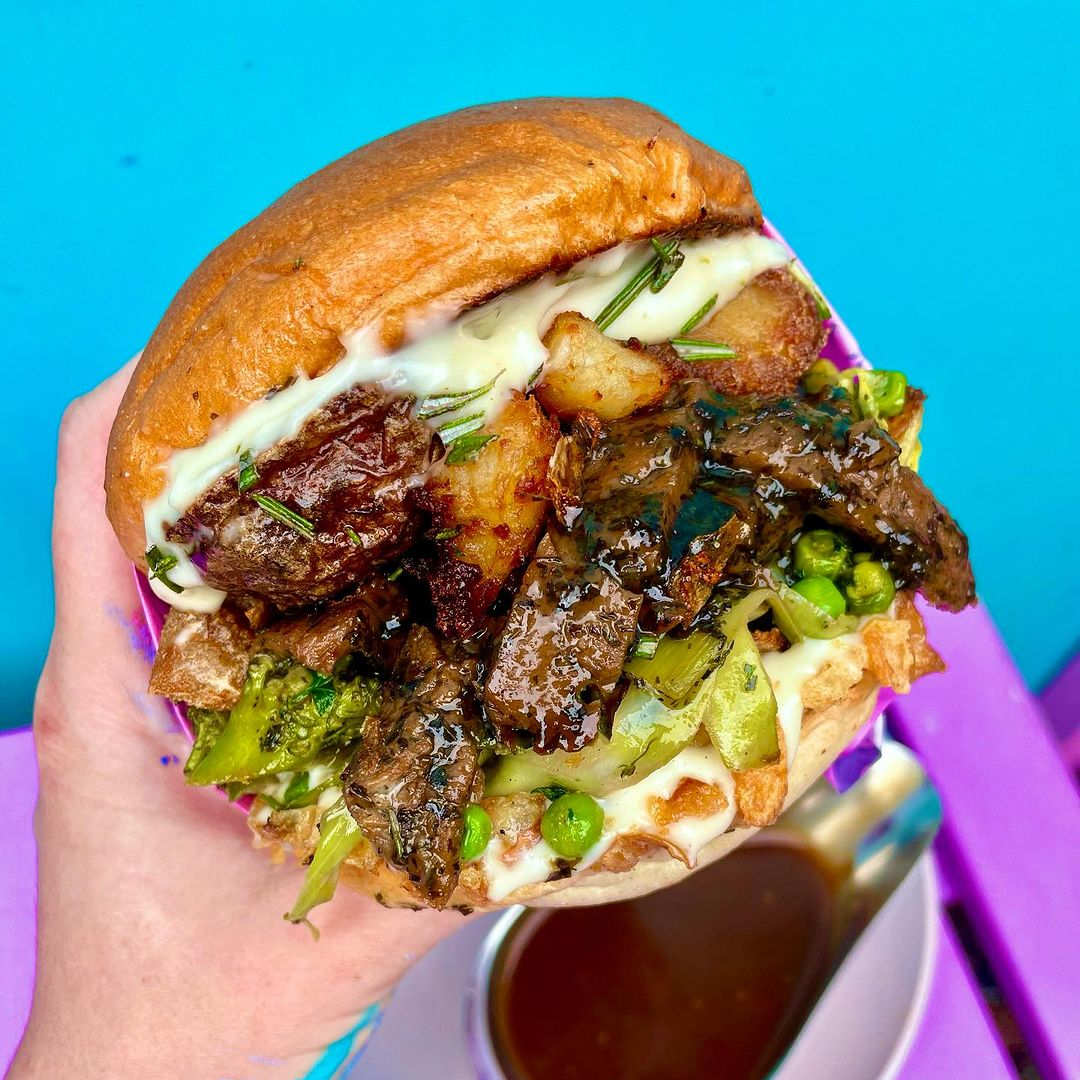
One for the vegans, the veggies, the flexitarians, and anyone who likes big flavours and doesn’t mind not eating meat, Wholesome Junkies puts an ethical twist on the British Sunday favourite by using mock meat in what was a Manchester first and remains a pioneering part of our culinary legacy.
For the summer, they’ve pressed pause on the traditional roast and introduced a range of roast burgers instead. Think minted ‘lamb’ burgers, ‘pork’ sausage with apple sauce, smashed roasties and fried onions, and a cauliflower cheeseburger. Yes, it’s as good as it sounds.
On Sundays, Argentinian steakhouse Gaucho serves up its roast dinner, now in its refurbished space.
ADVERTISEMENT
Choose from roast chicken or sirloin of beef, available either as an individual portion or to share between two, and always served with unlimited Yorkshire puddings.
Chuck in some cauliflower cheese and a hot cookie dough to finish, and you’re laughing.
16. The Firehouse – Ancoats
Credit: The Firehouse/The Manc
With its own Wild Spirits bar serving margaritas, spirits, wine and beer, The Firehouse on Swan Street is one of Manchester’s coolest dining spots. Attached to popular Detroit-style pizza restaurant RAMONA, it’s housed inside a transformed MOT garage and serves wood-fired meats alongside fluffy pittas and a selection of sides.
Come Sundays, though, the team also serves up a proper roast, with options including lemon, garlic and thyme Cheshire chicken, topside of Lancashire beef, Cheshire Saddleback pork belly, slow-cooked lamb shank and a vegan oyster mushroom Wellington.
The roasts come with all the essential trimmings, including Yorkshire puddings, crisp roast potatoes, honey-roasted carrots and parsnips, buttery greens, onion and herb stuffing and plenty of house gravy. Leek and cauliflower cheese is also available as an additional side.
ADVERTISEMENT
17. The Bay Horse Tavern – NQ
Want another fantastic roast in one of our favourite city-centre pubs? The Bay Horse Tavern, right in the heart of Manchester’s Northern Quarter, is a proper pub that takes its Sunday dinner seriously. With roasts served every Sunday from midday until they sell out, it’s well worth arriving hungry.
The current Sunday menu offers a choice of beef topside from Deep Clough Farm, roast chicken, rolled pork belly or a butternut, sage and walnut roast, all served with the usual trimmings. And if you’re going to order a side, don’t overlook the famous pigs in blankets or the seriously indulgent cauliflower cheese, made with Black Bomber cheddar, Parmesan and smoked Applewood.
Add in crisp roast potatoes, seasonal vegetables, Yorkshire puddings and plenty of gravy, and you’ve got all the ingredients for a proper Northern Quarter Sunday roast.
18. Butter Bird – Ancoats
Replacing the former The Counter House over on Cutting Room Square, is Butter Bird, a rotisserie chicken restaurant that specialises in slow-roasted, tea-brined, and butter-basted chicken cooked over an open fire.
On Sundays, that means you can get half a rotisserie chicken, or a roast aged sirloin of beef, all served with rotisserie potatoes, roasted carrots, buttered cabbage, carrot and swede mash, and Yorkshire puddings.
ADVERTISEMENT
There’s also a harissa roasted cauliflower for vegetarians.
19. 10 Tib Lane – Tib Lane
Inside 10 Tib Lane Manchester
Spread across a characterful three-storey townhouse, this intimate cocktail bar and restaurant combines laid-back sophistication with a seasonal, sharing-style menu – and come Sunday, it turns its attention to the roast.
The Sunday menu is a little more refined than your average pub dinner, with options including 32-day dry-aged sirloin, spring herb-stuffed porchetta, chicken supreme and a mushroom Wellington. Each roast comes with all the essentials: Yorkshire pudding, crisp roast potatoes, braised red cabbage, carrot and swede, greens and plenty of gravy.
There are also a few tempting extras, including truffled cauliflower cheese with a pine-nut crumb, while the restaurant’s cocktail list and selection of natural and low-intervention wines make it particularly easy to turn Sunday lunch into a long afternoon.
The best Sunday roasts around Greater Manchester
If you’re based outside of town or simply want to find the best Sunday roasts around Greater Manchester, look no further.
We’ll confess that when a friend from Tameside told us that one of the best Sunday dinners in all of Greater Manchester was attached to a barbers, we raised our collective eyebrows and did plenty of head-scratching. What’s worse is that they were absolutely right.
If you haven’t heard of this place before, Gladstone’s Barber and Bistro is one of the crown jewels in Stalybridge’s increasingly decorated foodie crown; it isn’t too far from another place making waves in Cafe Continental, either.
With a Middle-Eastern-inspired ‘small plate’ menu (they’re not that little, to be honest) throughout the week and one of the most charming settings we’ve enjoyed a roast in some time, you really should give it a try if you haven’t already.
21. Chin Chin – Prestwich
Sunday Sessions at Chin Chin in Prestwich
From the same team behind Elnecot in Ancoats comes Chin Chin, a beautiful wine bar over in Prestwich that has a slightly unusual take on a Sunday lunch.
This fab local spot has launched Sunday Sessions, where the record player spins jazz and the kitchen slings roast meat sandwiches.
Just imagine the amazing meat from the Elnecot roast, but sliced up and put into bread. Divine.
22. The Black Friar – Salford
Heading just beyond the edge of the city centre now, that lovely little stretch around Greengate is home to the lovingly restored Black Friar on Blackfriars Road – one of Salford’s cosiest traditional pubs and a proper destination for food and drink.
A Grade II-listed pub with a beautifully restored interior, The Black Friar combines the character you’d expect from a historic boozer with a more ambitious approach to food. The kitchen serves everything from proper pub classics and homemade pies to elevated modern British dishes, while Sundays are all about the roast.
With weekly changing meats served alongside crispy roast potatoes, Yorkshire pudding, roast root vegetables, greens and plenty of gravy, The Black Friar’s Sunday dinner is a particularly good shout when you’re after something hearty.
And there’s more from the team beyond Salford. The people behind The Black Friar took over the historic Horse & Jockey in Chorlton, reopening it in late 2025 as a gastropub with a seasonal, locally focused menu – including their own modern take on the Black Friar’s renowned Sunday roasts.
The gravy at Station South in Levenshulme is SO good that some customers famously drink it straight from the glass. The ‘cycle cafe for everyone’ has become something of a neighbourhood favourite since opening its doors this summer, and now we’ve got another reason to go. Roasts.
With giant, fluffy Yorkshire puddings, heaps of potatoes and greens, the plates here are very generous – but you will have to spring an extra £1.50 for a jug of additional gravy. We reckon it works out fair enough, though, thanks to the huge portion sizes.
We could happily die here – that is all. Moving on.
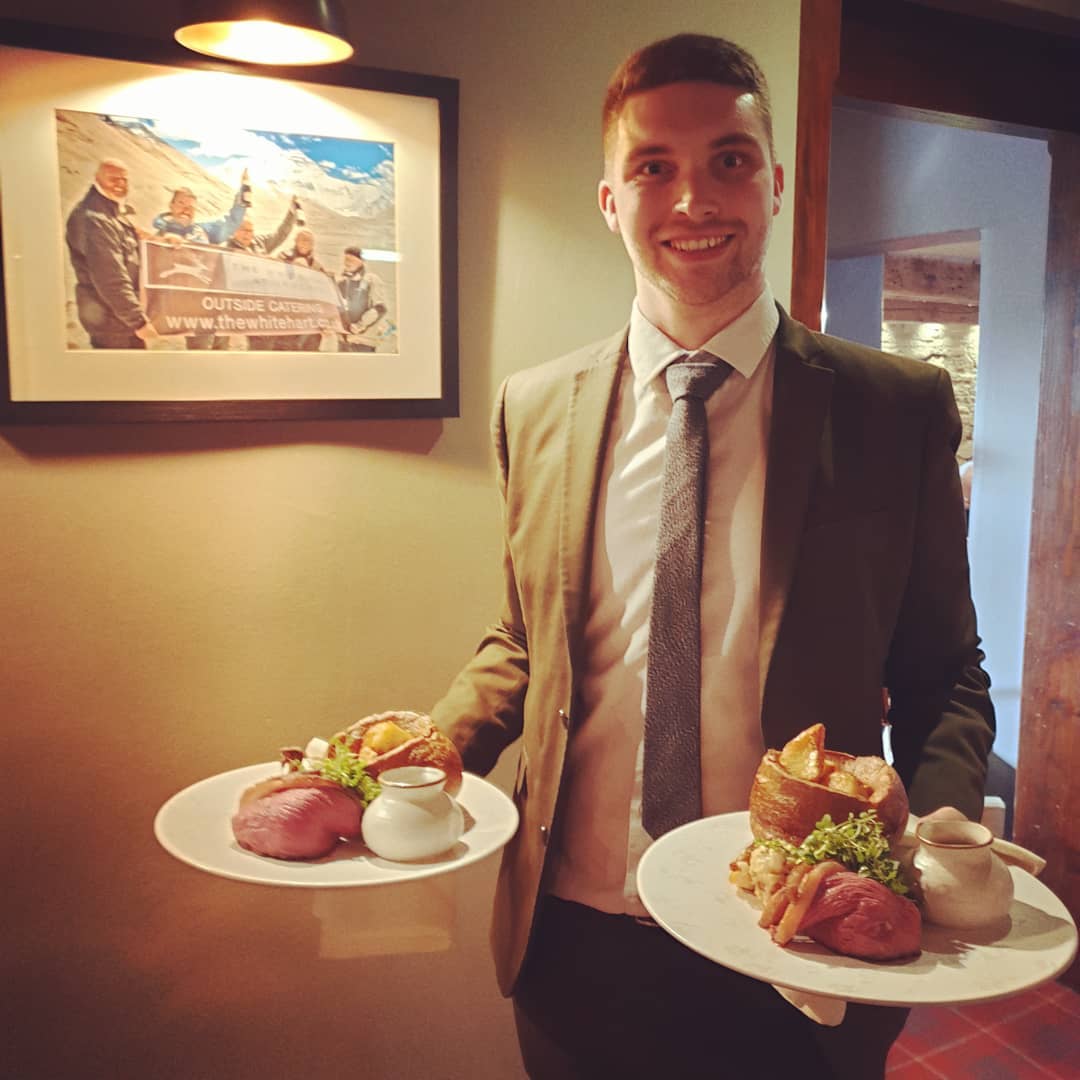
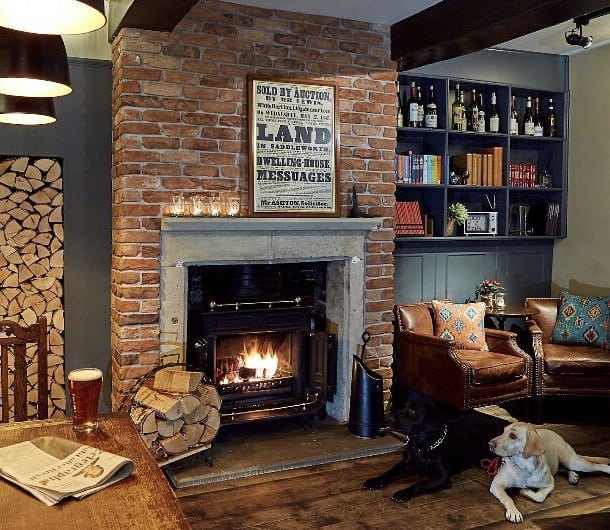
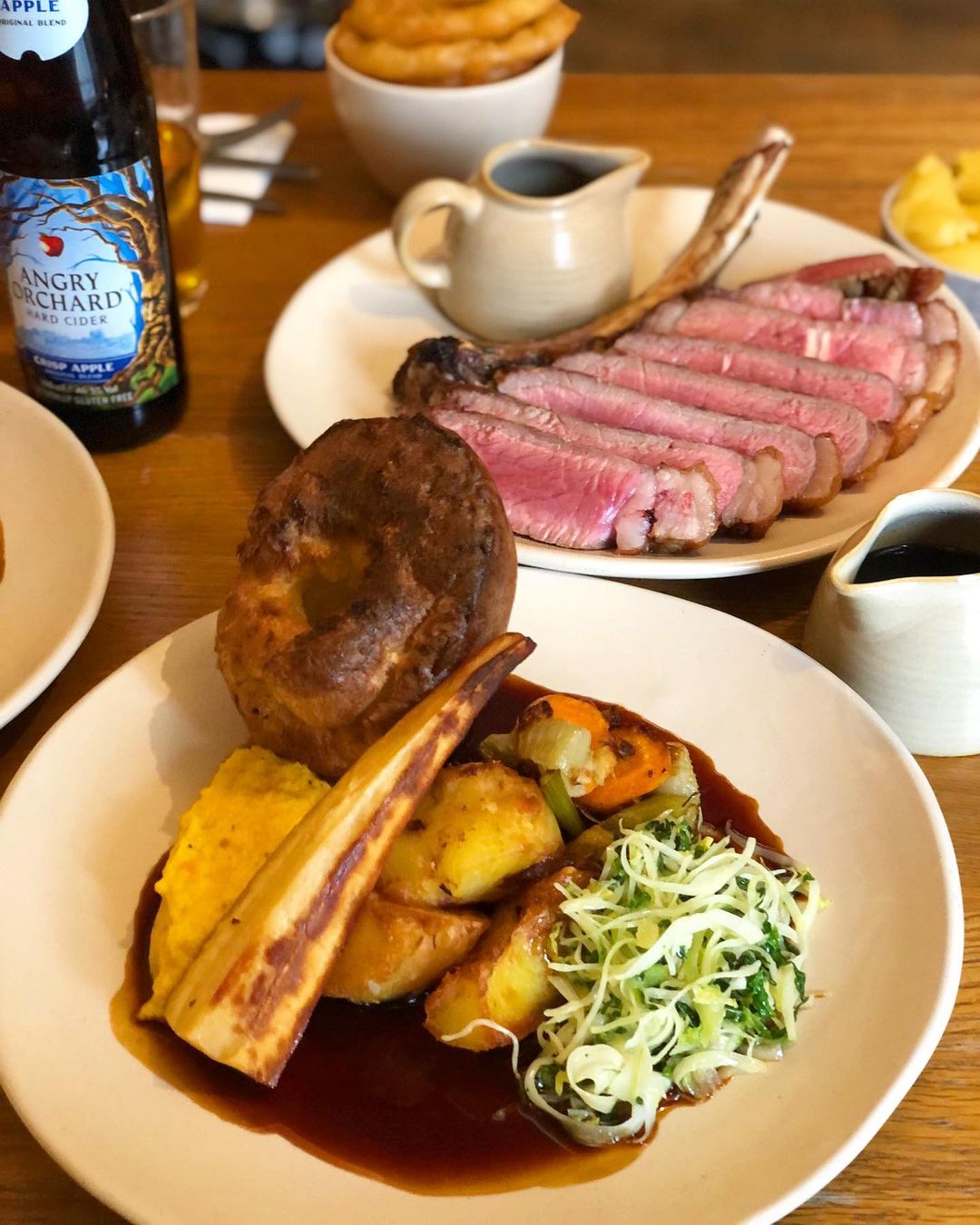
For proper country feels, head to The White Hart at Lydgate for a bang-up Sunday feast. Priced at £29 for 2 courses or 3 for £35, those after a traditional roast can tuck into grass-fed Hereford rump of beef, Easingwold pork belly or roasted Yorkshire chicken.
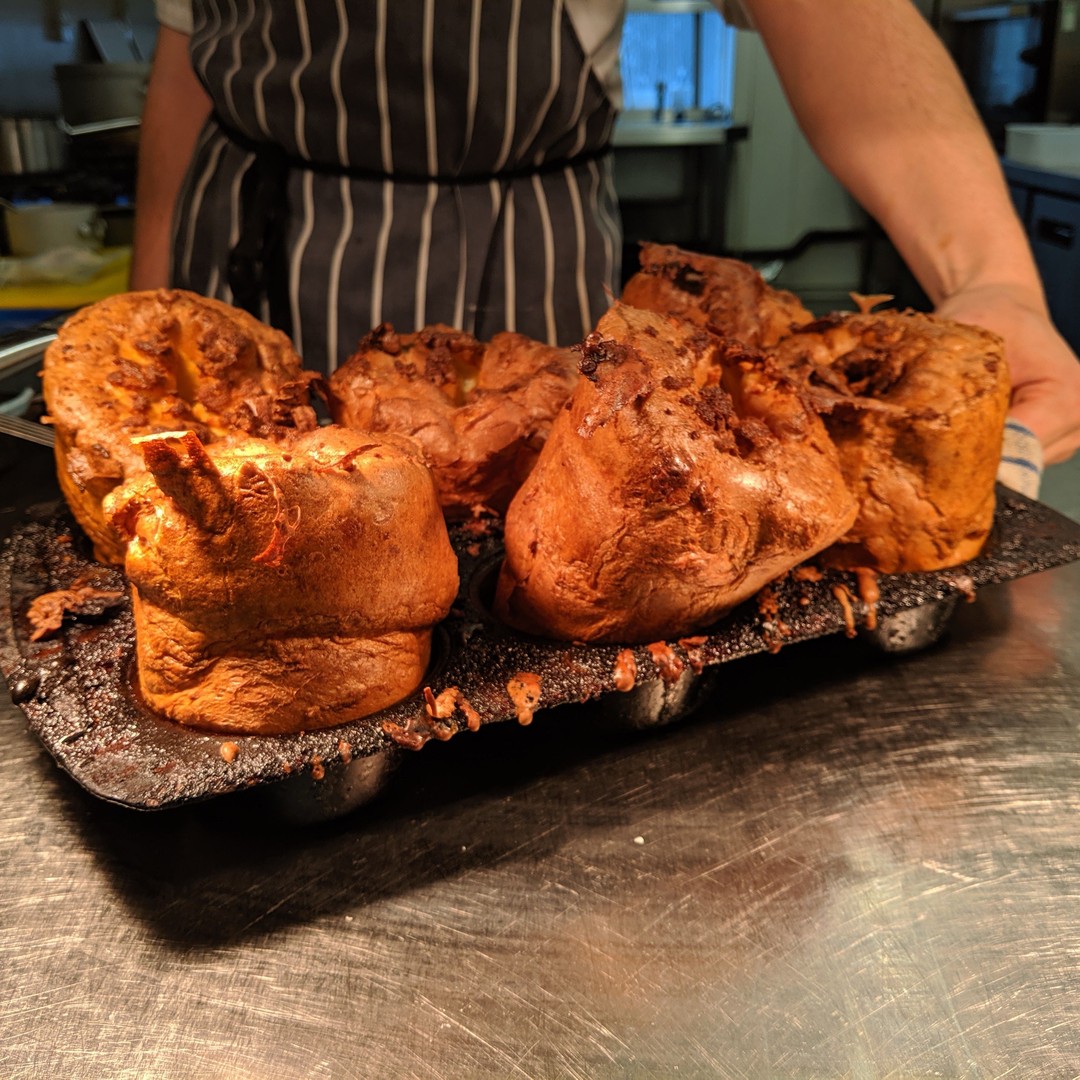
Roasts are served from 12-8pm with Yorkshire puddings, roasted potatoes, cauliflower cheese, honey-glazed carrots, savoy cabbage, crispy stuffing, apple and red wine sauce. Alternatively, swing for the coronation cauliflower, crispy haddock and chips or pan-fried stone bass if you fancy something a little different.
A real ‘hidden gem’ before chronic overuse resulted in the phrase losing all meaning.
25. The Pack Horse – Hayfield
Credit: The Pack Horse
Credit: The Manc Eats
This multi-award-winning country gastropub has had some impressive accolades of late, not least an ebullient new inclusion in the Michelin Guide.
All roasts here come served with crispy potatoes, carrot and swede mash, braised vegetables, buttered cabbage, Yorkshire pudding and gravy. Choose from Derbyshire beef sirloin, High Peak lamb shoulder slow-roasted overnight, or a ‘chicken of the woods’ mushroom and truffled Baron Bigod tart with seaweed gravy.
A regular haunt of some of Glossop’s most esteemed foodies, technically it’s not in Manchester but we’re not letting that get in the way of a great scran — and neither should you.
It goes without saying that there are obviously plenty of other brilliant places serving some of the best Sunday roasts in Greater Manchester, and we simply couldn’t include them all — why do you think we couldn’t just stick with 10?
Honestly, if you don’t spot your favourite on this list, we’re sure it pains us just as much, but at least you can feel at peace with the knowledge that this city doesn’t disappoint when it comes to Sunday dinner.
That’s all from us for now, anyway, we’re off to drown in a sea of gravy. After all, that’s the best part of Sunday lunch, right?
The inflatable floating obstacle course you can splash around on near Manchester
Daisy Jackson
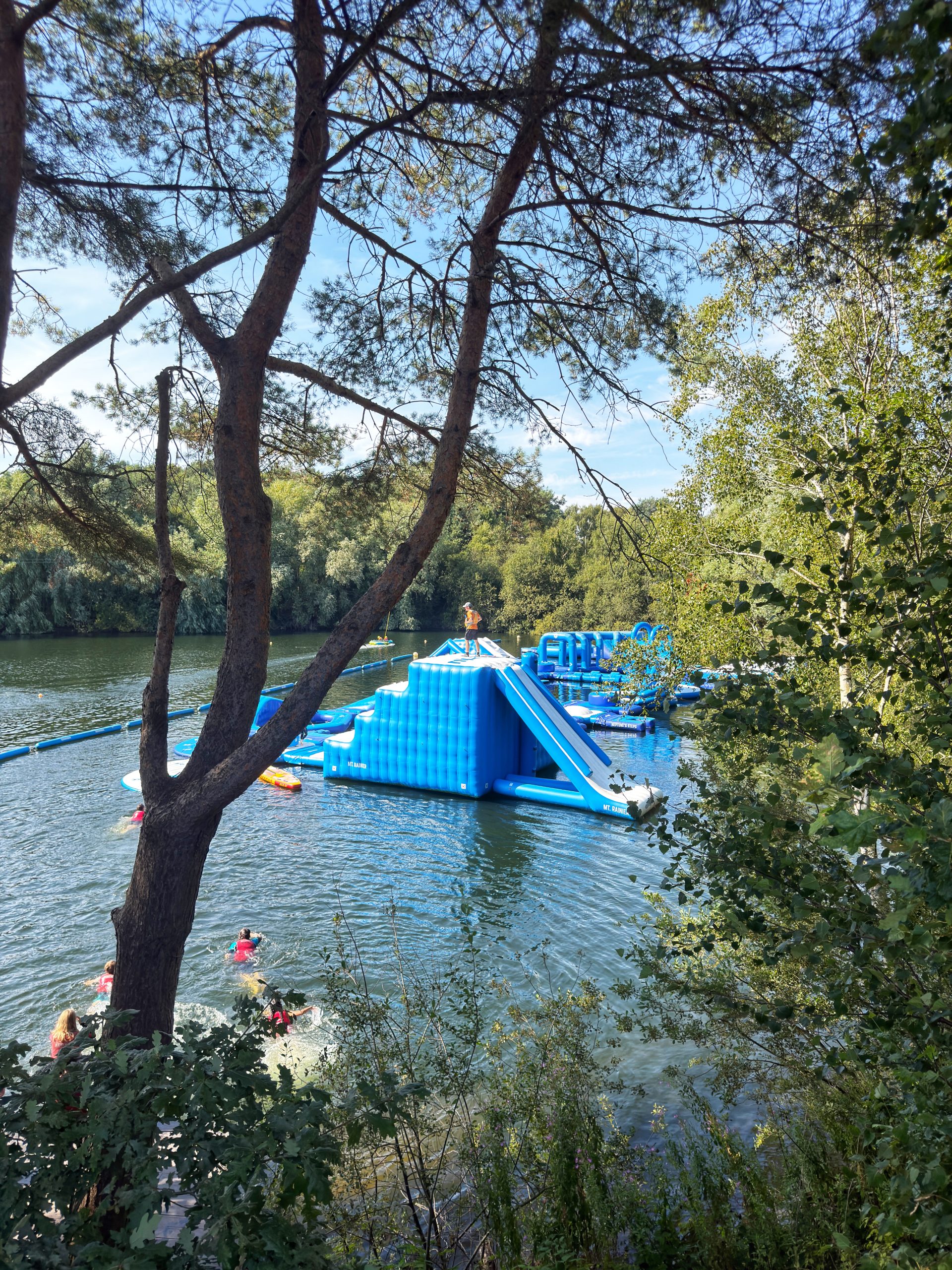
There’s a giant inflatable floating obstacle course less than an hour from Manchester, where you can slide, jump, and fall straight into a lake.
At Wild Shore Delamere, you can tackle obstacles like monkey bars, the ninja-jump, the tyre run, and a giant 3.8 metre-tall inflatable tower, all floating on the surface of the picturesque lake.
The adventure hub opened back in 2019, offering families a chance to play on Delamere Lake, or try new watersports right here in the North West.
Let’s head to that inflatable Aqua Park – even as a full-grown adult, this is one of the silliest afternoons you can imagine.
Squeeze yourself into a wetsuit then launch yourself into the lake, ready to clamber all over a course that is essentially a gigantic floating bouncy castle.
The trickiest part is managing to stay on your feet as you slip and slide your way around the course in your 50 minute session – but really, where’s the fun in staying on your feet?
Monkey BarsThe Ninja JumpThe Tyre RunThe Figure EightFeatures of the Aqua Park at Wild Shore Delamere
While you’re on the lake, you can also try other activities like the Ringo, which whips you up and down the water on a huge inflatable, while the operator seems dead-set on flinging you off.
As well as the inflatable Aqua Park, there’s the Aqua Chimp ropes course for the more gymnastic types, plus wakeboarding, paddle boarding, and open water swimming.
Wild Shore Delamere has also added a new sauna this year, which overlooks the water – you can enjoy contrast therapy, switching from the warm sauna to the lake itself.
Wetsuits and life vests are included, so all you need to pack is a swimsuit, towel, and a bit of reckless abandon as you crash beneath the surface.
Paddle boards at Wild Shore DelamereThe sauna and cold plungeThe RingoAqua Chimp

 The Manc -
1st April 2021
The Manc -
1st April 2021