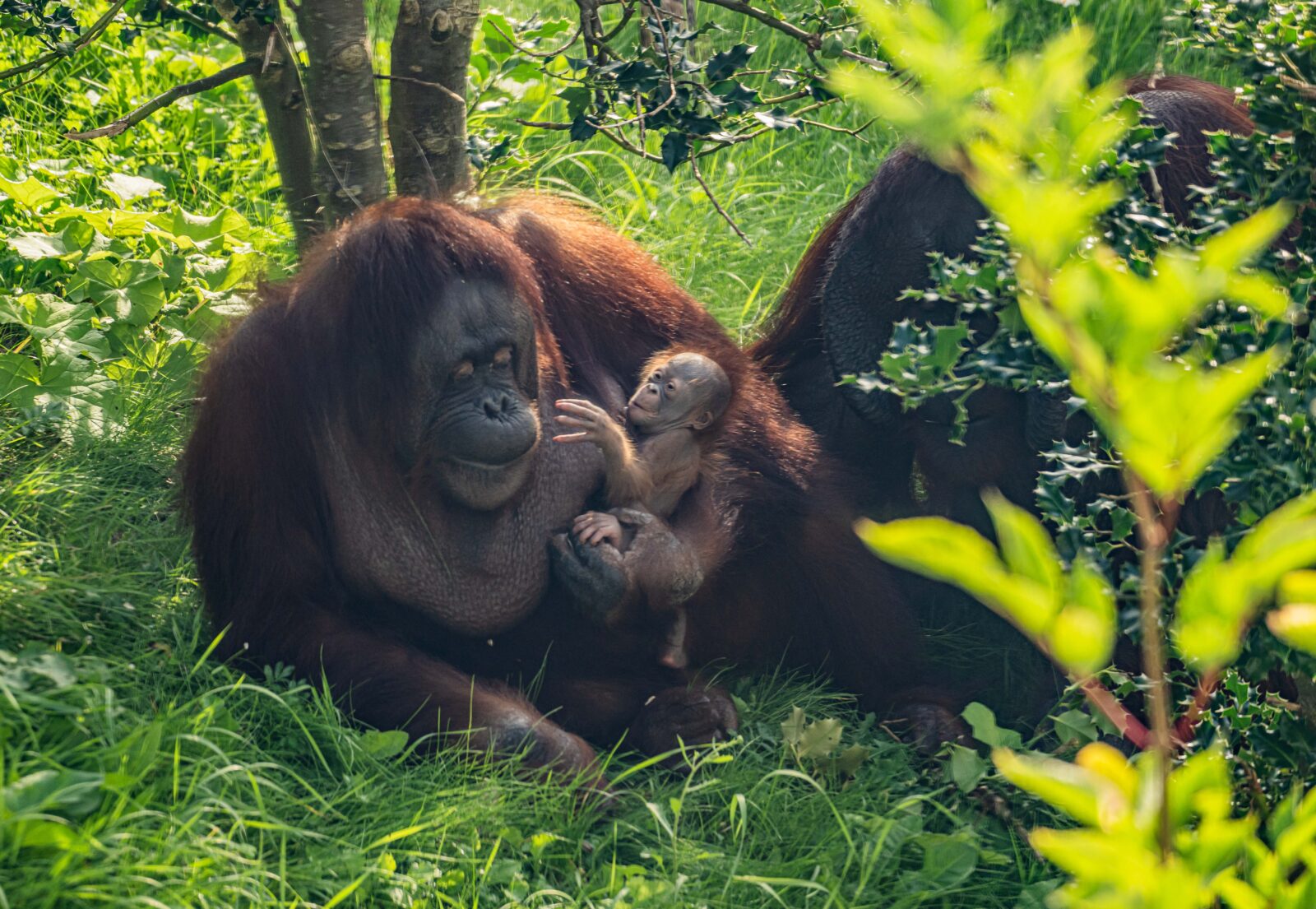
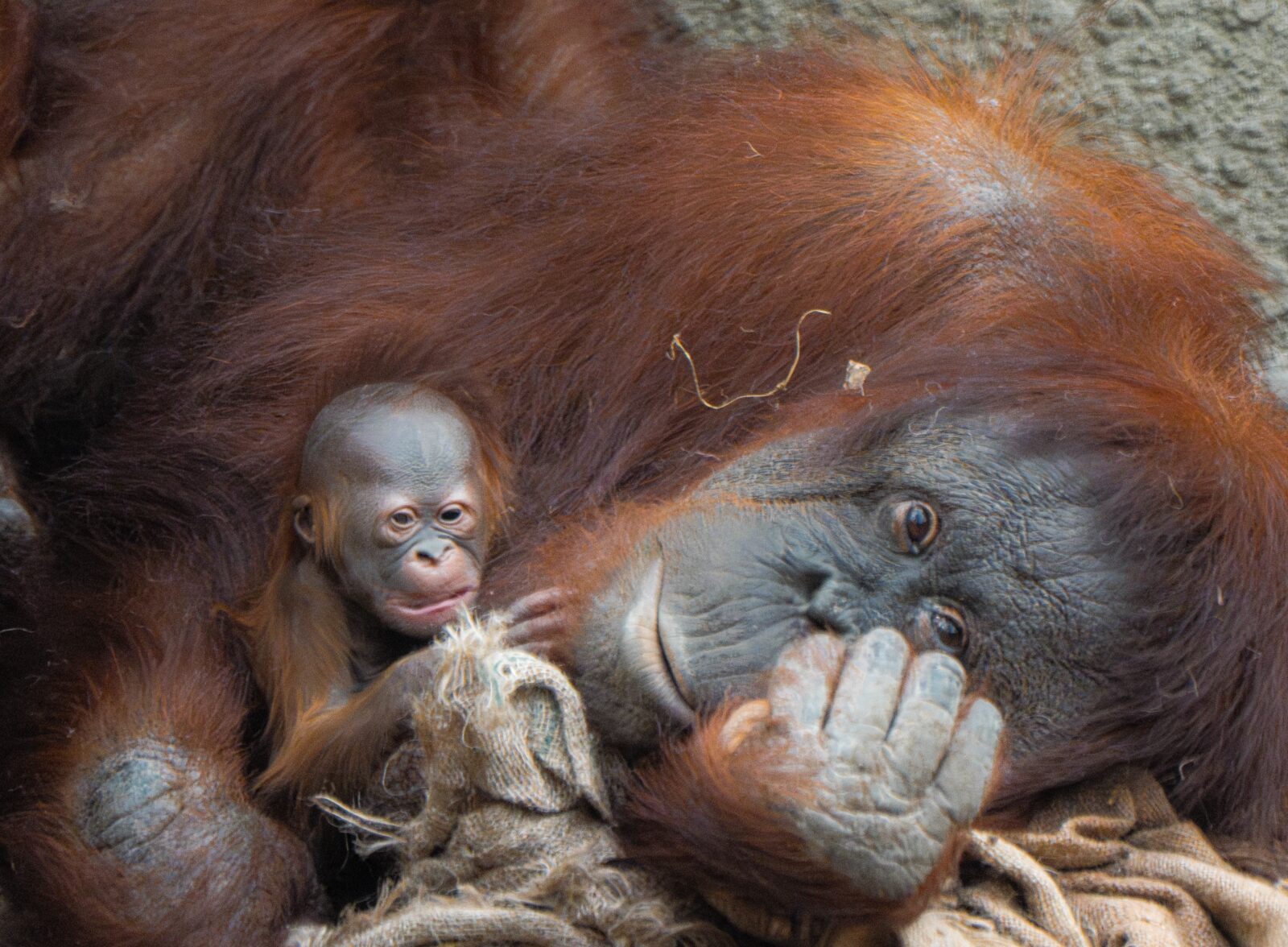
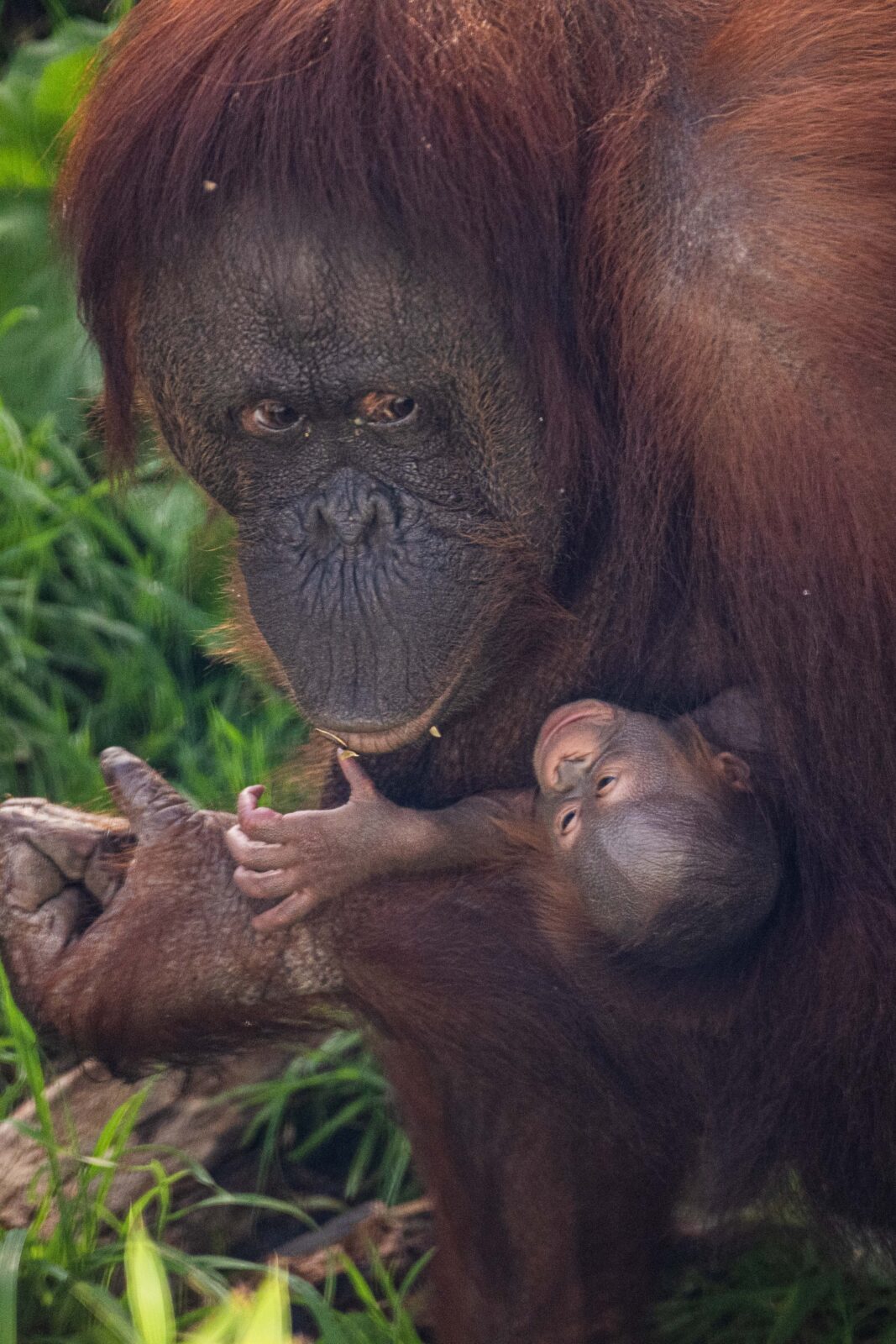
A rare Bornean orangutan has just been born at Chester Zoo, and it’s a seriously important moment for the critically-endangered species.
Primate conservationists at the UK’s biggest charity zoo are celebrating the “precious” new arrival – who was born to doting parents, Sarikei and Willie, last week – and have also shared the first images and videos of the adorable new baby.
The birth is a “positive step in the right direction” for the protection of the highly-threatened species.
The world’s authority on the state of nature, the International Union for the Conservation of Nature (IUCN), sadly lists Bornean orangutans as critically-endangered in the wild, and ranks them as one of the species which requires the highest conservation priority in the world.
This is because rampant habitat destruction has seen the lush rainforests of Borneo cleared for agriculture, logging, and unsustainable oil palm plantations, and the massive loss of this habitat, coupled with illegal hunting, and conflict with farmers when orangutans enter areas where their forest homes once stood, means the animals have been to the very edge of existence.
ADVERTISEMENT
But luckily, Chester Zoo‘s newborn orangutan will join a European-wide conservation breeding programme.
The aim of the programme is the boost the population of the rare primate in conservation zoos.
ADVERTISEMENT
A critically-endangered Bornean orangutan has been born at Chester Zoo / Credit: Chester Zoo
Chester Zoo has been working with its conservation partners, HUTAN, in protecting wild orangutans in Borneo for more than 20 years now.
On top of this, experts have been carrying out research in the Kinabatangan – which is home to one of the largest populations of orangutans in the Sabah region of the island – to gain a better understanding of how orangutans are adapting to an increase in oil palm plantations, and the new landscapes which they have created.
A team of zoo primatologists has also helped to create special ‘orangutan bridges’ on the island – which are designed to “connect pockets of fragmented forest”, and aid orangutans in “moving safely between different areas”, the Zoo says.
ADVERTISEMENT
Conservationists have called the birth a “positive step in the right direction” / Credit: Chester Zoo
“The birth of an animal that’s so rare is always something to celebrate,” admits Mark Brayshaw, who is the Head of Mammals at Chester Zoo.
“Seeing the new baby in the arms of mum Sarikei is incredibly special, because she’s a great mum and has spent the first few days cradling her baby closely, feeding it regularly, and building close bonds, [which are] all the signs are great so far.
“With the newborn just a few days old, we’ve not yet managed to clearly identify if it’s male or female [but] what’s most important is that there’s another healthy Bornean orangutan on the planet.
“To have a new addition within the international conservation breeding programme that’s working to safeguard the species’ future is a hugely positive step in the right direction.”
Featured Image – Chester Zoo
News
Premier League Darts is returning to Manchester’s AO Arena in 2027
Lydia Mastrolonardo
Premier League Darts is confirmed to be returning to Manchester next year.
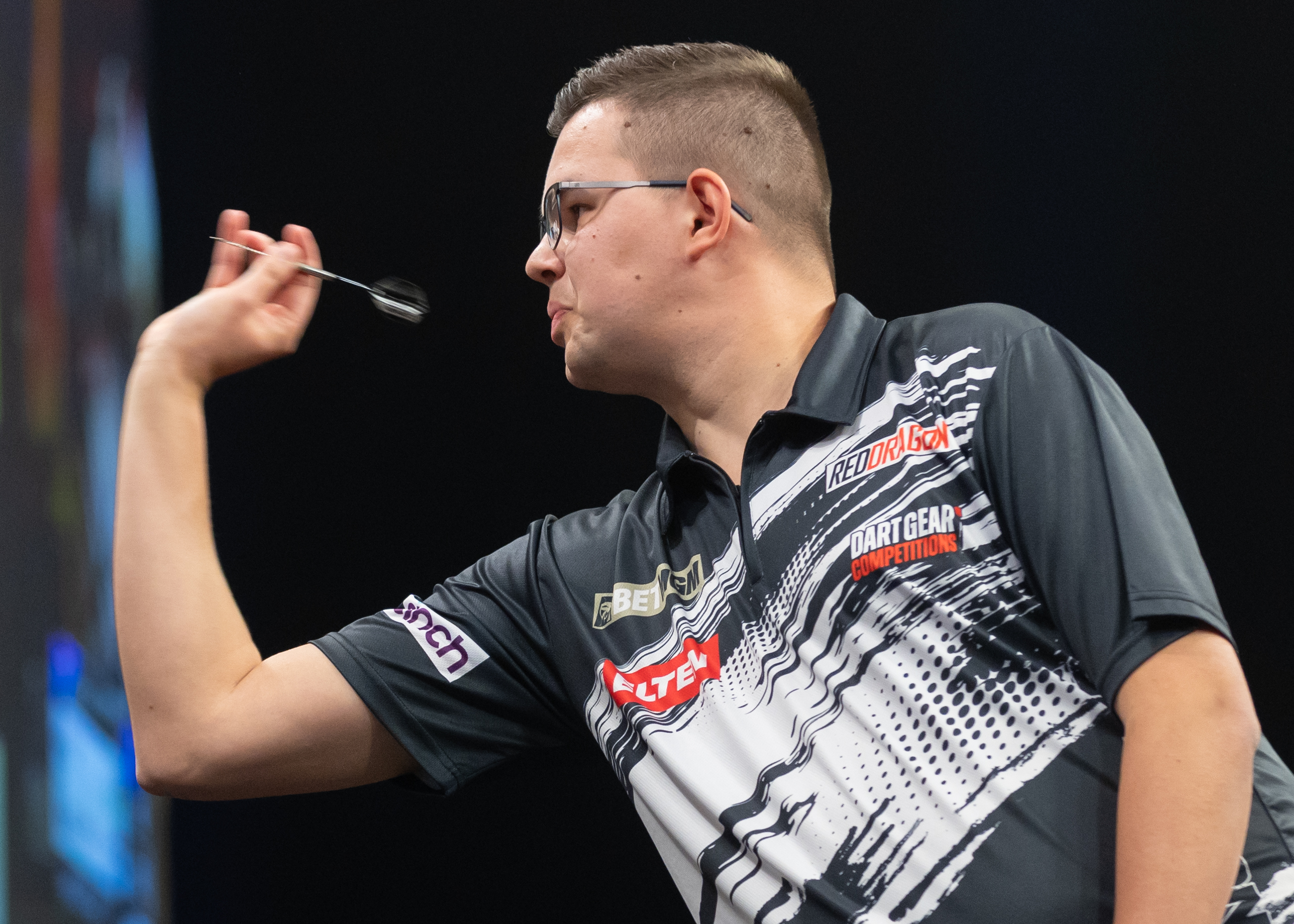
Now’s your chance to see the youngest world champion in darts history, AKA Warrington’s very-own Luke ‘The Nuke’ Littler, show us how it’s done, as next year’s BetMGM Premier League Darts lineup has just been announced this week – with various dates confirmed across 17 different cities in the UK and Europe.
And Manchester is one of those cities, as the AO Arena has shared that they are set to host an evening next April, and we couldn’t be more excited about it.
This means that we will be lucky enough to witness the biggest names in world darts all under one roof, including headliners Gian van Veen and Luke Humphries, as well as Littler.
Manchester is the only northern city to get the pleasure of hosting the event next year, as Liverpool is also on the lineup, as is Leeds, Sheffield, and Newcastle, while elsewhere in the UK, the stars will travel to Glasgow, Birmingham, London, and several other major locations.
BetMGM Premier League Darts is to be held on Thursday 8 April at the AO Arena in Manchester, and to avoid being disappointed, fans are advised to register for presale ticket access.
Following a successful season of events in 2026, tickets are expected to be like gold-dust, so don’t say you haven’t been warned.
To access the first wave of tickets, fans must become an active PDCTV Annual Member before 23:59pm on Friday 9 October. Alternatively, general sale is on Thursday 22 October 2026, but make sure not to hang about.
Featured Image – Sandro Halank (via Wikimedia Commons)
News
Andy Burnham wants to scrap the ‘unfair’ ban on drinking alcohol in football stands
Emily Sergeant
Andy Burnham has claimed he wants to scrap the ‘unfair’ ban on fans getting to drink alcohol in football stands.
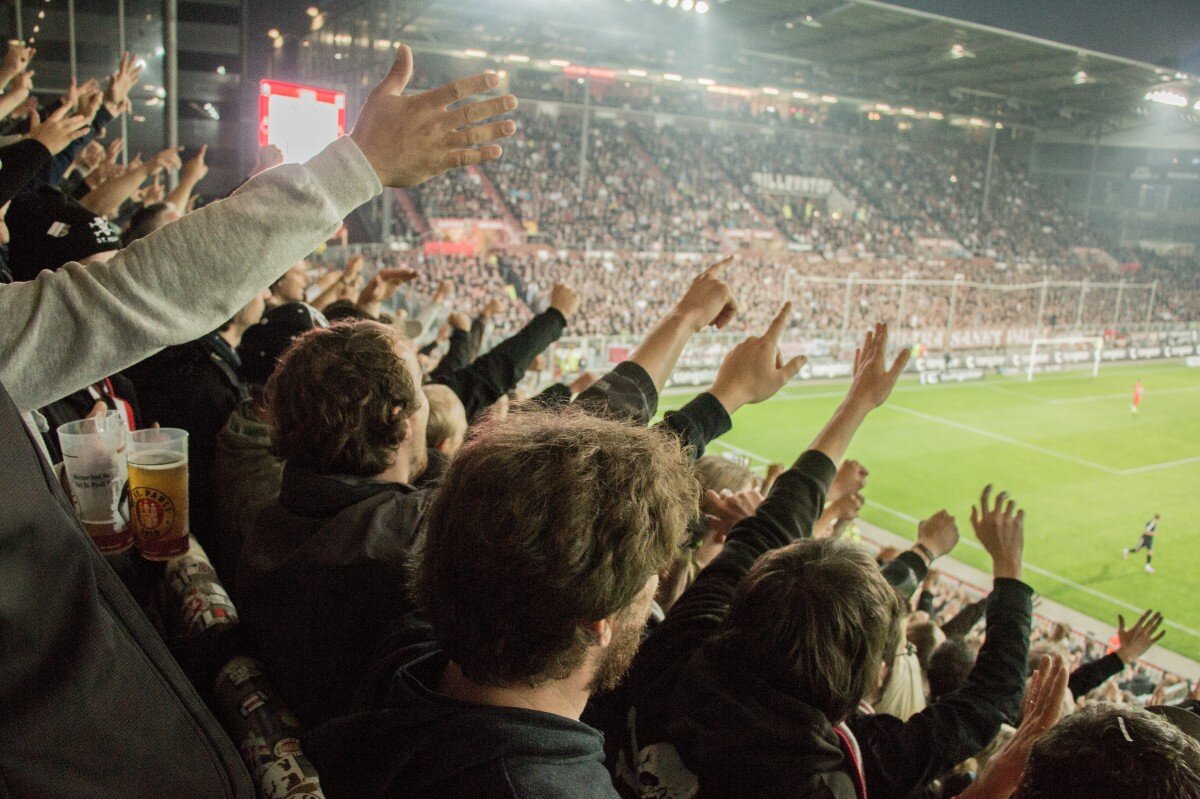
It’s a ban that’s been in place in the top five tiers of men’s football since 1985, when fears over violence and hooliganism were at their height, but now the Prime Minister has raised the question of whether drinking in football stands – or ‘drinking in sight / view of the pitch’, as it’s known formally – is actually unjust, due to the fact that same rules don’t apply to fans of other sports.
“I don’t think it’s fair for football fans to be singled out in that way,” Andy Burnham has declared this week, grabbing headlines in the process.
He continued: “I think that legislation dates to an era where football was very different, and I do believe there is a case to remove that discrimination.
“I’m not going to back away from what’s been a long-held view of mine. I don’t see how it can be fair that some supporters of one sport can be treated differently.”
The Prime Minister’s comments have been met with mixed response.
Andy Burnham wants to scrap the ‘unfair’ ban on drinking alcohol in football stands / Credit: James Kirkup | Julia Nastogadka (via Unsplash)
The Football Supporters’ Association (FSA), for example, has very much welcomed the idea, saying that it ‘totally agrees’ the legislation is ‘outdated’ and ‘deserves to be reviewed’.
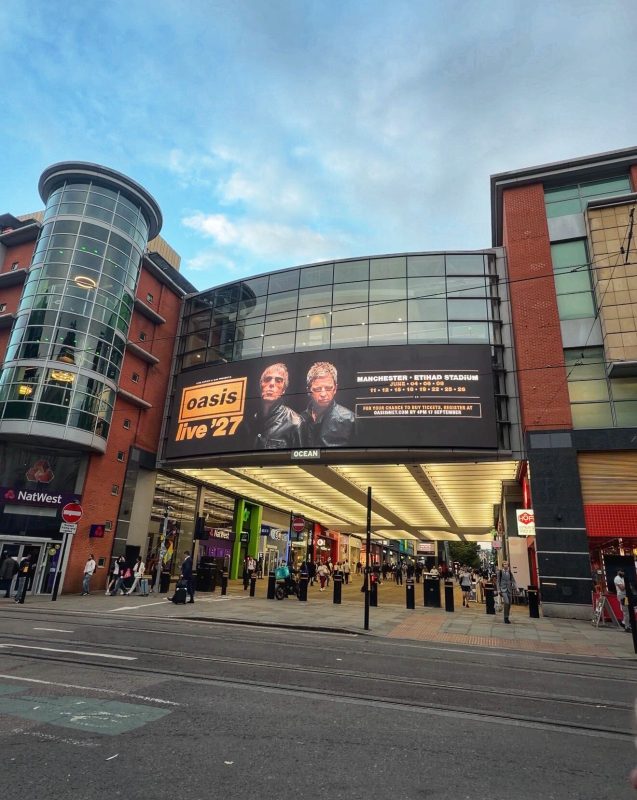
Tom Greatrex, chair of the FSA, said in a statement: “The FSA has always argued that it’s unfair to criminalise football fans for having a pint while watching the match – especially since you can sit in the same seat drinking alcohol whilst watching an Oasis gig or rugby league.”
However, on the flip side, the UK Football Policing Unit said it would be ‘incredibly rash’ to change the rules without proper consultation.
“Other sports simply don’t see the violence and criminal behaviour from their supporters that football does, albeit a minority, with alcohol often playing a significant part in violent and disorderly behaviour,” it said in a statement on the matter.
The Prime Minister did state in his initial proposition though that ‘there are different ways it could be done’, hinting that it could be done ‘on a trial basis’ perhaps.
The English Football League (EFL) added that it would be ‘receptive to discussions around reviewing current legislation and permitting alcoholic drinks within view of the pitch’.
No formal details on a review have been confirmed as of yet, so fans are encouraged to stay tuned for updates in due course.

 Emily Sergeant -
8th September 2023
Emily Sergeant -
8th September 2023