Students at St Mary’s Roman Catholic Primary in Langho are set for an exciting return to the new academic year this week as their school has undergone an impressive £1.7 million transformation during lockdown.
Those returning to their studies at the school for the first time since lockdown will be able to enjoy brand new facilities and even more space after specialist works have been completed to create new classrooms and expand existing buildings.
Carrying out the improvements on behalf of Lancashire County Council, the £1.7 million scheme also saw utilities company ENGIE complete refurbishment works to the existing school building.
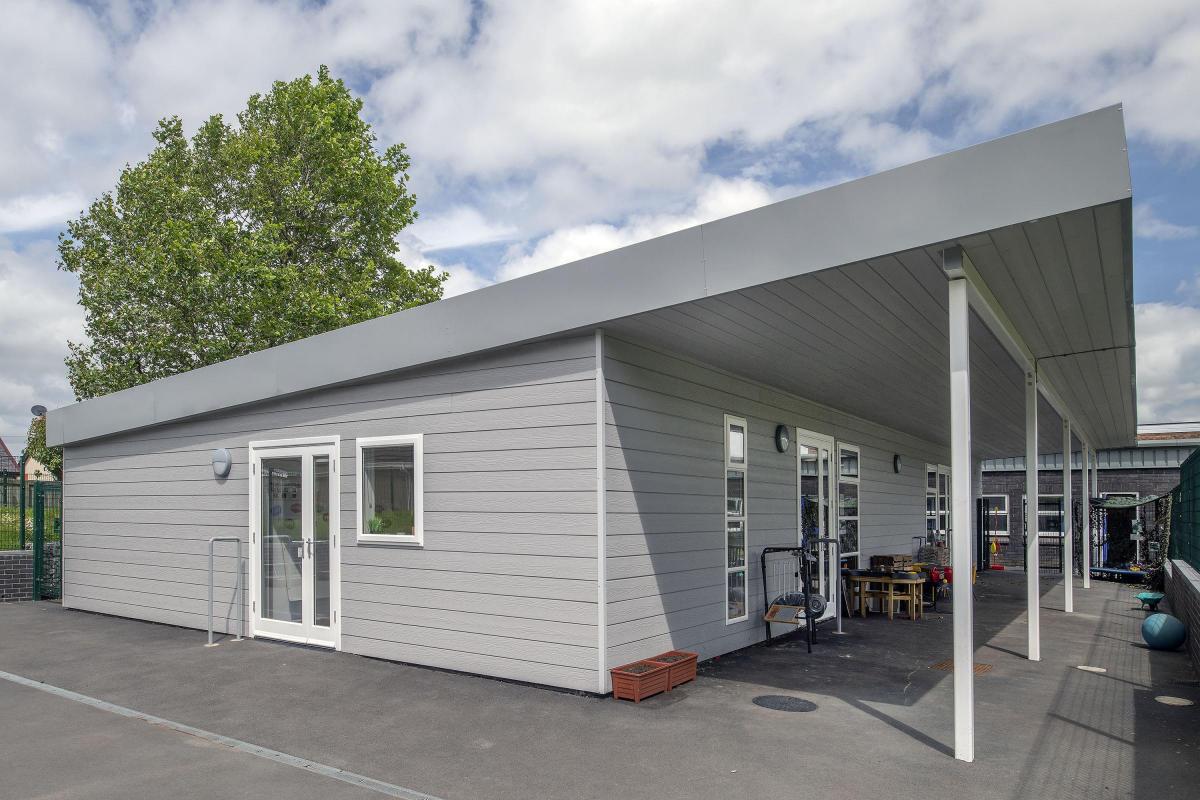
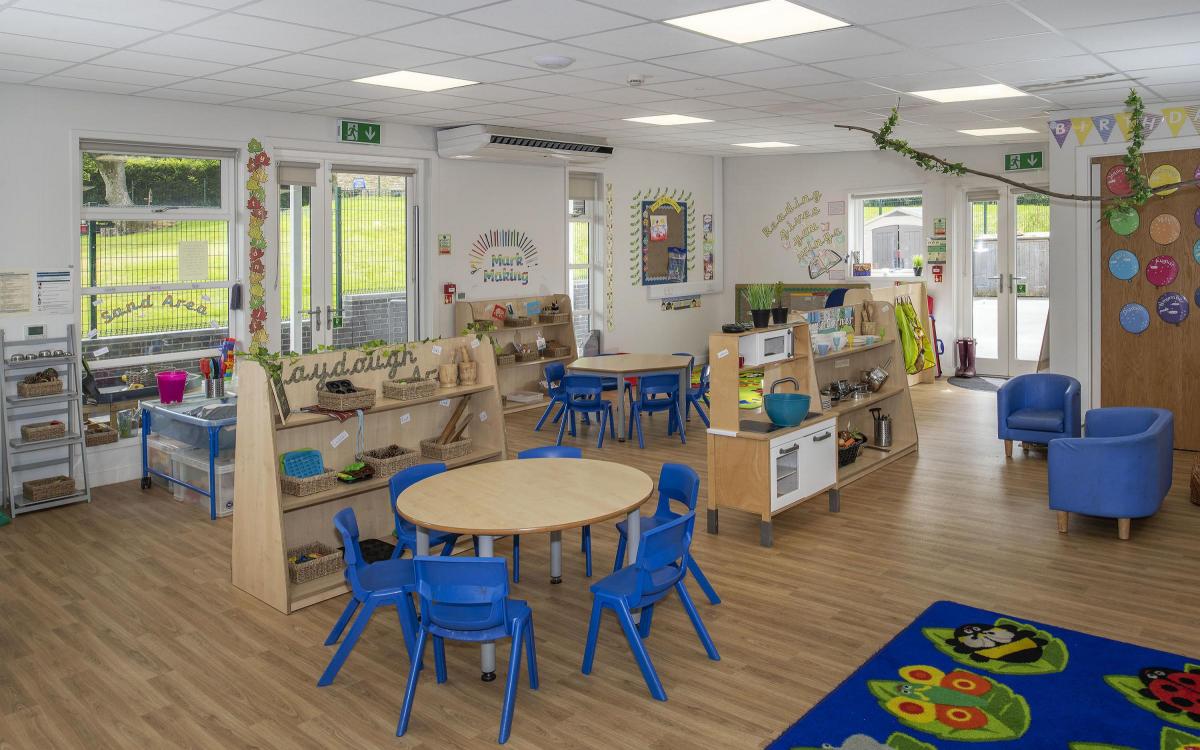
The work – which was completed just before lockdown in March – comprised a playground extension, the construction of a multi-use games area, and the creation of a modular building for early years education, as well as the main school building also being extended to create a bigger hall and office and administration areas.
A complete rewiring, updating of the fire alarm system and data network, and constructing accessible toilets was also carried out, along with work to re-lay the car park – which included the addition of better drainage and the installation of a system which separates car oil from surface water – to help reduce pollution running into the neighbouring stream.
ADVERTISEMENT
ENGIE / St Mary’s Roman Catholic Primary
ENGIE’s community engagement team also worked with pupils while works were on-going to bury a time capsule at the school, and a health and safety poster competition was also organised, with seven of the winning works now displayed on the boundary fencing.
The site team also donated a mobile water butt to the local Langho in Bloom group.
ADVERTISEMENT
Alyson Seddon – Head of Education and Public Buildings at ENGIE – said: “All these works will ensure St Mary’s – a key community primary school – will have the facilities fit for the next generation of pupils who will be able to learn in new classrooms and enjoy playing in the multi-use games area.
“The works will also benefit staff who can teach pupils in modern facilities,”.
News
Award-winning Manchester restaurant Another Hand announces closure with ‘immediate effect’
Emily Sergeant
One of Manchester’s most popular intimate restaurants has sadly announced that it’ll be closing its doors with ‘immediate effect’.
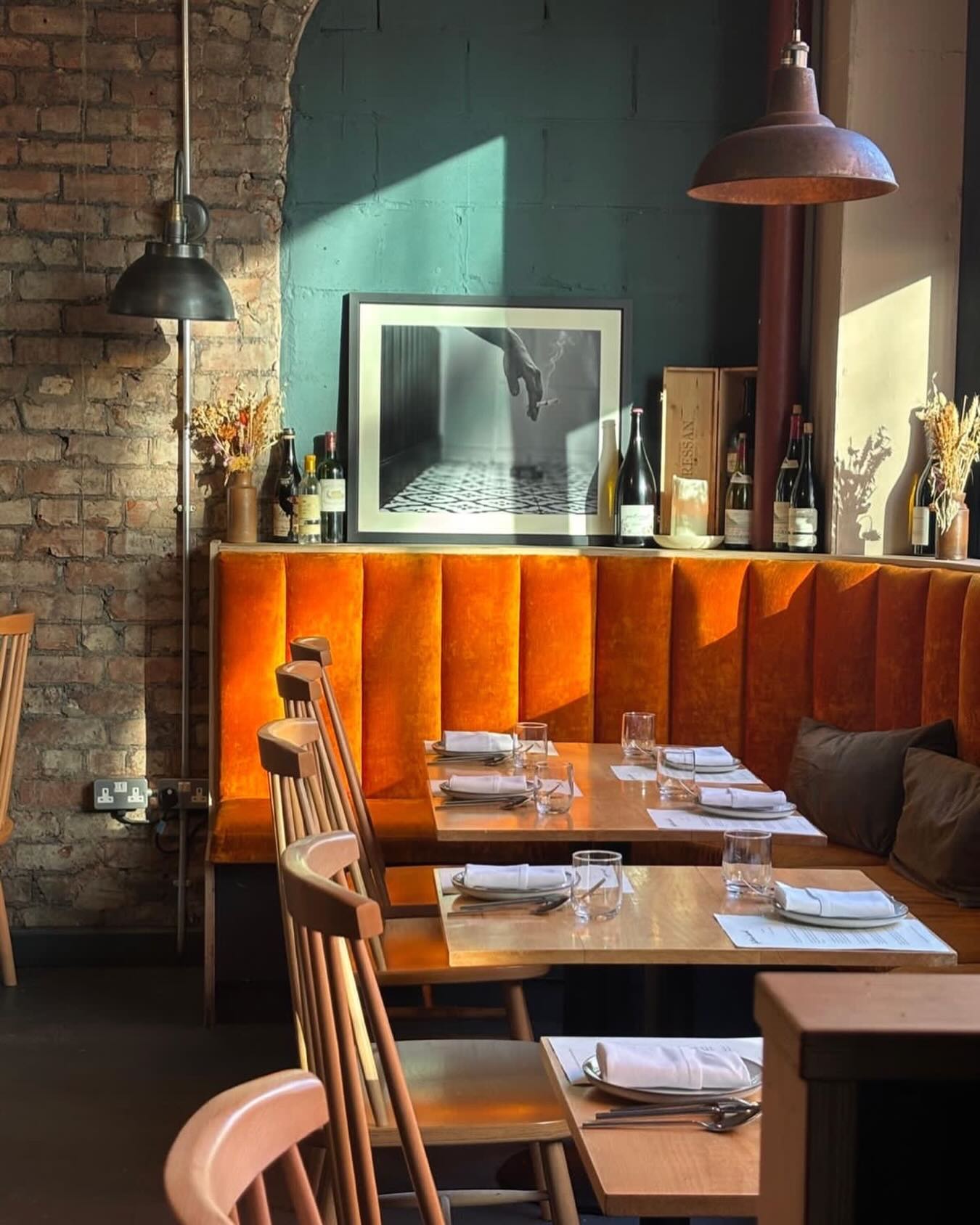
Another Hand – which can be found tucked away up on Deansgate Mews – opened back in 2022 to acclaim from critics and customers, as well as scooping up several awards along the way like Best Newcomer at the 2022 Manchester Food and Drink Awards, and places in the Michelin Guide and the Good Food Guide along the way.
Not only that, but the 24-seater intimate casual dining restaurant was also named as one of the best restaurants in Manchester merely three weeks ago by respected publication, Time Out.
Launched by the team behind 3 Hands Deli – which operated from a site two units down – Another Hand was known and loved for focusing on sharing plates made with produce from local ethical growers.
And it seemed to be going from strength to strength, but sadly, the restaurant took to social media yesterday to announce its decision to close ‘with immediate effect’.
Another Hand said in its statement on Instagram: “With heavy hearts we are sad to announce that after five years Another Hand will be closing its doors with immediate effect.
“Unfortunately, as most of us know, the current economic climate for the hospitality sector is facing steep challenges, sadly a familiar story. And after five years of operating within this increasingly challenging environment, we feel it’s time for us to step away.
“This isn’t a decision we’ve taken lightly, but it feels like the right time to bring this chapter to an end.
“We’re incredibly proud of what we’ve built here. From the people who have worked alongside us, to the producers and suppliers who have supported us; and most importantly, everyone who has come through the door and eaten with us…. thank you.
How will the Government’s new digital ID alternative for alcohol sales work?
Emily Sergeant
All licensed venues across England and Wales now have the choice to introduce digital proof of age for alcohol sales alongside physical.
Instead of having to hand over physical ID that contains personal information, such as names and home addresses, customers now have the choice to simply provide confirmation that they are 18 or over on their phone – helping to better protect privacy and personal safety in the process.
This means that, no matter whether you’re buying a drink at your favourite pub, heading to a festival, or enjoying a night out at a concert, you won’t need to worry if you’ve left your ID at home.
According to the Government, this new change will benefit businesses greatly too, as certified digital services are able to check that an ID is genuine and belongs to the person presenting it much easier than the alternative can, which therefore helps to reduce the risk of any fake or borrowed IDs going undetected.
Well, according to the Government, it could be as simple as a customer showing a QR code for staff to scan, or tapping their phone against a compatible reader, where staff will then receive a clear confirmation on their device that the customer has passed the age check.
This change follows a 2024 Government consultation where it was reported that 72% of respondents supported the use of digital identities for age verification when buying alcohol.
Digital Government Minister Stephanie Peacock reiterated that ‘it will remain an individual or business’ choice whether to use or adopt [digital ID]’ and that physical ID will ‘still remain a valid way’ for customers to prove their age.
“This groundbreaking change in the law will mean you do not need to carry a physical ID, nor hand over sensitive personal information such as your name or address just to prove your age, allowing everyone to feel safer on a night out,” she concluded.

 Emily Sergeant -
31st August 2020
Emily Sergeant -
31st August 2020