A new Mediterranean grill restaurant has just opened in the Northern Quarter, bringing an exciting mixture of smoky charcoaled meats and ancient wines to the former Solita burger site.
Called Pupa Restaurant, it celebrates a full range of European flavours: serving up plates of grilled halloumi, mixed meats, and whole grilled fish alongside a list of carefully chosen wines, many made by its owner’s uncles back home in Albania.
Opened by Armando Pupa, a 27-year-old chef who has worked for a number of different restaurants in and around the city, the eponymous site boasts its very own signature wine list with a choice of four different vintages: Puls i Arte i Beratit, Serina red, Dodona red and Serina rose.
Each comes with its own recommended pairing. The Puls i Arte i Beratit is a white, perfect with raw and grilled seafood or white meat, whilst the Dodona red, a blend of three different grapes, pairs best with ham, grilled chicken and red meat.
Image: The Manc Eats
Image: The Manc Eats
Elsewhere, a more extensive list of wines sit alongside solid selection of classic and signature cocktails, beers and softs – but the main draw here has to be vintages, all imported from a family winery of the same name in Berat, Albania.
ADVERTISEMENT
On the menu, you’ll find a sizeable grill section with various marinated skewers, tender lamb cutlets, premium cuts of steak, and plump king prawns slathered in spiced garlic and herb butter, with sides like chips, salad and rice all served separately.
Elsewhere, a list of light starters including calamari, mixed olives, and homemade croquettes stuffed with cheese and bacon promise to set your meal up perfectly, before you finish off with desserts like creme brulee, cheesecake, salted caramel mousse and chocolate cake.
ADVERTISEMENT
Image: The Manc Eats
Image: The Manc Eats
Alongside a list of flavourful Mediterranean plates, diners will also find a list of towering dirty burgers and a mammoth sharing platters, featuring melt-in-the-mouth meats that have been marinated for hours before going on top of the restaurant’s specially-built charcoal grill.
Sitting just off the beaten track of the Northern Quarter, just one row behind the ever-busy Thomas Street. under the stewardship of its new owner Pupa is breathing new life into a site that has sat empty for years.
With huge boards of Spanish chorizo, chicken and lamb skewers, chicken wings, Mediterranean rice, Greek salad, and blackened veg sure to tempt large groups of diners in, it’s certainly bringing something a little bit different to this corner of the city.
Image: The Manc Eats
Whilst it has already been open for a month, this Friday 7 October, the restaurant is hosting a launch party to meet its new Northern Quarter neighbours.
From 5pm, Pupa will open for a knees up that will see the team handing out complimentary glasses of prosecco on arrival alongside an array of tempting Mediterannean plates and desserts.
Staff will also be handing out vouchers for 10% off food and drink that will be valid for use until the end of November.
Pupa is open seven days a week from 5-10pm Monday to Wednesday and 12-10pm Thursday to Sunday. To find out more and book, visit the restaurant’s website here.
Feature image – The Manc Eats
News
Jewish leaders call for cancellation of huge Fontaines D.C. gigs in Heaton Park
Daisy Jackson
Jewish leaders have expressed ‘profound concerns’ regarding the two enormous Fontaines D.C. gigs taking place in Heaton Park next summer.
The Jewish Representative Council of Greater Manchester and Region has called for the shows to cancelled.
They said that ‘the safety of our community must be paramount’.
Irish rockers Fontaines D.C. have been outspoken at their concerts in the past in their support for Palestine, displaying ‘Free Palestine’ messaging on huge screens across the globe.
Now, the JRC has publicly expressed concerns about ‘the potential consequences of inflammatory rhetoric from the band’.
They added: “At a time of heightened antisemitism, the comments and chants associated with the band risks importing tensions from the Middle East into the UK, with Jewish people here becoming the targets.”
Fontaines D.C. are set to play two massive shows at Heaton Park next summer, on 3 and 4 July.
Manchester City Council has stressed that they will be working closely with members of the Jewish Representative Council as event management plans are developed, and added that ‘partners from the Council, emergency services including Greater Manchester Police (GMP), and event organisers, will comprehensively review the plans in place ahead the concerts’.
In a statement, the JRC said: “The JRC has registered our profound concerns with Manchester Council regarding Fontaines D.C.’s forthcoming concert at Heaton Park and has called for it to be cancelled.
“Despite our representations, it appears the concert will be going ahead. We expect and will be working with the council to ensure robust and adequate safeguards are in place to protect the Jewish community.
“We have no objection to Heaton Park hosting concerts.
“Our concerns are not about legitimate political expression but the potential consequences of inflammatory rhetoric from the band.
“At a time of heightened antisemitism, the comments and chants associated with the band risks importing tensions from the Middle East into the UK, with Jewish people here becoming the targets. The safety of our community must be paramount.”
A Manchester council spokesperson said: “We understand the very real concerns that members of our Jewish community have in the wake of the horrific antisemitic terrorist attack at Heaton Park Synagogue last year and a wider rise in antisemitism. Our thoughts remain not just with those who lost their lives and their loved ones but with the whole Jewish community.
“We stand shoulder to shoulder with them in saying there is no place for antisemitism or discrimination of any form in Manchester and continue to work with the police, communities and other partners to provide reassurance and support.
“On the specific concerns expressed by some members of the Jewish community in relation to the two Heaton Park concerts in summer 2027, addressing these concerns will be front and centre in preparations for these events. We have met recently with members of the Jewish Representative Council and will continue to work closely with them as we develop event management plans.
“Partners from the Council, emergency services including Greater Manchester Police (GMP), and event organisers, will comprehensively review the plans in place ahead the concerts. This is standard practice for all major events in the city and is there to ensure events take place safely and successfully.
“In advance of the concerts, as with any other large-scale events, a thorough risk assessment of every aspect of the event will be carried out, focused on ensuring the safety and security of the event, its attendees and the wider community.
“The organisers, City Council and GMP will put in place suitable and proportionate mitigations and assurances to make sure that the concerts are delivered in full compliance with the licensing conditions. Organisers would also be happy to meet with concerned parties to help address any concerns. They are clear that discrimination or intimidation, including antisemitism, have no place at their events.”
Police shut down suspected brothel in Oldham following concerns raised by locals
Emily Sergeant
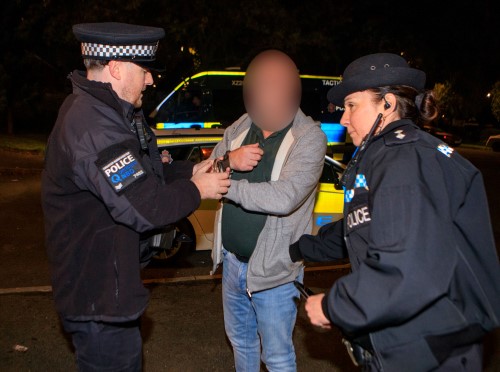
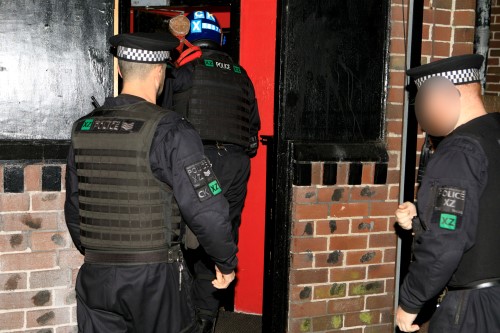
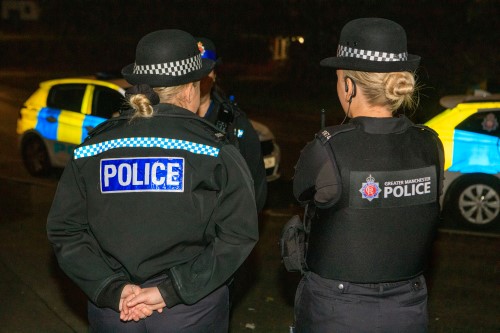
Police have shut down what they believe to have been a brothel in Oldham during the early hours of this morning.
Following concerns raised by the local community and years of gathering intelligence, officers from Greater Manchester Police‘s (GMP) Oldham Neighbourhood Team executed a warrant at a premises on Broadway in Oldham earlier this morning (14 October 2026), as they believed it to be operating as a brothel.
The warrant was executed as a result of the unrelated arrest of a man believed to be connected to the business.
When police seized a mobile phone from the man, examination of the device uncovered evidence which provided them with grounds to suspect the premises was being used for the control of prostitution.
During the operation this morning, a woman in her 40s was found and spoken to by officers. Once safeguarding measures were put in place by GMP, she was subsequently arrested on suspicion of immigration-related offences and possession of Class A drugs.
Police have shut down a suspected brothel in Oldham following concerns raised by locals / Credit: GMP
A man – who police believed to be the owner of the premises – was also arrested on suspicion of controlling prostitution for gain.
Officers seized a number of items from the address too, including cash and timesheets, as part of the ongoing investigation.
“The concerns surrounding this premises have been raised by local residents and businesses for a considerable period of time, and today’s action is the result of years of intelligence gathering and partnership working,” explained Police Sergeant Tom Layton.
“By securing a Closure Notice, we have been able to immediately disrupt the activities taking place at the premises and prevent further harm, nuisance and criminality while legal proceedings continue.
“Premises suspected of facilitating criminality can have a significant impact on those living and working nearby, causing nuisance and concern.
“We have listened to the concerns of the community and have taken robust action to address them.”
Neighbourhood Inspector Amie Whitehead added: “Our priority is always to identify and safeguard those who may be vulnerable while pursuing those suspected of criminal offences.
“We will continue to work tirelessly to target anyone who seeks to exploit others and to ensure Oldham remains a safe place for residents, businesses and visitors alike.”

 Georgina Pellant -
6th October 2022
Georgina Pellant -
6th October 2022