Chorlton neighbourhood favourite The Creameries has permanently closed, it has been confirmed.
According to chef-owner Mary-Ellen McTague, the business had been doing well at the end of 2019 but has been “f*cked” ever since the pandemic.
Two years of not bringing in enough money, coupled with fewer people eating out, a backlog of loans and then a rise in VAT combined to leave her with little option but to sell – yet whilst there were a few interested buyers, none made it over the finish line.
As a result, after trying a number of different formats to keep the business going, she has made the decision to close up shop for good.
Speaking on closure, Mary-Ellen told the Manchester Evening News: “The whole thing has been awful, but it has been like that since the beginning of the pandemic.
ADVERTISEMENT
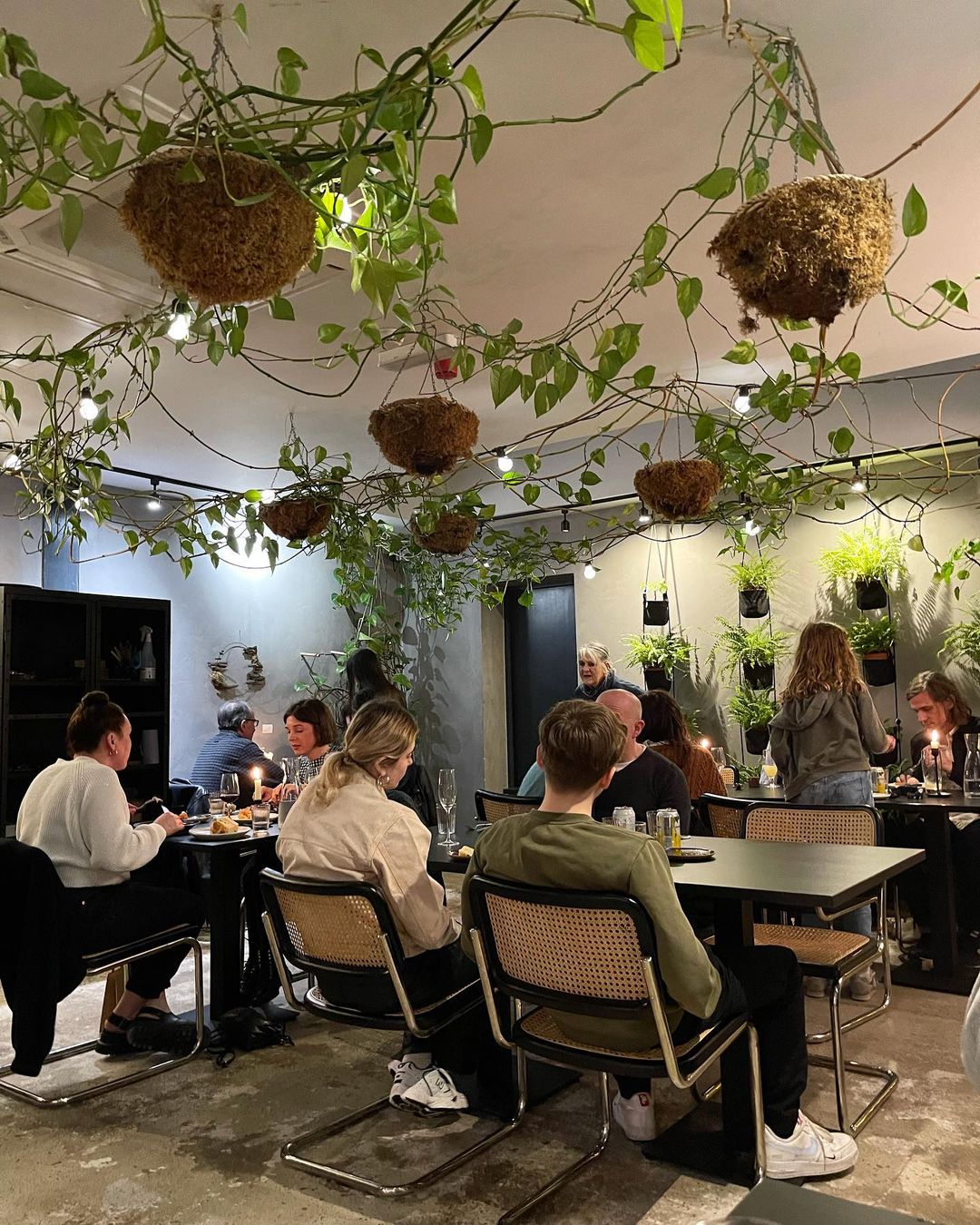
Image: The Creameries
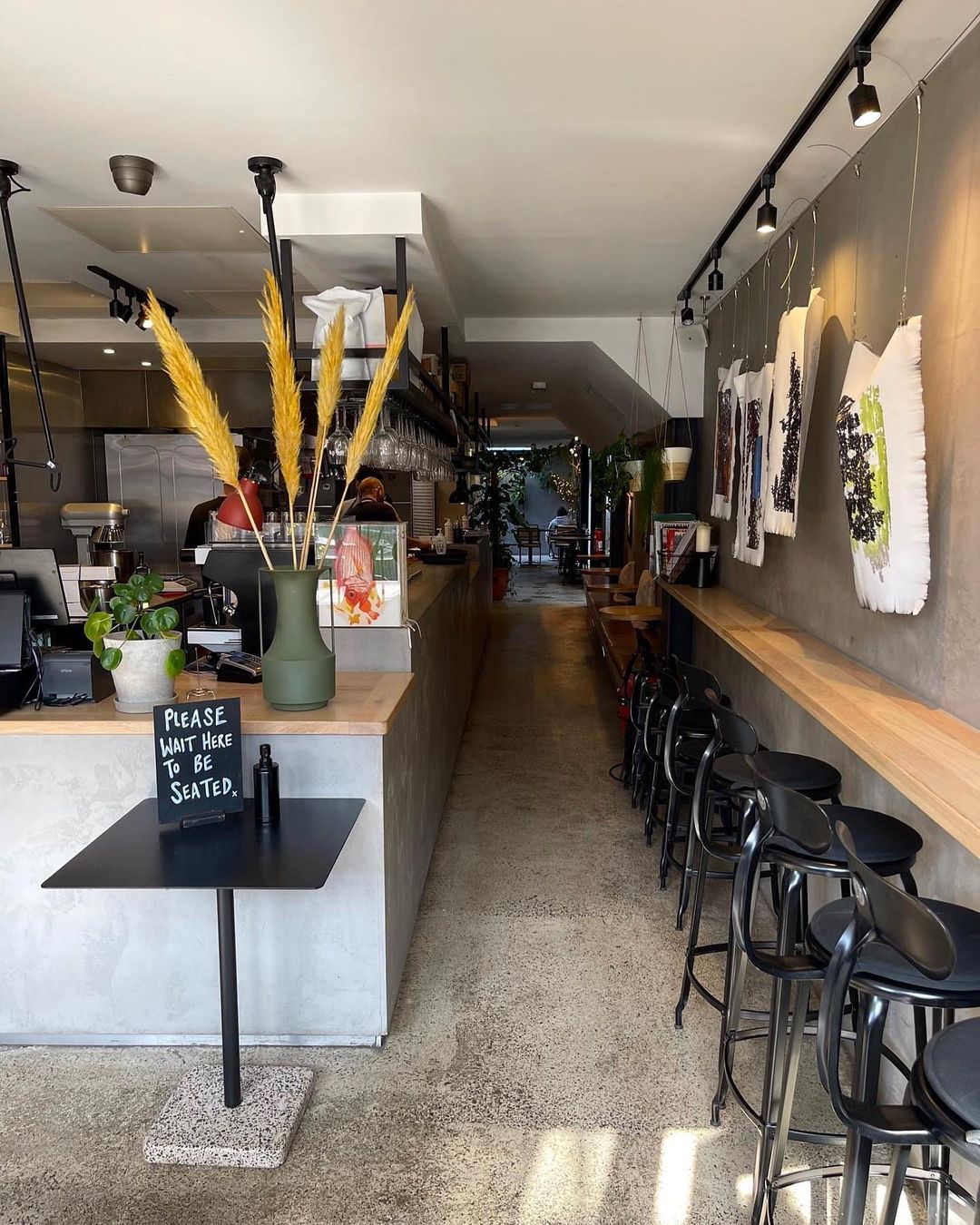
Image: The Creameries
“There was still a chance we were going to make a sale. We had three consecutive buyers who were very close, and then backed away,” she continued.
“The longer the economic instability has gone on, the more and more nervous [buyers] have been.
ADVERTISEMENT
“In September 2019, we started operating just as a restaurant, doing tasting menus, and it was working so well,” she said. “We had a brilliant Jay Rayner review, it was packed, we were making money, not just keeping afloat. Then the pandemic hit, and we’ve been f**ked since then.”
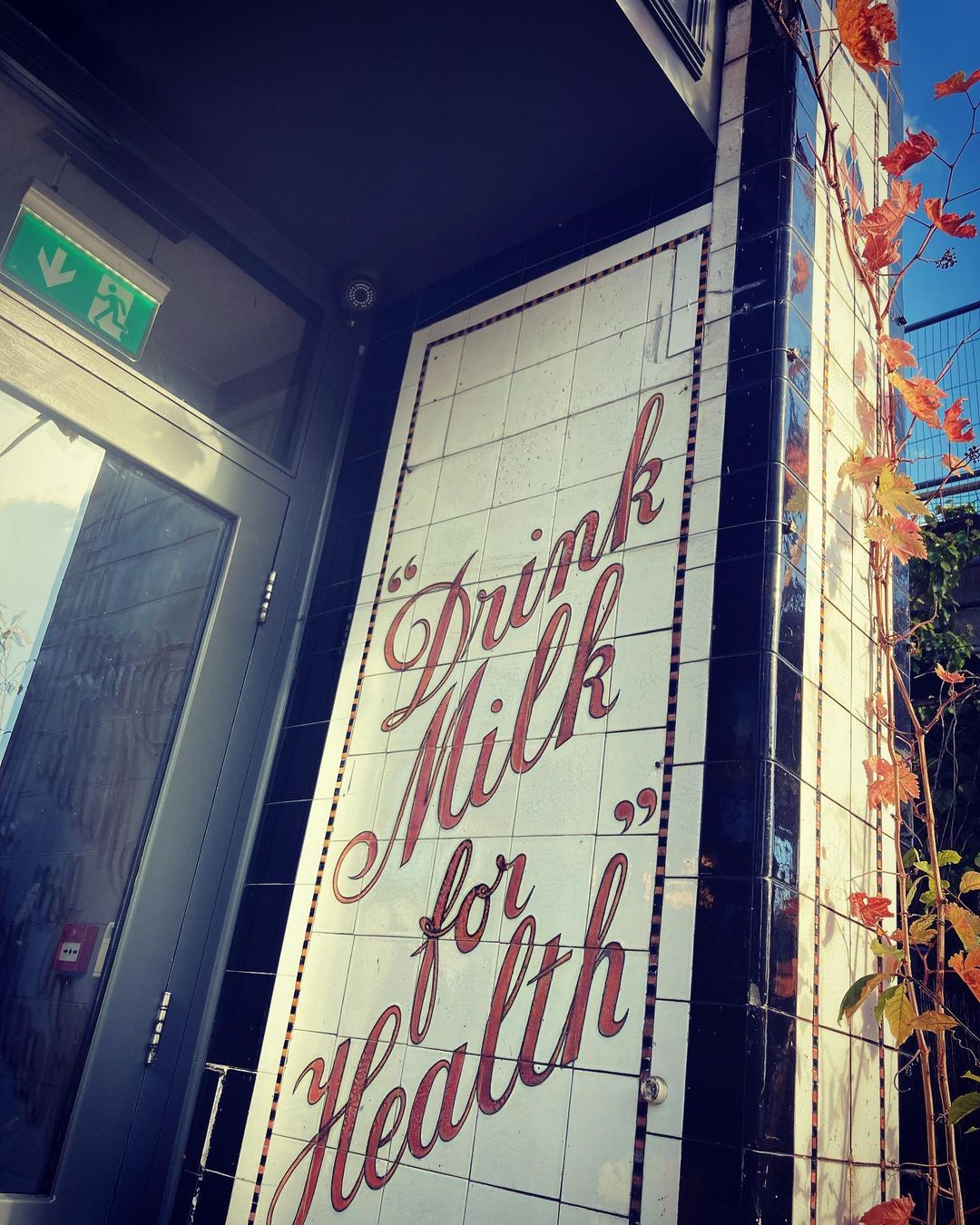
The former Edwardian Dairy was first opened in 2018 by the esteemed Manchester chef Mary-Ellen McTague as a bakery and natural wine bar serving a selection of pickles and small plates.
ADVERTISEMENT
It later switched to operating as a restaurant, serving tasting menus that proved very popular with punters, before – like the rest of hospitality – it was forced to close in early 2020 as the country went into lockdown.
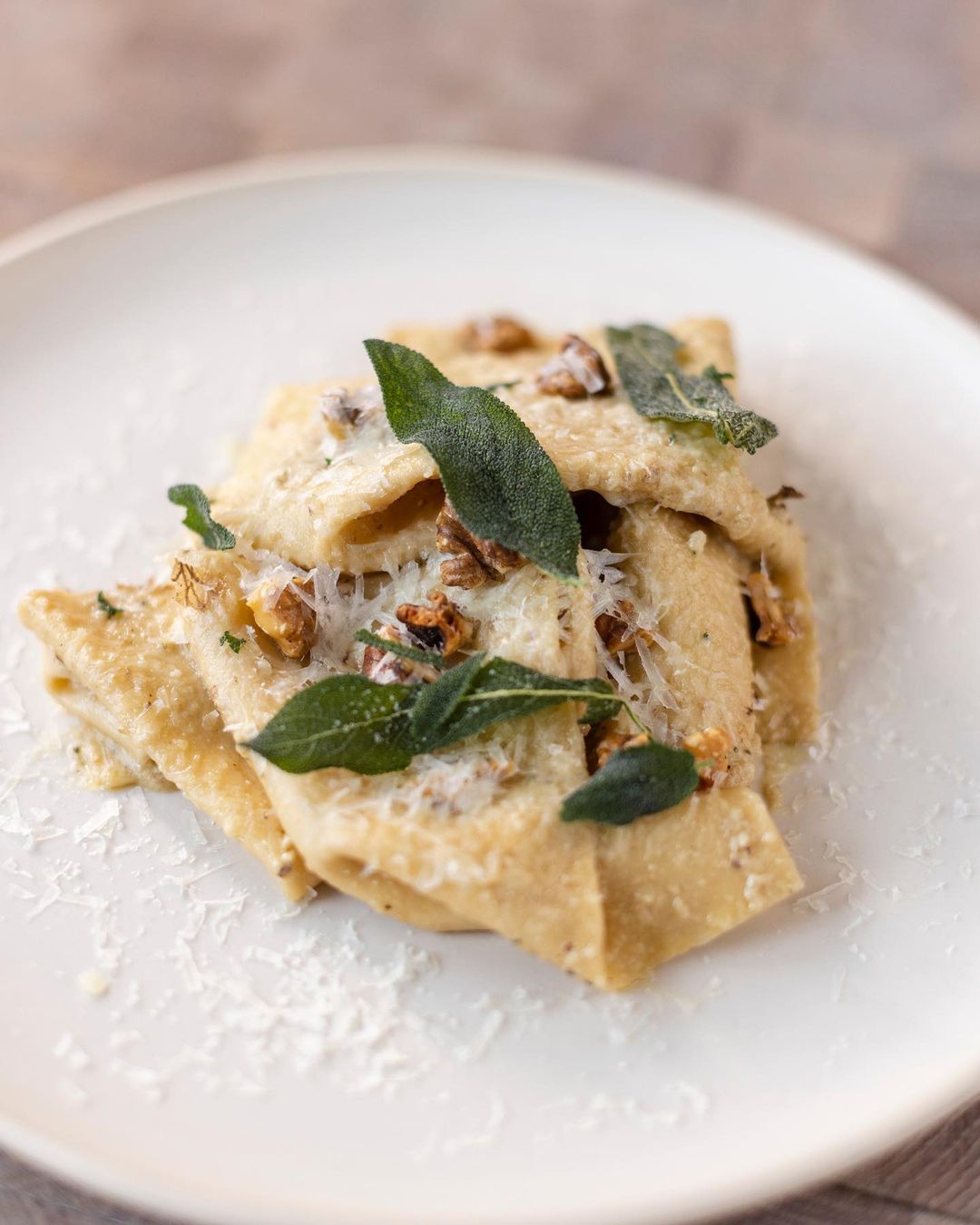
Image: The Creameries
Image: The Creameries
When it reopened, it tried a few different things before introducing Campagna, an affordable Italian menu that, whilst popular, didn’t manage to keep bringing in the footfall in the long term.
It appears that a new tenant has secured the site, although further details surrounding the operator are currently being kept under wraps.
“We tried so hard. To adapt and survive, and it just didn’t work,” Mary-Ellen added.
“Pre-pandemic it was really, really, really hard to get to the point where more money was going in than coming out. Restaurants don’t talk about it a lot, but if you ask people off the record, most will say that getting to the point where you’ve done slightly better than break even, that’s a strong month.
“Things went from challenging to just completely impossible.”
Going forward, Mary-Ellen will focus her efforts on her restaurant-backed community project Eat Well MCR, which feeds hidden homeless families in Manchester and has to date delivered over 70,000 meals to people in need.
She will also continue to work on the new Treehouse Hotel opening, which is expected to open in Manchester city centre in early 2023.
Feature image – The Creameries
News
Charli XCX announces massive Manchester arena gig as part of long-awaited UK and European tour
Emily Sergeant
Charli XCX has finally given UK fans the news they’ve been waiting for.
After the genre-bending popstar announced back in June a series of US gigs this autumn to support and celebrate the release of her eighth studio albumMusic, Fashion, Film – which was met with critical acclaim following its release in late July – fans in her home country were wondering when she would announce UK dates to accompany these.
The 34-year-old been had hinting at a UK and European leg of the Music, Fashion, Film Tour on social media over the past couple of months, but nothing was set in stone as of yet.
Then last night, Charli took to Twitter to announce that she ‘finally’ had some information coming today (11 September), and then followed it up with a teaser video – sending fans into a frenzy.
And now, it has been announced this morning that Charli XCX will be taking to the Co-op Live stage early next year.
Support on the UK and European leg of the Music, Fashion, Film Tour will come from US popstar Audrey Hobert.
Hobert has been having somewhat of a star-making year herself in 2026 following the release of her own critically acclaimed debut album, Who’s The Clown?, last year – with her streams racking up daily and drawing in massive crowds on the festival circuit this summer.
Charli XCX – Music, Fashion, Film Tour UK & EU Dates 2027
13 February – 3Arena, Dublin
15 February – OVO Hydro, Glasgow
17 February – Co-op Live, Manchester
19 February – The O2, London
22 February – Ziggo Dome, Amsterdam
24 February – Accor Arena, Paris
Upon release back in July, Music, Fashion, Film the album received acclaim from music critics, who praised its lyrical honesty and experimental production, as Charli took a sonic journey away from the undeniable mega hit that was her 2024 album BRAT, and into ‘Rock Music’ territory.
Music, Fashion, Film topped the charts in the UK and Australia, as well as in Belgium, Hungary, and New Zealand, while reaching the top 10 in countless other countries – including the US.
Charli XCX will be bringing the Music, Fashion, Film Tour to Manchester‘s Co-op Live on Wednesday 17 February 2027, and tickets will go on sale next week.
Featured Image – Henry Redcliffe (Publicity Picture)
News
Manchester Christmas Markets 2026 opening date announced – including new spots
Emily Sergeant
Manchester Christmas Markets are merely months away, and the opening date and important details for 2026’s return have been announced.
It’s official… holidays are coming, and the countdown is on.
Just as we do every year, the Greater Manchester public has been eagerly awaiting news of when the city’s iconic Christmas Markets would be making a comeback for the 2026 festive season. And now, Manchester City Council has announced – initially via the MEN – that the famous wooden huts will be lining the city’s streets once again from the first week in November.
Now in their 27th year, Manchester Christmas Markets are known and loved for bring thousands of people into the city centre each year to fill up on the fantastic festive treats and to soak up all the Christmas atmosphere.
This year will see a bigger return of Albert Square, after the headline-grabbing partial return at last year’s event, with the big wheel also set to make a comeback.
The Manchester Christmas Markets 2026 return date has officially been confirmed / Credit: The Manc Group | Flickr
And there’s also set to be some new locations too for 2026, with Lincoln Square joining in on the action this year.
There will also be big changes to St Ann’s Square this year, according to the Council, with what is being described as a ‘brand new layout’ bringing in a bigger number of market stalls.
There will be a total of 210 stalls spread out across the city centre.
There’s officially eight weeks to go until the iconic wooden huts line the streets / Credit: Manchester City Council
Promising to be plenty on offer for seasonal shoppers of all ages, it has been confirmed that 2026 will see the iconic wooden ski chalet market stalls take over Albert Square, Lincoln Square, King Street, St Ann’s Square, Exchange Street, New Cathedral Street, Exchange Square, Corn Exchange, Cathedral Gardens, and Market Street.
Of course, everyone’s favourite big red legend, Zippy Santa, will also be back this year, although his location has not been set in stone just yet, so stay tuned.
“There’s nowhere that does Christmas quite like Manchester,” commented Councillor Pat Karney, who is the Christmas spokesperson for Manchester City Council.
“The return of Christmas festivities last year to Albert Square was a triumph and we’re looking to build on this success with a fantastic festive offer there again this year that is sure to be a hit with everyone who visits.
“Our legendary Christmas markets draw thousands upon thousands of visitors every year from right around the world and this year’s markets look set to be the very best yet, with a brand-new location in Lincoln Square just around the corner from Albert Square, and a brand-new look and even more stalls in St Ann’s Square.”
He concluded: “Christmas in Manchester will be absolutely magical this year and we can’t wait to welcome everyone and celebrate the festive season with them.”
Manchester Christmas Markets 2026 will officially open across the city on Friday 6 November and close on Tuesday 22 December – with the exception of Albert Square and Cathedral Gardens, which will remain open right through until Sunday 3 January.

 Georgina Pellant -
27th September 2022
Georgina Pellant -
27th September 2022