Cloudwater is opening a new beer hall inside a former Victorian shipping warehouse
"We're proud to be able to open another venue in the city, especially one neighbouring Canal Street, which has long been a vital part of the city's nightlife."
Manchester brewery Cloudwater is opening a huge new flagship beer hall in Manchester.
The world-renowned brewer will bring its super-fresh, acclaimed beer selection to the Kampus neighbourhood.
They’ll be taking over the ground floor of Minshull House, a former Victorian shipping warehouse.
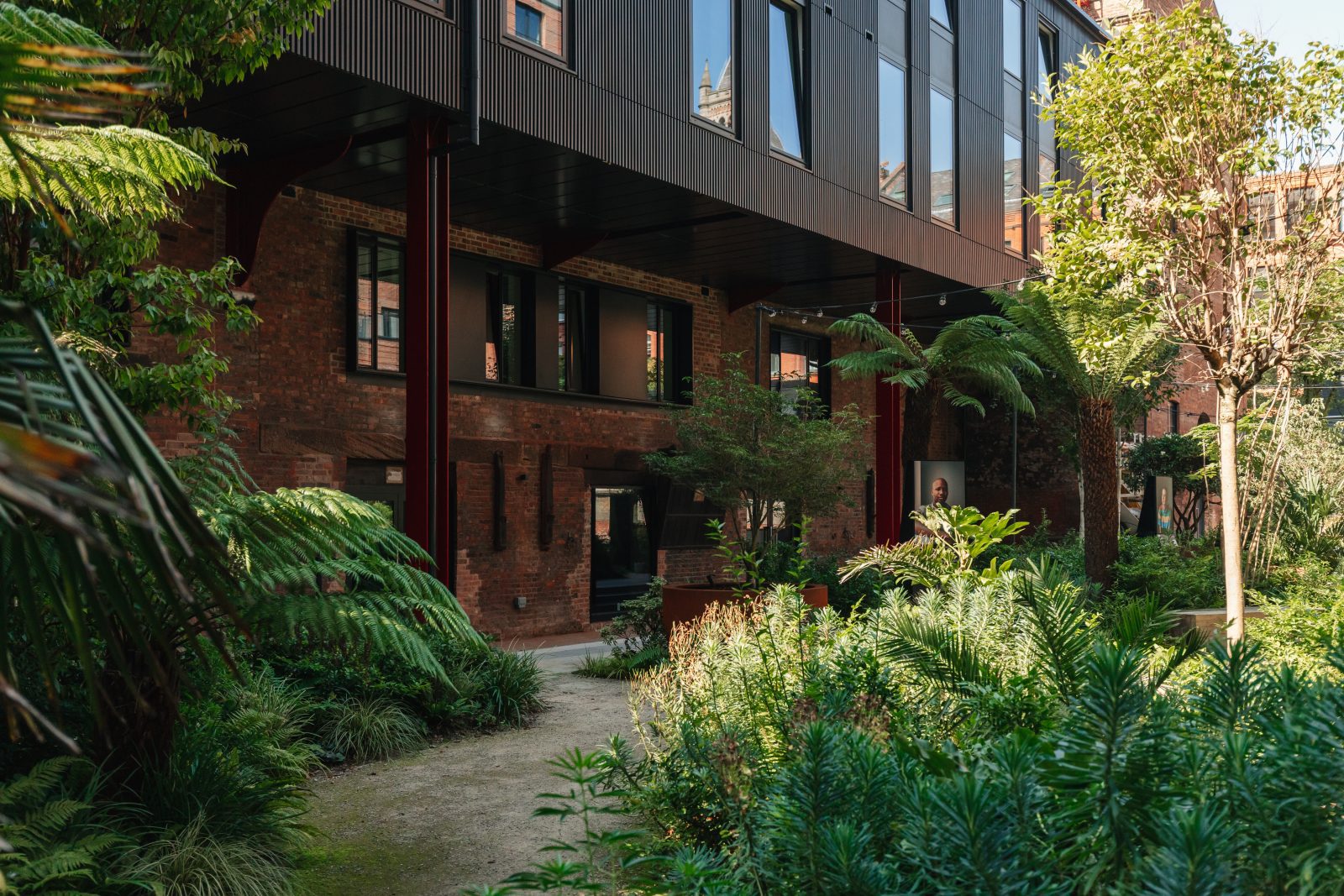
With a communal beer hall, beer tap wall, full kitchen and 3°c cold store, plus outdoor seating in both the Kampus garden and the new square on Chorlton Street, it’s set to be quite the behemoth – taking over a 3,798 sq ft space at the neighbourhood.
The Cloudwater garden at Kampus./ Image: Kampus
The beer hall’s kitchen will serve local and seasonal food throughout the day in a relaxed setting, perfect for work or casual lunch, but by the evening the space will become more lively with a mix of dining, parties and events.
ADVERTISEMENT
The new beer hall will become the brewery’ biggest location to date, complementing their existing tap room in London and the Sadler’s Cat pub and Unit 9 tap room in Manchester.
Speaking on the new opening plans, co-founder Paul Jones said: “We’re looking forward to joining the community at Kampus, which already includes a number of outstanding independent operators who are a major credit to our city.
ADVERTISEMENT
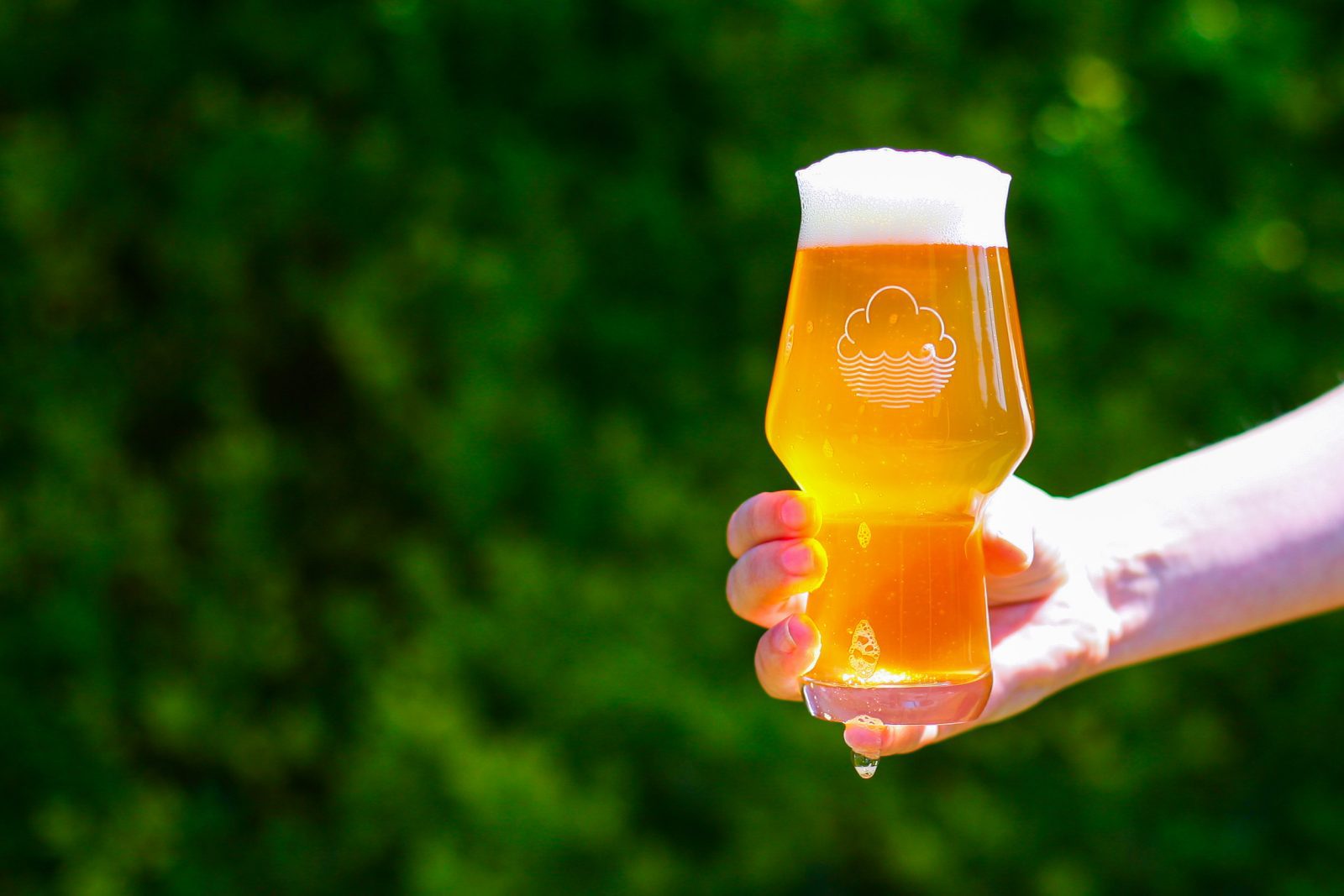
Image: Cloudwater
“Manchester means so much to us – far more than simply acting as our home city, it provides us with inspiration, feeds our creative energy and informs our values.
“So we’re proud to be able to open another venue in the city, especially one neighbouring Canal Street, which has long been a vital part of the city’s nightlife.”
The brewer has been creating its beer in Manchester since 2015, with its first brew dating back to Valentine’s Day.
ADVERTISEMENT
Since then, Cloudwater has grown into a huge export for the city as well as a local treasure, creating hundreds of evolving and seasonal beers and gaining a loyal band of followeres along the way.
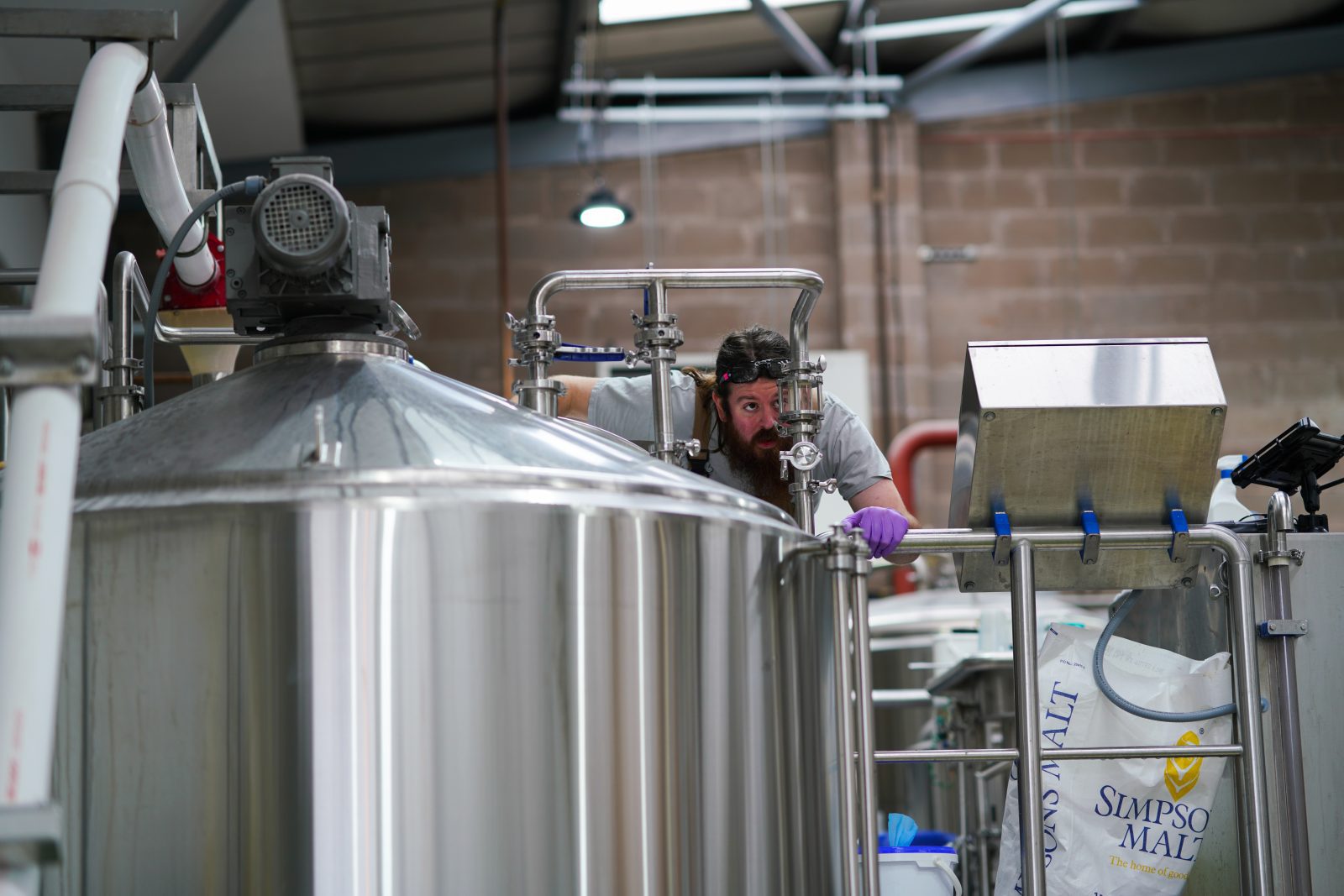
Image: Cloudwater
In 2020, they brewed the equivalent of over a million pints of beer.
The brewery is the latest big name to join Kampus which, with the likes of Nell’s, General Store, Beeswing, Great North Pie and Pollen also signed up, is fast becoming a haven for some of Manchester’s most-loved indies.
Adam Higgins at Capital&Centric, described Cloudwater as a ‘perfect fit’, adding: “Every neighbourhood needs a good boozer and we just know it’ll be one of the friendliest, most inviting places in the city to kick back and enjoy a beer in the garden.”
ADVERTISEMENT
“It’s amazing that they’ve chosen Kampus for their biggest venture yet and we can’t wait to see what they will deliver.
Terms have been agreed on the 3,798 sq.ft space at the neighbourhood, being developed by Capital&Centric and HBD, with the brewery eyeing a spring opening.
Public urged to call the police if they see this wanted man
Daisy Jackson
Cheshire Police are appealing for the public’s help in tracing a wanted man with links to Macclesfield and Alsager.
Joshua Wyatt, 34, is wanted on recall to prison, and officers are urging anyone who has seen him or knows of his whereabouts to come forward.
Wyatt is described as being 183cm (6ft) tall and of medium build, with a bald head and blue eyes.
Police believe he has links to both Macclesfield and Alsager.
Anyone who sees Wyatt or has information about where he may be is asked to contact Cheshire Police on 101 or report information via the force’s website.
Information should be provided quoting reference number 26000809013.
Huge shuttle bus effort laid on to get Manchester United fans to Old Trafford amid tram disruption
Daisy Jackson
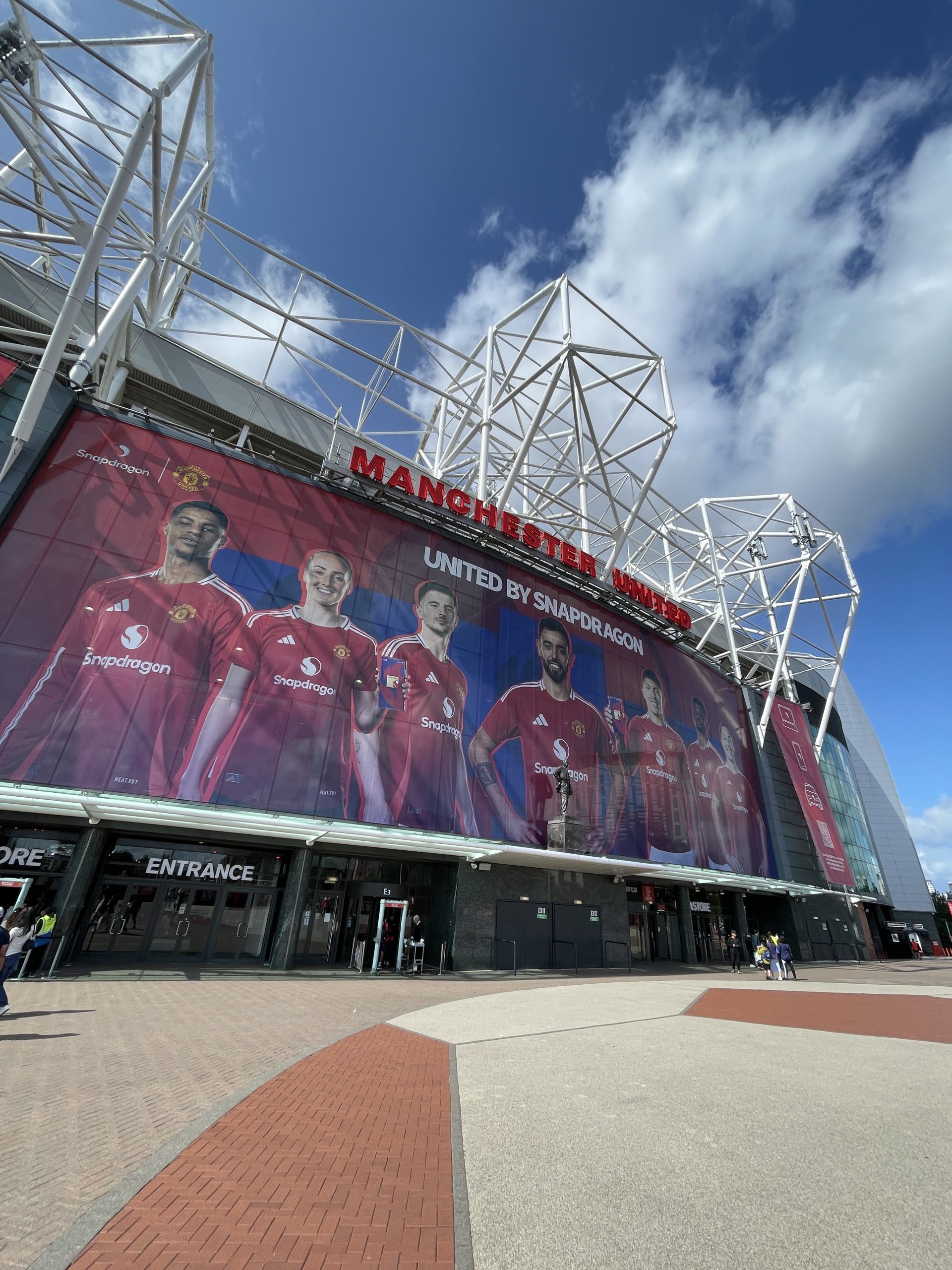
Transport for Greater Manchester has announced a shuttle bus scheme to help Manchester United fans get to Old Trafford this week, amid major tram disruption.
Fans won’t be able to use trams to get to the ground as usual, due to huge improvement works which are in place until Monday 2 November.
There’ll be no trams at all on the Altrincham, Trafford Park, and Eccles lines, with Airport and East Didsbury trams only going as far as Firswood.
That means that fans heading to Manchester United’s home game against Bournemouth would have been a little stuck without this newly-announced shuttle bus service.
Frequent dedicated shuttle buses will run running Piccadilly Gardens, Altrincham Interchange and the Trafford Centre, taking fans directly to Old Trafford before the game.
Frequencies range from five to 20 minutes depending on the route and time, with details available online. Return services will be in place after the final whistle.
TfGM staff will be at key stops and interchanges throughout the day to help fans get to the match and provide travel advice.
Huge shuttle bus effort laid on to get Manchester United fans to Old Trafford amid tram disruption. Credit: TfGM
Ian Davies, TfGM’s Network Director for Metrolink, said: “There is no good time to disrupt passengers to carry out these works, and this is the first time in over a decade that trams won’t serve Old Trafford on a match day, but these works are essential and will enable us to provide a better service in future. I am very sorry to fans who face disruption.
“We’ve put a range of alternative travel options in place, including dedicated shuttle buses, bolstered Bee Network bus services, rail options and ticket acceptance arrangements will help fans get to and from the game.
“Journey options will be different from usual, so we would encourage supporters to plan ahead, check their route and our website before they travel and leave plenty of time to get to and from the stadium.”
TfGM is advising supporters to leave around an hour earlier to help make sure they arrive in time for kick-off.

 Georgina Pellant -
6th January 2022
Georgina Pellant -
6th January 2022