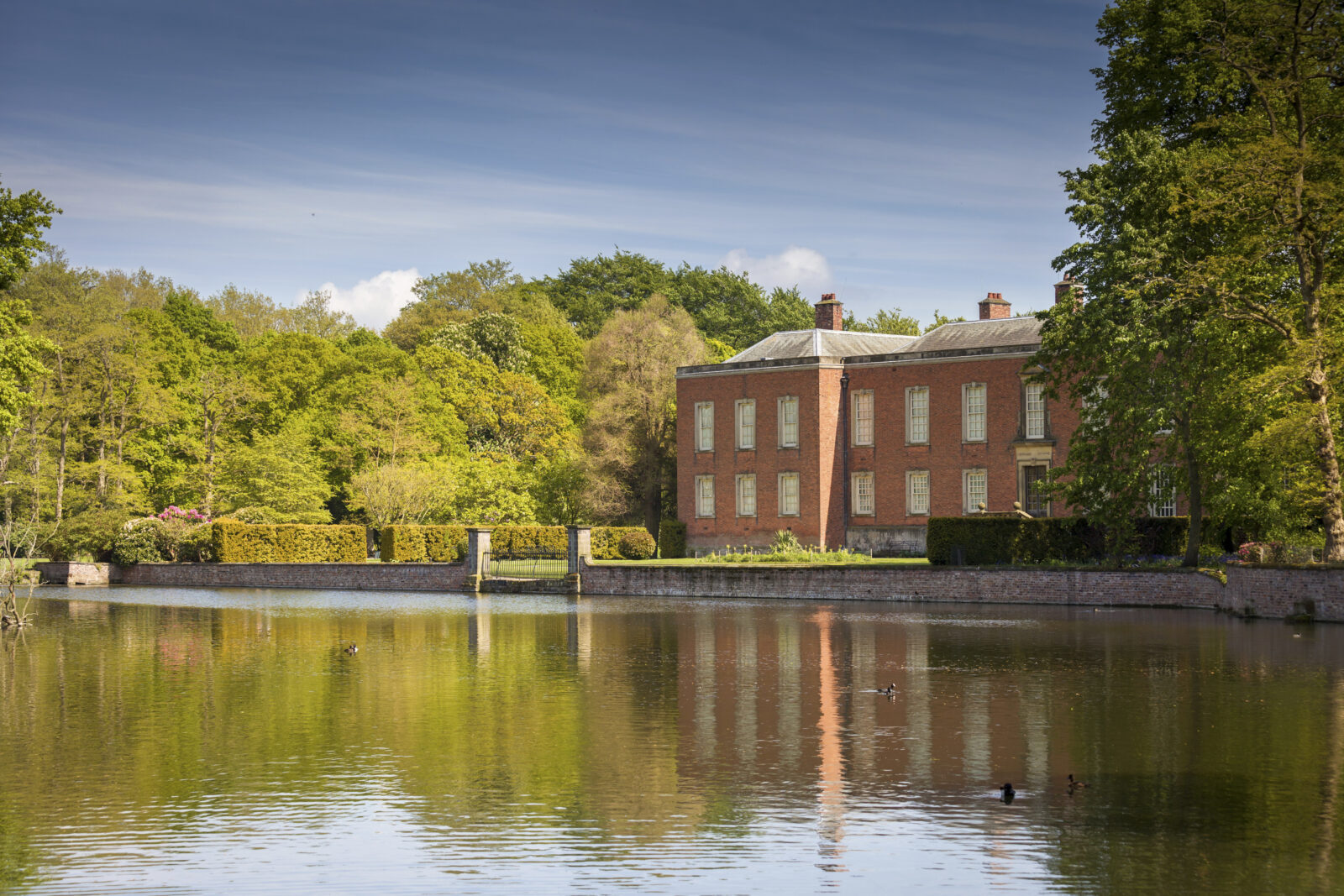
A long-lost masterpiece of Victorian silverwork has been saved and is now on display to the public in Greater Manchester.
Anyone taking a trip over to the National Trust’s historic Dunham Massey property, on the border of Greater Manchester into Cheshire, this summer will get to see the ‘dazzling’ sculpture called Stags in Bradgate Park – which was commissioned by a former owner in a defiant gesture to the society that shunned him.
The dramatic sculpture of two rutting Red Deer stags, commissioned in 1855 by George Harry Grey, 7th Earl of Stamford, was said to be an ‘act of love and rebellion’.
It also serves as a symbol of ‘locking horns’ with the society that ostracised him over his marriage to a woman considered ‘beneath him’.
“This isn’t just silver – it’s a story,” says James Rothwell, who is the National Trust‘s curator for decorative arts.
ADVERTISEMENT
“A story of a man who fell in love with a woman that society deemed unworthy. When the Earl married Catherine Cox, whose colourful past was said to have included performing in a circus, Victorian high society was scandalised. Even Queen Victoria shunned the couple at the opera and local gentry at the horse races in Cheshire turned their backs on them.”
Modelled by Alfred Brown and crafted by royal goldsmiths Hunt & Roskell, Stags in Bradgate Park is a meticulously-detailed depiction of nature, and was considered a ‘sensation’ in its day.
ADVERTISEMENT
Showing the rutting deer positioned on a rocky outcrop with gnarled hollow oaks, it graced the pages of the Illustrated London News, was exhibited at the London International Exhibition of 1862, and at the Paris Exposition Universelle of 1867 – both of which were events that drew millions of visitors.
A ‘dazzling’ Victorian silver sculpture has gone on public display in Greater Manchester / Credit: Joe Wainwright | James Dobson (via Supplied)
The silver centrepiece was the celebrity art of its time, paraded through streets and admired by the public like no other.
Gradually over the years, some of the Earl of Stamford’s silver collection has been re-acquired for Dunham Massey, and this particular world-renowned sculpture, thought to be lost for decades and feared to have been melted down, has miraculously survived with its ‘dramatic’ central component being all that is left.
ADVERTISEMENT
“The sculpture is not only a technical marvel, with its lifelike depiction of Bradgate Park’s rugged landscape and wildlife, but also a dramatic human story key to the history of Dunham Massey,” added Emma Campagnaro, who is the Property Curator at Dunham Massey.
“It speaks of nature, of craftsmanship, and of a couple who chose each other over status and what others thought of them.”
The sculpture has now gone on display at Dunham Massey from Thursday 26 June.
Featured Image – James Dobson (via Supplied)
Art & Culture
Science and Industry Museum announces programme of FREE ‘spooktacular’ October half term activities
Emily Sergeant
One of Manchester’s best museums has announced a programme of free ‘spooktacular science’ activities for October half term.
With half term right around the corner and Halloween not far off either, it won’t be long before parents and carers are looking for ways to keep little Mancs occupied… luckily, the Science and Industry Museum has got you covered.
With only a few weeks to go until schools in Greater Manchester are out for October half term, the massively popular museum in the heart of Manchester city centre has unveiled a jam-packed lineup of free events.
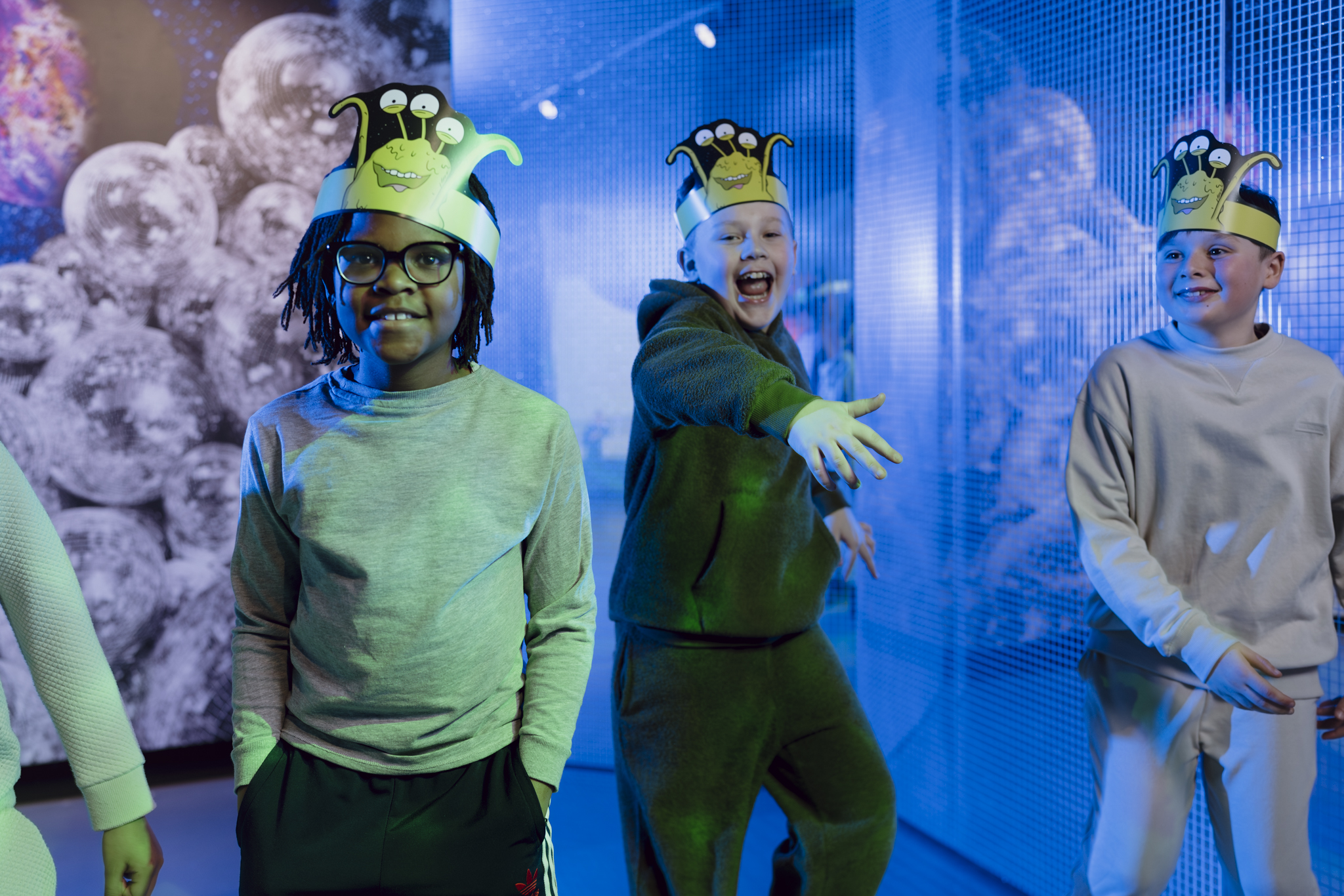
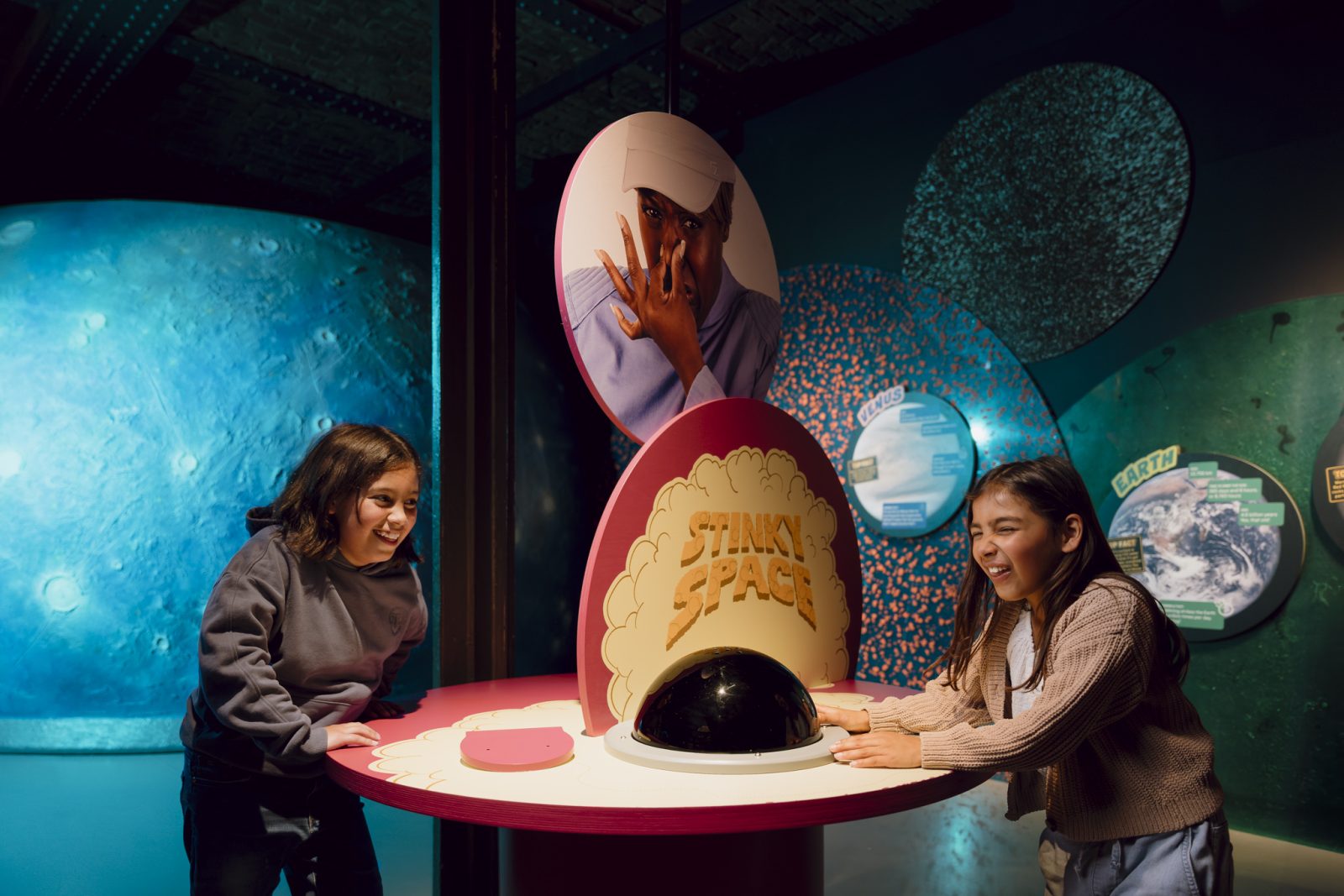
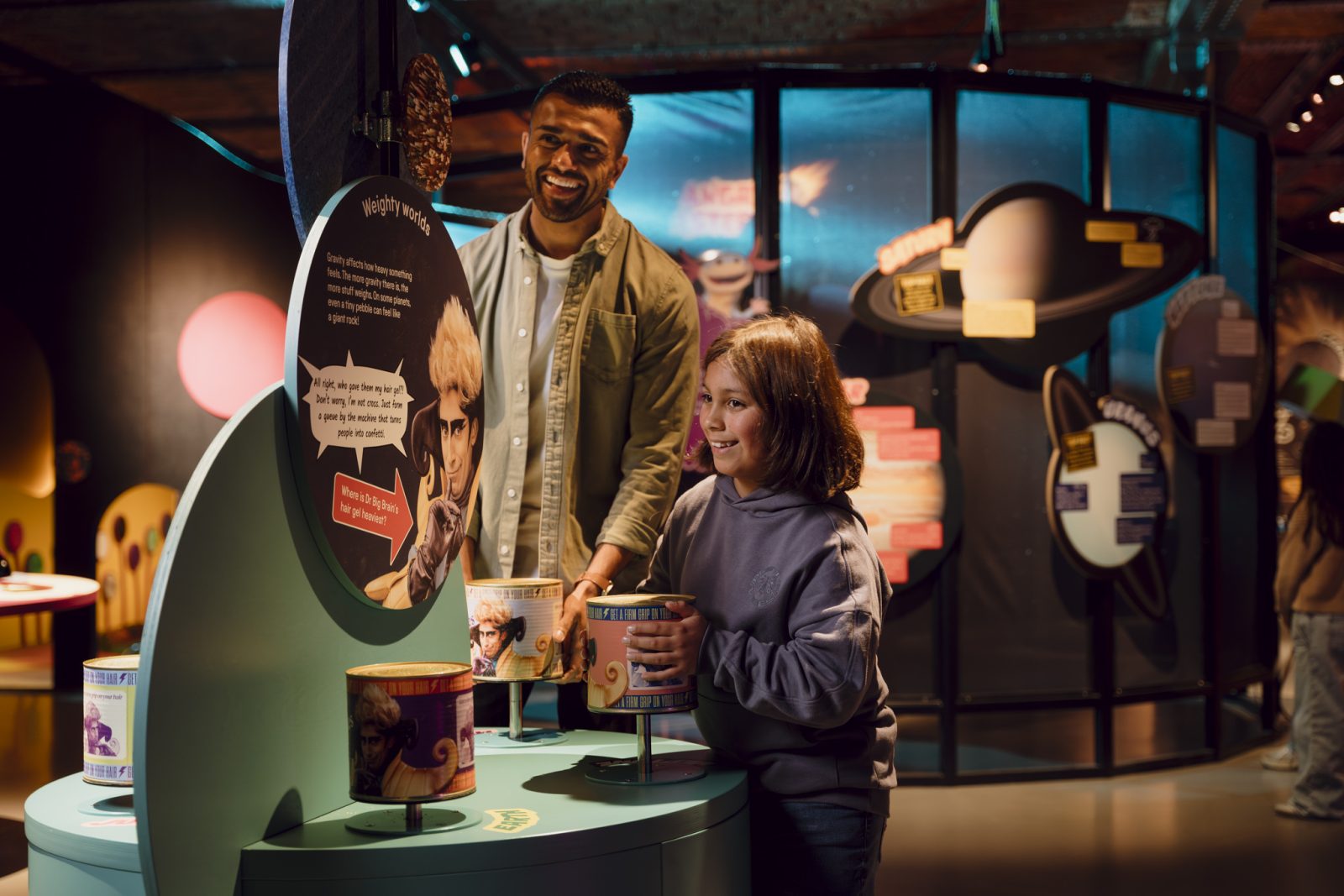
Families are being told to get ready for ‘spooktacular’ science, hands-on activities, and loads of interactive fun, all inspired by the popular Horrible Science: Cosmic Chaos exhibition.
You can storyboard and then animate your own extra-terrestrial character inside the Animation Studio, let your imagination run wild and design your own alien species, or even go on a galactic treasure hunt around the museum and build your own interstellar spaceship with a giant rocket building kit.
Manchester’s Science and Industry Museum has announced a programme of free ‘spooktacular’ October half term activities / Credit: Science Museum Group
In the mornings, you can take a break from your cosmic adventures and enjoy family-friendly sci-fi screenings in Revolution Manchester.
You’ll also then be able to put your skills to the test with classic space-themed games on the big screen every day in the afternoon.
And don’t forget, this half term is your only chance to meet Albert Slime-stein – a larger-than-life monster who’ll be popping up in the Upper Yard as part of the annual Halloween in the City MCR Monsters trail.
If you’re planning on visiting on actual Halloween day itself, then the museum is inviting you to come dressed in your best costume so you can get properly stuck into all the spooky fun.
The unveiling of the October half term events programme comes after the museum also announced that its popular adults-only ‘after hours’ event would be returning for one night only later this month, also with a Halloween twist.
Museum After Hours is happening on Thursday 29 October from 7pm-10pm, with tickets setting you back £12 each or £6 for concessions. Find out more here.
Science and Industry Museum’s October Half Term Programme is running from 24 October to 1 November. Entry to the museum (except the exhibitions) is free of charge, but it’s advised that you book your admission in advance, as it’s expected to be busier than normal.
Featured Image – Drew Forsyth (Science Museum Group)
Art & Culture
Queer Up North launches digital archive full of visual art and more from legendary Manchester festival
Lydia Mastrolonardo
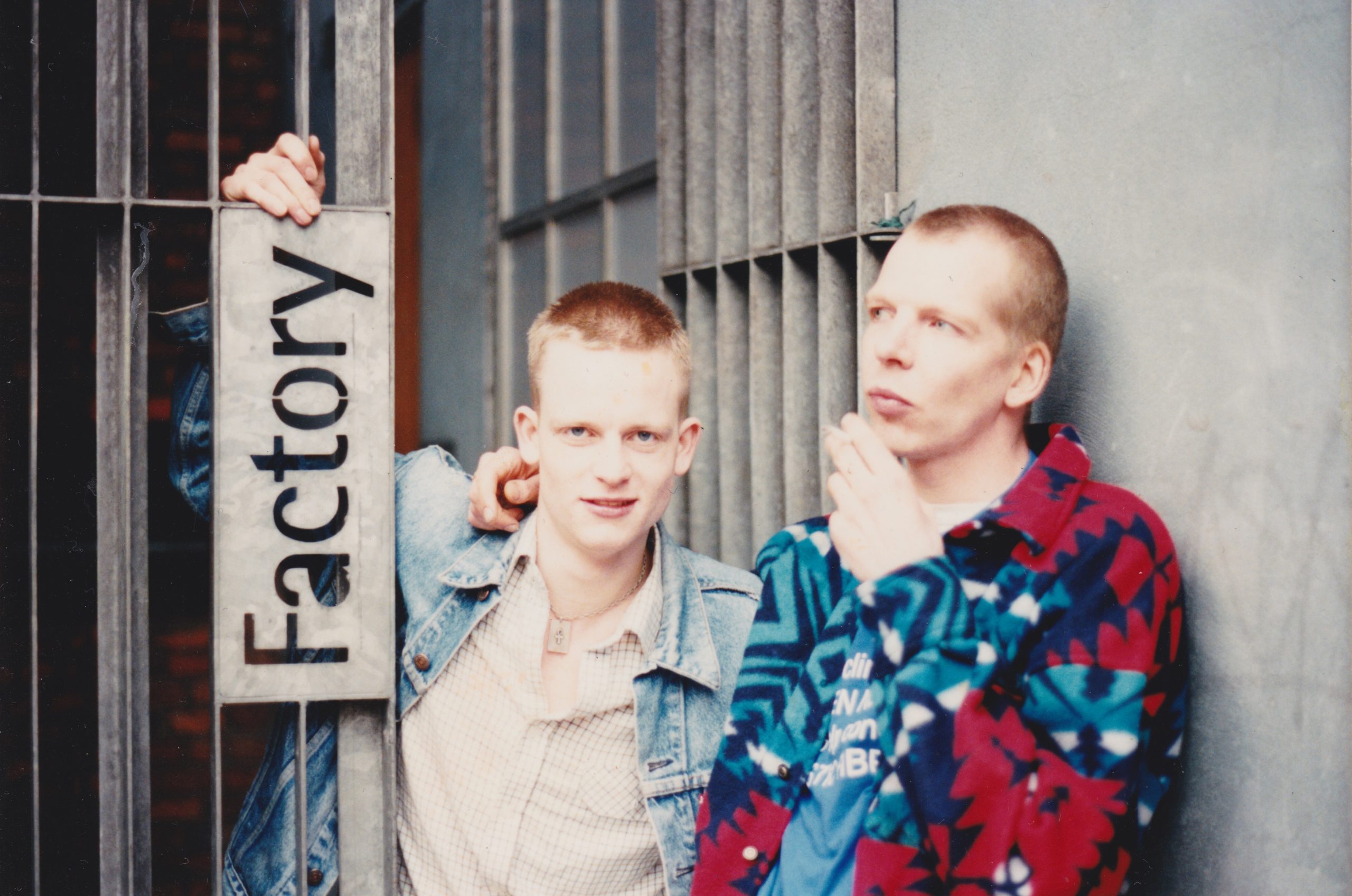
A new digital archive documenting the legendary Queer Up North festival has launched this month.
Running for an illustrious decade from 1992 to 2002, Queer Up North was the first multi-artform LGBTQ+ festival in Europe, but its significance has extended far beyond the arts as a beacon for queer culture, and is largely described as being one of the most pioneering and influential festivals ever.
From the very start, Queer Up North had an international standpoint – gaining support and recognition from much further afield as well as here in Manchester.
The festival emerged during a period where Manchester’s queer communities were navigating new ways to gain visibility and to create culture on their own terms.
It played a central role in uniting artists, performers, audiences, and venues – helping to establish Manchester as an international destination for LGBTQ+ arts and culture.
The newly launched digital archive shares materials from the iconic festival’s history, making them easily accessible to the public online for the first time, and for free.
The curated collection features 1420 images, 275 artefacts, and 29 oral histories revealing amazing stories about the people, performances, art, club nights, cabaret, and comedy that all helped to shape culture in Manchester during the 90s.
It offers a chance to explore a pivotal decade of Manchester’s history and understand how a generation of artists, performers, and audiences created a whole host of new opportunities for the Mancunian queer community.
Queer Up North launches digital archive full of visual art and more from legendary Manchester festival / Credit: Jonathan Keenan (Supplied)
It also facilitates a platform for new work, inspired by the legacy of Queer Up North, with founders emphasising that its purpose is as much about the future, as it is the past.
Tanja Farman and Gavin Barlow, founder-directors of Queer Up North shared: “The festival set out to be pioneering, innovative, international and inspirational, and looking back 34 years later, is it incredibly exciting to see that history preserved and celebrated.
“The Queer Up North Archive ensures that the creativity and contributions of LGBTQ+ artists and communities are remembered, while opening up their work and stories to a new generation.

 Emily Sergeant -
30th June 2025
Emily Sergeant -
30th June 2025