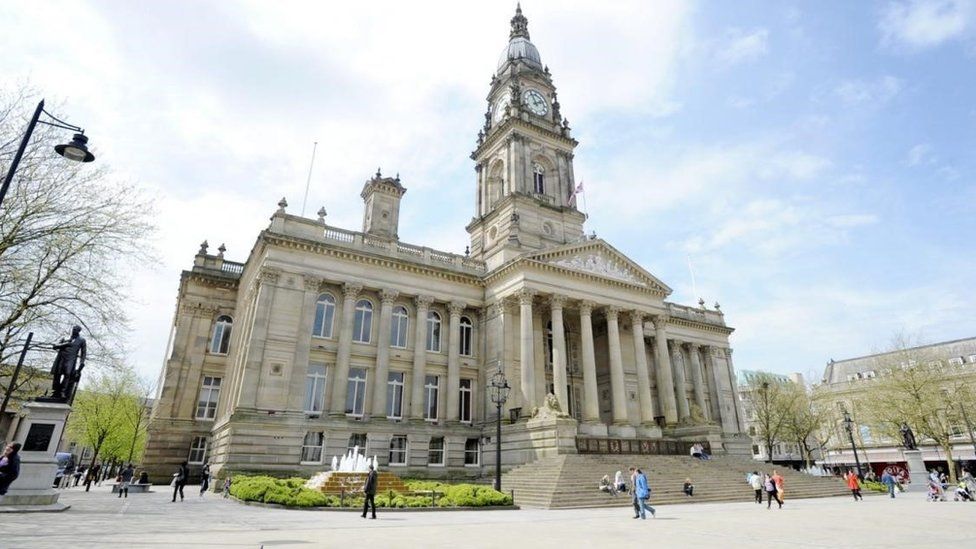
Health Secretary Matt Hancock has announced a series of tighter lockdown restrictions in Bolton as part of new measures to curb the spread of coronavirus (COVID-19) in the town.
Under the new restrictions, which were announced to MPs in the House of Commons this afternoon, all hospitality outlets – including pubs, bars, restaurants and cafes – are now restricted to takeaway only, a curfew ordering venues to close at 10pm-5am has been put in place, and further measures that put the current guidance stating people cannot socialise outside their household into law.
Mr Hancock confirmed that the restrictions have been put in place “with immediate effect”.
It comes after it was stated that Bolton has seen a significant rise in cases – now up to 120 cases per 100,000 population – which is the highest infection rate of any borough in the country.
This is partly due to people socialising in their 20s and 30s, with a number of pubs being identified where the “virus has spread significantly”.
ADVERTISEMENT
The following new restrictions will be put in place:
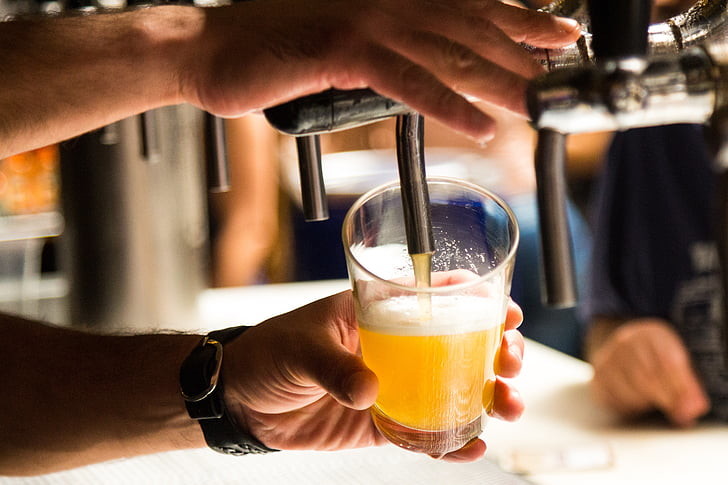
Restrict all hospitality to takeaway only.
All venues must close from 10pm to 5am.
No socialising outside households will be put into law.
Unsplash
Mr Hancock said: “Unfortunately after improving for several weeks, we’ve seen a very significant rise in cases in Bolton. Bolton is up to 120 cases per 100,000 of population, the highest case rate in the country and I’m publishing the data behind the decisions that we’ve taken.
ADVERTISEMENT
“I must therefore tell that House that, working with the local council, we’re taking further local action.
“The rise in cases in Bolton is partly due to socialising by people in their 20s and 30s. We know this from contact tracing, and through our contacting tracing system, we’ve identified a number of pubs at which the virus has spread significantly.
“We’re therefore taking the following action in Bolton starting immediately.
ADVERTISEMENT
“We will restrict all hospitality to takeaways-only and we’ll introduce a late-night restriction of operating hours which will mean all venues will be required to close from 10pm to 5am.
“We’ll introduce urgently further measures that put the current guidance that people cannot socialise outside their household into law.”
Flickr
Matt Hancock added that visitor restrictions will also be put in place in care homes and hospitals.
He told MPs: “We’re also putting in place extra measures including visitor restrictions to restrict the spread of virus into care homes and hospitals in Bolton and I want to thank the leadership of Bolton Council who are doing an outstanding job in very difficult circumstances.”
Addressing people in Bolton directly, he continued: “And I want to say this to everybody directly living in Bolton – I know how anxious this can be, and I know the impact that these measures will have.
ADVERTISEMENT
“We’re asking you to take a step back at a time when we all just want to get on with our lives and what we love and back to normal. But we need to take this crucial step to keep the virus at bay, because as we’ve seen elsewhere, if we act early and control the virus then we can save lives.”
“Now I know social distancing can be hard, and how it can be extra-tough for students who will be starting university – but please, stick with it and play your part in getting this virus under control.”
More information can be found via the Bolton Council website here.
News
Manchester’s historic Portico Library secures £6.4m funding grant towards its transformation
Emily Sergeant
Manchester’s Portico Library has secured a whopping £6.4 million grant from The National Lottery Heritage Fund.
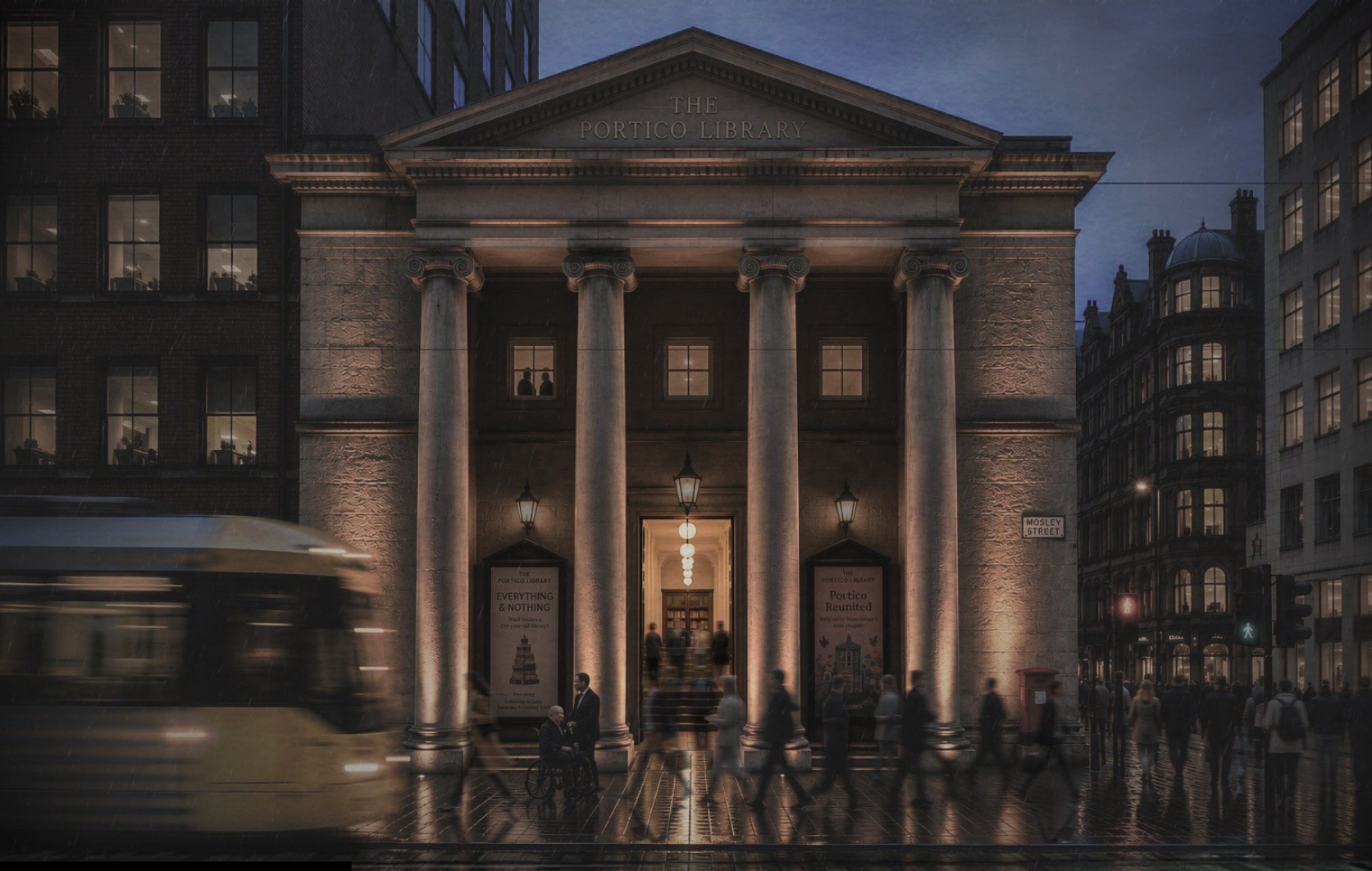
In case you missed it, ambitious plans to transform the historic Grade II-listed building on Mosely Street were already unveiled last October… but now, The National Lottery Heritage Fund has announced it is committing £6.4 million of funding towards the project, hoping that the building thrives as the UK’s most sustainable historic library for generations to come.
The grant is being described as a ‘major milestone’ in the approximately £12 million Portico Reunited project.
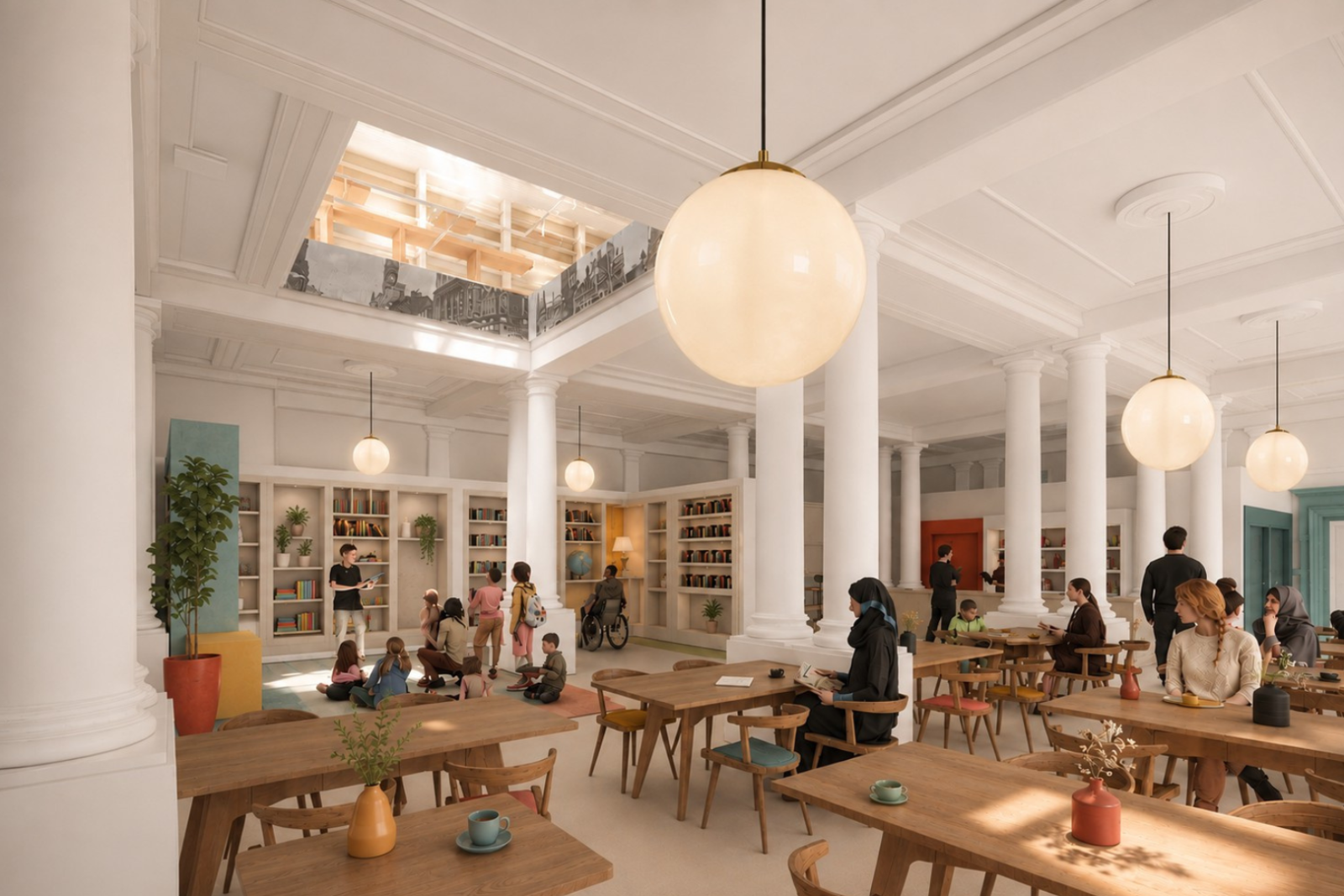
The Portico Reunited project will look to ‘reunite’ the historic building’s three floors for the first time in over a century, creating a fully-accessible and sustainable cultural library.
Founded all the way back in 1806, The Portico Library played a central role in Manchester’s rise as the world’s first modern city, and since then has been serving as a window into the past and a providing a place of inspiration for anyone who needs it.
The Portico Library has secured a £6.4m funding grant towards its transformation / Credit: Purcell Architecture (Supplied)
Crucially, plans will see a step-free entrance and lift installed to make the library accessible to all.
There’ll also be new exhibition and event spaces introduced as part of the scheme to explore the stories of Manchester’s communities and the city’s heritage. There will a Northern Bookshop, showcasing regional and emerging writers, and independent publishers, as well as a creative Portico Kitchen, which will celebrate the city’s food culture, writing, and history.
A place for school groups, families, and all people to explore Portico’s collection and experiment creatively also forms part of the plans.
Dr Thom Keep, Librarian and CEO of The Portico Library, called the funding grant a ‘landmark moment’ in the Portico’s ‘rich and complex history’, and a ‘huge achievement’ for its staff, trustees, volunteers, and partners.
“Thanks to National Lottery players, we can reunite this extraordinary building and make room for people to discover, learn and create together,” he added.
“We have listened to thousands of people about what the Portico could become, and their ideas and experiences have helped shape these plans.
“Our ambition is a library that belongs to the whole city – a place to discover remarkable collections, question the stories we have inherited, and create new possibilities together.”
Manchester City Council has granted planning permission and listed building consent for the project, and the building is expected to close for construction in late spring 2028 and reopen once again in early March 2030.
Following reopening, the transformed library is expected to welcome around 95,000 visitors each year.
Featured Image – Purcell Architecture (Supplied)
News
New data estimates that 7.3m Oasis fans are set to miss out on 2027 tour tickets
Emily Sergeant
New data has revealed that as many as 7.3 million Oasis fans could be set to miss out on tickets to the band’s 2027 tour.
In case you need bringing up to speed a little, it was announced earlier this week that, following the unprecedented success of the reunion tour, Oasis Live ’25, last year, including five nostalgia-drenched gigs at Manchester’s Heaton Park, Oasis would be hitting the road once again in 2027, and this time around, they’re going BIG.
We’re talking 11 nights at the Etihad Stadium and a return to the iconic grounds of Knebworth for four special shows there too, kind of ‘big’.
The iconic Manchester band will also be taking to a range of other world-famous stages across the globe, including five nights at Glasgow’s Celtic Park, and major cities like Barcelona, Amsterdam, Paris, Rome, and Las Vegas.
But despite the elevated number of dates the Gallaghers and co will be performing, some new data has unfortunately revealed that millions of fans may still not be lucky enough to snag a ticket.
The ticketing system for Oasis Live ’27 is not what it was for the last tour, nor will it be similar to many other tours of a similar scale in the past either, as this time, the band and their promotors are taking necessary measures to ensure ‘genuine fans’ get their hands on the tickets and that dynamic pricing doesn’t creep in.
Instead of going into detail on that now though, you can read our full guide on how to get tickets for the Manchester and Knebworth shows here.
Experts at online ticketing platform TicketSource have analysed the scale of demand for Oasis tickets by comparing the 10 million fans worldwide who queued for the initial release of 1.4 million tickets for their 2025 tour, with the newly announced 2027 tour dates and stadium capacities.
With an estimated 2.67 million tickets available across 38 dates and 11 locations between 21 May and 19 September 2027, Oasis could still face huge demand from fans hoping to see them live.
But research reveals the band would need to play 112 Wembley-sized shows to accommodate everyone who tried to get a ticket in 2025.
The 2027 tour would accommodate just 26.7% of those who tried to get tickets last time, meaning almost three-quarters (73%) of them could miss out, leaving a shortfall of more than 7.3 million fans.
Fingers crossed you’re among the lucky lot that secure tickets, though.
Featured Image – Joshua Halling (Press Image – Supplied)

 The Manc -
8th September 2020
The Manc -
8th September 2020