Dozens of volunteer police officers across Greater Manchester are now being given public order training to deal with “high tension” events.
In case you aren’t too familiar, Public Order Public Safety (POPS) is an arm of policing that covers a wide range of events and operations that could present instances of high or increased tension, according to Greater Manchester Police (GMP).
Some events of this nature include protests, festivals, sporting events, and disorder – basically, anywhere where there may be a risk to public safety.
In order to make sure there’s more hands on deck when these situations arise, GMP has now confirmed that it’s beginning the process of training up its volunteer workforce – formally known as Police Specials, of which there are currently about 200 employed to work 16-hours each month – to be able to work such events.
This is so they know how to correctly handle and manage potentially tension-filled situations.
ADVERTISEMENT
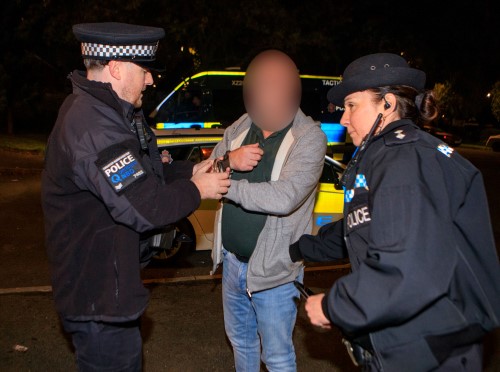
Greater Manchester’s volunteer police officers are now trained to deal with ‘high tension’ events / Credit: GMP
GMP says that around 30 Police Specials completed their level two training over four days at the police force’s specialist training centre in Openshaw this week.
This means they can now be deployed at high-profile events.
ADVERTISEMENT
Chief Superintendent Chris Hill, who is the strategic lead at GMP, say Police Specials play an “important role” for the police force, as they often join response teams or are put to good use by providing a link between local Greater Manchester communities and GMP.
#NEWS | GMP is now one of three forces in the UK to offer public order training to its special constables.
Around 30 specials completed the training over four days at GMP’s training centre in #Openshaw and can now be deployed at high-profile events
“Special constables have the same powers and look the same as regular officers,” CS Hill explained, “but the difference is they are volunteers and can have regular jobs as well.
“The specials that completed the training are now highly-trained in tactics, as well as how to use equipment including helmets and shields, and can be deployed to high-profile football matches and events or demonstrations where there is an increase in tension.
ADVERTISEMENT
“We hope this will make joining GMP as a special a more interesting and exciting prospect.”
This is so they know how to correctly handle and manage public order events / Credit: GMP
Mike Walmsley, who is GMP’s Chief Officer and oversees the Special Constabulary, added how great it is to see a “continued investment” in the special constables.
He continued: “Having a team trained to public order level two allows us to further support our colleagues.
“[It will also] unlock more of the potential that the Special Constabulary has.
“We have already started to map out structured learning and supplied them with laptops and, coupled with further opportunities, this will allow our officers to develop further and support in existing and new areas.”
Featured Image – GMP
News
Trafford Centre begins months-long refurb of its iconic The Orient foodhall
Emily Sergeant
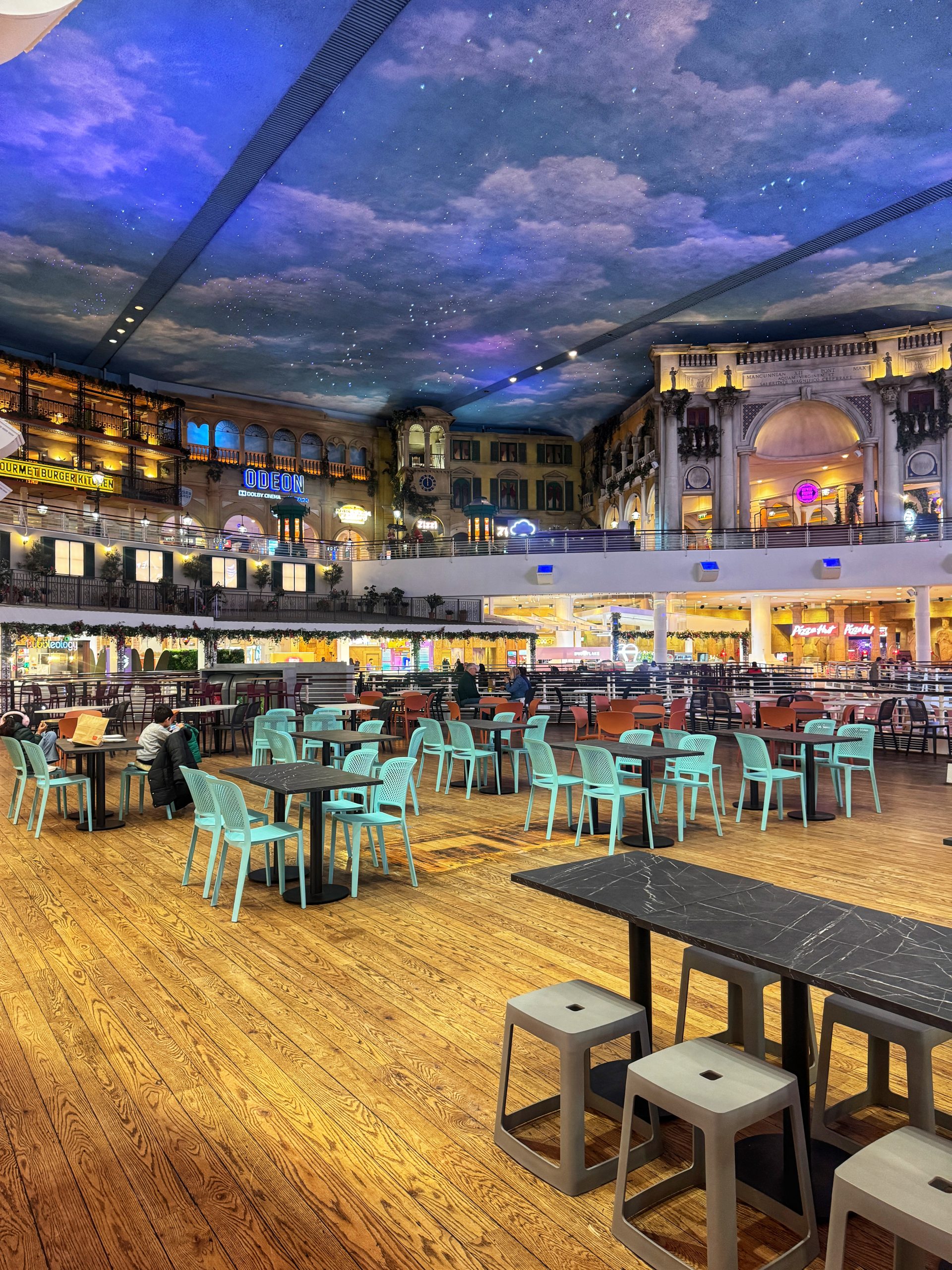
A new era for The Orient is on the horizon, as the Trafford Centre has begun its months-long refresh of its iconic foodhall.
Forming part of its ongoing commitment to ‘enhancing the visitor experience’, the Trafford Centre is investing in a major refresh of seating and customer facilities within The Orient – creating a more vibrant and welcoming environment for guests to eat, meet and relax.
Works are now underway and will be delivered in phases over the coming months.
Improvements are being carried out in phases to minimise disruption to shoppers, while creating a more comfortable and contemporary dining environment at the same time.
The refreshed area will increase seating capacity by more than 60%, introducing a range of new seating styles in the process – including banquettes, family-friendly tables, accessible seating for guests with mobility requirements, and dedicated areas equipped with phone and laptop charging facilities.
The Trafford Centre begins months-long refurb of its iconic The Orient foodhall / Credit: The Manc Group
Inspired by The Orient’s longstanding maritime heritage, the design takes cues from a contemporary cruise liner, and the space will also feature upgraded furniture and enhanced lighting, alongside flexible areas designed to encourage visitors to spend more time in there.
There’ll also be modern furnishings and a ‘refreshed’ colour palette to create a brighter and welcoming environment.
“The Orient is one of the most popular destinations within Trafford Centre, welcoming millions of visitors each year,” a Trafford Centre spokesperson said on the refurb.
“This investment reflects our commitment to continually improving the experience for our guests, creating a more modern, comfortable and social environment where visitors can meet, dine and spend time together.
“The improvements will not only significantly increase seating capacity but also deliver a much more flexible and accessible space for all visitors to enjoy.”
Featured Image – The Manc Group
News
Uber has officially started trialling driverless taxis in Manchester
Emily Sergeant
It’s official… driverless taxis have hit the streets of Manchester.
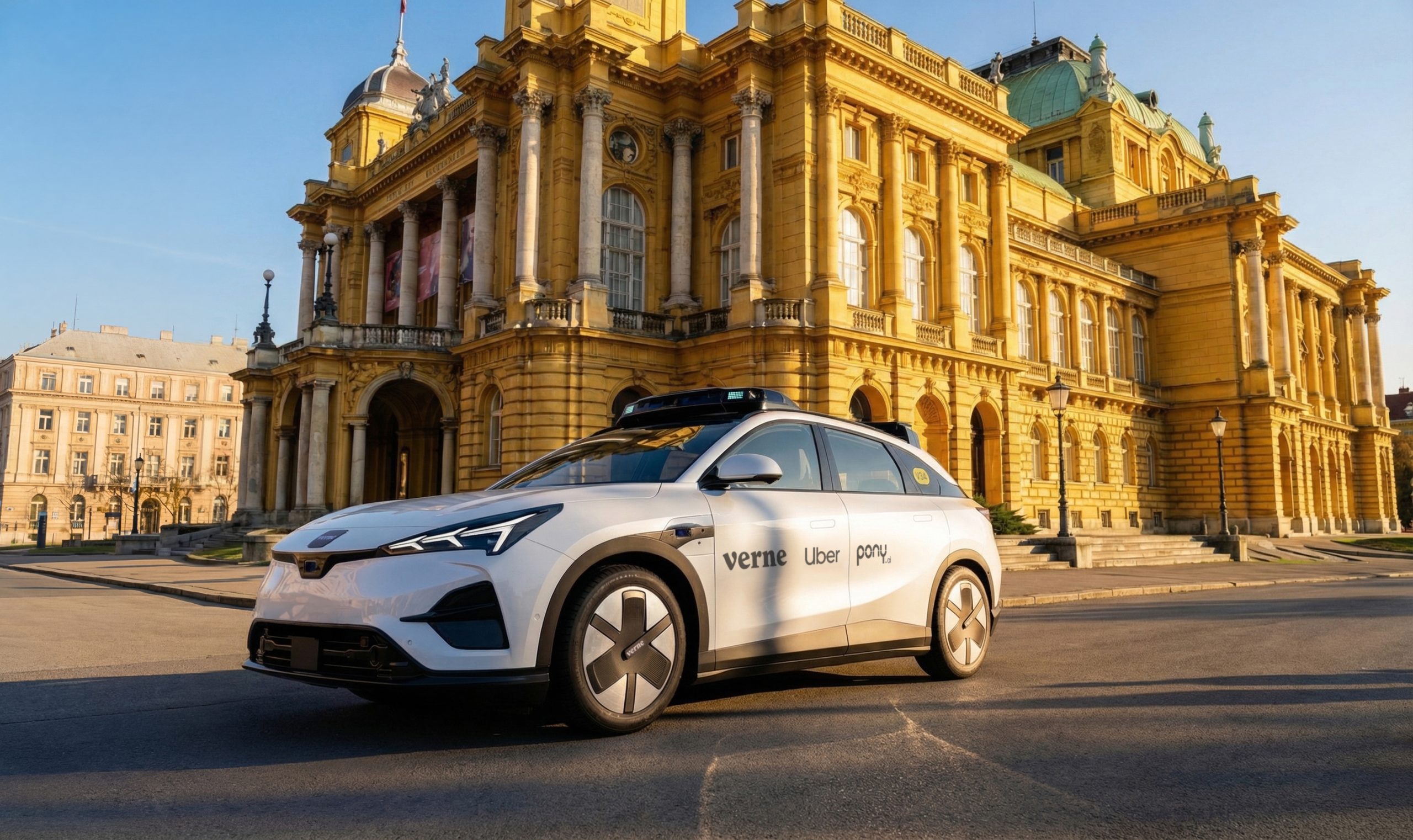
As the leading transportation company looks to bring robotaxis to other major cities around the UK, it has been confirmed that a trial of autonomous vehicles is now underway in Manchester – with the services being operated using the technology of Uber’s partner firms, Pony and Verne.
Uber said it was ‘excited’ to take this first step toward ‘making this technology accessible’ to people across the UK.
The three companies first collaborated on the deployment of a commercial robotaxi service back in March of this year, combining Pony.ai’s autonomous driving system, Uber’s global mobility platform, and Verne’s service ecosystem and operational framework.
At this time, there has been no official application to launch passenger services in Manchester, according to The Guardian.
However, posts on various social media platforms – such as X, LinkedIn, and Instagram – by each of the companies this week have confirmed that trials are underway in the city.
“New technologies play an increasingly important role in the growth of our city region,” TfGM said. “But they need to be introduced responsibly, safely and with real thought about what it means for our residents.
“Safety will always be our top priority, and we will need strong assurances that no vehicles will operate on our roads that pose any risk to residents.”
Manchester, we’re on our way! Today, we’re announcing that we’re partnering with @Verne_robotaxi and @PonyAI_tech to pilot autonomous vehicles in Manchester. Building on our service together in Zagreb, Gen-7 Robotaxis are now testing in Manchester.
We’re excited to take this first step toward making this technology accessible to people across the UK. 🇬🇧
“By bringing together Pony.ai’s proven autonomous driving technology, Verne’s operational and market expertise, and Uber’s global platform, we’re taking an important step toward making autonomous ride-hailing available to more riders in more places.”

 Emily Sergeant -
28th September 2023
Emily Sergeant -
28th September 2023