But it arguably doesn’t get much better than a title like this.
For a long time now, the city has been cementing itself as a tourist hotspot, with new hotels popping up left, right, and centre, and integrated transport systems being introduced to make it easier to get around.
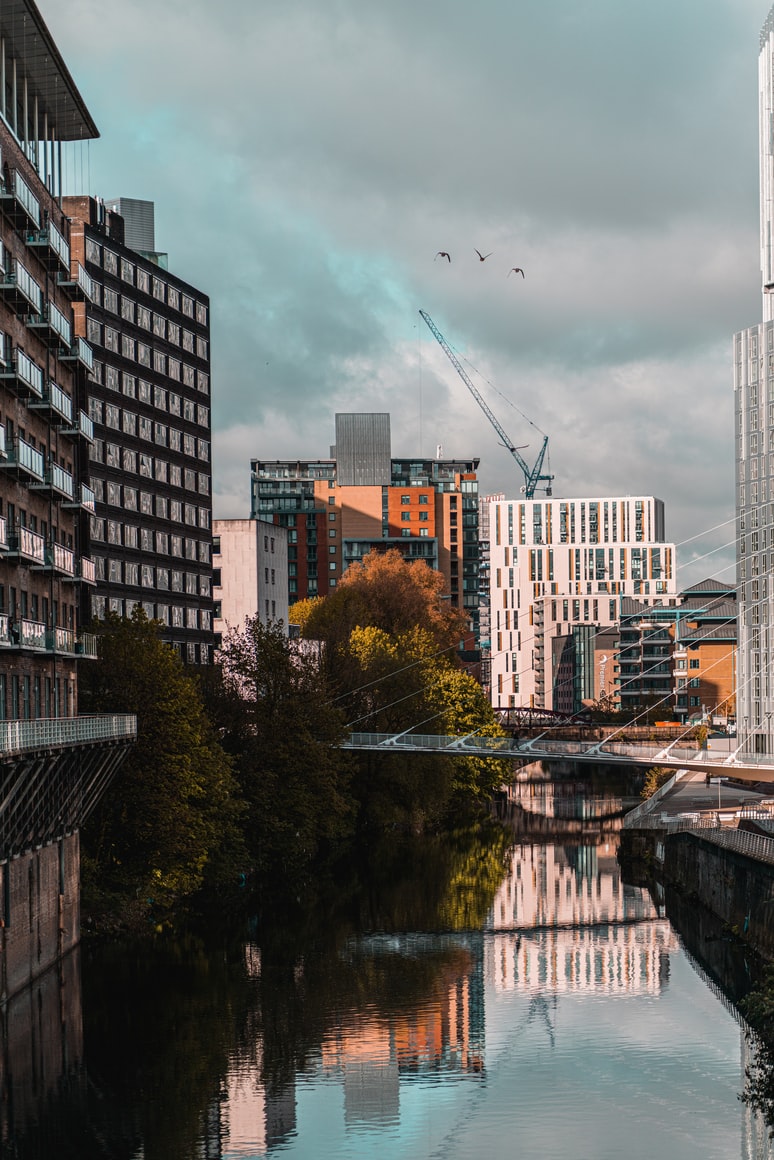
And it looks like all that has paid off, as Manchester has now been named one of the best cities in the whole of Europe for 2025, thanks to a new ranking by Resonance Co.
ADVERTISEMENT
Manchester has been named one of Europe’s ‘best’ cities / Credit: Josh Taylor | Chris Curry (via Unsplash)
This year, the global placemaking company’s research encompassed 128 cities across Europe with metropolitan area populations of 500,000 or more, and evaluated each of them based on 30 performance indicators and perception metrics derived from surveys of more than 7,500 respondents across 10 European countries.
Once each of these performance indictors had been evaluated, every city was given its own ‘Place Power Score’ to determine its ranking.
ADVERTISEMENT
A city’s ‘Place Power Score’ examines three core dimensions – liveability, which takes into account things like housing affordability, healthcare access, green space, air quality, and cycling infrastructure; loveability, which encompasses culture, nightlife, culinary scenes, and more; and prosperity, which includes business environment, talent density, GDP per capita, airport connectivity, and more.
While Manchester may have missed out on both the top 10 and top 20, considering it’s a top 100 list, our city has claimed the respectable 36th spot, beating out mega cities such as Venice, Nice, Athens, and loads more.
In fact, 18 British cities are included in the top 100.
ADVERTISEMENT
Our city has ranked alongside 17 other British places / Credit: Mangopear Creative
Explaining why Manchester has been ranked, Resonance Co said in its city description: “You’ll be hearing a lot more about Manchester this decade, as the historic engine of English industry shifts into high gear across both culture and development.
“While the UNESCO City of Literature continues to shape global music – with 2024’s opening of the 23,500-seat Co-op Live arena, and a festival lineup that includes Beyond the Music and Worldwide Music Expo – Greater Manchester is also writing a new chapter in urban reinvention.
“A newly centralised ‘single pipeline for growth’ coordinates £1 billion of planned annual investment across six targeted Growth Locations, aiming to deliver tens of thousands of homes and jobs at a pace unmatched in the UK since the 2012 London Olympics. Among the boldest is the Western Gateway, anchored by the regeneration of Old Trafford around Manchester United’s stadium, projected to generate over 90,000 jobs.
“The Central Growth Cluster includes innovation districts like Crescent Salford and Victoria North. These ambitions build on an £80-billion economy that’s grown 50% since 2000 and now leads the nation in FDI outside London.
“Add a mature devolved governance model and transformative transit investments – like bringing commuter rail into the Bee Network – and the city’s Top 10-ranked airport and 15th-most Instagram Hashtags start making sense.”
Which city took the title of the best city in Europe though? Well unfortunately, we have to give it to the southerners on this one, as London took the top spot.
But at least it’s an impressive win for the UK, if nothing else.
Featured Image – Mylo Kaye (via Unsplash)
News
Details released of Andy Burnham’s meetings with Manchester City owners while Mayor
Emily Sergeant
Details of Andy Burnham’s meetings with Manchester City owners during his tenure as Mayor of Greater Manchester have been released.
In case you need bringing up to speed on the situation a little first, Manchester City was found guilty back in September all of its charges related to the Premier League’s financial rules over a nine-season period, and on top of that, was also found guilty of the majority of charges in relation to its failure to co-operate with the League’s investigation.
According to the Premier League, the independent Commission found that Manchester City had arranged so-called ‘sham’ commercial deals with a number of its sponsors.
These were part of a disguised funding scheme – with those sponsors only required to pay a portion of the relevant sponsorship fees.
The remainder was then funded by Abu Dhabi United Group Investment & Development Ltd (ADUG), which owned the club.
The Commission also concluded, as quoted by the Premier League, that the club had ‘made concerted efforts to stop and frustrate the Premier League investigation’.
Within the past week or so, it has since come to light that now-Prime Minister Andy Burnham had dealings with Manchester City during his tenure as Greater Manchester Mayor, and Greater Manchester Combined Authority (GMCA) has now issued a public statement, giving details on the matter and what these ‘dealings’ entailed.
A spokesperson for GMCA confirmed that Burnham had a ‘formal meeting’ with Man City Chairman, Khaldoon Al Mubarak, back in October 2021.
The statement reads in full: “In October 2021, Andy Burnham, in his role as Mayor of Greater Manchester, had a formal meeting with Khaldoon Al Mubarak at the UK Government’s Global Investment Summit arranged by the Department for International Trade.
“In his capacity as Mayor, he was a guest of Manchester City FC at home matches on a small number of occasions, including attending Vincent Kompany’s testimonial match in September 2019, where he met the Chairman informally in the stands. These have been declared in the usual way.
“Also during his time as Mayor, representatives of Greater Manchester sporting clubs would routinely join business delegations as part of Mayoral international visits.
“This included representatives from Manchester United travelling to Austin and Dublin, Lancashire Cricket Club joining a delegation to India, and Manchester City FC staff supporting visits to China and Japan.”
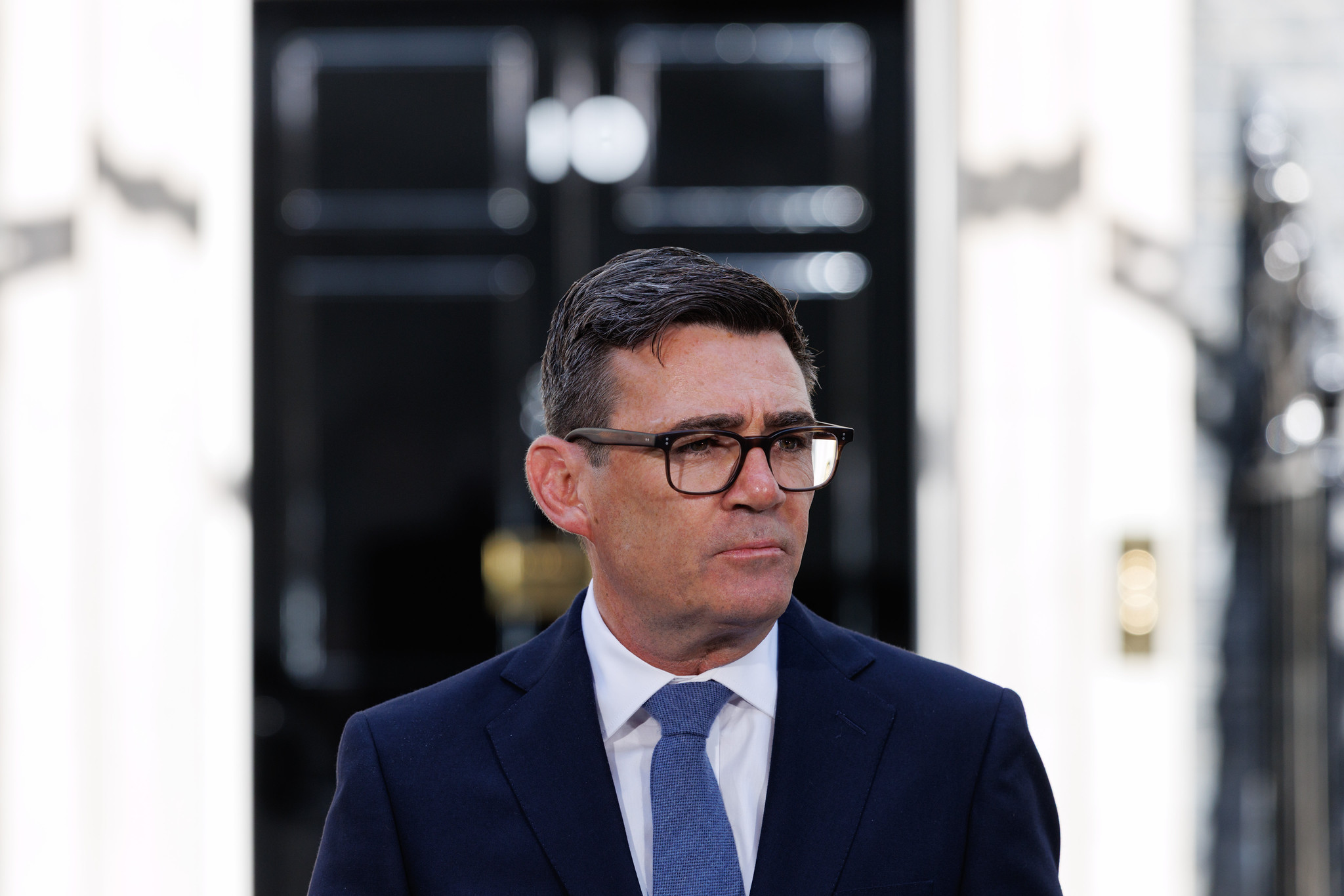
Featured Image – Lauren Hurley / Number 10 Downing Street (Press Image via Flickr)
News
Multiple arrests made for ‘tragedy chanting’ and police officer assault as Man City defeated Liverpool
Emily Sergeant
Multiple people were arrested over the weekend as Manchester City defeated Liverpool in a Premier League clash.
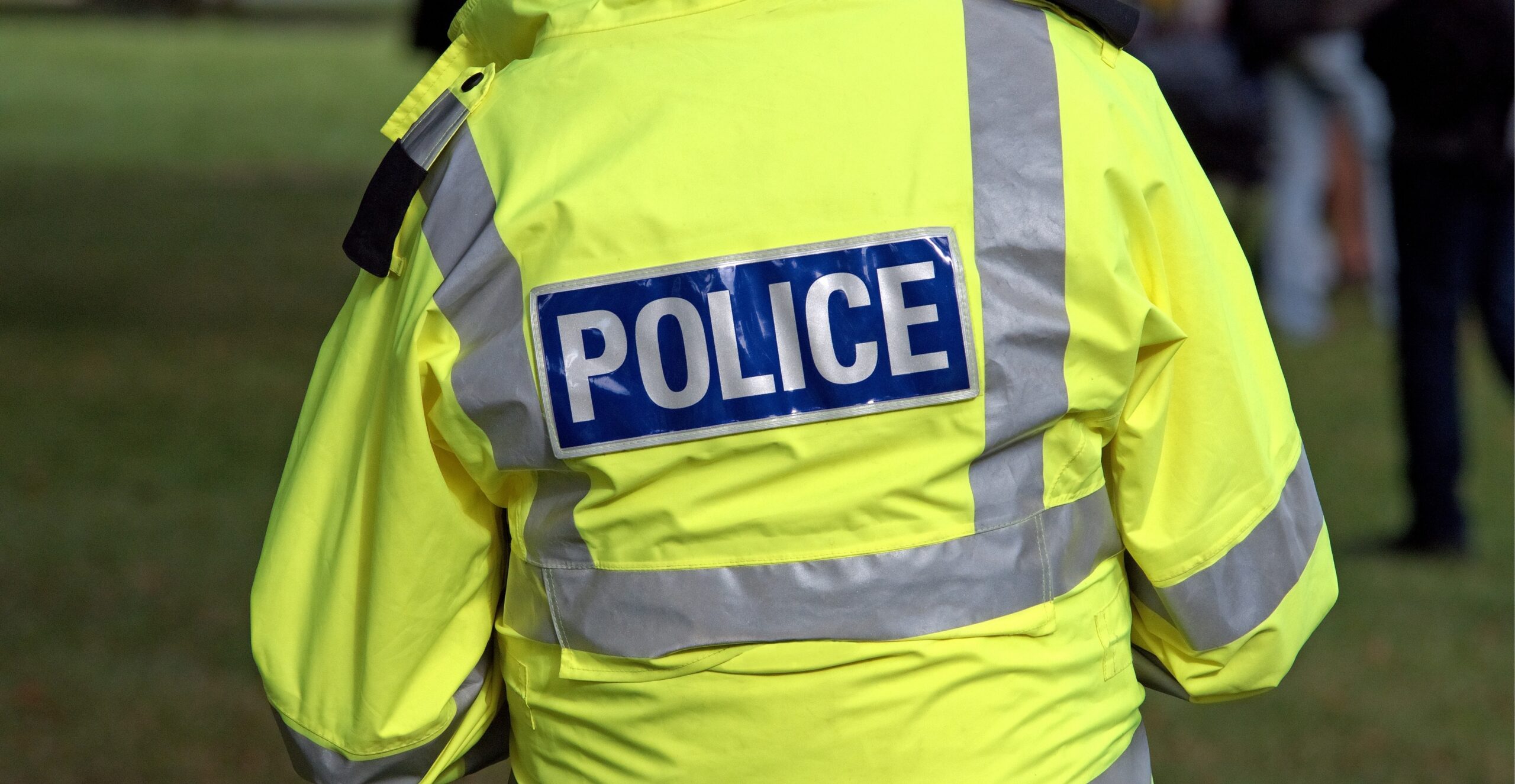
Merseyside Police have confirmed that a total of 10 people were arrested during the policing operation at Liverpool’s home ground of Anfield as they hosted Manchester City on Sunday 11 October.
One man was arrested on suspicion of assaulting a police constable, five were on suspicion of tragedy chanting, one on suspicion of being drunk and disorderly, two for affray, and one on suspicion of throwing items onto the pitch.
Police are now appealing to the public, and are particularly looking to speak to witnesses of the assault of the officer.
At around 6:35pm, as fans left the stadium, a police officer sustained a ‘serious facial injury’ during the arrest of a man on Anfield Road, and was subsequently taken to hospital for treatment but is now recovering at home.
Investigating officers are now conducting enquiries, speaking to witnesses, and analysing CCTV and camera phone footage.
Chief Inspector Leanne Hobin said it’s ‘extremely disappointing’ that an officer has sustained a serious injury while carrying out their duty.
“I hope the arrests send a clear message and act as a deterrent to others,” Chief Inspector Hobin continued. “Anyone who engages in this abhorrent behaviour risks ending up in custody and getting a criminal record.
“Despite the actions of a few, the overwhelming majority of the 60,000 fans in attendance behaved well and I want to thank them for their co-operation.”
Manchester City ended up defeated Liverpool 3-0 during the Premier League clash at Anfield.

 Emily Sergeant -
8th May 2025
Emily Sergeant -
8th May 2025