Thousands of ambulance workers across the UK are to walk out today in fresh strikes following the rejection of the latest pay offer by unions.
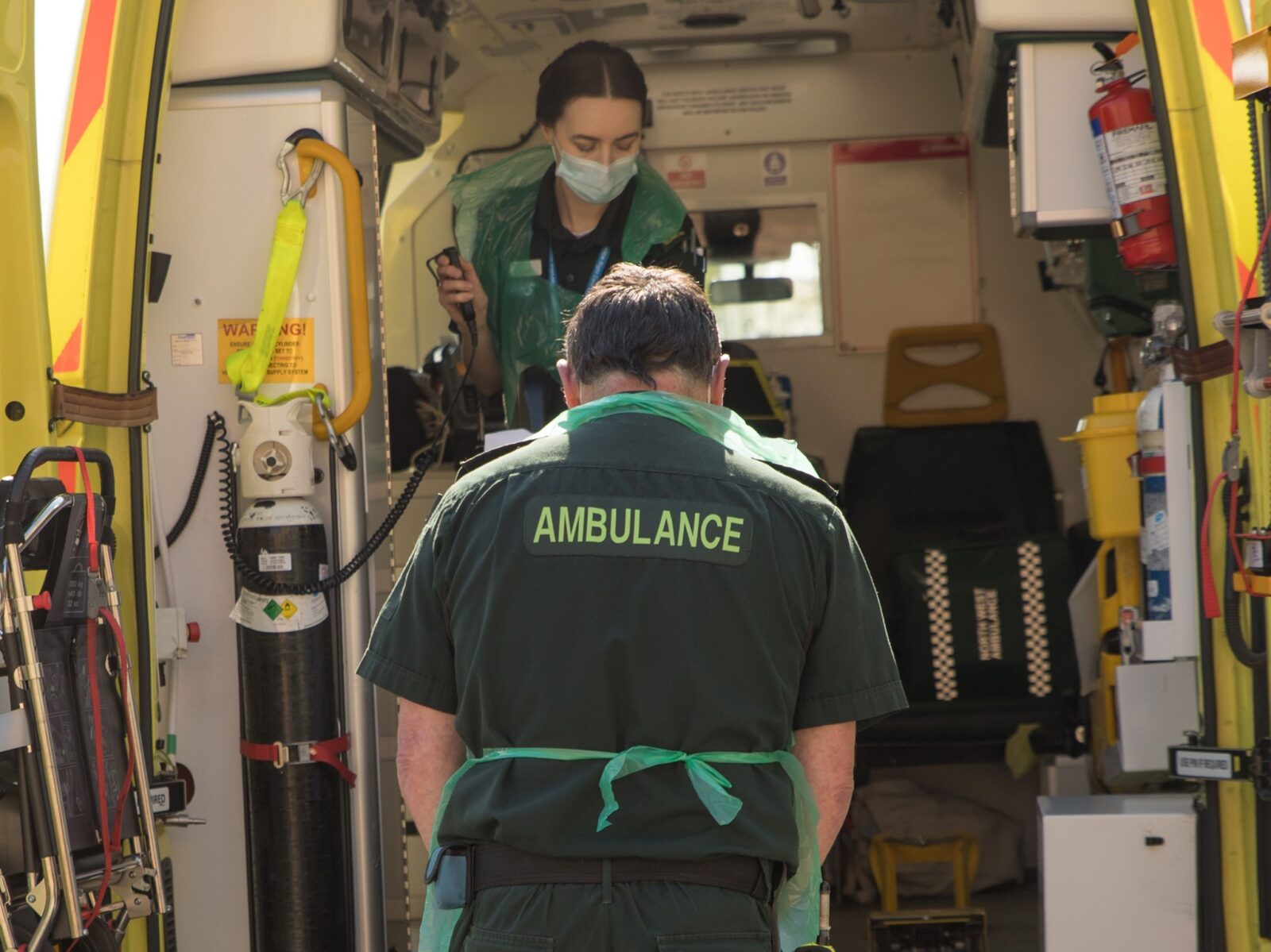
Widespread disruption is expected as more than 11,000 members of the both the GMB and Unite unions at seven of the 10 ambulance service trusts in England – including in the North West – are, once again, staging strike action for 24-hours today, which means fewer ambulances on the road and fewer call handlers answering 999 calls.
On top of this, ambulance dispatchers and drivers in our Patient Transport Service will also be going on strike today.
As there continues to be unrest in many industries and sectors of the economy nationwide, the North West Ambulance Service (NWAS) has issued a statement explaining which calls its services will be “prioritised” during the industrial action today.
Staff are striking today. Continue to call 999 for cardiac arrest, loss of consciousness, fits that don't stop, breathing difficulties, severe bleeding, allergic reactions, serious head injuries, strokes and heart attacks. Unsure, use the symptom checker https://t.co/Q9820lk3SOpic.twitter.com/7N31CPQHkT
“We need the public to only call 999 in life-threatening emergencies to ensure resources are available for the patients who really need us,” the NWAS said in its appeal.
ADVERTISEMENT
“To be clear, ambulances will still be available, but they will be prioritised for those life and limb emergencies, so other patients will likely be asked to make their own way to hospital or advised where else to seek help.”
The NWAS has confirmed it will be supported by the military and by private and volunteer ambulance services during the strike action today.
ADVERTISEMENT
In a bid to “ensure the safety of patients”, the NWAS has also said that senior clinicians will be based in all its control rooms across the region to oversee incoming 999 calls and make decisions on responses based on clinical need.
North West Ambulance Service explains who’ll be ‘prioritised’ as thousands strike across UK today / Credit: NWAS
“This is the ninth day we have faced some form of strike action in the service,” Ged Blezard from the NWAS said of today’s walkouts.
“So far, we have coped reasonably well. However, I understand there are only so many times that the public will listen to our messages, therefore it’s important to stress that one of the reasons we are able to get to people who need us on strike days is that we receive fewer calls, so it’s vital that the public continue to behave as they are.
ADVERTISEMENT
“Please only call 999 in a life-threatening emergency.”
Typical emergencies the NWAS says services will be prioritised for today include cardiac arrest, loss of consciousness, fits that aren’t stopping, breathing difficulties, severe bleeding, allergic reactions, and serious head injuries.
If hospital treatment is required, the NWAS said patients should also consider taking alternative transport – such as a taxi, or getting a lift from family or friends.
Equally, they should use 111.nhs.uk their GP or local pharmacy for help with “non-urgent health concerns”.
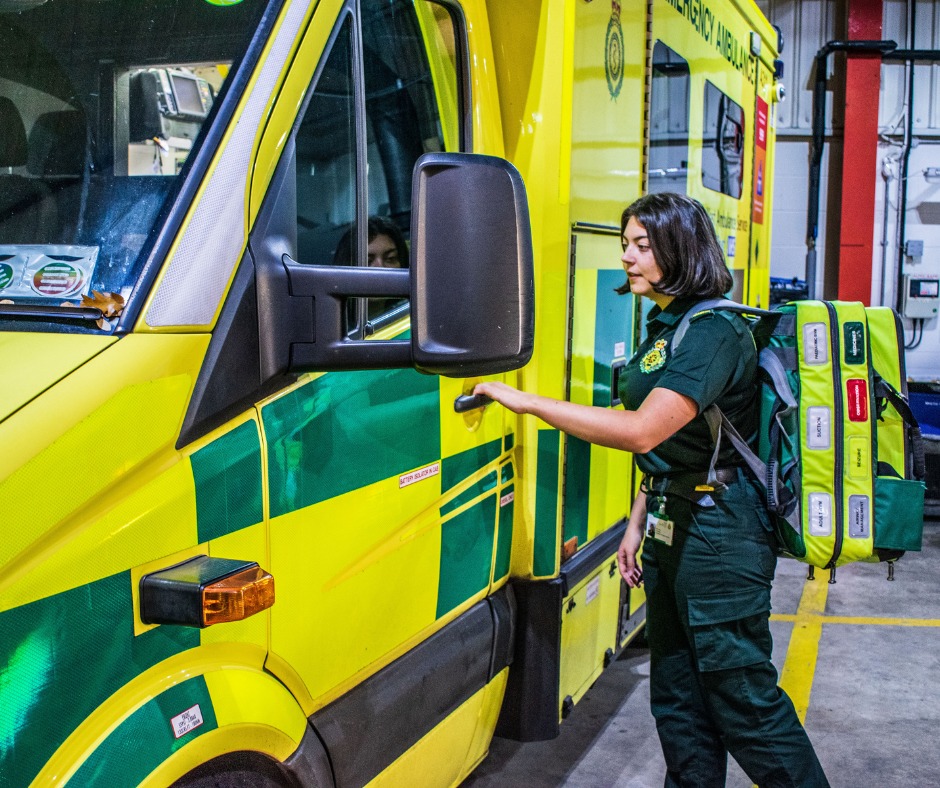
There’ll be fewer ambulances on the road and fewer call handlers answering 999 calls today / Credit: NWAS
Mr Blezard also stressed the importance that people don’t repeat-call 999 to “ask for updates on where your ambulance is”, adding that they should “only call us back if your condition has worsened or to cancel the ambulance as we need to keep lines free for other emergencies”.
ADVERTISEMENT
“We are hoping for a resolution to the dispute, but ultimately, this is a matter for the government and trade unions to settle,” he concluded.
More support is available on the NWAS website during today’s strikes.
Featured Image – NWAS
News
Details released of Andy Burnham’s meetings with Manchester City owners while Mayor
Emily Sergeant
Details of Andy Burnham’s meetings with Manchester City owners during his tenure as Mayor of Greater Manchester have been released.
In case you need bringing up to speed on the situation a little first, Manchester City was found guilty back in September all of its charges related to the Premier League’s financial rules over a nine-season period, and on top of that, was also found guilty of the majority of charges in relation to its failure to co-operate with the League’s investigation.
According to the Premier League, the independent Commission found that Manchester City had arranged so-called ‘sham’ commercial deals with a number of its sponsors.
These were part of a disguised funding scheme – with those sponsors only required to pay a portion of the relevant sponsorship fees.
The remainder was then funded by Abu Dhabi United Group Investment & Development Ltd (ADUG), which owned the club.
The Commission also concluded, as quoted by the Premier League, that the club had ‘made concerted efforts to stop and frustrate the Premier League investigation’.
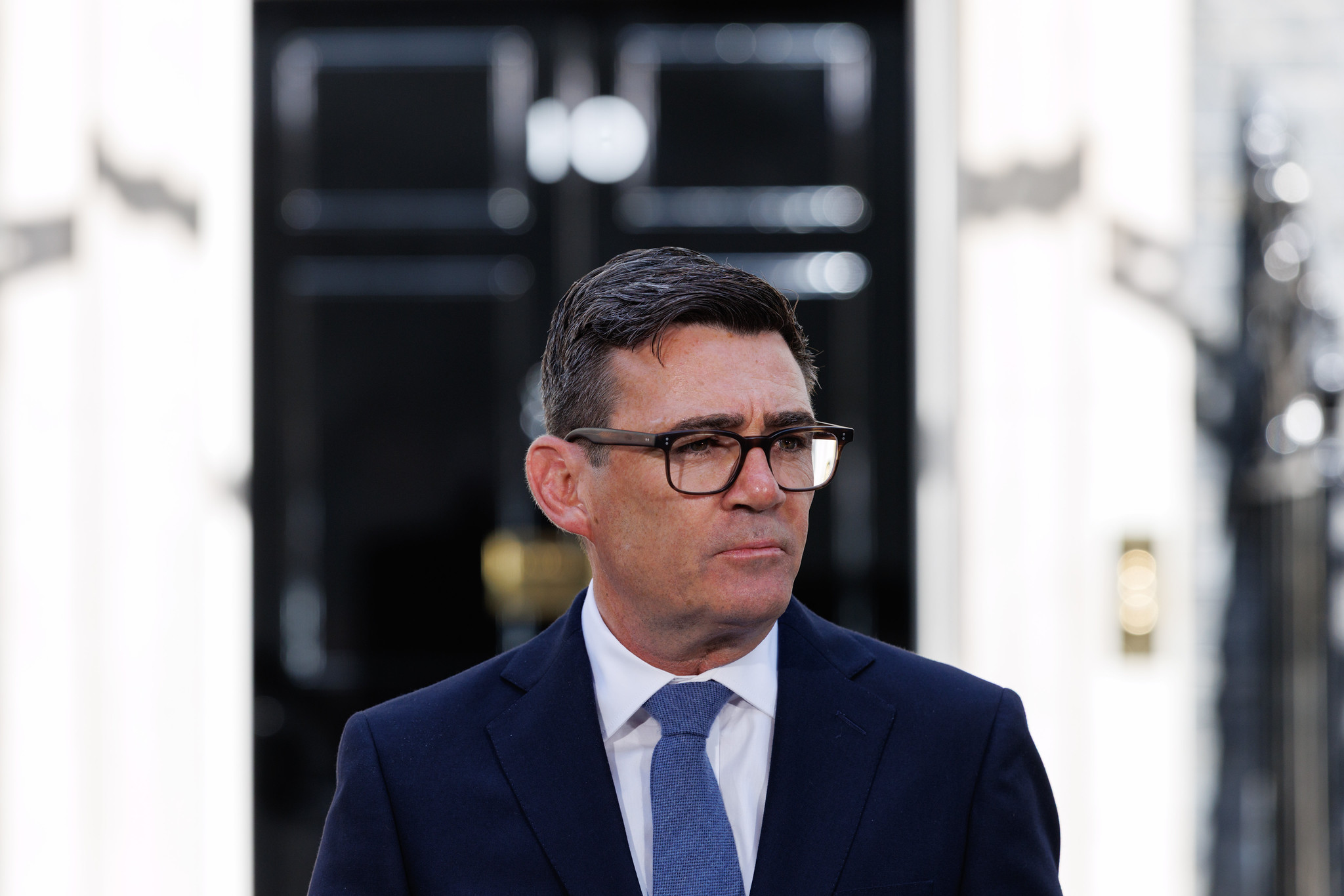
Within the past week or so, it has since come to light that now-Prime Minister Andy Burnham had dealings with Manchester City during his tenure as Greater Manchester Mayor, and Greater Manchester Combined Authority (GMCA) has now issued a public statement, giving details on the matter and what these ‘dealings’ entailed.
A spokesperson for GMCA confirmed that Burnham had a ‘formal meeting’ with Man City Chairman, Khaldoon Al Mubarak, back in October 2021.
The statement reads in full: “In October 2021, Andy Burnham, in his role as Mayor of Greater Manchester, had a formal meeting with Khaldoon Al Mubarak at the UK Government’s Global Investment Summit arranged by the Department for International Trade.
“In his capacity as Mayor, he was a guest of Manchester City FC at home matches on a small number of occasions, including attending Vincent Kompany’s testimonial match in September 2019, where he met the Chairman informally in the stands. These have been declared in the usual way.
“Also during his time as Mayor, representatives of Greater Manchester sporting clubs would routinely join business delegations as part of Mayoral international visits.
“This included representatives from Manchester United travelling to Austin and Dublin, Lancashire Cricket Club joining a delegation to India, and Manchester City FC staff supporting visits to China and Japan.”
Featured Image – Lauren Hurley / Number 10 Downing Street (Press Image via Flickr)
News
Multiple arrests made for ‘tragedy chanting’ and police officer assault as Man City defeated Liverpool
Emily Sergeant
Multiple people were arrested over the weekend as Manchester City defeated Liverpool in a Premier League clash.
Merseyside Police have confirmed that a total of 10 people were arrested during the policing operation at Liverpool’s home ground of Anfield as they hosted Manchester City on Sunday 11 October.
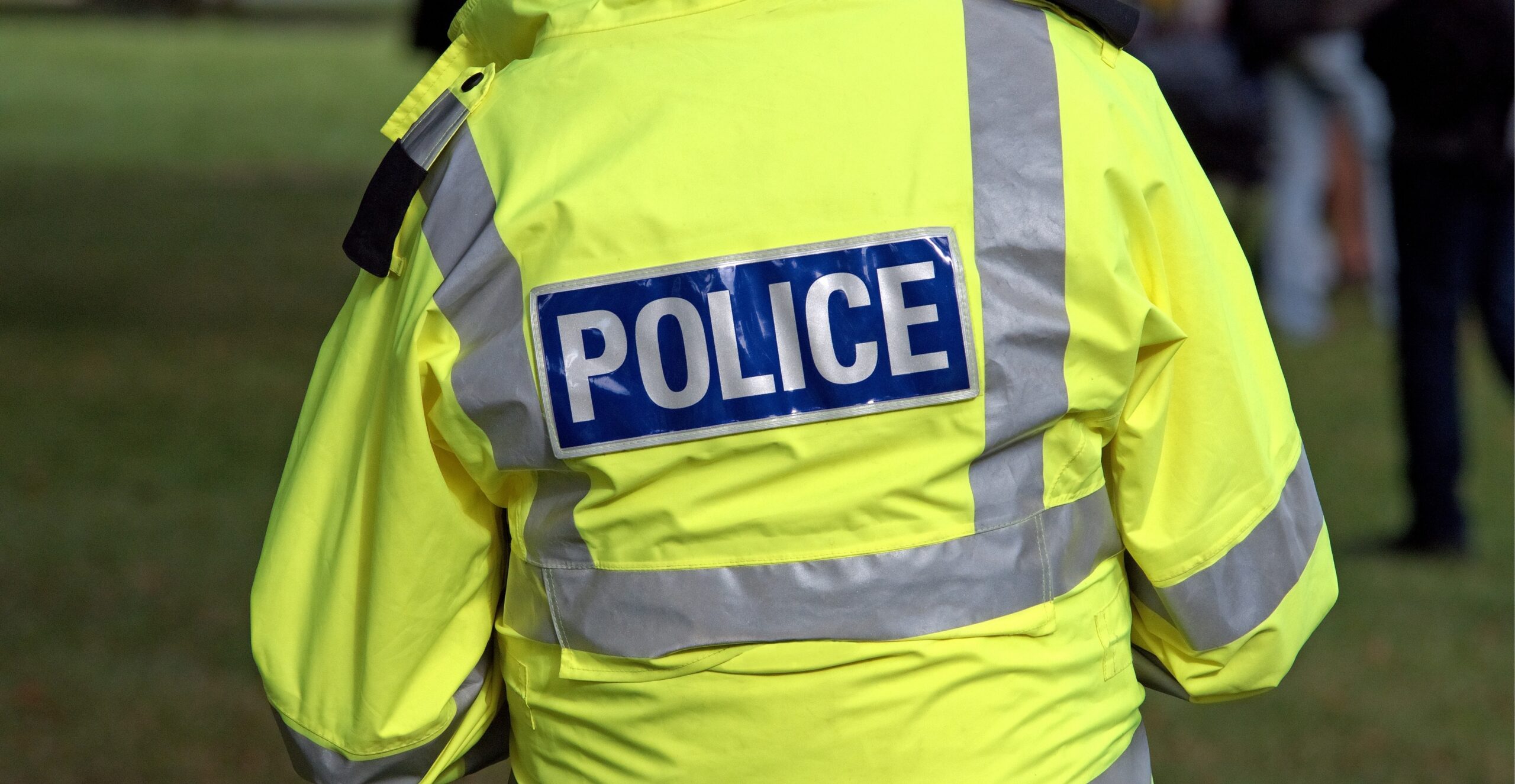
One man was arrested on suspicion of assaulting a police constable, five were on suspicion of tragedy chanting, one on suspicion of being drunk and disorderly, two for affray, and one on suspicion of throwing items onto the pitch.
Police are now appealing to the public, and are particularly looking to speak to witnesses of the assault of the officer.
At around 6:35pm, as fans left the stadium, a police officer sustained a ‘serious facial injury’ during the arrest of a man on Anfield Road, and was subsequently taken to hospital for treatment but is now recovering at home.
Investigating officers are now conducting enquiries, speaking to witnesses, and analysing CCTV and camera phone footage.
Chief Inspector Leanne Hobin said it’s ‘extremely disappointing’ that an officer has sustained a serious injury while carrying out their duty.
“I hope the arrests send a clear message and act as a deterrent to others,” Chief Inspector Hobin continued. “Anyone who engages in this abhorrent behaviour risks ending up in custody and getting a criminal record.
“Despite the actions of a few, the overwhelming majority of the 60,000 fans in attendance behaved well and I want to thank them for their co-operation.”
Manchester City ended up defeated Liverpool 3-0 during the Premier League clash at Anfield.

 Emily Sergeant -
20th February 2023
Emily Sergeant -
20th February 2023