The plans to turn Castlefield Viaduct into an urban park, similar to New York’s High Line, have been approved – and it could open as soon as summer.
The ambitious vision will see the Grade II-listed industrial structure turned into an urban oasis.
The 300m-long viaduct has been out of use and left to decay for more than 50 years.
Manchester City Council has now given the National Trust the green light to go ahead with the plans.
The park will initially be a temporary addition to the city centre, while the charity tests ideas and gathers feedback.
ADVERTISEMENT
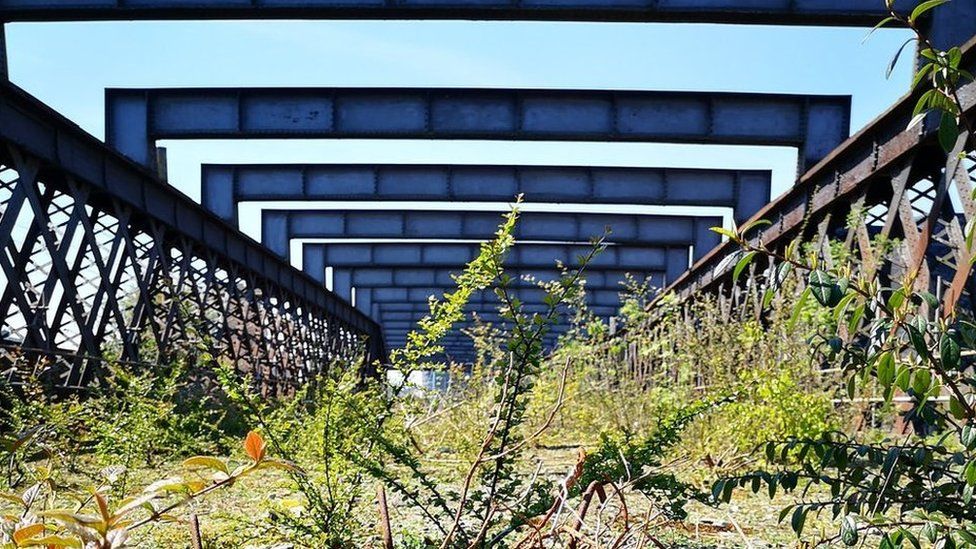
How Castlefield Viaduct currently looks. Credit: National Trust
The initial plan is to open the park next summer for a year, with free entry made with a booking system to manage numbers.
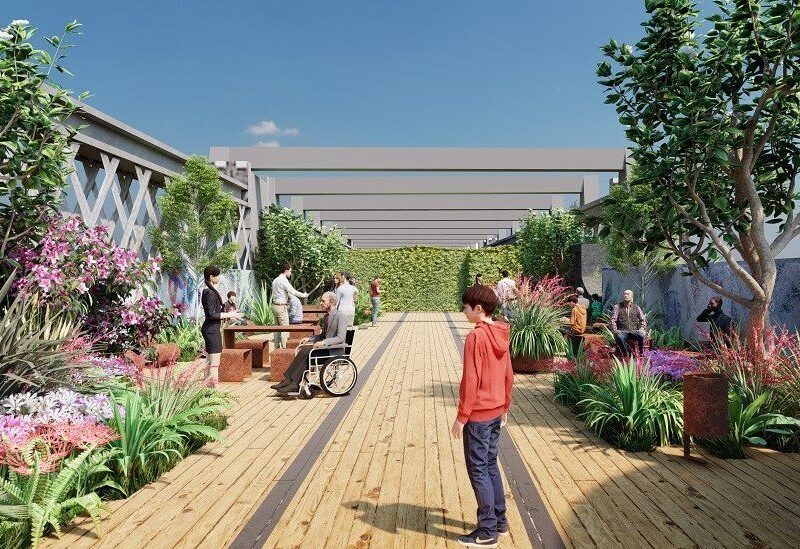
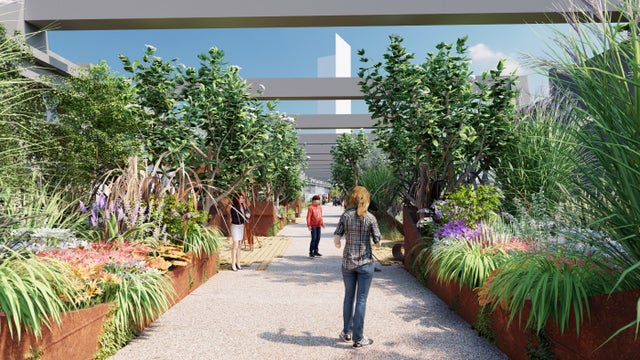
The middle section of the viaduct will be transformed into a bee- and butterfly-friendly area filled with plants and foliage, while a covered area will show visitors the future vision for the structure.
ADVERTISEMENT
Duncan Laird, head of urban places at the National Trust, said: “We’re delighted that our temporary planning application has been given the green light by Manchester City Council.
“It’s a positive step towards realising our plans, and those of our partners and supporters.
How it will look, potentially as soon as next summer. Credit: Twelve Architects & Masterplanners
“Earlier this year we invited the public to share their thoughts and give feedback on our plans to open the viaduct as a temporary urban park.
ADVERTISEMENT
“We were encouraged by the positive response we received with so many people sharing our excitement about the potential benefits the viaduct could have on the area and those who live locally.
“We’re still in conversation with a number of key organisations whose support we need to make this a reality for Manchester, but we’re looking forward to sharing more news on our plans and progress in the New Year.”
Mike Innerdale, regional director for the north at the National Trust, added: “The pandemic showed us the importance of our local parks and gardens, but it also highlighted significant inequalities in access to green space in urban areas like Manchester.
Read more: This company replants your Christmas tree – then rents it back to you every year
“The approval of our temporary planning application means we can progress with our ambitions to transform the viaduct into an accessible green space for the 50,000 residents living within a twenty-minute walk of the area.
ADVERTISEMENT
“We also want to share the viaduct’s story with the people of Manchester, many of whom are likely to have walked on the cobbles underneath this mighty heritage structure, or spotted it on the Castlefield skyline, without knowing its history.
“The viaduct has stood in Manchester for over 125 years and we want to help the city to protect it, injecting the viaduct with a new lease of life so it becomes a space people can use and be proud of.
“We hope that by testing ideas, finding out what people really need from this unique space, and growing the number of supporters who can help us to make this happen, we can create something that will benefit generations for many years to come.”
Featured image: Twelve Architects & Masterplanners
News
Manchester’s free summer picnic is coming back to Oxford Road
Danny Jones
Manchester’s free ‘Summer in the City Picnic’ is returning to the Oxford Road Corridor later this year, promising plenty of live music and entertainment, family-friendly fun, outdoor activities and lots more.
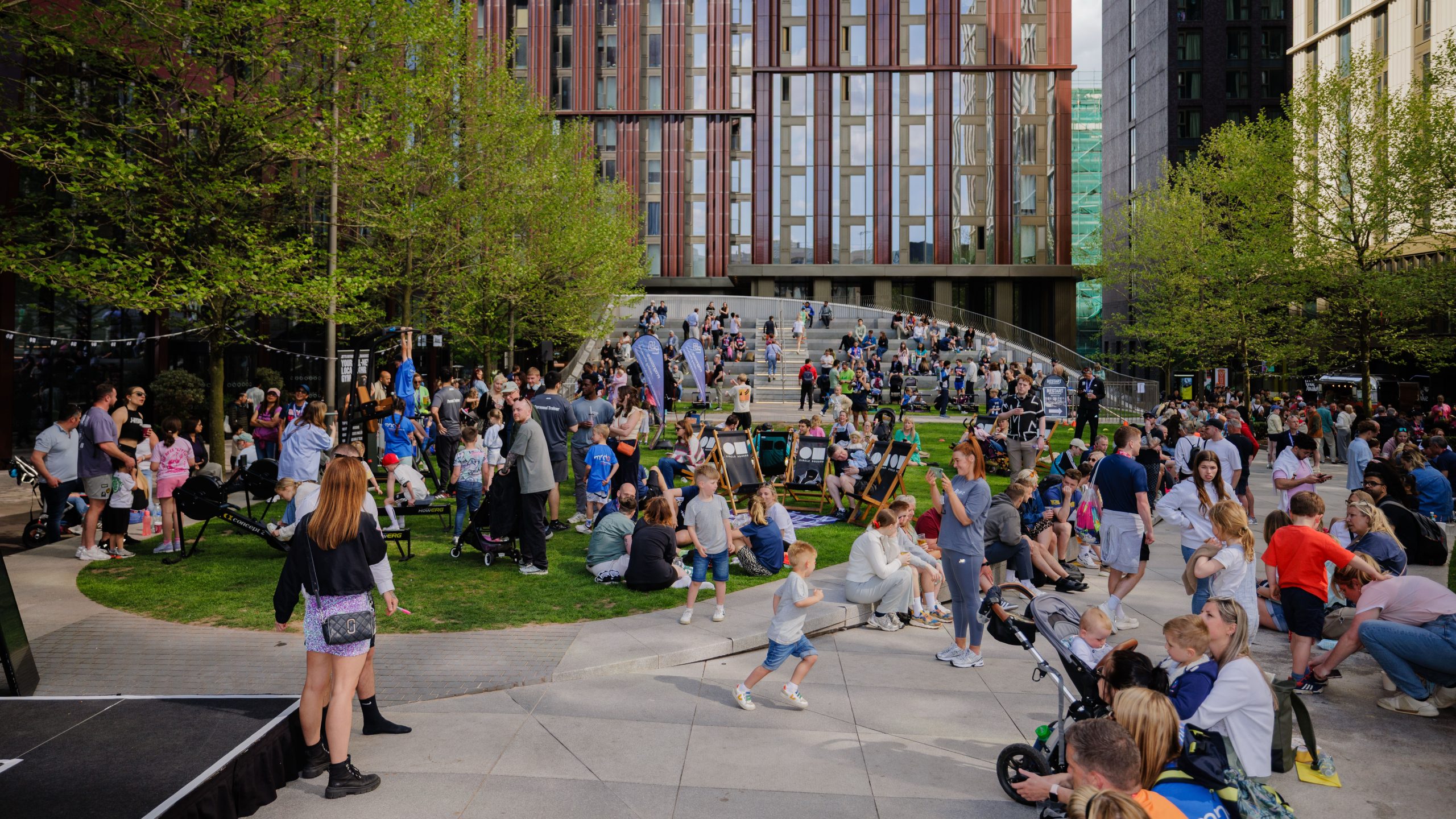
Coming back to Circle Square for the second time, the now annual and completely free city centre festival will set up for its sophomore edition right on Symphony Park.
Surrounded by numerous local businesses located within the thriving Bruntwood SciTech and Vita Group neighbourhood, this mini-district is once again set to draw in crowds from all over Manchester.
With that in mind, get your coolers, picnic baskets and blankets ready: it’s time for some alfresco fanfare.
Kicking off next month for one day only, Circle Square‘s ‘Summer in the City Picnic’ 2.0 will get underway pretty much from the outset, with the organisers promising a full day of festivities.
Visitors can look forward to an even more jam-packed schedule than last year, with creative workshops and interactive experiences, DJs right through to the evening, alongside roaming steel drum performances and even silent disco adventures, just to name a few.
Other events include: sip and paint sessions, pop-up mini golf and basketball shoot-outs; ‘foot pool’, a seasonal bouquet bar, as well as a dedicated picnic space for dogs, complete with bespoke pup portraits. Adorable.
2025 saw plenty of furry friends steal the show and become local celebrities for the day, and we’re sure ’26 will be no different.
The long picnic tables will once again take centre stage, creating a relaxed space for families and friends to come together over great food from Circle Square’s wide mix of indie restaurants and cafes, such as Gooey, Onda, Hello Oriental, Half Dozen Other, Saffa Soul, North Bar, Monkey Trio and more.
Punters are, obviously, to bring along their own picnic bits, packed lunches and favourite scran, but it’s nice to have the option of treating yourself to stuff on-site.
Better still, Circle Square’s proximity not only to Oxford Road train station, but the St Peter’s Square tram stop and various bus routes (even Piccadilly isn’t really that far) means that this is super accessible for anyone interested – not to mention that it’s completely free and open to all members of the public.
Taking place on Saturday, 8 August, we hope to see you there and hopefully with the sun shining.
Featured Images — Publicity pictures/Jody Hartley (supplied via SH Comms)
News
UK set for another ‘potential’ heatwave next week after warmest June on record
Emily Sergeant
England could be heading towards another potential heatwave early next week, the Met Office has revealed.
While it’s obviously true that temperatures this week have returned to average for the time of year, bringing largely settled conditions for many, once next week rolls around, some parts of the country could be heating up once again – with the Met Office revealing what Greater Manchester residents should prepare for.
For the early part of next week, temperatures will definitely rise and perhaps reach what are considered heatwave conditions for some.
But if this is the case, the forecast suggests that it’s ‘unlikely’ to reach the high temperatures and humidity of last month’s heat, and the North West won’t be getting the worst of it.
The potential of next week’s heatwave comes after last month was officially declared the UK’s warmest June on record.
After a week of respite from the heat, high pressure moves in this weekend, dominating many southern and central areas for the next 10 days.
A defining feature of the month’s heatwave was the ‘exceptionally warm’ overnight temperatures, with frequent ‘tropical nights’ helping to drive the highest average June minimum temperatures on record.
Giving an insight into what’s to come as we head into the weekend, Met Office Deputy Chief Forecaster, Tony Wisson, explained: “Toward the weekend, high pressure will continue to build in across most of the UK as it extends from the Azores. This will lead to more settled, warm or very warm conditions for many, especially across England and Wales, though some rain may still affect the far north.
“The forecast for this weekend suggests that temperatures could approach high 20s°C across parts of England, perhaps 30°C in parts of the southeast, with values of mid to high 20s°C in Wales.
“Although a return to heatwave conditions is looking increasingly likely for some areas, the likelihood of such extreme high temperatures or high levels of humidity as last week is currently low.”

 Daisy Jackson -
24th November 2021
Daisy Jackson -
24th November 2021