Police in Rochdale have issued a public appeal for information and witnesses after a teenager was left injured when a “large scale disorder” broke out earlier this week.
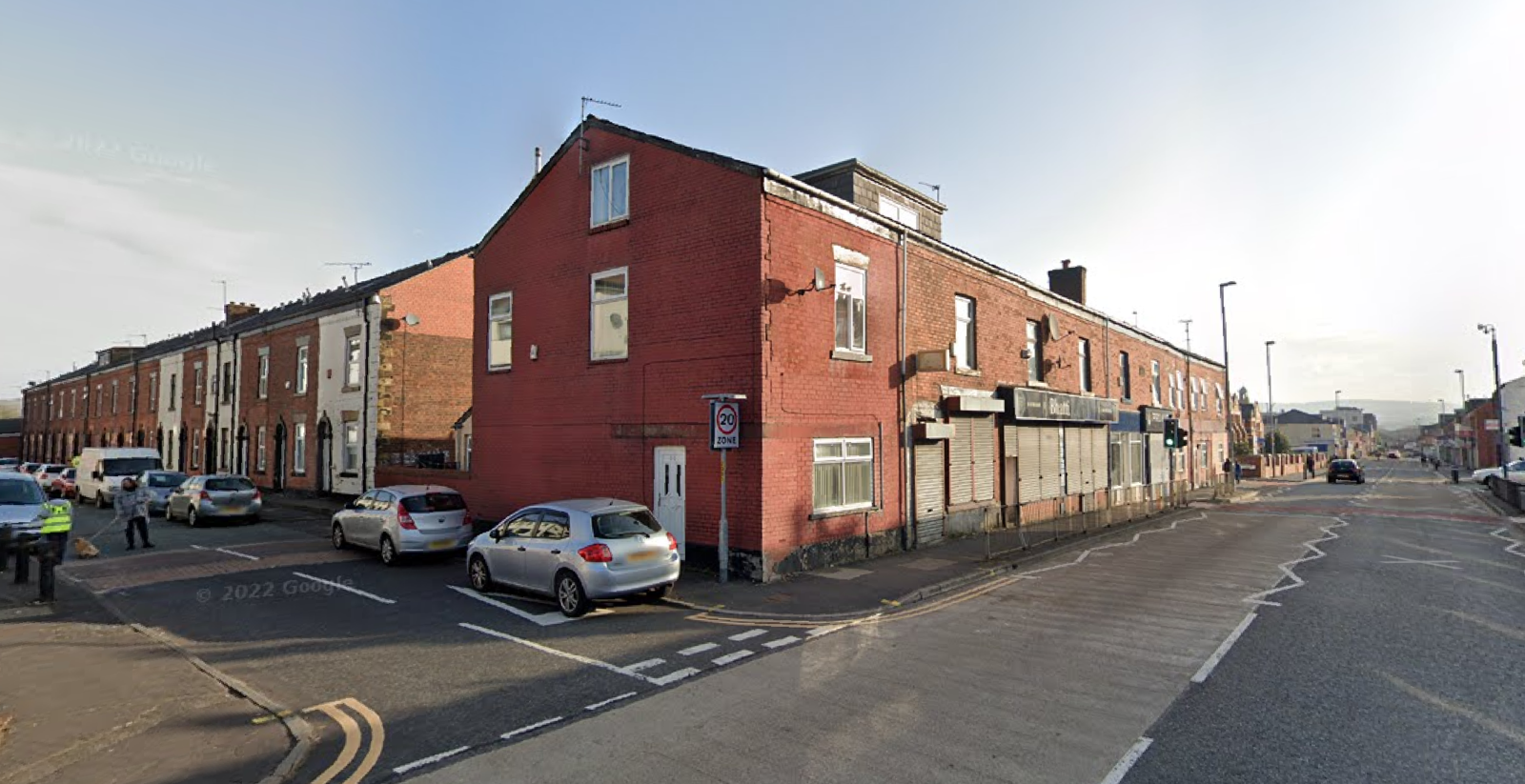
At around 10:30pm on Monday evening, (3 April) officers from Greater Manchester Police (GMP) were called to reports of large scale disorder involving over a dozen people on the Tweedale Street junction of Boundary Street in Rochdale.
It’s believed that 14 people were involved in the disorder, according to GMP, and were seen to be carrying and using weapons as part of the attack.
The group were said to have vacated from the area as other members of the public came over to them.
GMP confirmed that a 16-year-old male suffered injuries during the disorder, and was subsequently taken to hospital for treatment shortly after, where he still remains.
ADVERTISEMENT
A 16-year-old youth was arrested yesterday morning on suspicion of Section 18 assault.
With an investigation having now been launched to establish the identities of the people involved and the circumstances of this incident, GMP has spoken out to reassure the Rochdale community and confirm to residents that increased police patrols will be in the area.
ADVERTISEMENT
“I would like to reassure the public that this incident last night has certainly not gone unnoticed and we are actively pursuing all lines on enquiry to establish the circumstances of this incident,” said GMP Rochdale’s District Commander, Chief Superintendent Nicky Porter.
“We are also aware that this incident has understandably caused some concern in the local area.
“You will see an increased the number of officers on patrol around the local area to help provide reassurance and they are more than happy to provide a listening ear to any concerns or information you may have about any crimes or issues in your area.
ADVERTISEMENT
“Rochdale has a very strong community spirit, and our friends, families, neighbours and communities that live and work in the borough are disheartened by the violence displayed last night.”
The Tweedale Street junction of Boundary Street in Rochdale / Credit: Google Maps
Chief Superintendent Nicky Porter also confirmed that GMP will continue to work together with the Rochdale Council, local partners, and as one community to “ensure people feel safe and go about their daily lives, without fearing violence.”
GMP is also urging the public to come forward with any information, CCTV, doorbell or dashcam footage that they may have regarding last night’s incident.
“Even if you think your piece of information is insignificant, it could be a huge help to our ongoing investigations.”
Anyone with any information can either report it to GMP directly by calling 101 quoting log 3921 of 03/04/2023, can do so online at www.gmp.police.uk, or alternatively, you can report anonymously via the independent charity Crimestoppers on 0800 555 111.
Featured Image – Google Maps
News
Oasis Live ’27 – what to expect if you’re successful for ticket registration in Manchester
Emily Sergeant
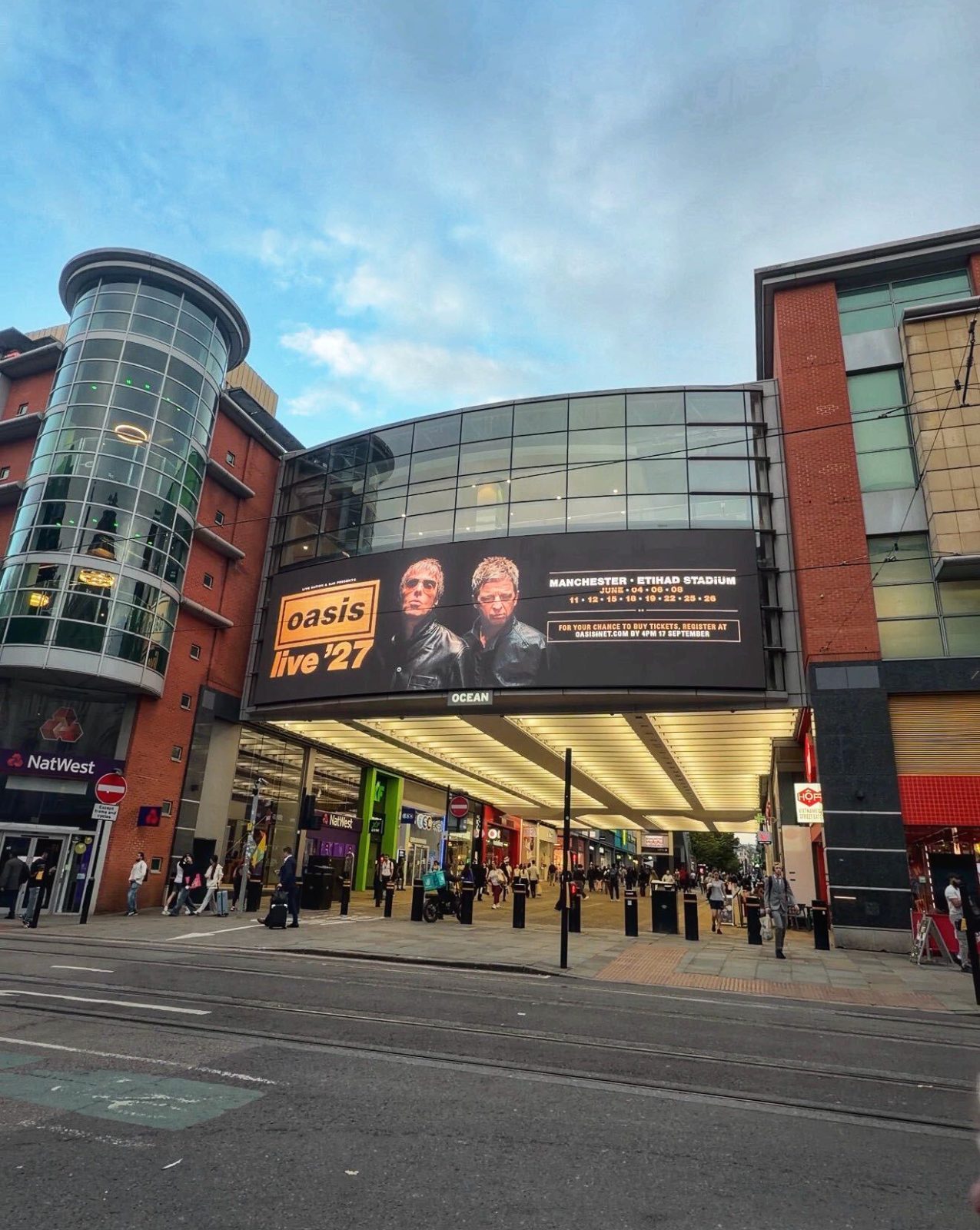
It’s go time… fans have started receiving ticket codes for Oasis Live ’27, so here is everything we know about the process so far.
In case you need bringing up to speed a little first, it was announced last week, following the unprecedented success of the reunion tour, Oasis Live ’25, last year – including five nostalgia-drenched gigs at Manchester’s Heaton Park – that Oasis would be hitting the road once again in 2027, and this time around, they’re going BIG.
We’re talking 11 nights at the Etihad Stadium and a return to the iconic grounds of Knebworth for six special shows there too, kind of ‘big’.
The iconic Manchester band will also be taking to a range of other world-famous stages across the globe, including five nights at Glasgow’s Celtic Park, and major cities like Barcelona, Amsterdam, Paris, Rome, and Las Vegas.
Fans have started receiving ticket codes for Oasis Live ’27 in Manchester / Credit: Joshua Halling (Supplied) | The Manc Group
If you’re reading this, you’ll probably know by now that tickets are being sold through a strict fan registration process this year – with no general onsale and only successful registrants even invited to try and buy them.
Prices will be fixed, however, meaning fans will be able to snap up a ticket for as little as £74.60 for seated tickets, with seats then costing up to £266.60, including fees.
Standing tickets will be priced at either £173.60 or £206.60, and there are also hotel packages, coach packages, and VIP packages available.
And today’s the day that lucky fans have started receiving the codes and information they need to be in with a chance of securing tickets to next year’s hugely anticipated tour.
The all-important email being sent out to fans reads: “You have been selected to receive a unique code to access the onsale for the Oasis Live ’27 dates at [relevant venue]. Codes do not guarantee tickets, which are limited and subject to availability.
“To reduce waiting times, onsales will be staggered across three days – Friday 25, Saturday 26, and Sunday 27 September 2026, with three on sale windows per day. Don’t worry, each ticket sale will have its own portion of tickets for all Manchester dates, across all ticket types and prices
“You have been assigned a unique code for the [specific time] onsale on [specific date].”
The email also clearly informs fans that there is a limit of four tickets per code, and that codes have no cash value either, meaning they are non-transferable, case-sensitive, and can only be used once by the email address they were sent to.
More information and ticket price breakdowns can be found here.
Featured Image – Joshua Halling (Press Picture – Supplied)
News
Oasis warn fans of scams ahead of Live ’27 tour ticket codes being sent out
Emily Sergeant
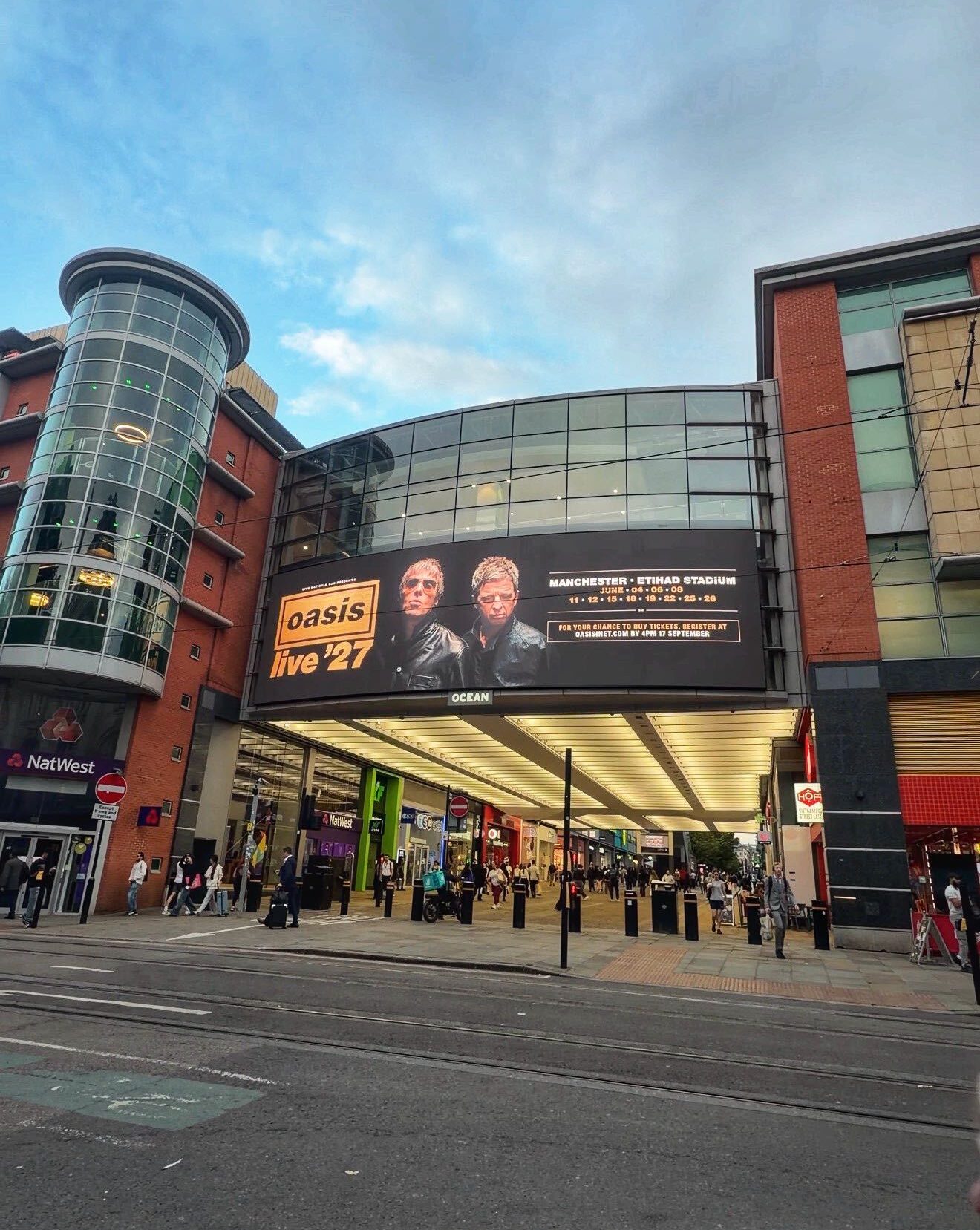
Oasis have issued an official scam warning to fans ahead of ticket codes being sent out from today.
In case you need bringing up to speed a little, it was announced last week, following the unprecedented success of the reunion tour, Oasis Live ’25, last year – including five nostalgia-drenched gigs at Manchester’s Heaton Park – Oasis would be hitting the road once again in 2027, and this time around, they’re going BIG.
We’re talking 11 nights at the Etihad Stadium and a return to the iconic grounds of Knebworth for six special shows there too, kind of ‘big’.
“As ticket information and unique codes are about to be distributed, please remain vigilant. Scammers may attempt to impersonate Oasis, our mailing list, or our ticketing partners. Anyone promising you a code that does not come directly from Oasis is not genuine.
“Any codes that are offered for sale are fraudulent and will not enable you to buy tickets. Code emails will be sent only between Thursday 24 September and Sunday 27 September.”
So, if you are one of the lucky ones, what do you need to be looking out for? Well, if you have been randomly selected to receive a unique code, as mentioned, your email will come only from [email protected], and will use the name and email address you registered with, as well as contain a ‘unique, personal, and non-transferable’ code.
The codes will come direct you to Ticketmaster, and nowhere else.
Do not respond to any message that asks you to pay for a ticket code, any that request your password or card details, pressures you to make a payment, or directs you to a website other than the official Ticketmaster site.
“Please check your junk/spam folder for genuine emails, but remain vigilant,” the warning continued.
“If you receive a suspicious message, do not click any links or make any payment. Resale tickets will not be available until nearer the events and will only be available at the price originally paid through Ticketmaster and Twickets.

 Emily Sergeant -
5th April 2023
Emily Sergeant -
5th April 2023