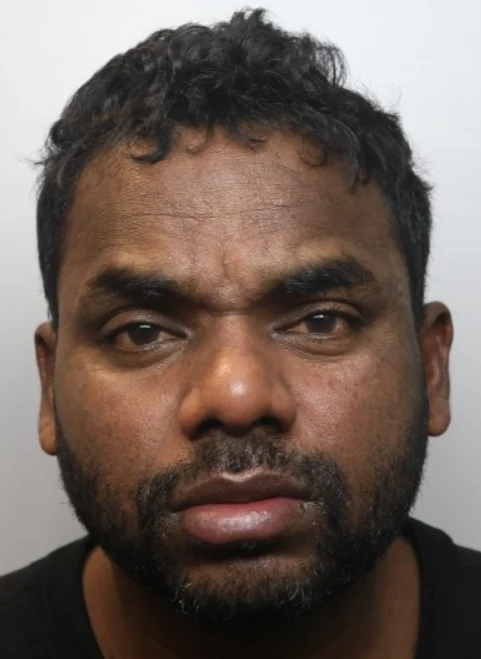
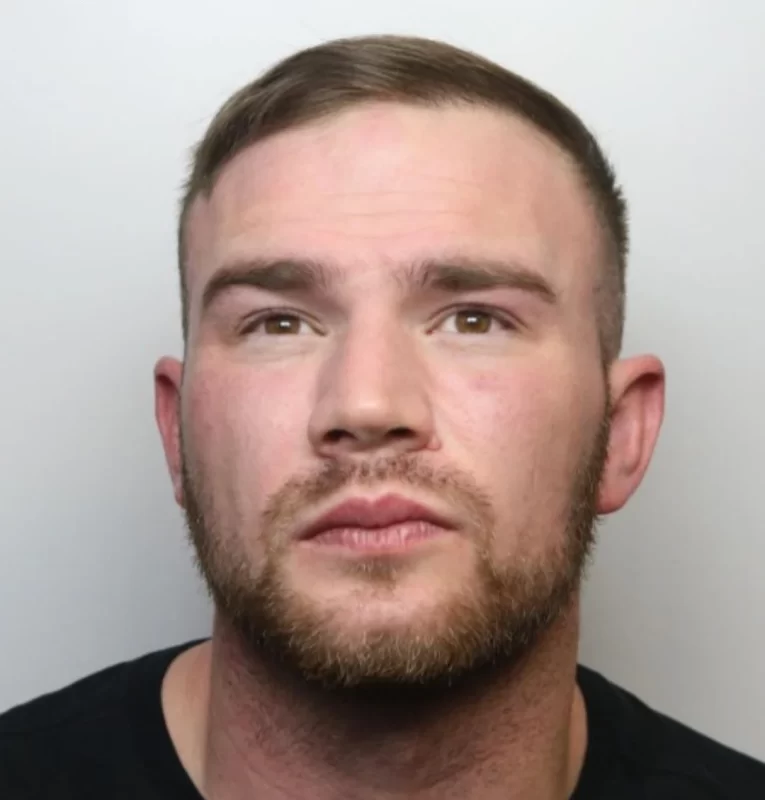
Extra time has been given to police to continue questioning the four people arrested over the terror attack at a synagogue in Crumpsall.
The shocking knife and car attack, which took place last Thursday 2 October on Yom Kippur, the holiest day in the Jewish calendar at the the Heaton Park Hebrew Congregation Synagogue, saw two men sadly lose their lives – Adrian Daulby, 53, who is believed to have been shot dead by police while trying to stop the attacker from entering the synagogue, and Melvin Cravitz, 66, a worshipper who also helped stop the attacker.
The attacker has been named as 35-year-old Jihad al Shamie – a 35-year-old British citizen of Syrian descent who lived in Prestwich – who at the time was on bail for an alleged rape, before being shot by police.
Three other men also still remain in hospital at this time.
#UPDATE | Latest statement from Counter Terrorism Policing following the terrorist attack in Crumpsall as our investigation continues.
We would continue to ask that anybody with information please share that with us directly.
The ongoing investigation is being led by Counter Terrorism Policing North West (CTPNW), supported by resources from across the national Counter Terrorism Policing (CTP) network and Greater Manchester Police (GMP).
ADVERTISEMENT
Police say ‘significant resources’ from across CTP have been ‘mobilised’ in order to establish the full picture into what happened.
This past Friday, the head of counter-terrorism policing, Laurence Taylor, gave an update on the investigation declaring that a ‘suspicious device’ attached to al Shamie’s torso was fake, and that police believed he ‘may have been influenced by extreme Islamist ideology’.
ADVERTISEMENT
With the investigation said to be ‘continuing at pace’, GMP has now been given extra time to question four individuals currently in police custody.
The warrants relate to – which relate to two men, aged 30 and 32, and two women, aged 46 and 61 – have ben extended after their arrests on suspicion of commission, preparation, and instigation of acts of terrorism.
This means they can remain in custody for up to a further five days from the point that warrant was granted (Saturday 4 October).
ADVERTISEMENT
“We understand there is significant public interest in this case, and appreciate many who may have known or had previous contact with Jihad Al-Shamie will be coming to terms with the fact this horrifying attack has been perpetrated by somebody they recognise,” GMP said in a statement.
Appealing to the public, the police continued: “We would also ask people to refrain from speculation or sharing unverified information as that could potentially cause unnecessary delays in our enquiries and additional upset for all those impacted by these horrific events.
Read more:
If you have information, then please contact police via the Major Incident Public Portal which is available online here.
Featured Image – GMP

Crime
Police reinvest record £18m seized from criminals back into Greater Manchester’s communities
Emily Sergeant
A record £18 million seized from criminals within the past year has now been reinvested back into Greater Manchester’s communities.
Greater Manchester Police‘s (GMP) confirmed that its dedicated Economic Crime Team recovered a whopping £18,150,322.56, to be precise, from criminals in the past year alone, and it’s cash that will be now be reinvested as part of the successful Asset Recovery Incentivisation Scheme (ARIS) back into communities across Greater Manchester.
This is a record figure for the police service.
Throughout the past year, GMP says it has conducted more than 850 Proceeds of Crime (POCA) hearings.
As a result of these hearings, police have recovered millions from convicted drug dealers, fraudsters, crime gangs, and money launderers, as well as recovering a ‘significant’ amount of gold.
Police have reinvested record £18m seized from criminals back into Greater Manchester’s communities / Credit: GMP
You may remember that, back in May last year, officers working at Manchester Airport stopped a man found to be carrying five gold bars weighing more than 15kg in his hand luggage as he prepared to fly abroad.
Following this seizure, GMP was then granted in February its largest-ever forfeiture order for gold bars – valued at £1.8m.
Some of the other seizures and forfeitures over the past year include just over £135,000 from a suspect after his car was stopped on the M62 in November 2025, and another £138,144 was recovered from a man after he pleaded guilty to being concerned in the supply of class A drugs.
GMP was granted its largest-ever forfeiture order for gold bars – valued at £1.8m / Credit: GMP
“The work of our Economic and Cyber Crime Unit in the last 12 months to recover over £18 million in criminal assets has been nothing short of outstanding,” commented Assistant Chief Constable Rick Jackson, who is GMP’s lead for crime.
“This record figure reflects the hard work and dedication of our officers and staff to investigate, solve crime and bring offenders to justice.
“As we move into a new financial year, we will continue to maintain an ambitious and innovative approach while adapting and developing with partners to target criminal assets and embrace technology to remain a step ahead of changing criminal activity.
“Through using the ARIS process, this criminal money can be reinvested back into local communities for the benefit of the public we serve.
“This work reflects GMP’s continued drive to deliver an outstanding service to our Greater Manchester communities while building public trust and confidence in the service we deliver.”
Featured Image – GMP
Crime
Greater Manchester’s homicide rates have now dropped to a ‘historic’ low
Emily Sergeant
Homicide rates in Greater Manchester are now at the lowest they’ve been for 25 years, according to new figures.
Thanks to a major programme introduced by Greater Manchester Combined Authority (GMCA) to prevent violent crime and keep communities safe, known as the Violence Reduction Unit (VRU), it has been revealed that the region’s homicide rate has fallen by 32% in 2025 to what is its lowest level on record since 1990.
If you’re unfamiliar with what the VRU is, it brings together GMP, Greater Manchester Probation Service, health and education professionals, youth justice, local authorities, and the voluntary, community and faith sector to address the underlying causes of violent crime.
It’s this multi-agency approach that’s said to be delivering ‘tangible results’ and driving a reduction in violent crime in Greater Manchester.
As well as homicide rates, the VRU’s partnership work with Greater Manchester Police (GMP) is also said to be having ‘major impact’ across the region on issues like knife crime.
Thanks to operational activity helping to disrupt serious violence and remove more weapons from the region’s streets, the police have also recorded that knife crime in Greater Manchester has fallen by 15% in the last year too.
Following a steady decline since 2021, rates of personal robbery have fallen by 17% in the last year in Greater Manchester.
Greater Manchester’s homicide rates have now dropped to a ‘historic’ low / Credit: Wikimedia Commons
Additionally, A&E attendances due to assault decreased by 3% in the same time period, with a 9% reduction among young people aged 10–24, and ambulance callouts for assault also fell by 9% in relation to this.
GMCA says that the reductions in demand for emergency services, as revealed in the latest figures, prove just how much the VRU’s combined prevention and enforcement approach is working.
“These latest figures show the real progress being made in tackling violent crime and making our streets safer,” commented Mayor Andy Burnham.
“Reductions in knife crime and homicides don’t happen by chance – they come from early intervention, our strong partnership with the police and our work with communities to tackle the root causes of violence.”