The Qatari state has reportedly called for a complete ban on beer in and around stadiums just over 48 hours before the start of the 2022 World Cup.
As per The Times, the traditionally dry nation is set to stop the sale and consumption of beer in and around their football stadiums entirely after it was reported earlier on Friday that nearby stalls stocking alcohol would be moved to different locations.
The Gulf nation has strict laws around alcohol as it is, with only designated zones inside fan parks and selected hotels permitted to sell booze, not to mention officially licensed products – i.e. Budweiser – being the only kind available at the games. Now it seems there won’t be any on offer.
This last-minute appeal comes despite Budweiser having a multi-million dollar contract with FIFA and will see the company forced to remove advertising and all other visibility from around the eight different venues hosting the competition.
Qatar stuns Fifa with call for beer ban at stadiums, unless consumed within hospitality boxes that cost a minimum of £19,000. This may result in lawsuit from Budweiser towards FIFA. https://t.co/QeFLgv7pTH
Budweiser were reportedly told on Saturday, 12 November to relocate the sites selling their products at the stadium complexes to less prominent locations.
ADVERTISEMENT
Moreover, since the manufacturer’s presence at the tournament is already in the process of being withdrawn, it will now be virtually impossible for fans to buy beer outside of a select few areas.
Prior to the decision, the only place punters could purchase a pint was in the fan parks in the capital of Doha, in specific areas of certain hotels and only in quantities of four pints maximum at any one time. Alcohol is also only available at certain periods during the day.
ADVERTISEMENT
Whether travelling supporters knew before they set off for the Middle East or not, we also recently learned that should fans be able to get their hands on a cold pint, it will set them back £12 a pop. At least they’re saving a fair few quid now, whether they like it or not.
Brewing company AB InBev, who own Budweiser among several other well-known beer brands, previously told Sky News that in the face of these sudden calls to shift their product, “they are working with FIFA to bring the best possible experience to the fans.”
The world’s largest brewer went on to insist, “Our focus is on delivering the best possible consumer experience under the new circumstances”. So much for that idea.
ADVERTISEMENT
"Well, this is awkward …"
World Cup sponsor Budweiser reacts to the news that fans will not be allowed to buy alcohol around stadiums in Qatar.
For many fans, this is just yet another stringent regulation further hampering their time at a tournament which really shouldn’t have gone ahead.
While a beer ban sits at the very bottom of the list of everything wrong with Qatar 2022, it still confounds us as to how the country was ever awarded the World Cup in the first place.
Fire service urges Greater Manchester public to ‘act responsibly’ as heatwave continues
Emily Sergeant
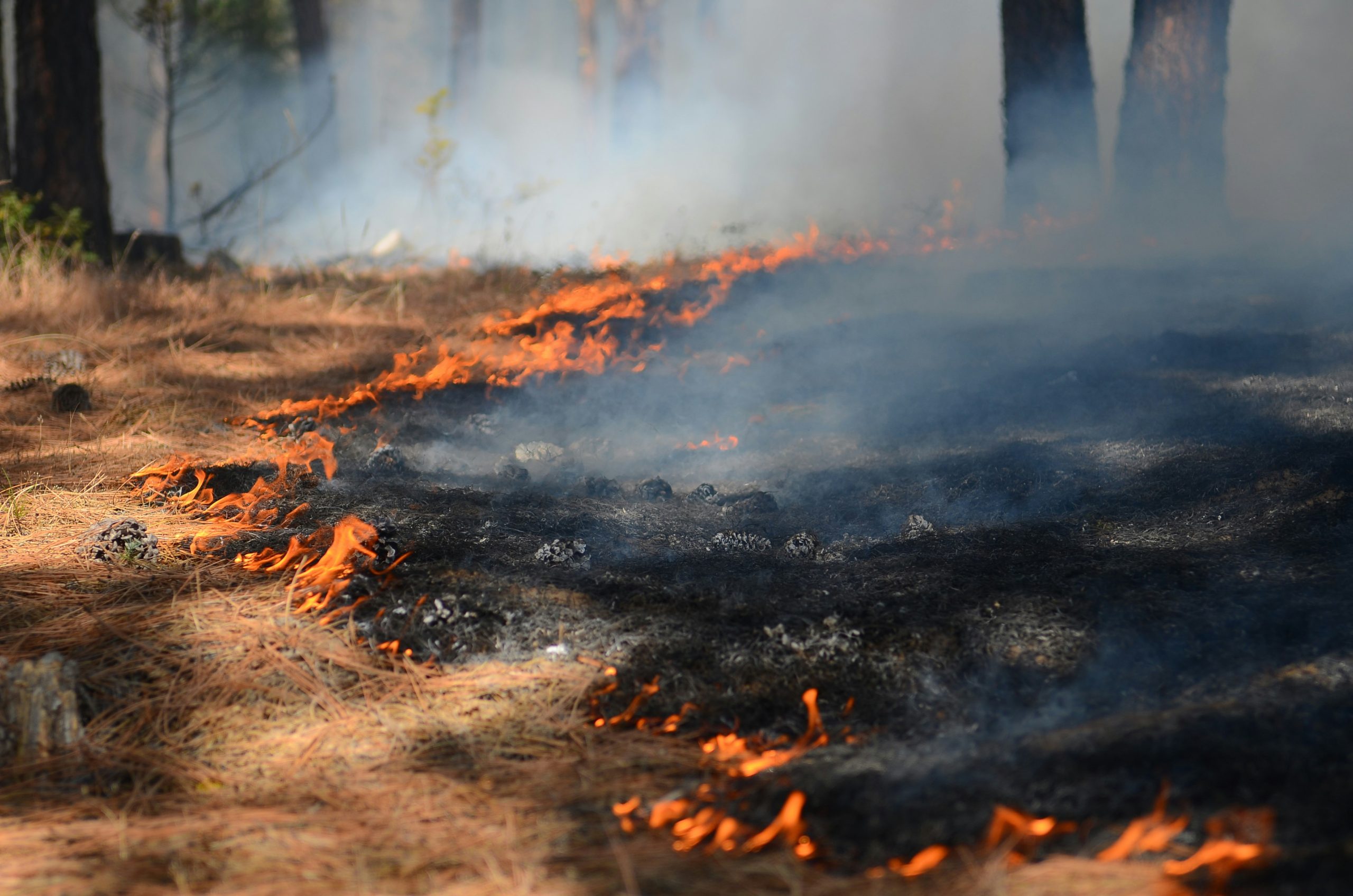
People across Greater Manchester and beyond are being urged by the fire service to ‘act responsibly’ as the heatwave continues this week.
Greater Manchester Fire and Rescue Service (GMFRS) has issued an urgent plea residents and visitors to take extra care on moorland and in rural areas as part of the annual ‘Be Moor Aware’ campaign – which is aimed at preventing wildfires and reducing the impact they have.
GMFRS has issued the plea alongside its partners at United Utilities, the Royal Society for the Protection of Birds (RSPB), neighbouring fire and rescue services, and local councils.
It comes as Amber Extreme Heat warnings and heat-health alerts have been issued by the Met Office and the UK Health Security Agency (UKHSA) through to Thursday this week – with temperatures widely exceeding 35°C nationwide, and in some areas – particularly on the south coast – potentially even reaching 38°C.
Heatwave conditions in the UK are met when a location records a period of at least three consecutive days with temperature values meeting or exceeding the heatwave temperature threshold for that location.
The fire service urges the Greater Manchester public to ‘act responsibly’ as the heatwave continues / Credit: Mick Garrett (via Geograph)
It does seem, however, that northern parts of the country – especially the North West – are missing most of the extremely hot conditions, with current forecasts indicating peak temperatures of 33°C.
But this doesn’t stop the wildfire risk, and the fire service is warning that prolonged periods of dryness but the countryside in danger.
GMFRS data shows there have been 83 wildfires across Greater Manchester since 2021, including a significant rise in 2025, when 38 incidents were record, and there has already been six wildfires recorded in 2026.
“Wildfires can spread rapidly, especially during warm and dry weather, putting lives, wildlife and property at risk,” explained GMFRS Wildfire Lead, Adrian Taylor.
“Many of these fires are preventable, and we’re asking everyone to take responsibility when visiting our moorland areas. Small actions, such as not using disposable barbecues and taking litter home, can make a huge difference in preventing devastating fires.”
GMFRS added that ‘prevention remains our most effective tool’.
“We’re asking the public to help reduce the risk by acting responsibly when visiting moorland areas,” the statement concluded.
Featured Image – Emma Renly (via Unsplash)
News
Greater Manchester’s heritage railway issues statement as it’s forced to cancel services this week
Emily Sergeant
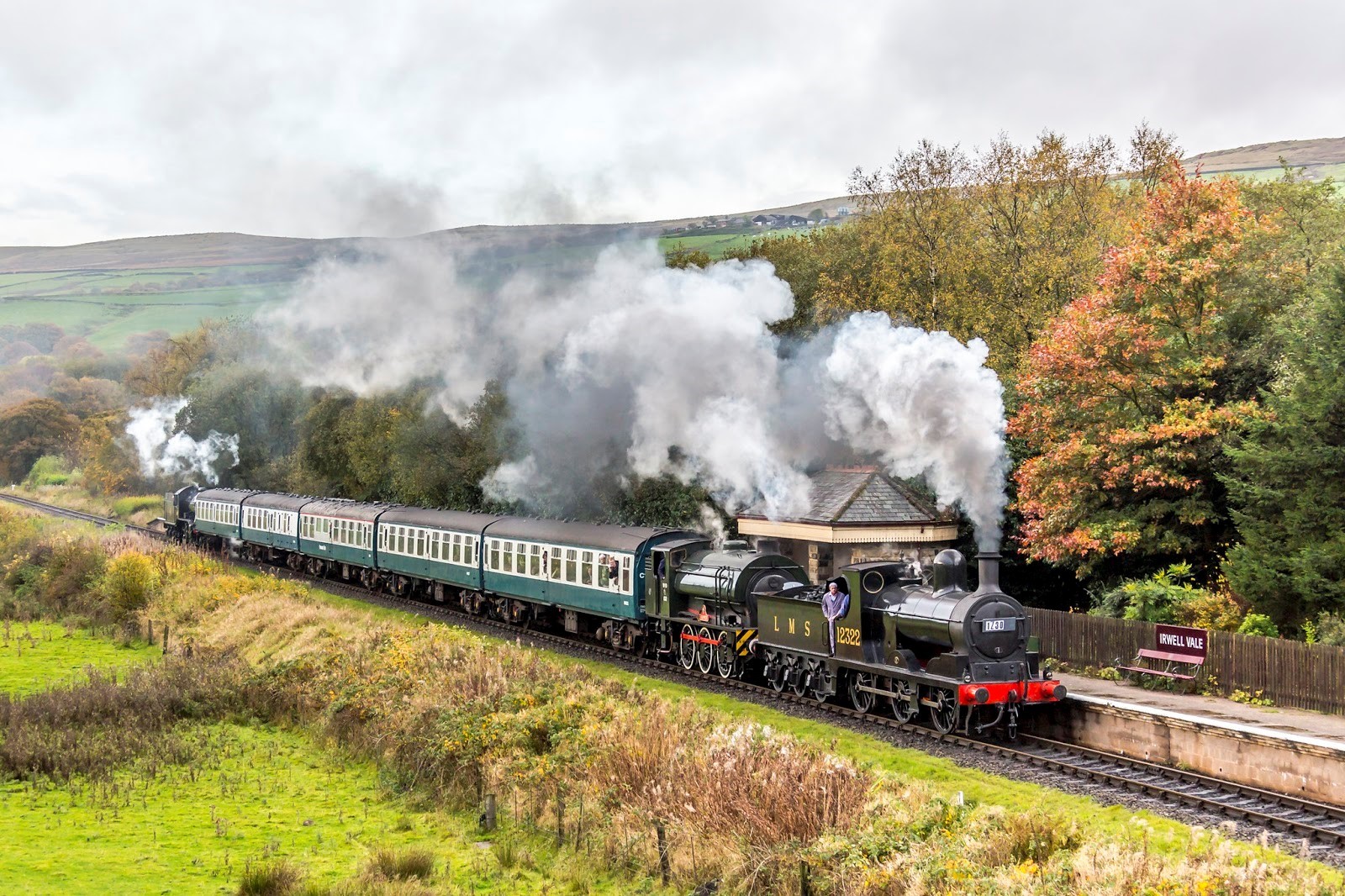
Greater Manchester’s iconic heritage railway has been forced to cancel its services this weekend due to the heatwave.
In case you hadn’t heard, Amber Extreme Heat warnings and heat-health alerts have been issued by the Met Office and the UK Health Security Agency (UKHSA) through to Thursday this week – with temperatures widely exceeding 35°C nationwide, and in some areas – particularly on the south coast – potentially even reaching 38°C.
Heatwave conditions in the UK are met when a location records a period of at least three consecutive days with temperature values meeting or exceeding the heatwave temperature threshold for that location.
It does seem, however, that northern parts of the country – especially the North West – are missing most of the extremely hot conditions.
Current forecasts indicate that the peak temperatures for Greater Manchester this week will be tomorrow and Thursday, with highs of 33°C in the city centre.
Despite not reaching the heights of the south, East Lancashire Railway (ELR) has still had to act in advance and has taken the decision to cancel its scheduled services for the next two days as the forecast is ‘too severe’.
Taking to social media to share its decision today, ELR wrote: “Due to the current weather warning for the UK, the decision has been taken to cancel all services on Wednesday 24th and Thursday 25th June 2026, including the afternoon tea and mid-week luncheon dining experiences.
“The welfare of both staff and customers is paramount to the ELR, and we believe that the risk in the extreme heat that has been forecast is too severe to allow for the running of our ordinary services.”
As things stand, ELR says its current plan is to have services resume with the evening dining train on Friday 26 June, but this will still be ‘subject to review’, and further updates on this will be issued later in the week.

 Danny Jones -
18th November 2022
Danny Jones -
18th November 2022