The top 10 list of the highest-paid presenters at the BBC for 2022-23 has been unveiled.
Right in the midst of what is one of the most highly-publicised national news stories at the moment, with the allegations against the unnamed BBC presenter grabbing every headline going, the broadcaster has chosen now to publish its annual list of highest-paid stars for 2022-23.
The top 10 list is made up of six male and four female stars this year.
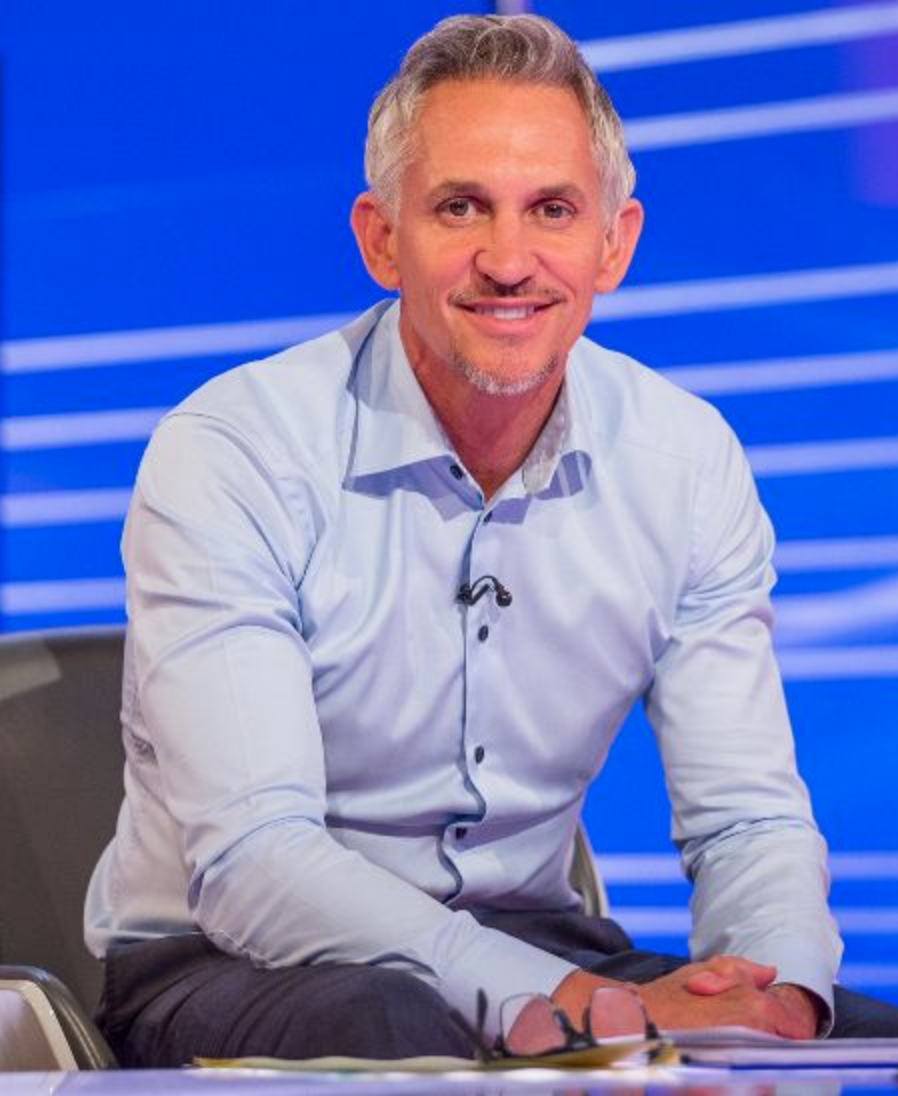
Once again, which is likely to come as no surprise to the majority, Gary Lineker has been named as the BBC’s highest earner – taking home around £1.35 million in 2022-23, which is the same amount as the previous year.
Lineker’s ongoing presenting work on Match Of The Day, Sports Personality Of The Year, the World Cup, and the FA Cup lead to him keeping hold of the top spot on the list.
ADVERTISEMENT
The top 10 highest-paid presenters at the BBC for 2022-23 have been revealed / Credit: BBC
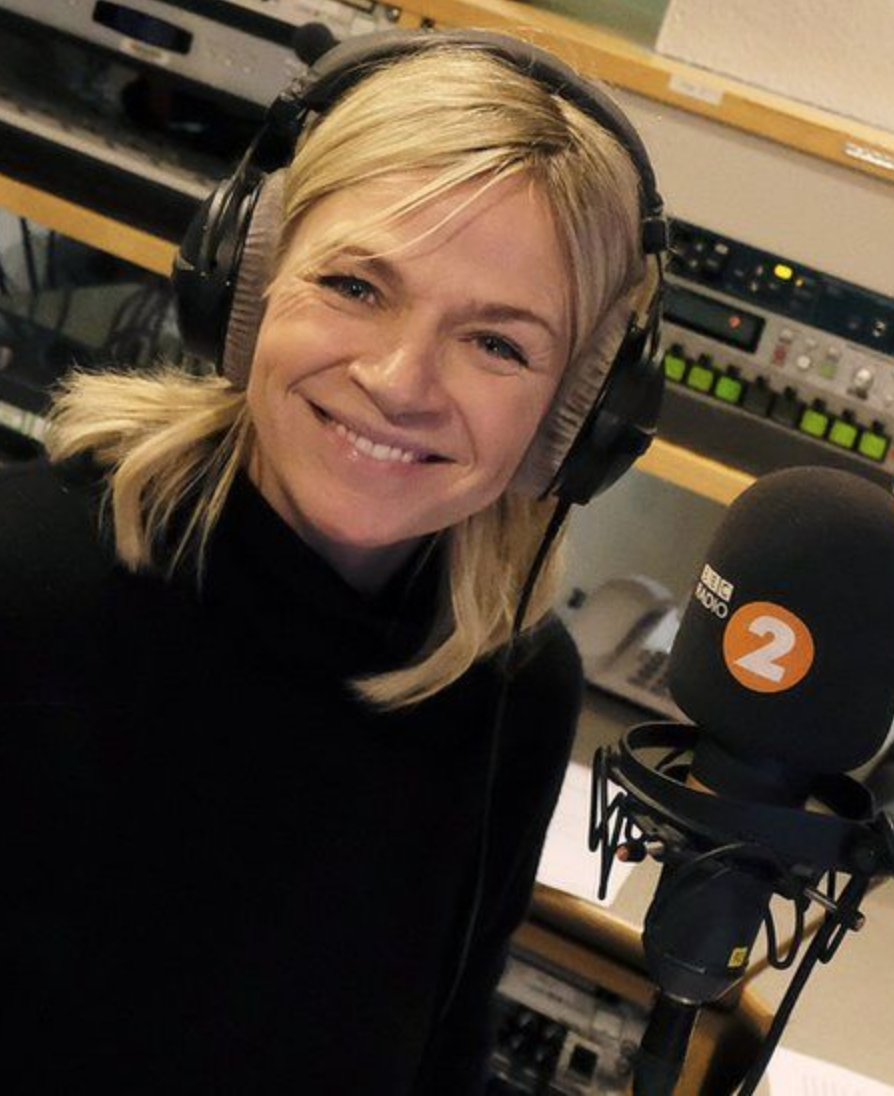
BBC Radio 2 breakfast show presenter Zoe Ball is second on the list, again with an unchanged salary and earning between £980,000 and £984,999, while the rest of the top five is made up of former footballer turned sports presenter Alan Shearer, BBC News’ Huw Edwards, and BBC Radio 5 Live’s Stephen Nolan.
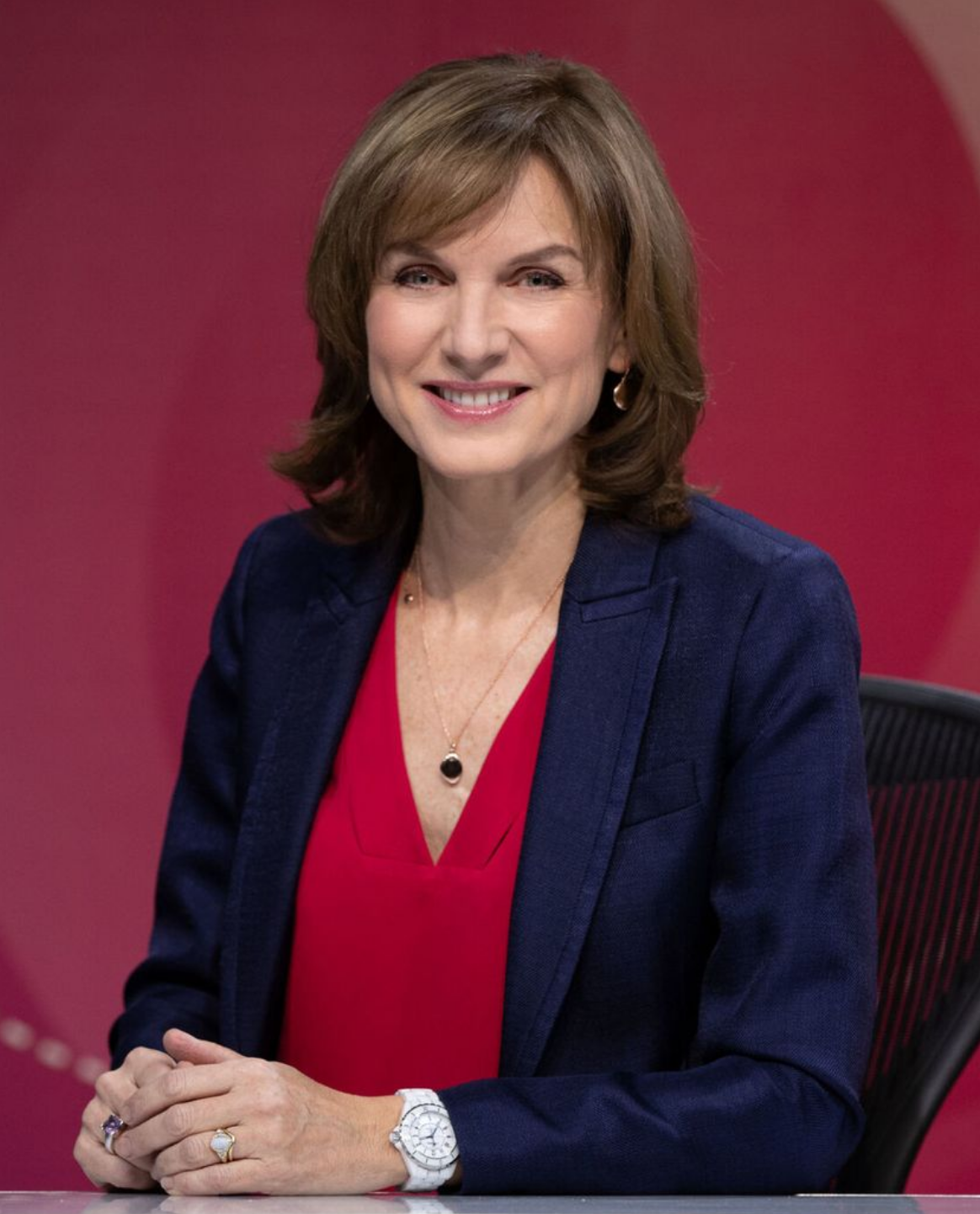
Other notable names on the top 10 list include former BBC News and current Question Time and Antiques Roadshow presenter Fiona Bruce, BBC Radio 1 and BBC Radio 2 breakfast show presenters Greg James and Ken Bruce.
ADVERTISEMENT
Ken Bruce is new to the top 10, along with Lauren Laverne and Sophie Raworth, and they enter the list in the place of Steve Wright, Vanessa Feltz, and Scott Mills – who all departed from their respective BBC shows within the last year.
Top 10 Highest-Paid BBC Presenters 2022-23
Gary Lineker – £1,350,000
Zoe Ball – £980,000
Alan Shearer – £445,000
Huw Edwards – £435,000
Stephen Nolan – £400,000
Fiona Bruce – £395,000
Greg James – £395,000
Ken Bruce – £390,000
Lauren Laverne – £390,000
Sophie Raworth – £365,000
Away from the top 10, other famous top earners include George Alagiah, Naga Munchetty, Amol Rajan, Laura Kuenssberg, Nicky Campbell, and Victoria Derbyshire.
As well as on-screen stars, the annual report also includes salary details for bosses within the corporation – the BBC’s director-general Tim Davie taking home between £525,000 and £529,999 in 2022-23.
ADVERTISEMENT
Six male and four female stars make up this year’s highest earners / Credit: BBC
Speaking on the publishing of the annual list, Tim Davie said: “I am proud of the content we have delivered, from royal programming to wonderful sporting moments and coverage of the Ukraine war… [but] it remains a period of change, financial pressures, and great competition in the media market.
“Our task is not always easy and we have to make some difficult choices.
“But these are challenges we must embrace as we know that the BBC is needed now more than ever, in an age of polarisation and increasing disinformation.”
Featured Image – BBC
News
Stockport man admits to drugging and raping his wife without her knowledge for more than 20 years
Emily Sergeant
A man in his 60s from Stockport has admitted drugging and raping his wife in a ‘horrific’ 20-year campaign of abuse.
According to Greater Manchester Police (GMP), the man – who cannot be identified in order to protect the life-long anonymity of the victim – previously admitted five counts of rape, three counts of sexual assault, six counts of assault by penetration, and one count of sharing intimate photos or film.
And now, during an appearance at Manchester Minshull Street Crown Court yesterday (14 September), he pleaded guilty to a further 45 charges.
This makes it 60 charges in total the man has now pleaded guilty to.
Some of the charges he pleaded guilty to yesterday include a further 16 counts of rape, nine counts of assault by penetration, seven counts of sexual assault, and four counts of attempted rape, amongst several others.
Speaking following the court appearance yesterday, GMP’s Assistant Chief Constable, Rick Jackson, said: “Our focus remains on supporting the victim of this horrific campaign of abuse through what is a very complex investigation.
“Specialist support continues to be provided to the victim at the centre of this case.
“If you are concerned you or someone you know may be affected by drug-facilitated sexual abuse, please know that you do not need proof, certainty, or a clear memory to be taken seriously.
“You are not expected to understand exactly what has happened or who was involved in order to be taken seriously. If you feel that something has happened, then please report it or ask for help.”
GMP reiterates that anyone who does choose to report sexual abuse does not need a full account or clear memory, can share as much or as little as they feel able, and will be supported by trained officers, as their ‘immediate’ safety and wellbeing will be the ‘priority’.
They may also speak to a support organisation first and decide later whether to involve police.
Saint Mary’s Sexual Assault Referral Centre – Services are available on a 24-hour basis, and can be accessed by calling 0161 276 6515.
Greater Manchester Rape Crisis – Call on 0161 273 4500 or email [email protected]
Survivors Manchester – Call 0161 236 2182.
Featured Image – Robert Cuts (via Flickr)
News
Referees admit Manchester City’s derby-winning goal over Manchester United was a VAR ‘error’
Emily Sergeant
Referees have admitted that Manchester City’s winning goal during yesterday’s Manchester derby was a VAR ‘error’.
In case you didn’t tune into the Manchester derby yesterday – which was held at Manchester United’s home ground, Old Trafford – star striker Erling Haaland’s goal handed Manchester City a 1-0 victory – in the end, even after fellow City player Phil Foden was given a straight red card and sent off in the twenty third minute.
Haaland‘s goal was initially deemed offside on the pitch, before VAR overruled the decision.
New City signing Enzo Fernandez was in an offside position as he attempted to play the ball before Haaland scored.
Fernandez appeared to impact the defending of Manchester United‘s Lisandro Martinez by attempting a diving header, despite not touching the ball.
Erling Haaland has put Manchester City ahead in the derby after a VAR check ⚽️ pic.twitter.com/V0DCwryhFy
Following the full-time whistle, United’s manager Michael Carrick said it was ‘worrying’ that the goal was allowed to stand, claiming that there was no ‘grey area’ when it came to determining whether Fernandez had interfered with play.
“It’s worrying if that’s how the game is seen by those who are officiating it,” he commented.
Pundit and former Manchester United star, Gary Neville, also expressed confusion at the decision, declaring on Sky Sports after the game: “I’m going to need the offside law explaining to me, because that has lost me, I have to say. I do think when they look back on this, they will recognise they got it wrong.”
Neville said he thinks that referee Michael Oliver will be ‘nervous’ about the goal yesterday, as will the rest of the officials.
Pro Ref has admitted an 'error of judgement' in awarding Manchester City's winner at Manchester United in their 1-0 victory at Old Trafford.
Erling Haaland's goal was initially disallowed for offside on the pitch before VAR overturned the decision. pic.twitter.com/ZF76Qwz4Ib
And now, less than 24 hours after the match ended, refereeing body Pro Ref has since made what Sky Sports is calling an ‘unusual intervention by confirming that a review of the goal will take place.
A spokesperson for Pro Ref said in a statement: “It was established that Enzo Fernandez did not play the ball and therefore that makes any offside offence subjective, however, on this occasion, the VAR did not recognise the likely impact of his position and should have recommended an on-field review.
“Contact has been made with Manchester United to acknowledge what we deem is an error of judgement.

 Emily Sergeant -
12th July 2023
Emily Sergeant -
12th July 2023