Ticket offices could eventually be closed at nearly every train station in England as part of new proposals unveiled today.
It’s believed that around three out of five stations currently have a staffed ticket office, but the Rail Delivery Group (RDG) is looking to change that moving forward, and has today unveiled plans to “bring station staff closer to customers” by moving them out of ticket offices and onto platforms and concourses instead.
The industry body has launched a 21-day public consultation, and is now asking passengers for their thoughts on the proposals.
The railway is proposing changes to how our staff help customers.
Our proposals mean staff on hand to give face to face help with a much wider range of needs, from journey planning, to finding the right ticket and helping those with accessibility needs.
— Rail Delivery Group (@RailDeliveryGrp) July 5, 2023
According to the RDG, the proposals would help to bring stations “up to date from the mid-90s”, which is when the rules on how to sell tickets were last reviewed, as this was “long before the invention of the smartphone” and back when an estimated 82% of all sales were from ticket offices, compared to just 12% on average today.
Bringing staff out from ticket offices would apparently allow the rail industry to “respond to that generational shift in customer behaviour” just like other similar industries and organisations have, the RDG says.
ADVERTISEMENT
The changes would also mean a more “visible and accessible staff presence overall” in stations during staffed hours.
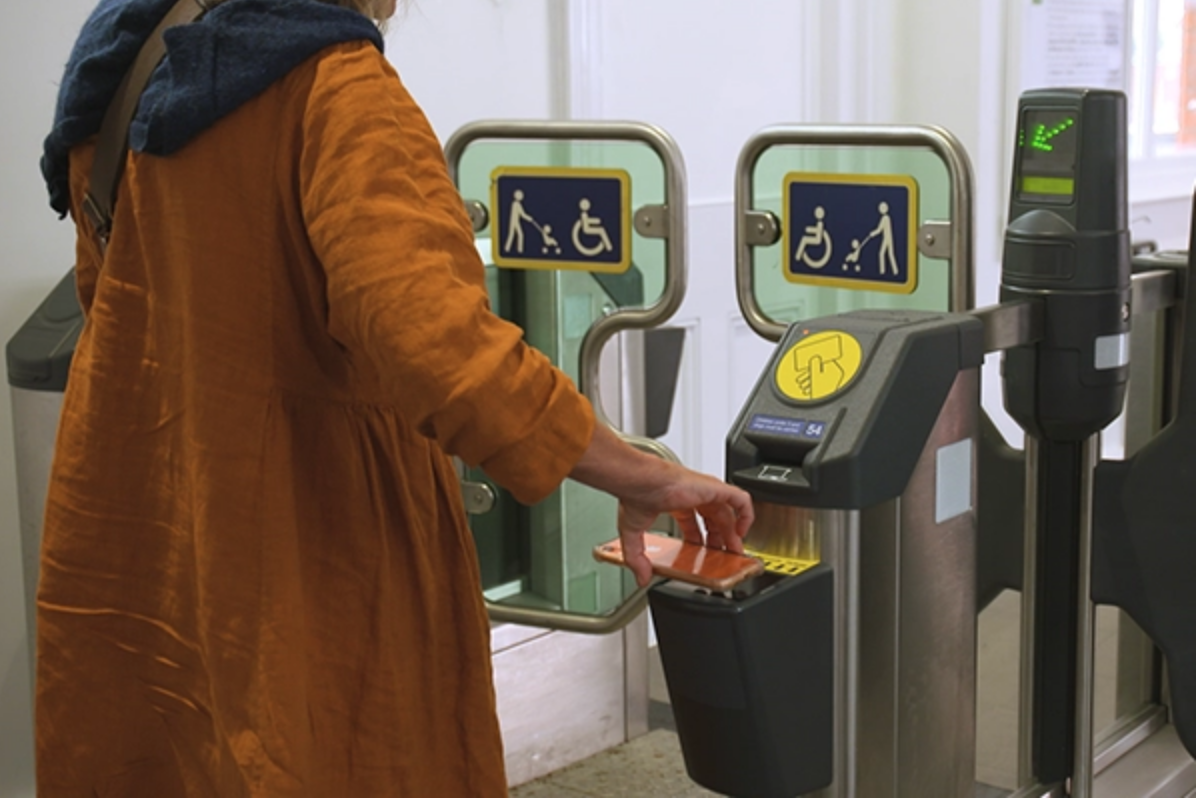
Ticket offices could be closed at ‘nearly every’ train station in England / Credit: RDG
The proposed new “multi-skilled customer help roles” – which the RDG says are already in place at many stations nationwide – would apparently help to support better face-to-face interactions, and would mean previous ticket office staff are then able to help more customers across “a whole range of needs”.
ADVERTISEMENT
Ticket office facilities will remain open at the stations and interchanges considered by the RDG to be the “busiest”, but aside from this, the rest would be closed.
If the proposed changes are accepted, the RDG says closures would be “phased in gradually”.
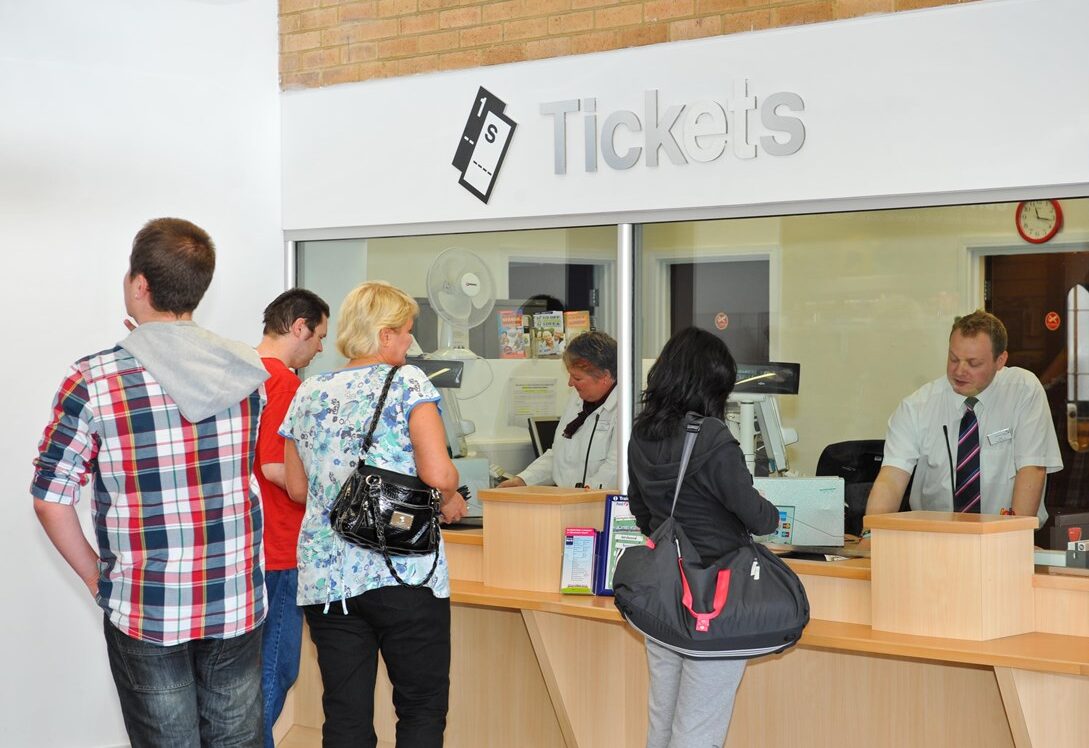
Customers queuing at a local train station ticket office / Credit: RDG
In response to the RDG’s proposals unveiled today, Transport for the North (TfN) has raised a couple of concerns – with a spokesperson commenting acknowledging that while it “understands the way people buy tickets is changing” and that there “needs to be reform”, this should, however, be done in a “holistic” way that considers the needs of all station users and local communities.
ADVERTISEMENT
“We are concerned that the focus on ticket office staffing in isolation of wider investment could lead to disadvantaging certain passengers and communities,” the TfN spokesperson continued.
“We will be working with our partners on a robust response to the consultation using local evidence and knowledge.”
Featured Image – Network Rail
News
Canal Street cordoned off after ‘suspicious chemicals’ reported at hotel
Daisy Jackson
Canal Street and several other streets in the Gay Village in Manchester have been cordoned off this afternoon.
Greater Manchester Police are attending reported of a smell that’s believed to be chemicals coming from a hotel room in the area.
There’s a huge emergency services presence in the area, including vehicles from Greater Manchester Fire and Rescue, and the North West Ambulance Service.
Police have confirmed that they have detained a man who is believed to have been the occupant of the hotel room.
The hotel itself has been evacuated while the material is examined.
Thankfully, no one has been injured in the incident that has shut down part of Canal Street today.
Emergency services vehicles at the scene on Canal StreetThe cordon in place on Canal Street
GMP said in a statement: “We are currently searching a hotel room at a premises on Canal Street, Manchester. This follows a report of a smell – currently believed to be chemicals – causing suspicion.
“A man, believed to be the occupant of the room, has been detained and is currently in custody.
“As a precautionary measure, the hotel has been evacuated while specialist resources examine the material and conduct further enquiries.
“No-one has been injured and we are working to establish the full circumstances. We thank people for their patience as we continue with our work.”
England football fans warned as ticket scams skyrocket ahead of World Cup
Emily Sergeant
England football fans are being warned to remain vigilant, as ticket scams skyrocket ahead of the 2026 World Cup.
With the 2026 FIFA World Cup merely weeks from officially kicking off in the North America and Mexico on 11 June, football fans are being urged to guard against scams, as newly-released data from Lloyds has revealed that football ticket scams increased by more than a third (36%) during the current Premier League season.
The findings – which are based on thousands of scam cases between October 2025 and March 2026 – showed that fraudsters focused heavily on popular teams such as Manchester United, Arsenal, Liverpool, and Chelsea.
Fraudsters also repeatedly targeted supporters looking for tickets to some of the most in-demand football matches in the UK, which is why, with the upcoming World Cup set to be one of the most speculated sporting events of the year, scam warnings are being issued.
It’s anticipated that fraudsters will target the big-name fixtures and attempt to exploit international demand, according to Lloyds.
England football fans are being warned as ticket scams skyrocket ahead of the World Cup / Credit: Picryl
On average, it was revealed that victims lost £215 during the current Premier League football season, but some fans even paid thousands of pounds for ‘season tickets’ or VIP seats that never existed.
Hopeful football fans are expected to pay much more for expensive World Cup tickets, meaning the potential loss for victims could be ‘devastating’.
As scammers know demand for World Cup tickets will be huge, it’s expected that they will mimic the methods seen in club level scams – including fake listings on social media, pressure to act fast, and requests for bank transfers.
“Fraudsters thrive on urgency and target fans looking for hard to get tickets for big name fixtures,” explained Liz Ziegler, who is the Fraud Prevention Director at Lloyds.
“Most of the football ticket scams we see start on social media, before the criminal moves the buyer onto WhatsApp and insists on a bank transfer to pay. It’s incredibly convincing, and we don’t want fans to lose their money trying to support their team.
“We’re urging supporters to stay alert and stick to official ticketing channels.”
Ahead of the World Cup, Lloyds and the Home Office have teamed up to take action to protect fans by highlighting how criminals will try to exploit the excitement – with Lord Hanson adding: “Our new fraud strategy sets out how we will use every tool at our disposal to disrupt and dismantle criminal operations, bring fraudsters to justice and strengthen support for victims.”