Two Manchester restaurants have been named in the the prestigious 2023 Good Food Guide awards shortlist, which is widely considered one of the UK’s most trusted and impartial restaurant guides.
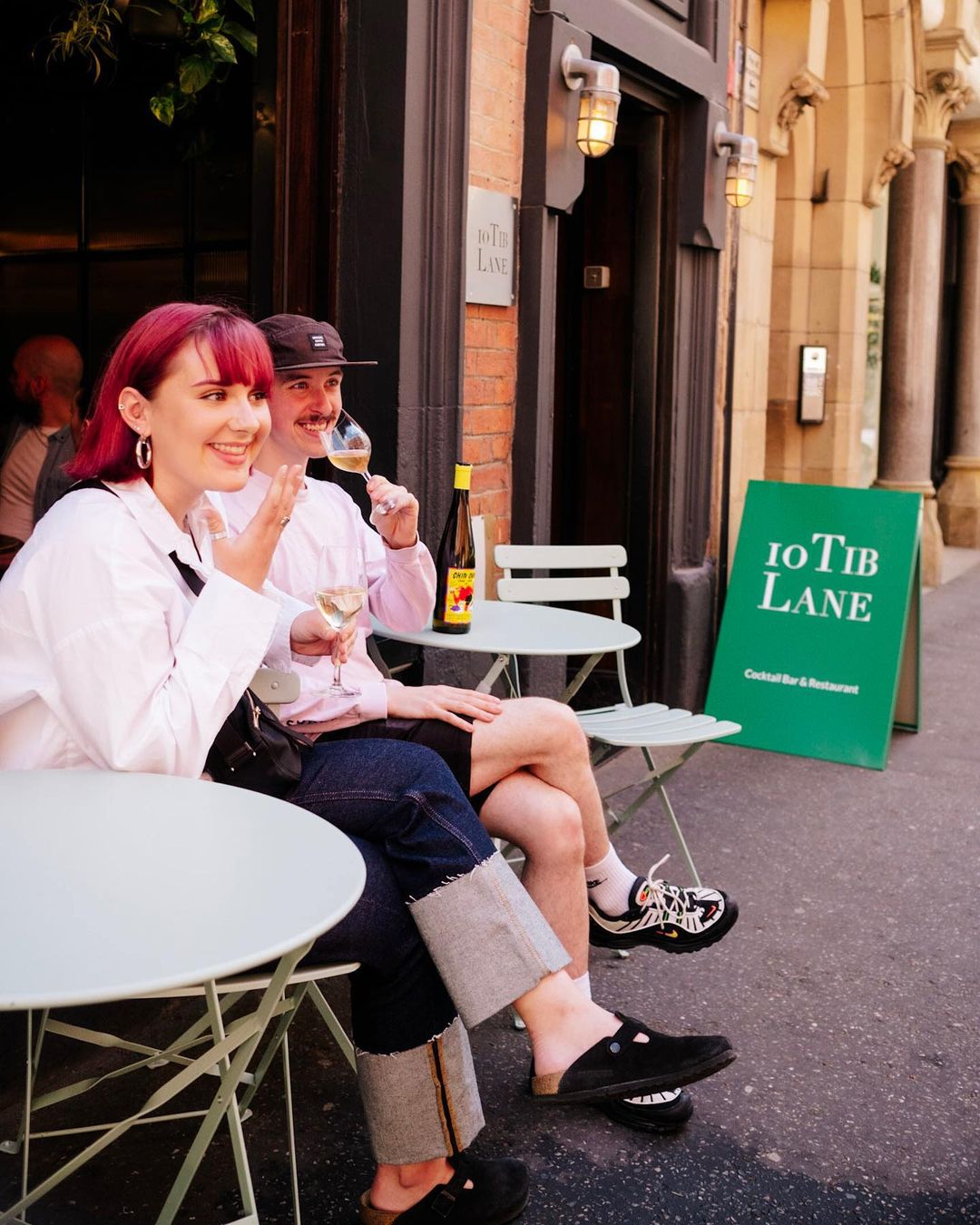
City centre eateries 10 Tib Lane and Another Hand have both been listed in the ‘Best Local Restaurant’ category for the north west, appearing alongside Stockport restaurant Bombay to Mumbai, Cheshire’s 17th-century timber-framed Next Door (literally named so because that’s where its owners live), and Four and Twenty in Penrith, Cumbria.
The category shortlist is chosen by public nominations, and as a result the Guide has built up a reputation for shining a light on proper hometown favourites that might otherwise fly under the radar.
According to the Guide’s listing, 10 Tib Lane’s cooking “has a confident, gimmick-free air, not everything is faultless. Nonetheless, tweaked and polished, 10 Tib Lane can potentially climb the ratings”.
As for Manchester’s newest Michelin-recommended. Another Hand, it writes: “This is hardly Manchester’s most glamorous location. But inside, this café by day, restaurant by night is an operation of confident, understated sophistication.”
It also writes of Stockport’s Bombay to Mumbai: “True to its name, this ‘irreplaceable’ suburban Indian seeks to meld old Bombay with modern Mumbai. A warm welcome and ‘proper hospitality’ are treasured assets, while the food is ‘a world away from most high-street curry houses.'”
Restaurants must meet the following criteria to be eligible for nomination: – Independently run; owned by the chef or a hands-on proprietor – Offers regularly changing, seasonal menus at affordable prices – Demonstrates strong relationships with local suppliers – Rooted in the local community – Offers at least two dinner services a week – Gives customers a genuine, warm welcome
ADVERTISEMENT
Readers can nominate their favourites by heading to The Good Food Guide website, and – even better -each nomination made will be entered into a prize draw to win a £250 restaurant voucher.
Previous Best Local Restaurants discoveries include Carters of Mosely, an electic Michelin-starred restaurant in Birmingham known for its ‘ambitious, creative dishes, and the accompanying natural, organic and biodynamic wines’.
The best nomination submission will be handed the chance to take up the coveted position of Guest Inspector for The Good Food Guide.
“The simple formula of a kitchen that cooks fresh to order is the very principle on which The Good Food Guide was founded,” said Elizabeth Carter, editor of the Guide.
“We have always maintained that the best restaurants offer creative, memorable food based on quality, seasonal and local produce. In other words, no pretensions or gimmicks, just first-class food cooked from ingredients deeply rooted in the region. A commitment to their community and a strong relationship with local suppliers is what makes a restaurant truly local.”
“Our readers are our most valued source for discovering brilliant restaurants and have been since the Guide was founded back in 1951,” adds Chloë Hamilton, managing editor of The Good Food Guide. “Despite tough conditions, the calibre of local restaurants in 2023 is higher than it has ever been, so we look forward to seeing what gems readers send our way.”
Once nominations close, The Good Food Guide’s editors will reveal a shortlist of contenders across seven areas (Scotland, North East England, North West England, Central & East of England, Wales, London & South East England, and South West England).
Anonymous inspections of the frontrunners will follow, before regional winners and the overall Best Local Restaurant of 2023 is announced at the end of June.
The Good Food Guide was first compiled by Raymond Postgate in 1951. Appalled by the British post-war dining experience, Postgate recruited an army of volunteers to inspect restaurants anonymously and report back.
ADVERTISEMENT
His aims were simple; among them, ‘to raise the standard of cooking in Britain’ and ‘to do ourselves all a bit of good by making our holidays, travels and evenings out in due course more enjoyable’.
Much has changed since the very first edition of The Good Food Guide but the ethos of the original book remains firmly in place.
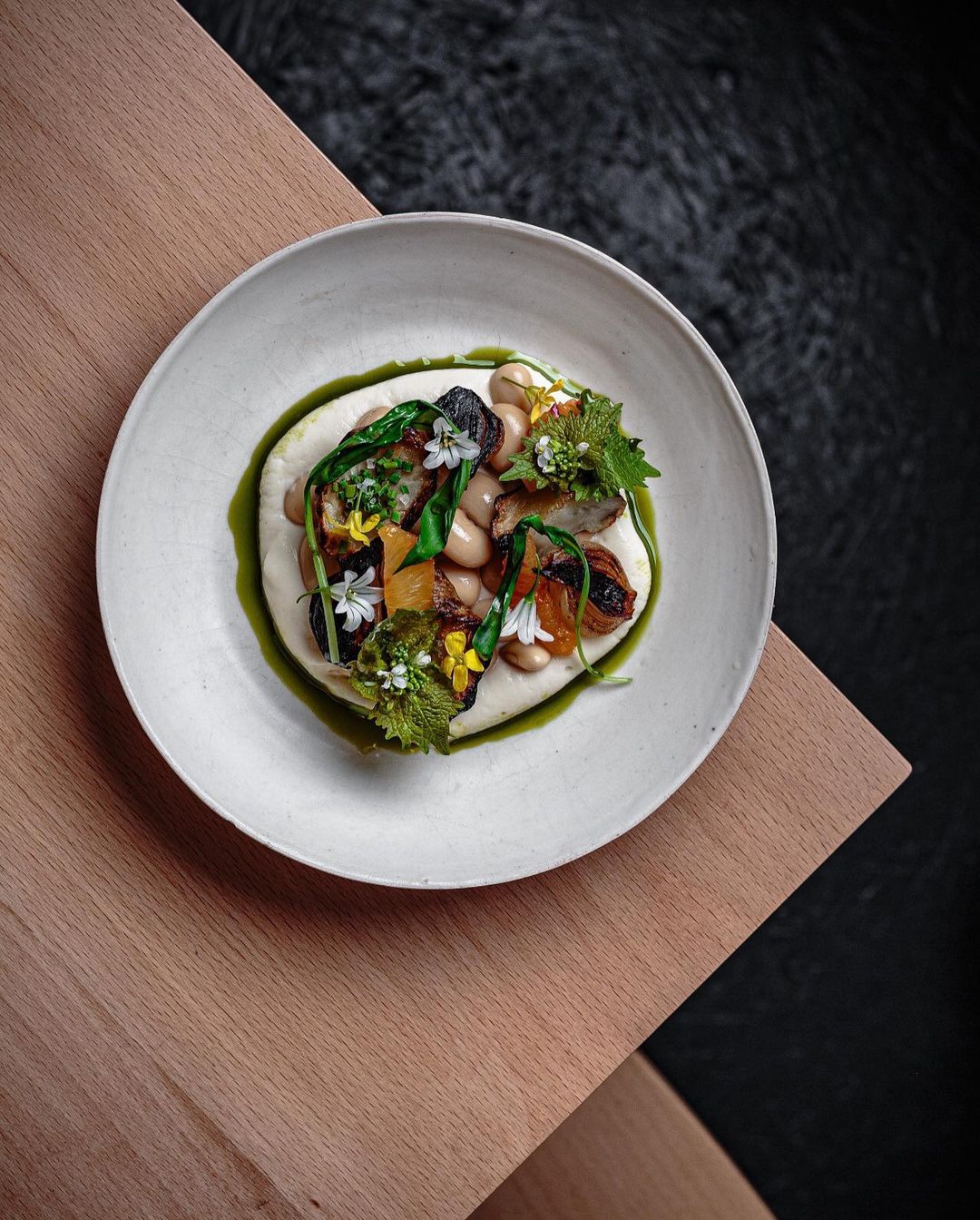
Featured image – Another Hand.
News
Charli XCX announces massive Manchester arena gig as part of long-awaited UK and European tour
Emily Sergeant
Charli XCX has finally given UK fans the news they’ve been waiting for.
After the genre-bending popstar announced back in June a series of US gigs this autumn to support and celebrate the release of her eighth studio albumMusic, Fashion, Film – which was met with critical acclaim following its release in late July – fans in her home country were wondering when she would announce UK dates to accompany these.
The 34-year-old been had hinting at a UK and European leg of the Music, Fashion, Film Tour on social media over the past couple of months, but nothing was set in stone as of yet.
Then last night, Charli took to Twitter to announce that she ‘finally’ had some information coming today (11 September), and then followed it up with a teaser video – sending fans into a frenzy.
And now, it has been announced this morning that Charli XCX will be taking to the Co-op Live stage early next year.
Support on the UK and European leg of the Music, Fashion, Film Tour will come from US popstar Audrey Hobert.
Hobert has been having somewhat of a star-making year herself in 2026 following the release of her own critically acclaimed debut album, Who’s The Clown?, last year – with her streams racking up daily and drawing in massive crowds on the festival circuit this summer.
Charli XCX – Music, Fashion, Film Tour UK & EU Dates 2027
13 February – 3Arena, Dublin
15 February – OVO Hydro, Glasgow
17 February – Co-op Live, Manchester
19 February – The O2, London
22 February – Ziggo Dome, Amsterdam
24 February – Accor Arena, Paris
Upon release back in July, Music, Fashion, Film the album received acclaim from music critics, who praised its lyrical honesty and experimental production, as Charli took a sonic journey away from the undeniable mega hit that was her 2024 album BRAT, and into ‘Rock Music’ territory.
Music, Fashion, Film topped the charts in the UK and Australia, as well as in Belgium, Hungary, and New Zealand, while reaching the top 10 in countless other countries – including the US.
Charli XCX will be bringing the Music, Fashion, Film Tour to Manchester‘s Co-op Live on Wednesday 17 February 2027, and tickets will go on sale next week.
Featured Image – Henry Redcliffe (Publicity Picture)
News
Manchester Christmas Markets 2026 opening date announced – including new spots
Emily Sergeant
Manchester Christmas Markets are merely months away, and the opening date and important details for 2026’s return have been announced.
It’s official… holidays are coming, and the countdown is on.
Just as we do every year, the Greater Manchester public has been eagerly awaiting news of when the city’s iconic Christmas Markets would be making a comeback for the 2026 festive season. And now, Manchester City Council has announced – initially via the MEN – that the famous wooden huts will be lining the city’s streets once again from the first week in November.
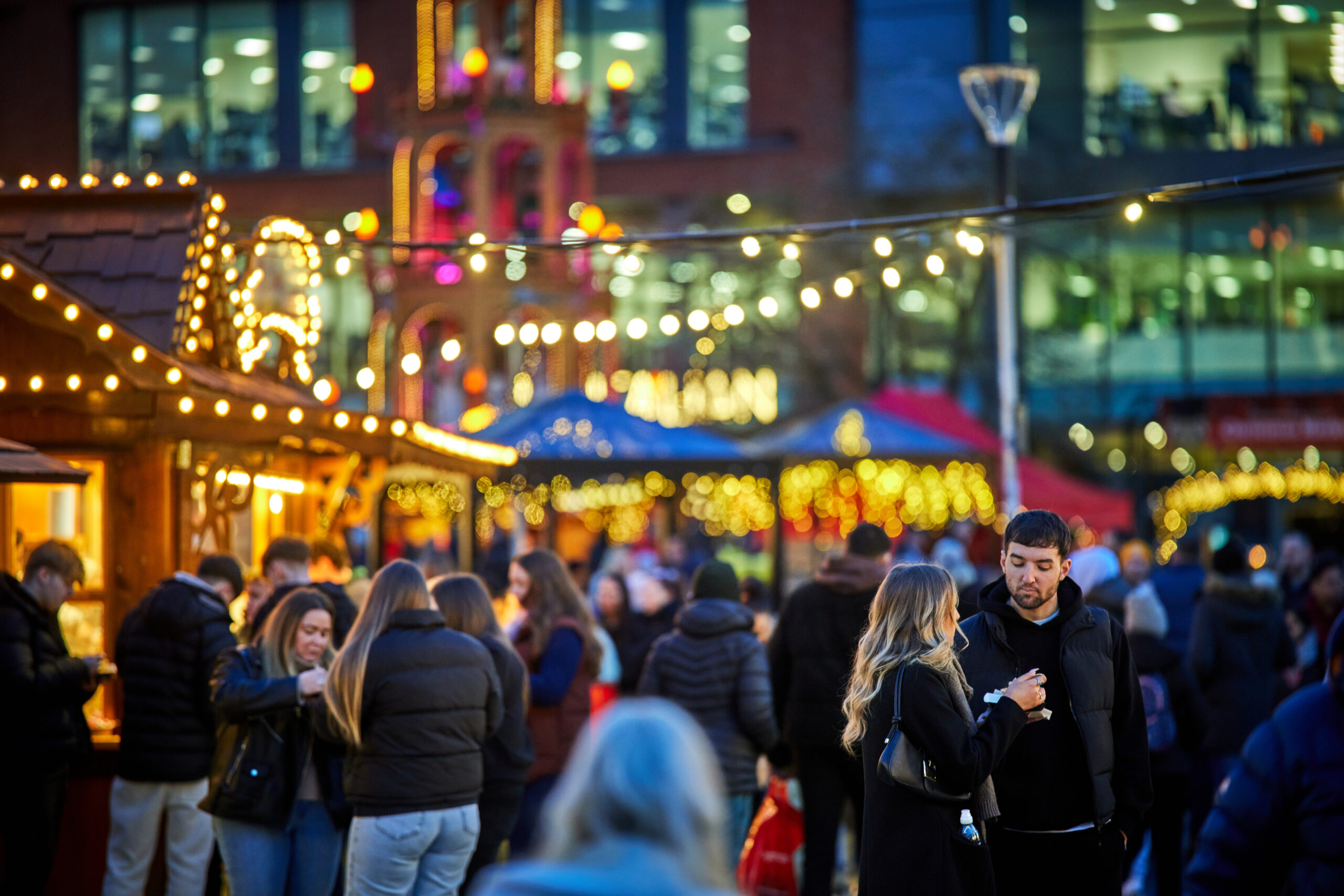
Now in their 27th year, Manchester Christmas Markets are known and loved for bring thousands of people into the city centre each year to fill up on the fantastic festive treats and to soak up all the Christmas atmosphere.
This year will see a bigger return of Albert Square, after the headline-grabbing partial return at last year’s event, with the big wheel also set to make a comeback.
The Manchester Christmas Markets 2026 return date has officially been confirmed / Credit: The Manc Group | Flickr
And there’s also set to be some new locations too for 2026, with Lincoln Square joining in on the action this year.
There will also be big changes to St Ann’s Square this year, according to the Council, with what is being described as a ‘brand new layout’ bringing in a bigger number of market stalls.
There will be a total of 210 stalls spread out across the city centre.
There’s officially eight weeks to go until the iconic wooden huts line the streets / Credit: Manchester City Council
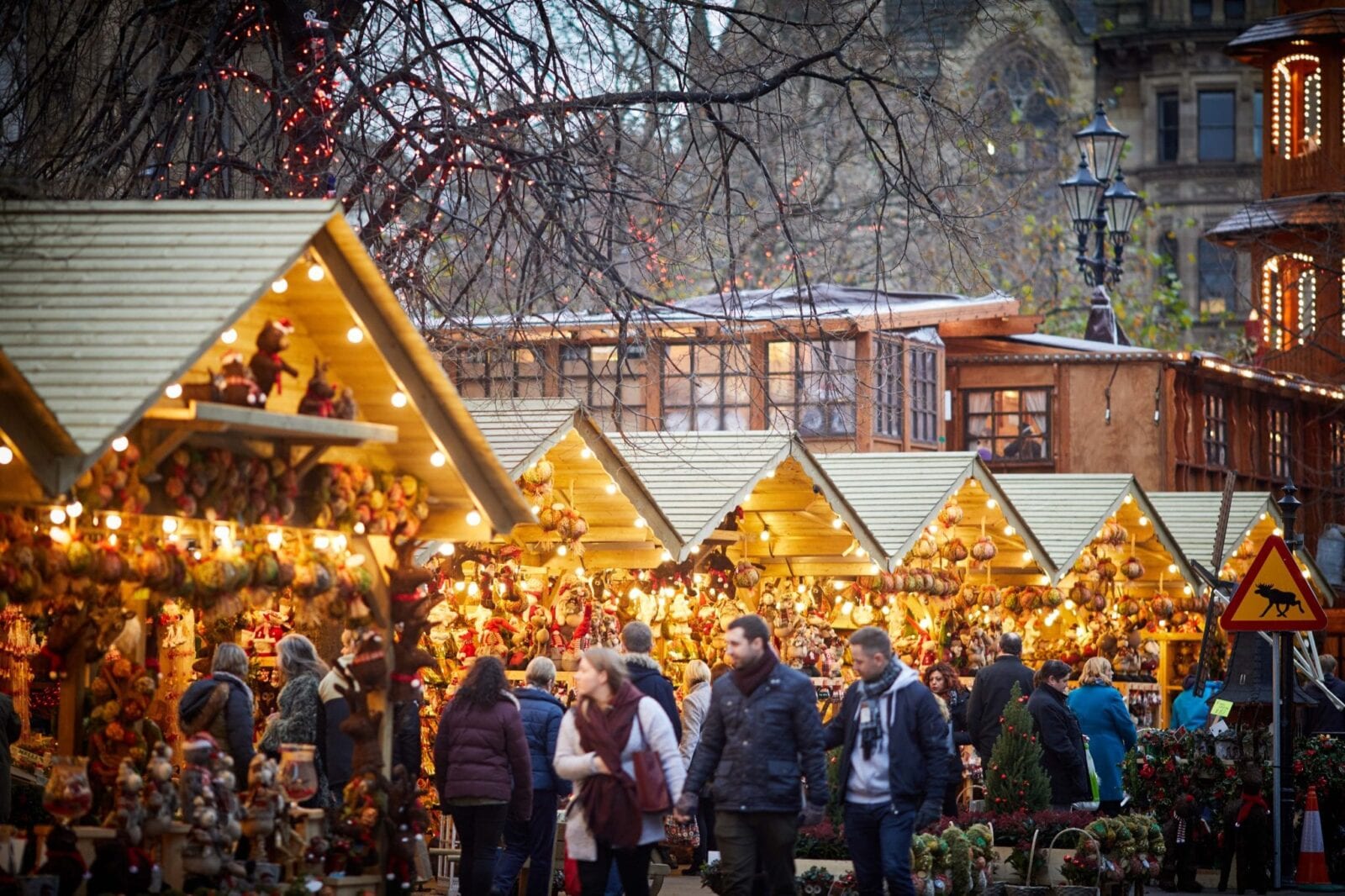
Promising to be plenty on offer for seasonal shoppers of all ages, it has been confirmed that 2026 will see the iconic wooden ski chalet market stalls take over Albert Square, Lincoln Square, King Street, St Ann’s Square, Exchange Street, New Cathedral Street, Exchange Square, Corn Exchange, Cathedral Gardens, and Market Street.
Of course, everyone’s favourite big red legend, Zippy Santa, will also be back this year, although his location has not been set in stone just yet, so stay tuned.
“There’s nowhere that does Christmas quite like Manchester,” commented Councillor Pat Karney, who is the Christmas spokesperson for Manchester City Council.
“The return of Christmas festivities last year to Albert Square was a triumph and we’re looking to build on this success with a fantastic festive offer there again this year that is sure to be a hit with everyone who visits.
“Our legendary Christmas markets draw thousands upon thousands of visitors every year from right around the world and this year’s markets look set to be the very best yet, with a brand-new location in Lincoln Square just around the corner from Albert Square, and a brand-new look and even more stalls in St Ann’s Square.”
He concluded: “Christmas in Manchester will be absolutely magical this year and we can’t wait to welcome everyone and celebrate the festive season with them.”
Manchester Christmas Markets 2026 will officially open across the city on Friday 6 November and close on Tuesday 22 December – with the exception of Albert Square and Cathedral Gardens, which will remain open right through until Sunday 3 January.

 Georgina Pellant -
17th May 2023
Georgina Pellant -
17th May 2023