Historic new legislation set to “reform the governance” of men’s elite football in England has been introduced in Parliament.
Coming at what is said to be at a “critical juncture” for English football, following the attempted breakaway European Super League proposed back in 2021, as well as series of high-profile cases of clubs being financially mismanaged or collapsing entirely, and in a bid to “put fans back at the heart of the game”, the UK Government has this week announced ‘The Football Governance Bill’.
At the heart of the Bill, and what is undoubtedly the biggest talking point of the new legislation, is the establishing of a new ‘Independent Football Regulator’ (IFR) as a standalone body – which will be, like the name suggests, independent of both Government and the football authorities.
The body will be “equipped with robust powers”, according to the Government.
It will revolve around three core objectives:
ADVERTISEMENT
To improve financial sustainability of clubs
Ensure financial resilience across the leagues
To safeguard the heritage of English football
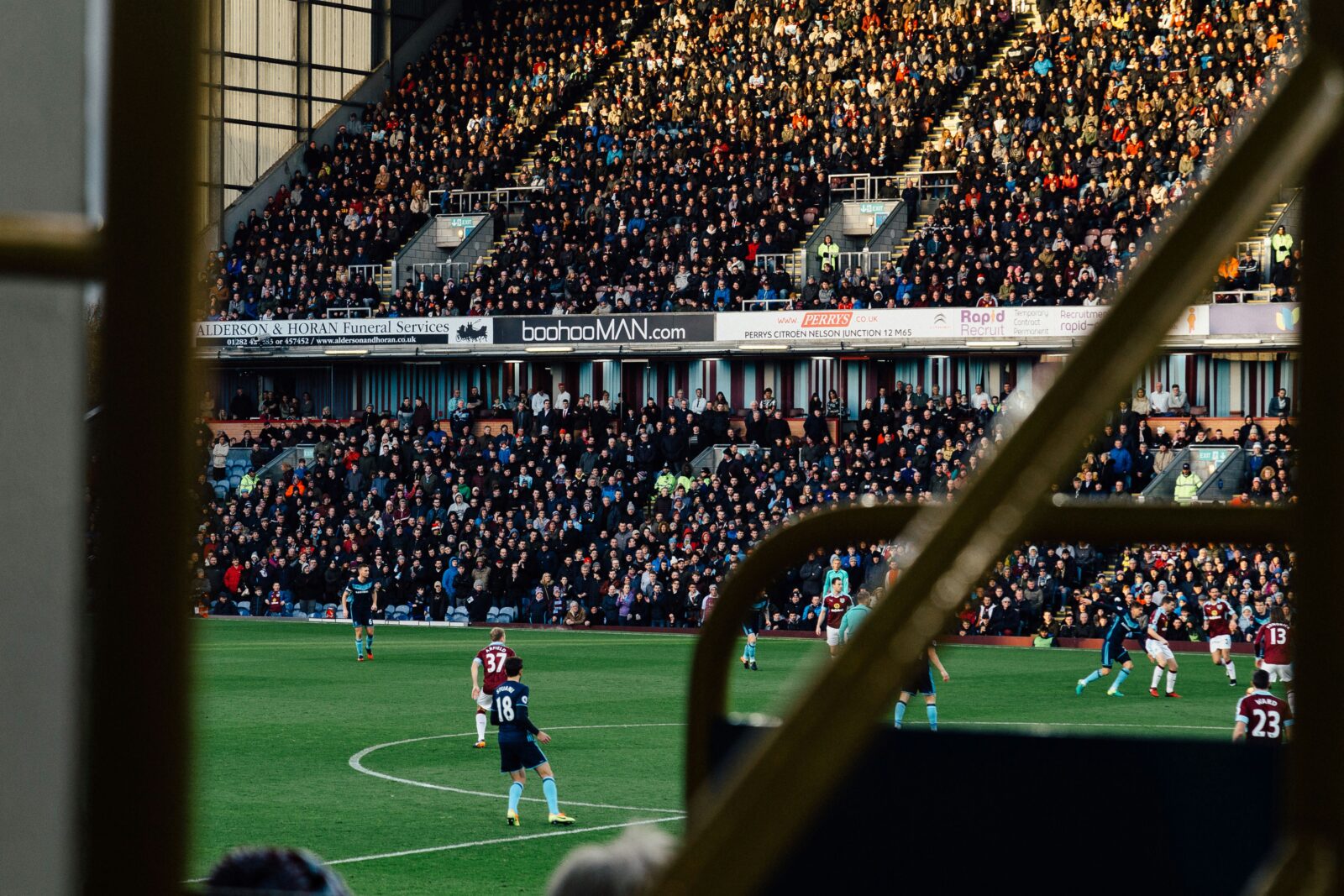
The Government has announced a ‘historic’ new independent regulator for men’s football in England / Credit: Fanga Images | Connor Coyne (via Unsplash)
New owners and directors will face stronger tests to stop clubs falling into the wrong hands under the new Bill, and will also face the possibility of being removed and struck-off from owning football clubs in the future, if they’re found to be “unsuitable”.
New backstop powers around financial distributions between the Premier League, the English Football League (EFL), and National League also form part of the new Bill, and would be triggered to “ensure a settlement is reached” if the three leagues fail to agree on a new deal on financial distributions.
ADVERTISEMENT
And, for the first time in football history, clubs from the National League – which is Step One in the football pyramid – all the way to the Premier League will be licensed to compete in men’s elite football competitions in England.
The Government says this will, however, be “proportionate to any problems, size, and circumstances” of the clubs, and will involve a system of provisional and full licences to give everyone “time to transition”.
The Football Governance Bill will put fans first, with:
⚽ An independent regulator and licensing for English elite men’s football clubs 📃 More financial sustainability and governance 👨👩👧👦 More fan involvement 🏆 Blocks on breakaway competitions
Find out more:
— Department for Culture, Media and Sport (@DCMS) March 19, 2024
All clubs will be subject to new baseline requirements under the legislation, the Government says, irrespective of their licence status
ADVERTISEMENT
The provisional licence will require all clubs to meet some mandatory conditions as standard, including basic requirements on fan engagement, corporate governance, and financial reporting, and then the regulator will apply additional bespoke licence conditions on clubs, as necessary, to ensure they meet necessary standards for a full licence across three key areas – financial resources, non-financial resources, and fan engagement.
The latter is said to be “a central tenet” of the ‘Football Governance Bill’.
As part of the licence, clubs will be required to consult their fans on key off-field decisions – such as club heritage, and the club’s strategic direction.
Sports Minister Stuart Andrew said football clubs are “vital community assets” as the new Bill was introduced in Parliament yesterday (18 March), adding: “For far too long, some fans have been taken for granted, and clubs lost to unscrupulous owners.
“Today’s Bill will pave the way for the creation of an Independent Football Regulator, and usher in greater protections to help clubs and their fans thrive over the long term.”
Two teens arrested after stabbing of 14-year-old boy in Manchester city centre
Emily Sergeant
Two teenagers have been arrested following the stabbing of a 14-year-old boy in Manchester city centre over the weekend.
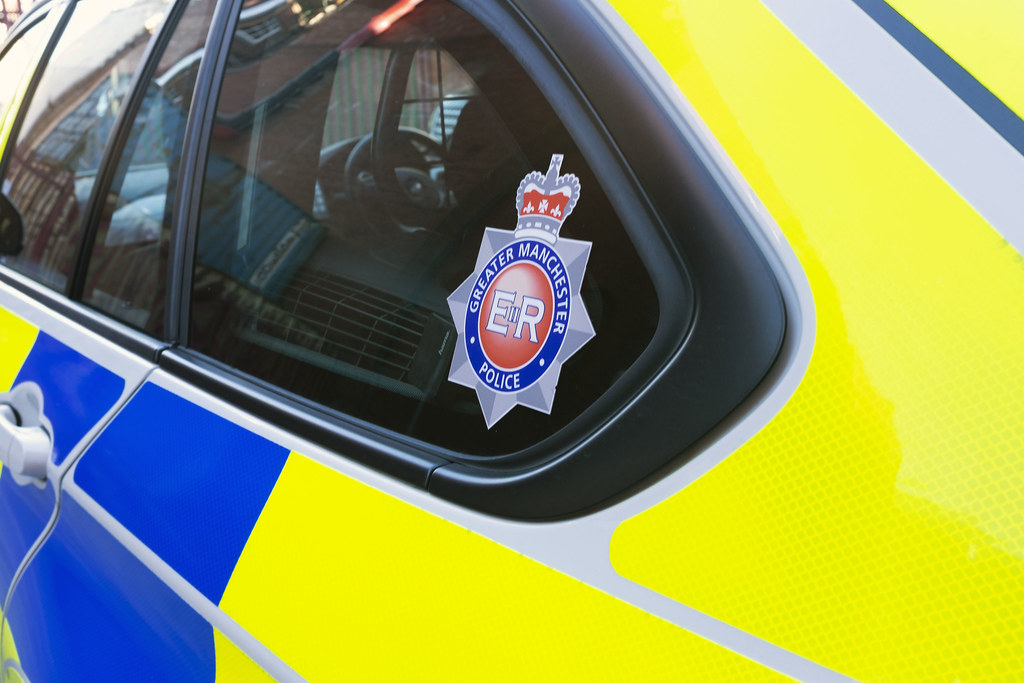
In case you need bringing up to speed first, at around 3:15pm this past Saturday afternoon (17 October 2026), officers from Greater Manchester Police (GMP) were called out to reports of a stabbing on the ninth floor of the Arndale carpark in Manchester city centre.
Emergency services attended the scene, and a 14-year-old boy was taken to hospital with injuries consistent with a stab wound.
Thankfully, the victim’s injuries are not believed to be life-threatening or life changing, but an investigation and enquiries are ongoing.
Police conceded that this will ‘understandably’ cause concern in the community, but has assured the public that they believe this to be an ‘isolated incident.
And now, it has been confirmed that two teenage boys, also aged 14, were arrested on Sunday night (18 October) on suspicion of grievous bodily harm, and tat this time, they are currently in custody for questioning.
“We’d like to thank the local community for their support during our investigation as well as the passersby who helped the victim following this incident,” commented Detective Inspector Sean McFadden, of GMP’s City of Manchester district.
“Your quick-thinking undoubtedly saved the victim from potentially life-threatening injuries.
“We appreciate that incidents of this nature can cause concern and we’d like to reassure the public that we understand this was an isolated incident and there is no wider threat to the community.
“Officers worked quickly and arrested two juveniles on Sunday, and they currently remain in custody for questioning.”
Anyone with information is asked to contact police on 101, quoting log 2050 of 17/10/2026, or via the LiveChat function. Alternatively, contact Crimestoppers anonymously on 0800 555 111.
Featured Image – GMP
News
UK Government announces £100 fines for ‘antisocial behaviour’ on public transport
Emily Sergeant
The Government has today announced plans to tackle antisocial behaviour on public transport.
In a bid to crackdown on loud music, littering, vaping, and other threatening behaviour on buses and trains, guidance was issued by the Government today for local authorities to prosecute and even issue fines of up to £100.
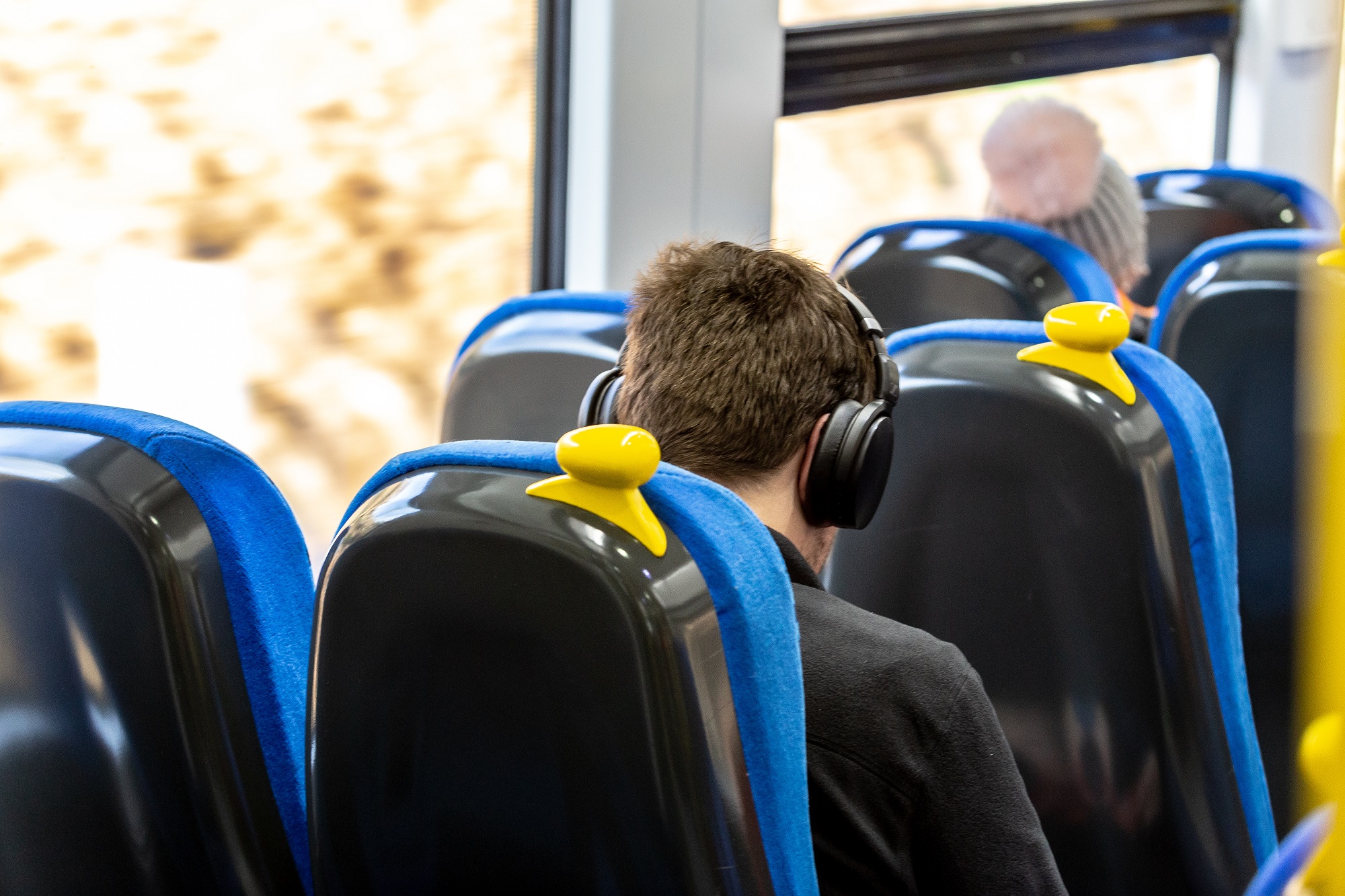
For many, playing audio out loud on public transport – also known as ‘loudcasting’ – has become one of modern life’s most irritating parts of the daily commute, but now, a new national campaign is aiming to encourage rail passengers, in particular, to ‘share the carriage, not the noise’ to improve the journey experience for all.
This will include reminders of the rules in place on the rail network and, if a passenger refuses to stop when asked by authorised rail staff, they can be removed from the train at the next station or face fines up to £1,000.
On buses, however, the powers for authorities were already made possible by the Bus Services Act 2025, meaning all local transport authorities in England are able to set and enforce their own rules.
Authorised officers – including transport safety officers and the police – will be responsible for enforcement, rather than bus drivers themselves, and they will be tasked with a three-step approach to deal with incidents. They will need to:
Engage with the person
Explain the rules and their impact on other passengers
Take enforcement action if they refuse to comply
“We’ve all been on the train when someone starts blasting music or videos from their phone,” commented Prime Minister Andy Burnham.
“It gets on your nerves and can quickly spoil the journey, so we’re launching a nationwide campaign reminding passengers to use headphones on trains. On top of that, we’re giving local leaders new powers to tackle loud music, vaping and littering on buses.
“It’s a simple thing, but one that will make journeys that little bit better for all of us.”
Ben Plowden, Chief Executive at the Campaign for Better Transport, added: “Antisocial behaviour is not just irritating, it can be a real deterrent to people using public transport – especially people with different accessibility requirements.
“If these new powers are properly and visibly enforced, they should help everyone feel safe and comfortable on public transport and enjoy the ride.”

 Emily Sergeant -
19th March 2024
Emily Sergeant -
19th March 2024