Ok, we don’t mean to alarm you but, according to the latest reports, Christmas dinner plates could be at risk of scrimping on a major component as there is a threat of a roast potato shortage this holiday season.
Please, for the love of all things holy and festive, no — we’ll do anything to protect our roasties and gravy.
While there’s often talk of supermarket shortages and supply problems when it comes to the busiest time of year, it seems that the Great British potato-loving people might genuinely have to cut back on the amount of roast spuds we intend to eat over the next few months due to recent storms.
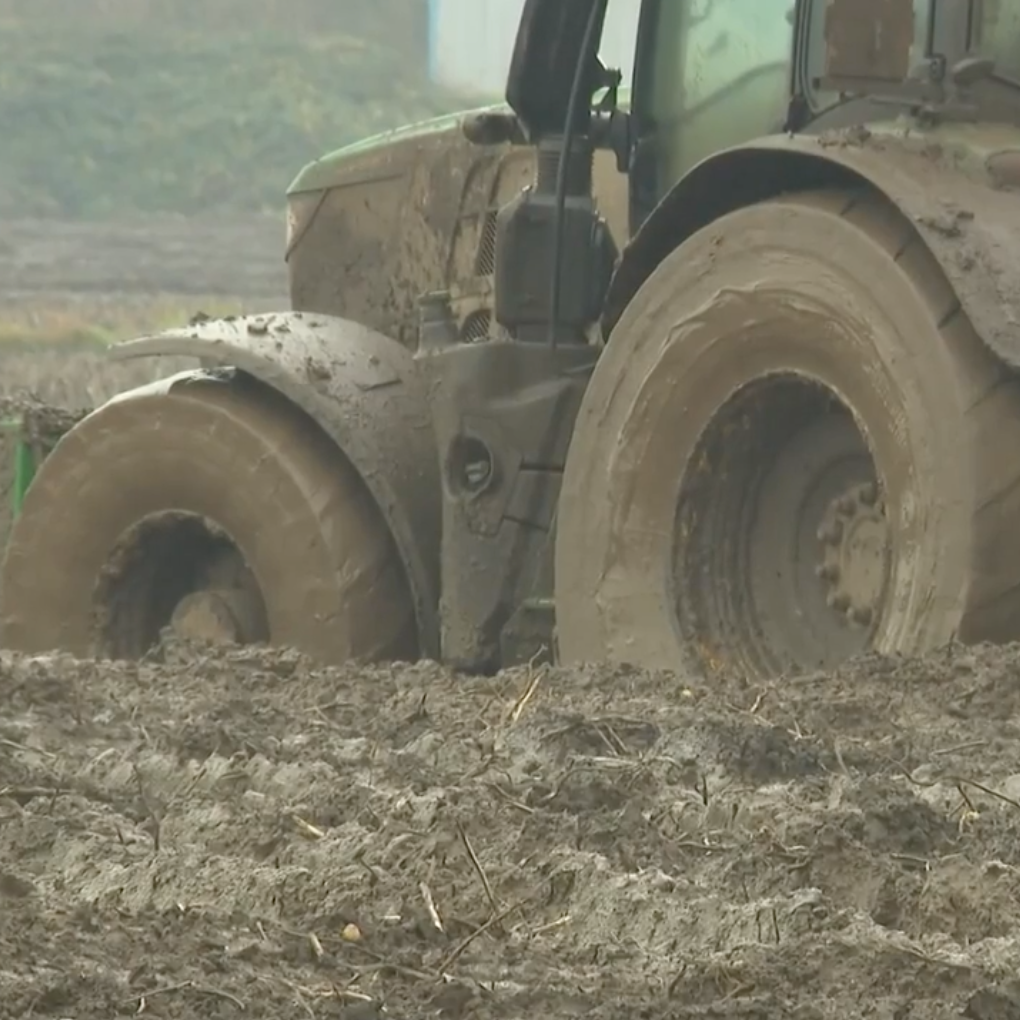
Following what has already gone down as one of the toughest harvests on record, the yield of potato crops has been hit hard by the ‘Autumn washout’, with fields being waterlogged by the likes of Storm Babet, Ciarán, Debi and more, meaning that farmers have been unable to harvest lots of their produce.
Christmas dinner roast potatoes under threat as storms lead to 'lowest crop on record' https://t.co/7XjGkEth6c
Farmer James Lacey explained how there is around £200,000 worth of potatoes that he and his team simply can’t harvest and that they are struggling to hold on to those already pulled out, as even such sturdy vegetables as potatoes just “don’t like this kind of weather and aren’t storing very well”.
This is just the story of one farmer’s plot of land too; unfortunately, current figures project that roughly 20% of this autumn’s potato crop has been flooded and will likely be unsalvageable, with the majority of rotting spuds only fit for animal feed.
ADVERTISEMENT
Although the figures are still unclear, it is estimated that the latest potato crop is tipped for a record low of 4.1 million tonnes — for context, on average and in their various forms, Brits eat around 250m potatoes at Christmas every year.
Sadly, it doesn’t stop there either as due to the almost unprecedented rainfall over the last few months and back-to-back storms, combined with the increasingly frosty conditions now creeping across the UK, the likes of broccoli, carrots, parsnips and more are all under threat.
As a result, retailers are already being forced to supplement their supplies from cold storage which, obviously, isn’t endless.
ADVERTISEMENT
With shortages of different vegetables increasing week upon week and as well as the impact it is having in restaurants already, the knock-on effect it may have on supermarkets with people raiding the freezers to get frozen roasties at the ready just in case could be massive.
The recent miserable weather isn’t getting any better either as the North West is one of many regions that has been hit by a cold snap this week, with the Met Office and UKHSA issuing an amber health alert.
Trafford Centre begins months-long refurb of its iconic The Orient foodhall
Emily Sergeant
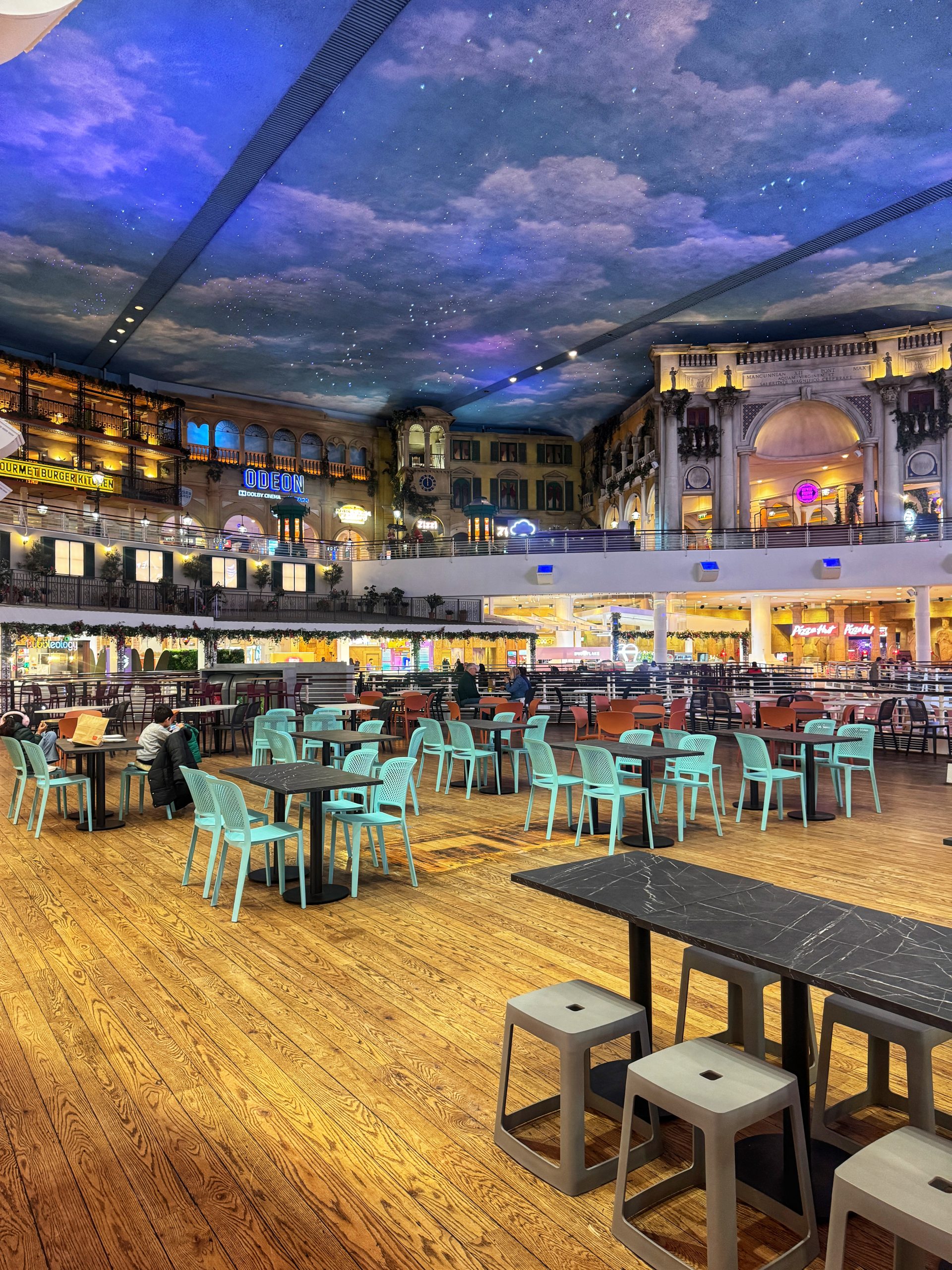
A new era for The Orient is on the horizon, as the Trafford Centre has begun its months-long refresh of its iconic foodhall.
Forming part of its ongoing commitment to ‘enhancing the visitor experience’, the Trafford Centre is investing in a major refresh of seating and customer facilities within The Orient – creating a more vibrant and welcoming environment for guests to eat, meet and relax.
Works are now underway and will be delivered in phases over the coming months.
Improvements are being carried out in phases to minimise disruption to shoppers, while creating a more comfortable and contemporary dining environment at the same time.
The refreshed area will increase seating capacity by more than 60%, introducing a range of new seating styles in the process – including banquettes, family-friendly tables, accessible seating for guests with mobility requirements, and dedicated areas equipped with phone and laptop charging facilities.
The Trafford Centre begins months-long refurb of its iconic The Orient foodhall / Credit: The Manc Group
Inspired by The Orient’s longstanding maritime heritage, the design takes cues from a contemporary cruise liner, and the space will also feature upgraded furniture and enhanced lighting, alongside flexible areas designed to encourage visitors to spend more time in there.
There’ll also be modern furnishings and a ‘refreshed’ colour palette to create a brighter and welcoming environment.
“The Orient is one of the most popular destinations within Trafford Centre, welcoming millions of visitors each year,” a Trafford Centre spokesperson said on the refurb.
“This investment reflects our commitment to continually improving the experience for our guests, creating a more modern, comfortable and social environment where visitors can meet, dine and spend time together.
“The improvements will not only significantly increase seating capacity but also deliver a much more flexible and accessible space for all visitors to enjoy.”
Featured Image – The Manc Group
News
Uber has officially started trialling driverless taxis in Manchester
Emily Sergeant
It’s official… driverless taxis have hit the streets of Manchester.
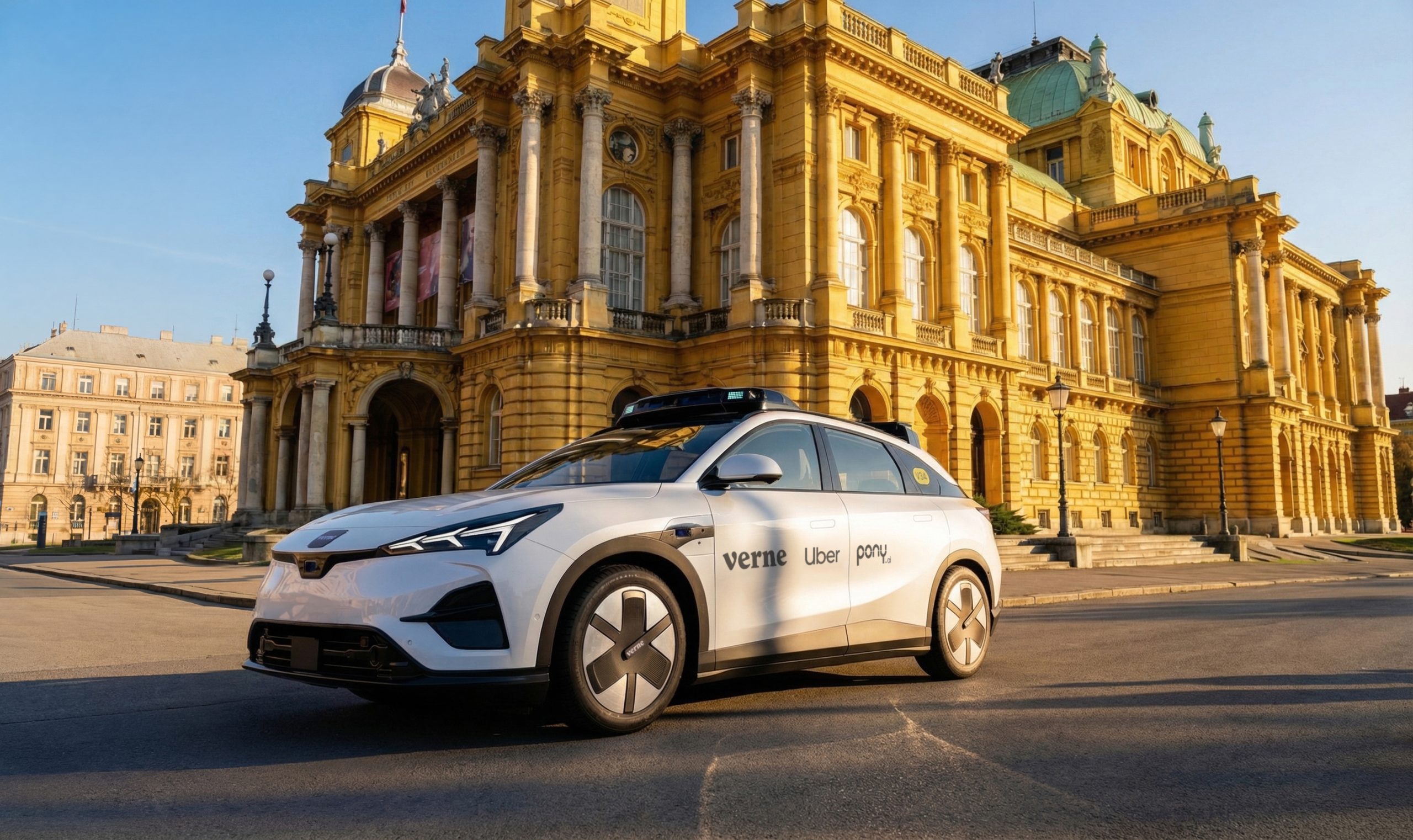
As the leading transportation company looks to bring robotaxis to other major cities around the UK, it has been confirmed that a trial of autonomous vehicles is now underway in Manchester – with the services being operated using the technology of Uber’s partner firms, Pony and Verne.
Uber said it was ‘excited’ to take this first step toward ‘making this technology accessible’ to people across the UK.
The three companies first collaborated on the deployment of a commercial robotaxi service back in March of this year, combining Pony.ai’s autonomous driving system, Uber’s global mobility platform, and Verne’s service ecosystem and operational framework.
At this time, there has been no official application to launch passenger services in Manchester, according to The Guardian.
However, posts on various social media platforms – such as X, LinkedIn, and Instagram – by each of the companies this week have confirmed that trials are underway in the city.
“New technologies play an increasingly important role in the growth of our city region,” TfGM said. “But they need to be introduced responsibly, safely and with real thought about what it means for our residents.
“Safety will always be our top priority, and we will need strong assurances that no vehicles will operate on our roads that pose any risk to residents.”
Manchester, we’re on our way! Today, we’re announcing that we’re partnering with @Verne_robotaxi and @PonyAI_tech to pilot autonomous vehicles in Manchester. Building on our service together in Zagreb, Gen-7 Robotaxis are now testing in Manchester.
We’re excited to take this first step toward making this technology accessible to people across the UK. 🇬🇧
“By bringing together Pony.ai’s proven autonomous driving technology, Verne’s operational and market expertise, and Uber’s global platform, we’re taking an important step toward making autonomous ride-hailing available to more riders in more places.”

 Danny Jones -
29th November 2023
Danny Jones -
29th November 2023