Snake Pass, what is known as the UK’s ‘most dangerous’ road, has received £7.6 million in funding to improve its safety.
The infamous road connecting Manchester and Sheffield – which is said to be used by more than 30,000 vehicles each week – is the highest road in Derbyshire, and is known for including a series of steep bends, twists, and blind junctions, hence being given the nickname of the UK’s ‘most dangerous’ route.
The Department for Transport (DfT) has allocated £7.6 million from its ‘Safer Roads Fund’ to improve safety along the 23-mile stretch of the A57 between Glossop and Sheffield.
Snake Pass is also, sadly, known for its frequent collisions data – with records indicating that, between 2018 and 2023, there were five fatalities, 62 ‘serious;, and 102 slight collision casualties.
Historical records also suggest that landslips have taken place along the Snake Pass for decades, with road closures dating back at least 90 years.
ADVERTISEMENT
‼️Today, @transportgovuk has awarded £7.6 million from the Safer Roads Fund, to make major safety improvements to the #A57#SnakePass. We’ll be using the money to introduce major safety improvements along a 23-mile stretch of the A57 between Glossop and Sheffield. 1/3 pic.twitter.com/IrpmJpDfXl
Proposed safety improvements to be carried out include the installation of up to 10 average speed camera sites along the route, with speed limit reminder signs, and the improving the junction of the A57 and Manor Park Road in Glossop by narrowing the road so it reduces the time it takes for pedestrians to cross.
More pedestrian crossings will be installed at the Dinting Vale viaduct to provide a safer walking route to the railway station
ADVERTISEMENT
Advanced ‘road restraint’ safety barriers, which are designed to prevent motorcyclists sliding under existing safety barriers and reduce potential injuries, will also be installed, alongside anti-skid friction surfacing at bends and existing collisions sites to help minimise braking distances.
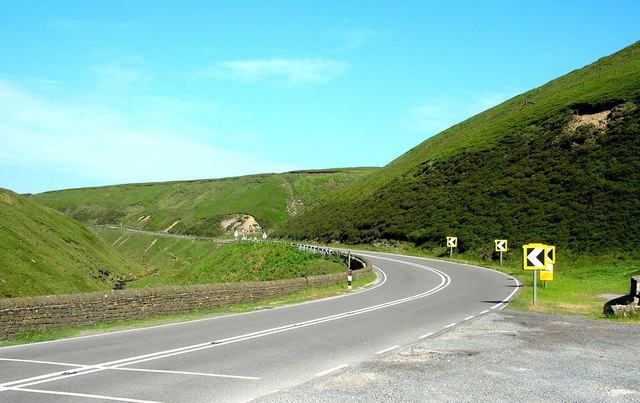
Snake Pass will be undergoing to undergo £7.6m safety improvements / Credit: Geograph (via Wikipedia Commons)
Councillor Charlotte Hill, who is the Cabinet Member for Potholes, Highways, and Transport at Derbyshire Council says Snake Pass is a ‘major tourist route’ and a ‘key economic connection’ for the North.
“We have already carried out a number of safety improvements along the route, but a more holistic solution is required to save lives and change road user attitudes and behaviour along this challenging stretch of road.
ADVERTISEMENT
“Using our experience gained from similar challenging routes in the county, we will now be able to finalise our proposals for the Snake Pass, in readiness for a public consultation later this year.
“We look forward to being able to deliver a step change in road safety and reduce casualties along this significant route.”
Featured Image – Wikimedia Commons
News
North West water bills to see the biggest average increase of anywhere in the country in 2026
Emily Sergeant
Water bills in the North West are set to see the biggest increase in 2026 on average.
It has been announced that household water bills in England and Wales will rise by an average of 5.4% overall – which works out to around £33 a year, or approximately £2.70 per month – from April, which is said to be two percentage points above December’s official inflation figure… but when you look closer at the North West, that percentage rises from 5.4% to 9%.
The average United Utilities water bill is set to sit at £660 annually in 2026-27, with that being an increase of £57 from the previous year – the largest increase of anywhere else in the country.
Water UK says the nationwide rise in bills reflects the ‘significant investment’ being put towards upgrading water infrastructure.
More than two million households currently receive help with their water bills. An extra 300,000 households are expected to receive support in 2026-27. Find out more: https://t.co/DSDpAmawX8pic.twitter.com/N2LFpjxEQE
Water companies are said to be currently in the process of delivering a £104 billion investment programme to secure the nation’s water supplies, support economic growth, and end sewage entering our rivers and seas.
The money raised by water bills can only be used to fund infrastructure that is independently determined to be ‘new, necessary, and value for money’.
The regulator says United Utilities will begin a £3 billion upgrade in 2026 of the 110 km Haweswater Aqueduct, which carries 570 million litres of water every day to 2.5 million people in Cumbria, Lancashire, and Greater Manchester (or nearly 5% of England’s population), hence water bills increasing at a higher rate to other areas.
North West water bills are set to see the biggest average increase in 2026 / Credit: Raibeart MacAoidh (via Geograph)
“We understand increasing bills is never welcome, but the money is needed to fund vital upgrades to secure our water supplies, support economic growth and end sewage entering our rivers and seas,” explained David Henderson, who is the Chief Executive at Water UK.
“While we urgently need investment in our water and sewage infrastructure, we know that for many this increase will be difficult.
“That is why we will help around 2.5 million households – more than ever before – with average discounts of around 40% off their water bill.”
More than two million households currently receive help with their bills through social tariffs, the WaterSure scheme, and other affordability measures, and an extra 300,000 households are expected to receive support in 2026-27, taking the total number to around 2.5 million.
Those who are struggling should contact their water company to see what help is available, as support can often be tailored to individual circumstances.
Featured Image – Sora Shimazaki (via Pexels)
News
Deansgate bar Simmons closes just over a year after opening
Danny Jones
London-born bar brand Simmons has closed their Manchester site just over a year after opening their first Northern location.
They’ve lasted roughly 15 months on one of our busiest nightlife strips.
Opening on Deansgate back in October 2024, Simmons Manchester wasn’t just their first foray here up in this half of the country but their only other venue outside of the capital.
An otherwise well-established and popular chain down south, they have a total of 15 different bars in central London, but things clearly haven’t quite taken off as planned here in Manchester.
Placing a poster in the unit’s shopfront besides the likes of Be At One, Yours, The Moon Under The Water Spoons and the Deansgate branch of Slug and Lettuce, as you can see, the fellow franchise founded over a decade ago said: “After much consideration, we’ve made the difficult decision to close our doors.
“It’s never easy to say goodbye”, they add, “We’re incredibly proud of what the team built here and so grateful to them, as well as everyone who joined us over the past year.
“We’ve had some unforgettable nights. We love Manchester, and we hope to be back under the right conditions.”
They go on to thank everyone for being “part of the journey”, but for now, it looks like the room has closed effective immediately.
Simmons started back in 2012 when founder Nick Campbell opened the first bar below his flat in Kings Cross, and their presence has grown hugely since then. The closing sign was spotted and shared on social media earlier this week.
Offering everything from stylish cocktails to New York-style pizza, live music and even private karaoke booths, the place had plenty going on.
With rising business rates, energy bills and more dovetailing with the continuing cost of living crisis that is still hampering both hospitality and the nightime economy, they are just one of many to unfortunately close their doors of late.
For instance, it was only earlier this month that we saw multiple well-known names shut up shop here in the city centre or elsewhere in Greater Manchester, including another long-standing late-night favourite, Revolution.
It’s a shame for any business to close, and we certainly hope they’ll return someday with a model that can be sustained in the current climate.