The first conditions that are set to be eligible for video appointments via the new NHS online hospital have been revealed.
In case you hadn’t heard, back in September of last year, the Government has announced that the NHS would be setting up an ‘online hospital’ known simply as NHS Online – which will not have a physical site and instead digitally connect patients to expert clinicians anywhere across the country.
Ultimately, this means patients can be seen faster than normal, as teams triage them quickly through the NHS App and let them book in scans at times that suit them at centres closer to their home.
NHS Online – which will begin to see its first patients in 2027 – is expected to deliver the equivalent of up to 8.5 million virtual appointments and assessments in its first three years, according to the NHS, which is four times more than an average NHS trust.
And now, the NHS has selected nine ‘common’ conditions which will be the first to be treated by the NHS Online service.
ADVERTISEMENT
📲 Introducing NHS Online 📲
A new digital hospital will transform healthcare.
From 2027, you'll be able to get specialist care:
✅ straight to your home via the NHS App ✅ faster than a traditional hospital appointment ✅ wherever you live in England
Women’s health issues, including severe menopause symptoms and menstrual problems that can be a sign of endometriosis or fibroids, will be among the conditions available for online referrals, as will prostate problems like prostate enlargement and a raised prostate specific antigen (PSA) level, along with eye conditions including cataracts, glaucoma, and macular degeneration.
NHS Online will also provide support for other painful and distressing conditions, such as iron deficiency anaemia and inflammatory bowel disease (IBD).
ADVERTISEMENT
So, how will NHS Online work then? Well, when a patient has an appointment with their GP, they will have the option of being referred to the online hospital for their specialist care instead, and then from there, they’ll be able to book directly through the NHS App.
Once referred to the online hospital, patients will have the ability to see specialists from around the country without leaving their home or having to wait longer for a face-to-face appointment.
The NHS has released a list of the first conditions set to be eligible for the new ‘online hospital’ / Credit: Nordwood Themes (via Unsplash) | rawpixel
If they need a scan, test, or procedure, then they’ll be able to book this in at a time that suits them at Community Diagnostic Centres closer to home.
ADVERTISEMENT
Patients will also be able to track their prescriptions and get advice on managing their condition at home too.
“We’ve selected nine common conditions which the NHS Online service will initially provide support for when it launches next year, including some women’s health issues as well as prostate problems,” commented Professor Stella Vig, who is the National Clinical Director for Elective Care at NHS England.
“We know that these conditions can be painful and difficult to cope with so providing faster, more convenient access to diagnosis and treatments will have a real and positive impact on people’s lives.”
A Greater Manchester neighbourhood has been named one of the ‘coolest’ in the UK
Clementine Hall
A neighbourhood in Great Manchester has been crowned one of the coolest in the country – and this time, it’s not Ancoats.
Every year, we wait with bated breath to see which UK neighbourhoods have made the cut in Time Out’s annual ranking of the coolest places in the world.
But, as it turns out, Britain is just so damn cool that we’ve earned a list of our own.
In its latest guide, ’11 Coolest Neighbourhoods in the UK’, Time Out has rounded up the places across the country that are really making a name for themselves.
Images: The Manc
And one neighbourhood here in Greater Manchester has made the cut, and although you’d immediately think of Ancoats that has made its way to similar lists before, this time there’s a newbie on the block.
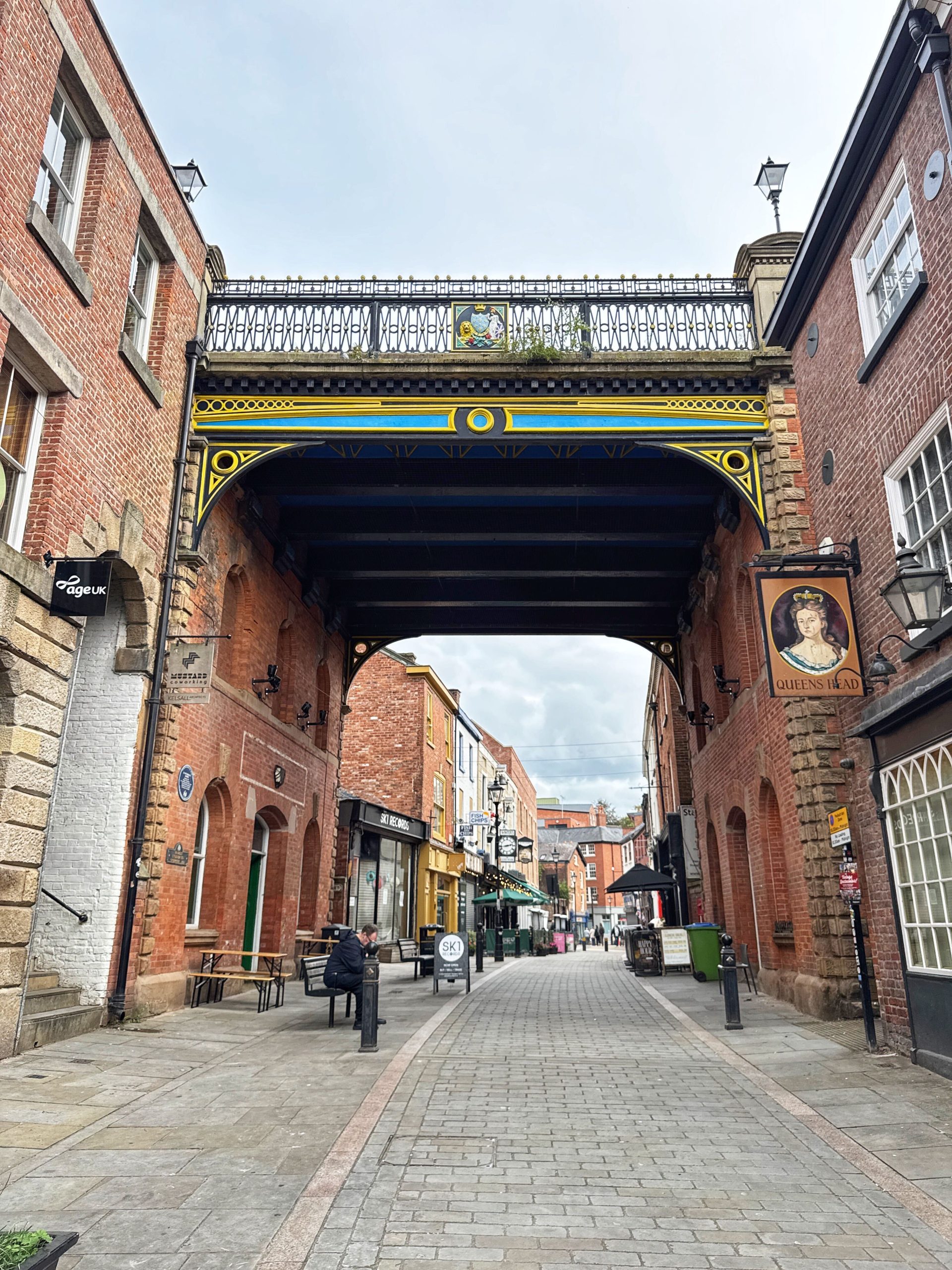
Coming in at a very respectable fourth place, Stockport and the Underbanks received a glowing report in the coveted list.
Images: The Manc
Are we surprised? Not one bit.
We love Stockport for its flourishing food scene, cool community vibe and ever-growing roster of independent businesses – not to mention its brilliant mix of old-school charm and new-school cool.
It’s a place that feels like it’s constantly evolving, without losing the character that made people fall in love with it in the first place. And clearly, Time Out agrees.
Images: The Manc
Kyle MacNeill, contributing writer, said: “If you live anywhere near Manchester, you may have heard this one on the rumour mill: ‘Stockport is The New Berlin’. It’s a gag, alright: the humble market town hasn’t got a club, let alone the most hedonistic nightlife scene in the world. But it is true that SK is rapidly becoming the place-to-move-to for the Second City’s creatives, thanks to cheaper rent and some serious suburban tenacity.
“The Underbanks, a cobbled high street once home to hat-makers and hosiers, has been transformed into a bustling hub of forward-thinking vendors, while various local institutions have embraced Euro-style cafe culture, midcentury decor, sustainable fine-dining, small plates snacking and chic drinking dens. All of which, actually, come to think of it, is very Berlin… “
High praise indeed, you can read the full list of the UK’s coolest neighbourhoods here.
Murder investigation launched and five people arrested after man dies in Salford
Emily Sergeant
A murder investigation has been launched after the death of a man in Salford this week.
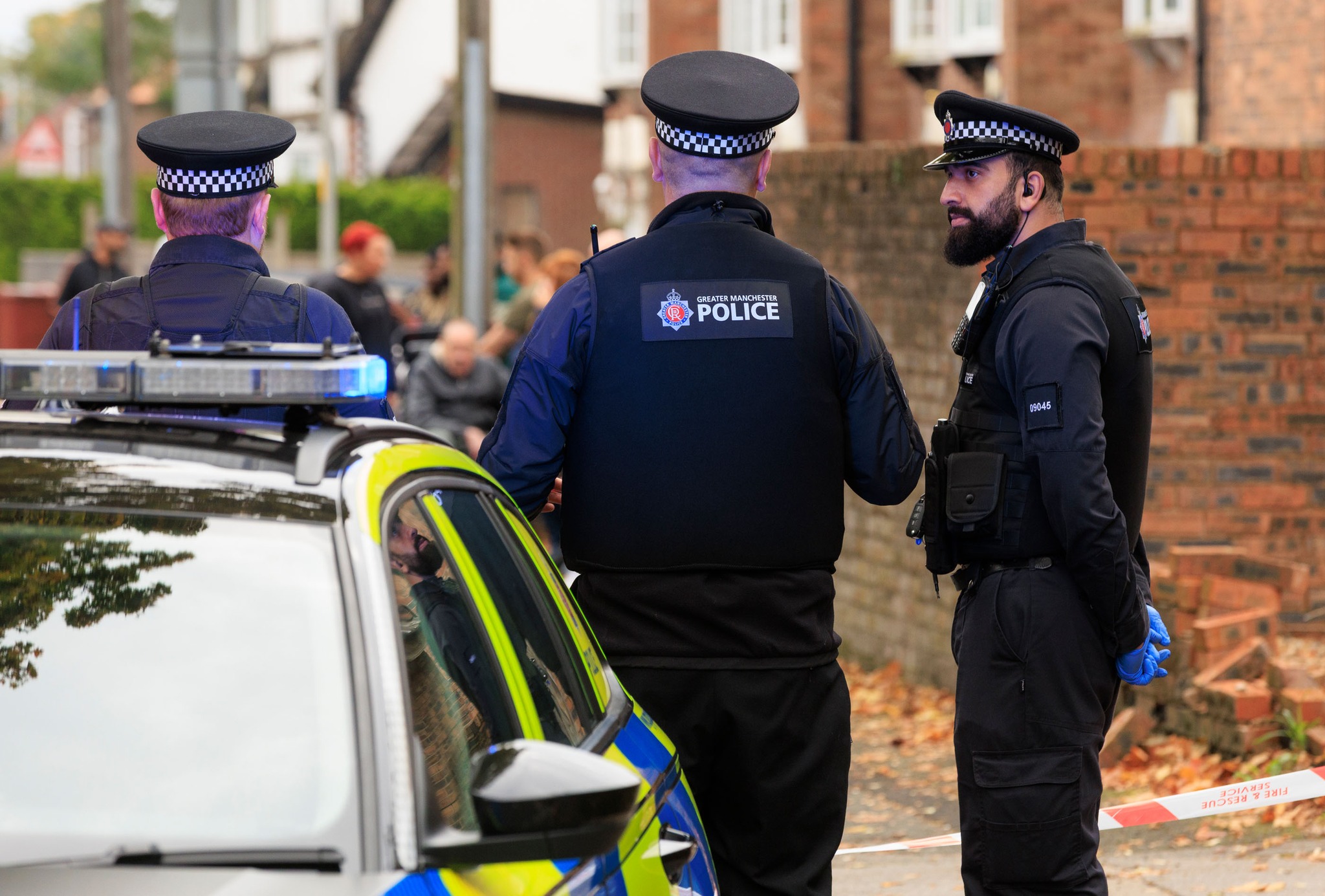
Greater Manchester Police (GMP) explained that officers were called out to an address on Great Clowes Street in Salford at around 7:50pm on Tuesday evening (6 October), and when they arrived on the scene, a man in his 40s was found ‘unresponsive’.
Despite the best efforts of emergency services and all the medical professionals involved, the man sadly died a short time later.
The identity of the man has not been revealed as of yet.
Police have confirmed that five men, all aged between 24 and 35-years-old, have been arrested on suspicion of murder.
A public appeal for information has now been issued as the investigation into the circumstances surrounding this man’s death continues.
Detective Chief Inspector Ian Partington explained: “Our priority is to establish exactly what happened and we are keeping an open mind as we work to build a full picture of the events leading up to his death. A post-mortem is taking place to establish the cause of death, which will be an important part of our investigation.
“We understand that an incident of this nature will understandably cause concern within the local community but at this stage, we are confident that there isn’t any wider threat to the public.
“Officers will remain in the area while enquiries continue, and I would encourage anyone who has information, or who may have witnessed anything that could assist our investigation, to speak to officers or contact us.”
Can you help? Anyone with information should contact police on 101, use the LiveChat function on the GMP website, or contact Crimestoppers, anonymously, on 0800 555 111.

 Emily Sergeant -
6th January 2026
Emily Sergeant -
6th January 2026