Coming nearly nine weeks after the reintroducing of national restrictions in England for a third time amid the coronavirus (COVID-19) pandemic, Prime Minister Boris Johnson took to unveil the government’s roadmap – which will see the economy open over a number of weeks, lifting measures for separate sectors at four different stages – to MPs in the House of Commons last month.
Mr Johnson claimed that this exit strategy was designed in such a way as to be “irreversible”.
The Prime Minister stated that decisions on the easing of restrictions will be led by data rather than dates, as it takes around four weeks for the data to show the impact of easing restrictions, and the government will then provide a further week’s notice to the public and businesses ahead of any further changes, so for that reason, there will be at least five weeks between the steps in the roadmap.
Before taking each step, the government will review the latest data on the impact of the previous step against four tests, which are:
ADVERTISEMENT
The vaccine deployment programme continues successfully.
Evidence shows vaccines are sufficiently effective in reducing hospitalisations and deaths in those vaccinated.
Infection rates do not risk a surge in hospitalisations which would put unsustainable pressure on the NHS.
The assessment of the risks is not fundamentally changed by new Variants of Concern.
‘Step One’ of the roadmap is split into two, with the first restrictions eased today, followed by further changes on 29th March, at the earliest.
All schools and colleges in England will start reopening.
Secondary aged pupils (year seven and above) can return full-time after getting their first negative COVID-19 test at school.
Childcare and children’s supervised activities – such as breakfast and after-school clubs – can resume to enable parents to work.
University students on practical courses can return.
One person can meet another person from a different household outside for recreation, not just exercise.
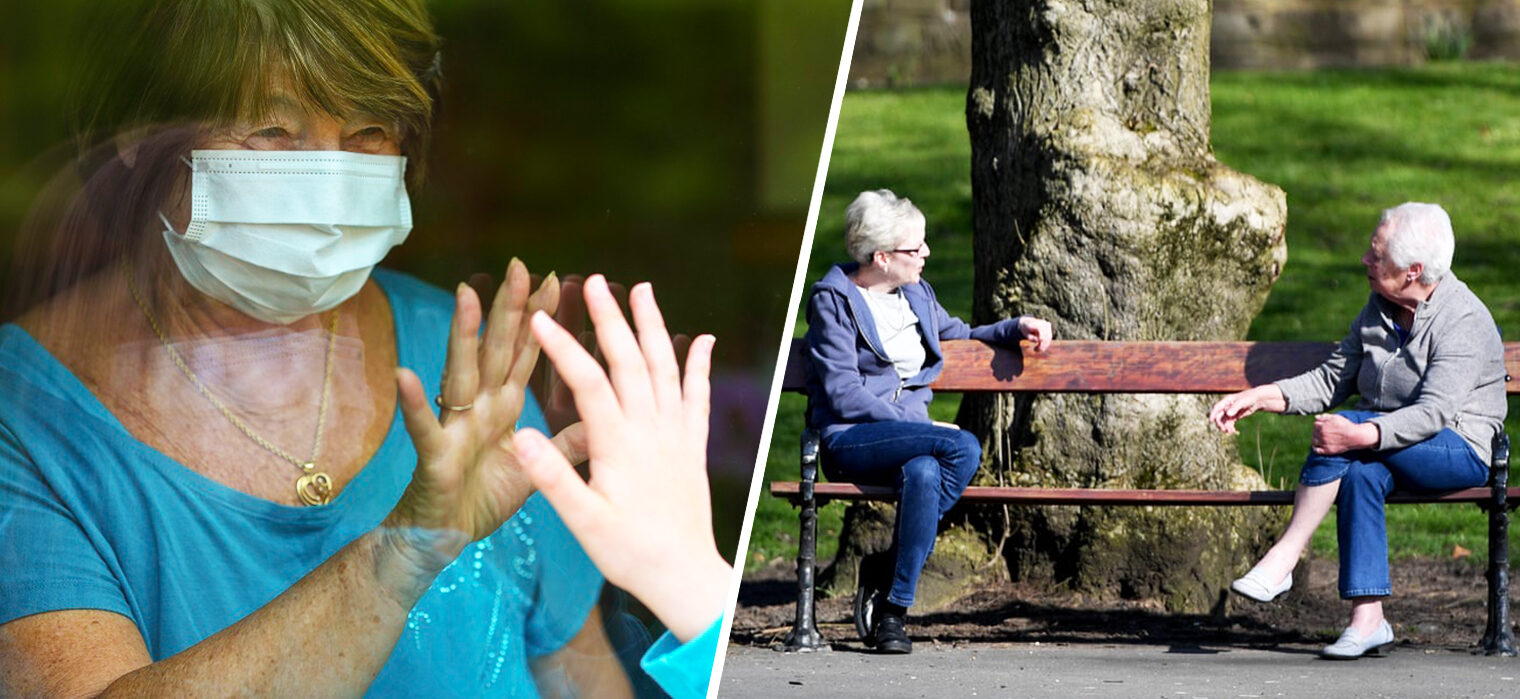
Every care home resident in England can nominate a single named visitor who can regularly visit.
Boris Johnson said on Sunday: “The reopening of schools marks a truly national effort to beat this virus.
“It is because of the determination of every person in this country that we can start moving closer to a sense of normality – and it is right that getting our young people back into the classroom is the first step.”
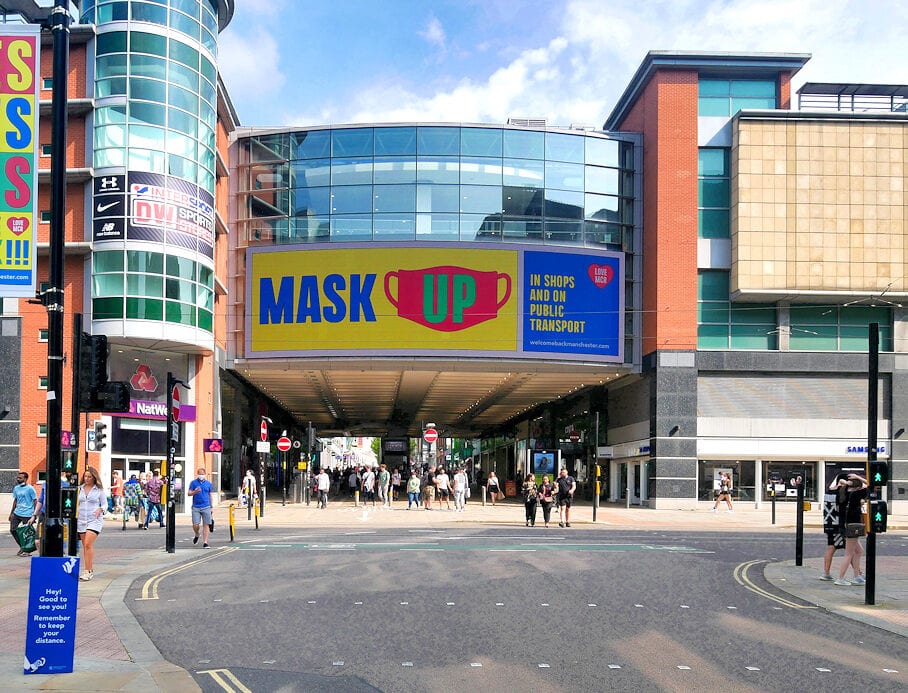
David Dixon / Geograph
What restrictions are being lifted on 29th March?
If the data allows it, further restrictions will be lifted on 29th March as the second stage of ‘Step One’ of lifting England’s lockdown, which are:
ADVERTISEMENT
Up to six people from different households or a larger group from two households can meet outside, including in private gardens
Outdoor sports facilities can reopen and organised outdoor sports can take place for children and adults
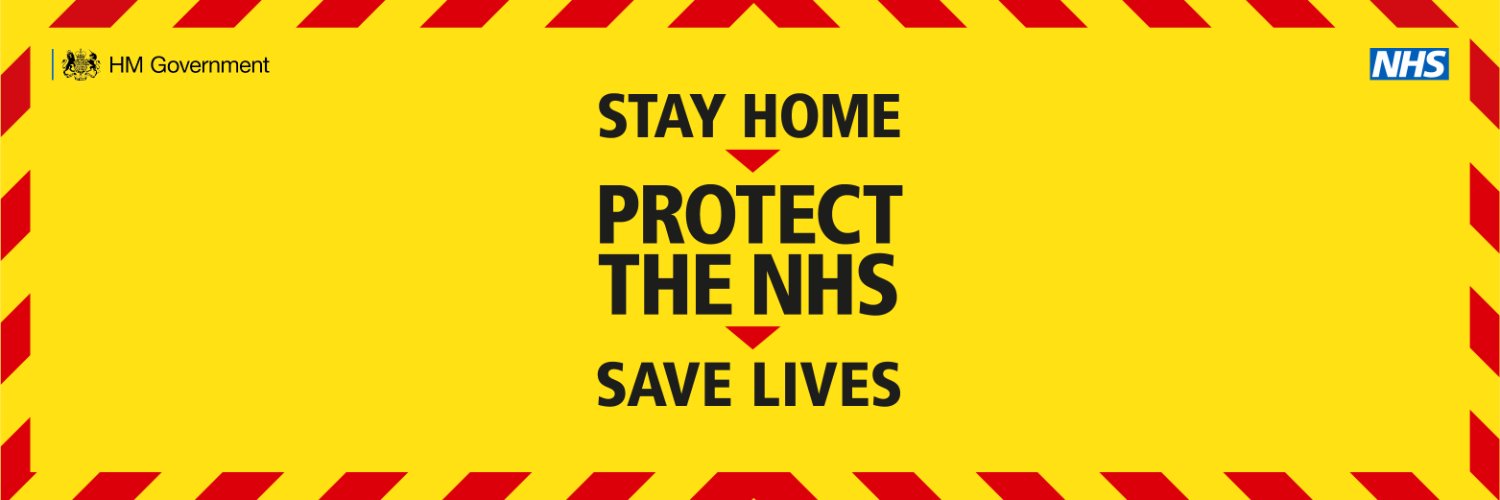
The government will drop the “Stay at Home” message and will instead encourage people to stay local wherever they can.
___
For the latest information, guidance and support during the coronavirus (COVID-19) pandemic in the UK, please do refer to official sources at gov.uk/coronavirus.
#StayHome
News
How will the Government’s new digital ID alternative for alcohol sales work?
Emily Sergeant
All licensed venues across England and Wales now have the choice to introduce digital proof of age for alcohol sales alongside physical.
Instead of having to hand over physical ID that contains personal information, such as names and home addresses, customers now have the choice to simply provide confirmation that they are 18 or over on their phone – helping to better protect privacy and personal safety in the process.
This means that, no matter whether you’re buying a drink at your favourite pub, heading to a festival, or enjoying a night out at a concert, you won’t need to worry if you’ve left your ID at home.
According to the Government, this new change will benefit businesses greatly too, as certified digital services are able to check that an ID is genuine and belongs to the person presenting it much easier than the alternative can, which therefore helps to reduce the risk of any fake or borrowed IDs going undetected.
Well, according to the Government, it could be as simple as a customer showing a QR code for staff to scan, or tapping their phone against a compatible reader, where staff will then receive a clear confirmation on their device that the customer has passed the age check.
This change follows a 2024 Government consultation where it was reported that 72% of respondents supported the use of digital identities for age verification when buying alcohol.
Digital Government Minister Stephanie Peacock reiterated that ‘it will remain an individual or business’ choice whether to use or adopt [digital ID]’ and that physical ID will ‘still remain a valid way’ for customers to prove their age.
“This groundbreaking change in the law will mean you do not need to carry a physical ID, nor hand over sensitive personal information such as your name or address just to prove your age, allowing everyone to feel safer on a night out,” she concluded.
Featured Image – Robin Worrall (via Unsplash)
News
Manchester to host G20 Summit in 2027 with more than a dozen world leaders descending on the city
Emily Sergeant
Manchester has been confirmed as the host city for the G20 Summit next year.
It was already announced back in November last year that the G20 Summit would be coming to the UK in 2027, and plans were apparently already being discussed to host it in Manchester even before Andy Burnham became Prime Minister and Number 10 North was set up.
But now, ahead of this year’s leaders’ summit being held in Miami in December, it has been confirmed that the G20 Summit will arrive in Manchester in November 2027.
Manchester is said to have been picked to host the leaders’ summit because of its ‘cultural heritage’.
Bringing together 19 of the world’s largest economies and two major multilateral bodies – the European Union and the African union – G20 members who will be invited to attend the summit next year make up 85% of global GDP, 75% of international trade, and two-thirds of the world’s population as a whole.
Manchester has been confirmed to host the G20 Summit in 2027 / Credit: 10 Downing Street | Paul Kagame (Flickr)
G20 members are also some of the UK’s closest economic partners, the Government insists.
17 of the UK’s top 20 global export markets attend the summit, as do 18 of the UK’s top 20 sources of foreign direct investment.
The presidency of the G20 is currently held by the US but will pass to the UK after the leaders’ summit hosted by the president at his Trump National Doral Miami golf resort in December.
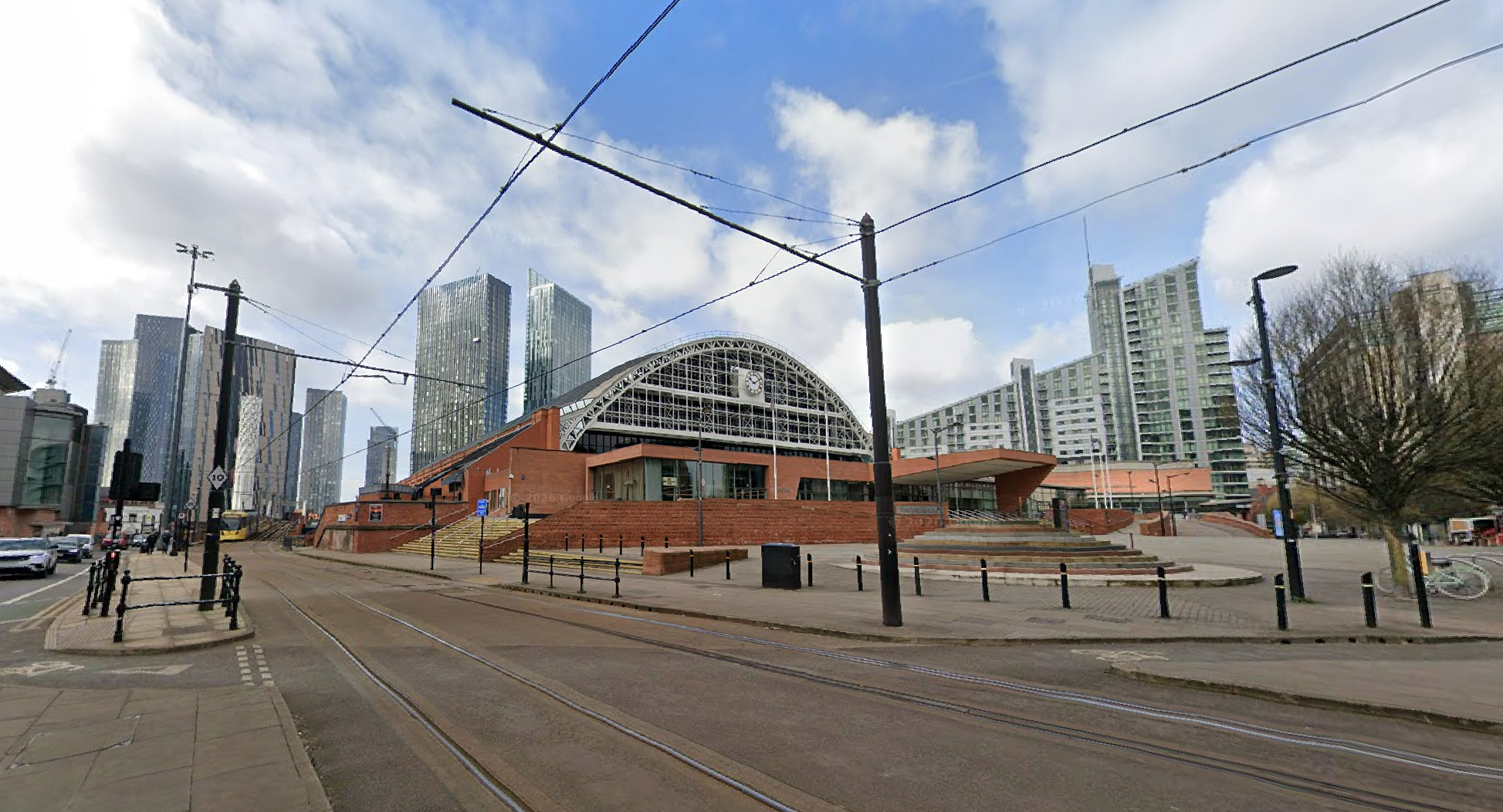
The 2027 summit will be held at Manchester Central, it has been confirmed, and other locations across the UK will also host other G20 events as part of the year-long presidency, but these are yet to be announced.

 The Manc -
8th March 2021
The Manc -
8th March 2021