Much of the UK has felt the effects of Storm Dudley so far this week, and we are now bracing ourselves for the arrival of Storm Eunice.
After it was reported earlier this week that Greater Manchester and widespread parts of the country were to be hit by two storms within three days, which would bring strong winds, heavy rain showers, and even some snow and ‘blizzard conditions’, Storm Dudley arrived on Tuesday night into Wednesday, and left thousands of homes without power, and also caused travel chaos on roads and train lines.
Yellow weather alerts with an amber warnings were put in place by the Met Office and now, people are being warned to prepare for even worse weather as Storm Eunice moves in and threatens “significant disruption” for much of the UK.
Storm Eunice is coming with a ‘danger to life’ warning, and people are being advised to stay indoors and avoid all unnecessary travel.
As well as the amber alert in place covering all of the north, and widespread parts of England for tomorrow, unfortunately, there’s also warnings of further power outages and disruption to transport services as well.
#StormEunice will bring extremely strong #winds to much of the UK on #Friday, with dangerous conditions around the coasts 🌬️
Heavy #snow and blizzards will also affect some northern areas ❄️⚠️
But aside from all of the doom and gloom, every time a new storm comes around, there’s one question that’s always on the UK’s lips – what the heck are those names?
ADVERTISEMENT
From Barney, Christoph, and Barra, to Arwen, Malik, and most-recently, Corrie, storm names always seem to grab the headlines, and not just for the dreadful weather conditions that they bring, but also because it leaves people wondering what the names are all about, who came up with them, and what are the next names we can expect.
Here’s everything you need to know.
Why do storms get named?
Since ‘Name our Storms’ first launched in 2015, the Met Office has issued a new list of names each September, and the list runs from early September to late August the following year, which coincides with the start of autumn when the likelihood of low pressure systems and the potential for named storms increase.
ADVERTISEMENT
According to the Met Office, the naming of storms using a single authoritative system aids the communication of approaching severe weather through media partners and other government agencies.
In other words, they’re easier to remember and thus remind people to stay safe.
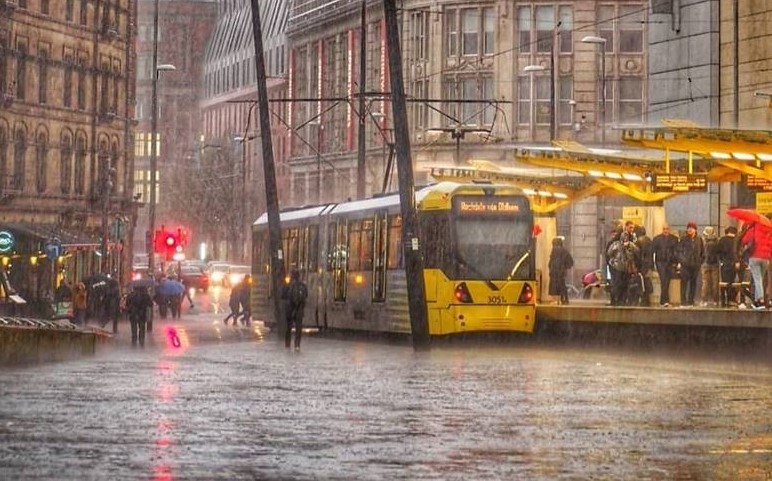
Heavy rain hits Exchange Square in Manchester city centre / Credit: Instagram (@mariapage)
How are the names chosen, and when do storms get announced?
The Met Office collaborates with Met Éireann and the Royal Netherlands Meteorological Institute (KNMI) to name storms, and choose the current list by asking the public to send in suggestions, of which they usually receive thousands of every year.
Chosen names are meant to be “popular names and names that reflect the diversity of Britain, Ireland and the Netherlands”.
ADVERTISEMENT
The list of storm names run from early September to late August the following year.
What are the next storms called?
Even though much of the UK is still reeling from Storm Dudley and is currently preparing for Storm Eunice to hit, what other storm names have been announced by the Met Office for the rest of 2022?
Here’s the full list of names chosen by the Met Office for 2021/22:
Today we announced the new list of storm names for 2021-22 in partnership with @MetEireann and @KNMI
Mancs wanted to take part in a new series of the ‘hardest quiz show on TV’
Emily Sergeant
Call yourself a clever clogs? The BBC is currently looking for contestants to take part in what is widely considered the hardest quiz show on TV.
That’s right – Only Connect is back for another series on BBC Two.
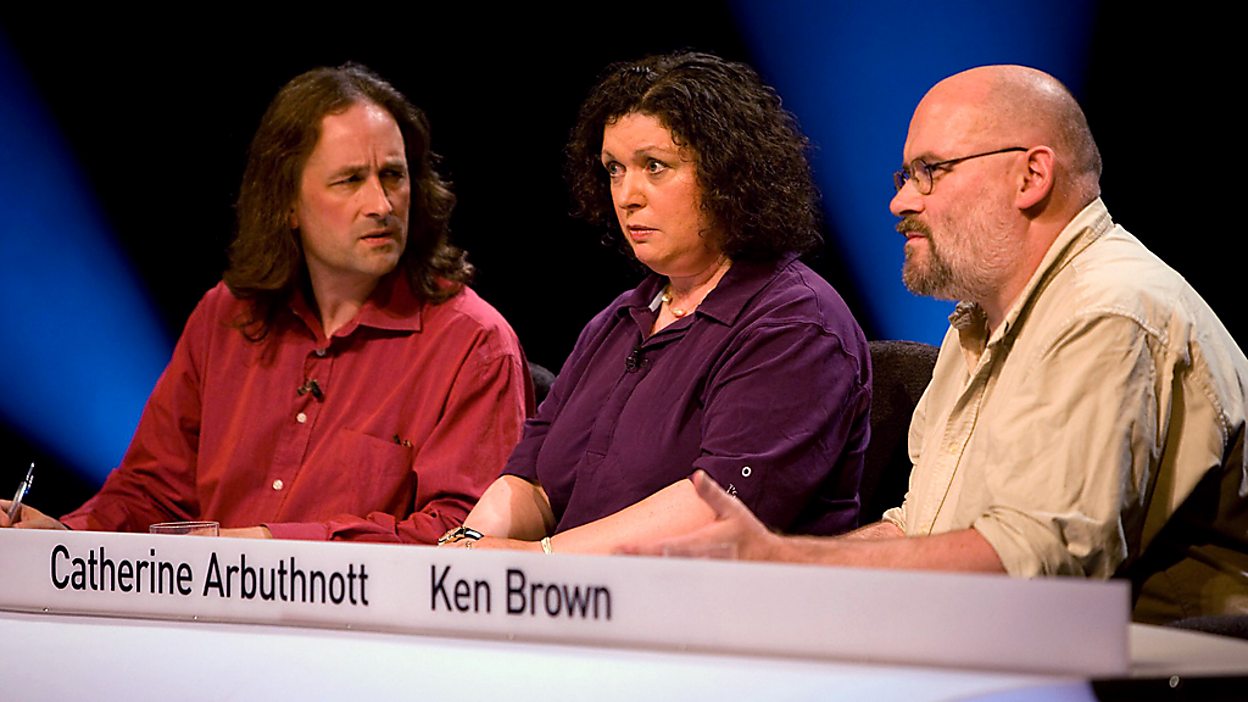
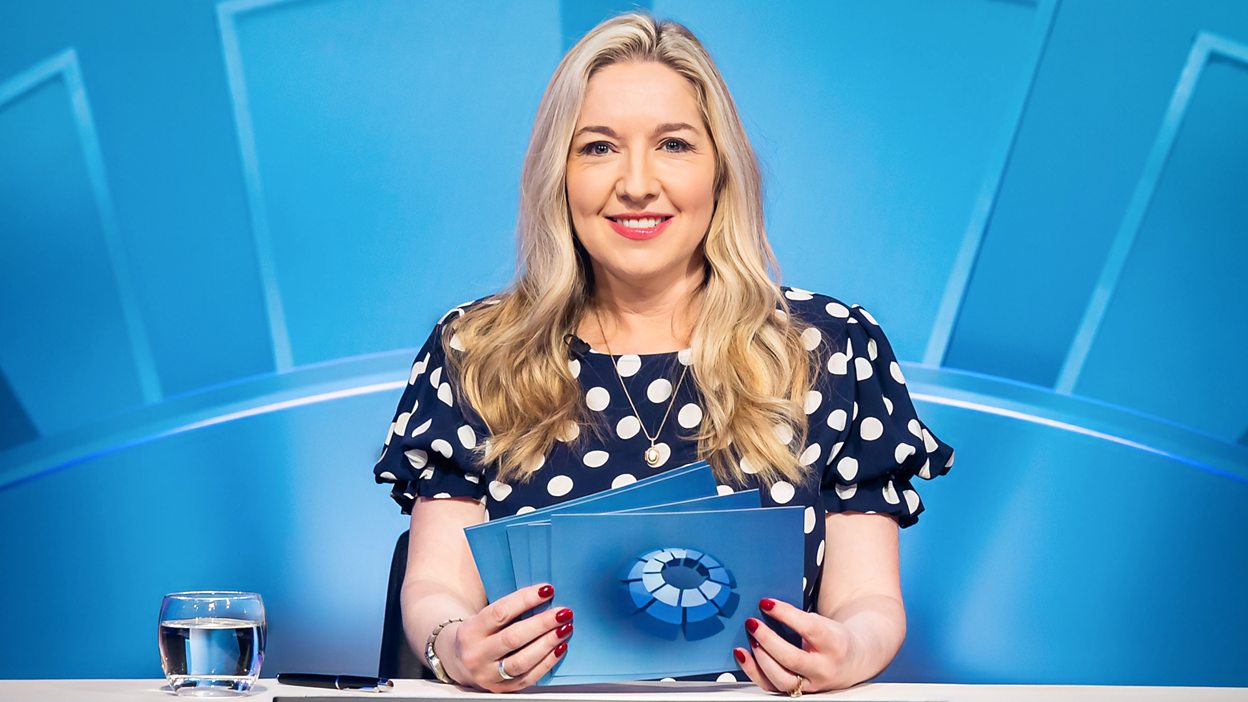
Presented by Victoria Coren Mitchell and first broadcast all the way back in 2008, Only Connect takes TV quizzing to the next level, as it sees two teams compete against each other by finding connections between seemingly unrelated clues.
In this quiz show – which viewers have dubbed one of the most challenging there is – knowledge only takes you so far, as the ability to think laterally is also deemed ‘vitally important’.
A casting call for the upcoming 2027 series has been shared on the BBC website, with people from Greater Manchester encouraged to apply.
Mancs wanted to take part in a new series of the ‘hardest quiz show on TV’ / Credit: BBC
The casting call reads: “The popular BBC Two quiz show presented by Victoria Coren Mitchell returns for a new series in 2027.
“Only Connect is seeking teams of three players OR single applicants or teams of two looking for like-minded teammates to pool their combined wits to solve fiendish conundrums and vexing puzzles.
“This is the quiz series where, as in life itself, knowledge will only take you so far: patience and lateral thinking are also vital. It’s all about making connections between things which may appear, at first glance, not to be connected at all.”
Reckon you’ve got what it takes then? Applications are now open, and all applicants must be aged 18 or over and a resident in the UK or Channel Islands.
Massive student night returns to Trafford Centre next month with up to 50% off on big brands
Emily Sergeant
Students can get themselves up to 50% off on food, activities, and loads of big-name brands at the Trafford Centre next month.
With thousands of new and returning students starting to arrive for the new academic year at Greater Manchester‘s universities, one of the region’s biggest student nights will be making a long-awaited comeback for one night only next month – and there’ll be loads of exclusive offers and free entertainment to make the most of across the evening.
Taking over the Trafford Centre in early October, the popular one-off student night is happening in partnership with Student Beans, and gives cash-strapped students the chance to shop a variety of incredible discounts all under one roof.
Just some of the big brands offering big discounts include 25% off at Levi’s and Boux Avenue, 20% off at Gymshark, Hollister and Abercrombie & Fitch, and 15% off at KIKO, Rituals, and Sephora.
It’s not just retail brands you’ll be able to save some pennies on either, as many of the Trafford Centre’s restaurants and cafes will also be offering discounts and freebies on the night too.
Alongside the offers, students can expect plenty of live entertainment and in-store experiences throughout the evening, including a DJ set and drinks at Calvin Klein, in-store fitness challenges and at Gymshark, an exclusive piercing event at Lovisa, and a Beauty Hub takeover at Sephora.
There’ll also be ‘spin-to-win’ opportunities at places like schuh, River Island, and YO! Sushi.
Massive student night returns to Trafford Centre next month with up to 50% off on big brands / Credit: Supplied
“Student Night is one of the highlights of our autumn calendar, and we’re excited to welcome students for an evening of brilliant offers and feel-good experiences,” explained Simon Layton, who is the Centre Director at the Trafford Centre.
“Whether they are updating their wardrobe, stocking up on beauty favourites, grabbing a bite to eat or enjoying the atmosphere with friends, there is plenty to discover across the centre.
“With simple transport links from Manchester city centre and across the region, Trafford Centre is the perfect place for a student night out.”
The Trafford Centre’s Student Night is happening on Thursday 1 October from 6-10pm, and students can now reserve themselves a spot by registering online HERE.

 Emily Sergeant -
17th February 2022
Emily Sergeant -
17th February 2022