Did you know that a new biopic about a real-life millionaire from Burnley has surprisingly shot to the top of the Netflix charts?
It’s probably not what you’d expect, but in what has proved to be an unlikely smash-hit success for the streaming service, Netflix’s newest original film, Bank of Dave, has become the number one movie on the platform, beating out some genuine heavy-hitting features.
And people are absolutely loving it.

Bank of Dave is now available to stream on Netflix / Credit: Netflix UK & Ireland
Based on the true-life experiences of Dave Fishwick, Bank of Dave tells the story of how a working class man from Burnley became a self-made millionaire and fought to set up a community bank, so that he could help the local businesses of his beloved town not only survive in the aftermath of the 2008 financial crisis, but also thrive.
Starring BAFTA-nominated actor Rory Kinnear as the title character, in his bid to help his beloved community of Burnley, Dave has to take on the elitist financial institutions of London and fight to receive the first new banking license to be issued in over 100 years.

ADVERTISEMENT
The film also stars / Credit: Netflix UK & Ireland
Alongside Kinnear stars Stockport-born Bridgerton star Phoebe Dynevor as feisty local doctor Alexandra, and Joel Fry – who audiences may know for his roles in Yesterday, and 2021 live action Disney remake Cruella – as young London lawyer named Hugh who is hired by Dave to fight his case against the British banking system.
Legendary British actor Hugh Bonneville also stars in the film, and there’s even an unexpected cameo from rock band Def Leppard.
ADVERTISEMENT
As you can probably tell by the synopsis, Bank of Dave isn’t quite the film you’d imagine to have captured the hearts of audiences nationwide as much as it has.

/ Credit: Netflix UK & Ireland
But in the first week since its release, the movie has been watched millions of times and has already become on of the feel-good success of the year so far.
People who’ve had the chance to see it have been taking to social media to share how much they love the film.
ADVERTISEMENT
Fans are also encouraging others to give it a watch too.
Living in East Lancs we're known for poverty, football & our dodgy history with witches but how brilliant to see the real warmth of #Burnley in @netflix hit @BankofDave. It tells the story of @FishwickDavid taking on the establishment & is guaranteed to warm the❤️on a cold night
#BankofDave is a brilliant watch on @NetflixUK. Well worth a couple of hours of your time. Amazing true story and credit to everyone involved. Great example of community spirit and community power. @FishwickDavid
We’ve just finished watching #TheBankOfDave on @netflix – what a fabulous feel good film for a Friday night. Inspirational and truly beautiful – so happy for @BankofDave and all the residents of Burnley.
One enthusiastic fan wrote on Twitter: “Just watched Bank of Dave on Netflix. Fantastic. Brilliant. Feel-good film, and paints burnley for what it is – a reyt grand place.”
Another fan said on Twitter: “The Bank of Dave on Netflix is the feel good film of the year. A film about community has never been so timely. Every government minister should watch it,” while a third added: “I need a Bank Of Dave sequel immediately.
“One of THE most beautiful, heartfelt, poignant, magical and amazing films I’ve ever seen. I adore it. To everyone involved, thank you. Oh and thanks to the credits, I just found out it’s a TRUE STORY.”
Bank of Dave is now available to stream on Netflix.
Tesco officially unveils Christmas Meal Deal menu for 2026 and confirms launch date
Emily Sergeant
Tesco has officially unveiled its Christmas Meal Deal menu for 2026, and has revealed when it’ll be arriving in stores.
Spooky season may not have even arrived yet, but it won’t be long before the most wonderful time of the year is here and most of the UK’s major supermarkets have already started stocking their shelves with Christmas food, drink, and gifts galore.
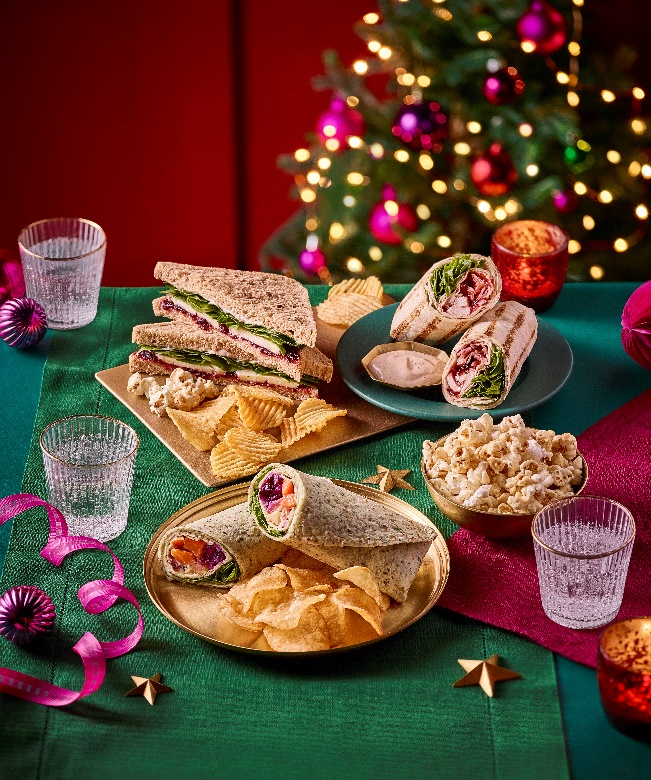
Tesco has now unveiled all the sandwiches and snacks forming part of its iconic lunchtime meal deal selection.
10 new seasonal mains and sides have been launched this year, as well as some classics and returning fan favourites too.
The retailer says its food on-the-go experts have worked hard to bring a variety of festive flavours and great-quality ingredients together this year, with something on offer to cater to all tastes and preferences.
Tesco officially unveils Christmas Meal Deal menu for 2026 / Credit: Tesco
Available in stores and online from next week, with Tesco Clubcard members paying just £3.80 or £5.50 to upgrade to a Premium Meal Deal, some of the all-new main options you can choose from in 2026’s festive lineup include the Fully Loaded Chicken, Stuffing, Braised Red Cabbage & Cranberry Sauce Sandwich, the Christmas Triple Sandwich, and the Pork Meatball Wrap with smoky sage and onion mayonnaise.
Other returning favourites include the Brie and Cranberry Sandwich, the Currywurst Sausage Sub, and the absolute classic Turkey & Trimmings Sandwich.
For veggies and vegans, there’s a new Tesco Plant Chef Christmas Veg Fest Wrap, and for those who follow a gluten free diet, you can grab the Gluten Free Festive Chicken & Trimmings sandwich.
When it comes to snacks to accompany those mains, the festive Mini Pork Pies and Pig in Blanket Sausage Rolls are returning to the lineup this year, alongside some new additions like the Pretzels with Salted Caramel Soft Cheese Dip, and Mini Cheese Twists.
The 2026 Tesco Christmas Meal Deal range will be in stores across the UK from Monday 12 October, and there’s thousands of combinations to try.
Featured Image – Tesco
Trending
Manchester has been named one of the most ‘affordable’ cities in the UK – this is why
Emily Sergeant
A list of the top 10 most affordable cities in the UK has been revealed, and Manchester has made the cut for one very specific reason.
On a bit of a budget? Aren’t we all.
The cost of living crisis has been raging on for quite a few years now, and unfortunately, despite how much we all wish for it to, it doesn’t appear to be slowing down – with prices for everyday items, especially typical fridge and cupboard stables, shooting up by the day, even though supermarkets are showing efforts to prevent it.
And it’s the noticeable price increases in groceries that led delivery insurance provider, Street Cover, to uncover which UK cities don’t strain your food shopping budgets too much just yet.
As it was found that food and non-alcoholic drinks inflation reached 1.3% this past summer, a new study has revealed that Sheffield is officially the most affordable city in the UK, with several other northern locations on the list.
Manchester has been named one of the most ‘affordable’ cities in the UK / Credit: MCC | Aldi
The study compared the 2026 Grocery Index for the largest UK cities with the UK average, as well as available 2025 Grocery Indices, to track the changes in food affordability.
The cities are ranked by the index difference from the national average – which is 67.3 – but the report also uses direct monetary values for a grocery basket to provide some additional context too.
Manchester took sixth place on the list, with an average grocery basket price of £23.08, while some of the other northern cities in the top 10, besides Sheffield at number one, include Liverpool, Leeds, and Newcastle.
Top 10 Most Affordable UK Cities For Groceries
Sheffield
Milton Keynes
Liverpool
Reading
Newcastle
Manchester
Leeds
Bristol
Cardiff
Southampton
As the only other North West city in the top 10, Liverpool may have come in third place overall, but the study found that the grocery bill here is the smallest in terms of actual monetary numbers – with it setting shoppers back £22.08 for a regular supermarket basket, which is a whole £1 cheaper than in Manchester.
“Data shows households in the North East of England have the lowest average food spend in the country, around 11% below the UK average, while Yorkshire sits 6.6% below,” Al Taylor, who is the Head of Street Cover, commented on the study’s findings.
“Sheffield’s position at the top reflects lower property costs for retailers, less competition from premium chains, and a supermarket landscape dominated by value-led options.
“The practical implication for household budgets is significant – the difference between budget and premium shopping can easily be £1,000 or more per year for a family, which can be spent on other things or saved for future plans.”