Smash-hit BBC series Waterloo Road is returning to our screens this week.
Set in a comprehensive school of the same name, Waterloo Road originally aired from 2006 to 2015, and was one of the UK’s longest-running TV contemporary dramas that spawned plenty of award-winning and highly-publicised storylines, drew in millions of viewers each week, and amassed a cult-following of fans.
The show was famously set and filmed in Rochdale from series one until the end of series seven, when it moved in Scotland, but production returned to Greater Manchester for the revival.
The show’s original run is also known for launching the careers of many young and emerging actors, some of who fans will notice have reprised their roles in the new series, while a handful of others have gone on to hit the big time in recent years.
Here’s eight stars who got their start on Waterloo Road.
ADVERTISEMENT
___
Phoebe Dynevor & Regé-Jean Page
Siobhan Mailey & Guy Braxton
ADVERTISEMENT
Phoebe Dynevor & Regé-Jean Page / Credit: BBC
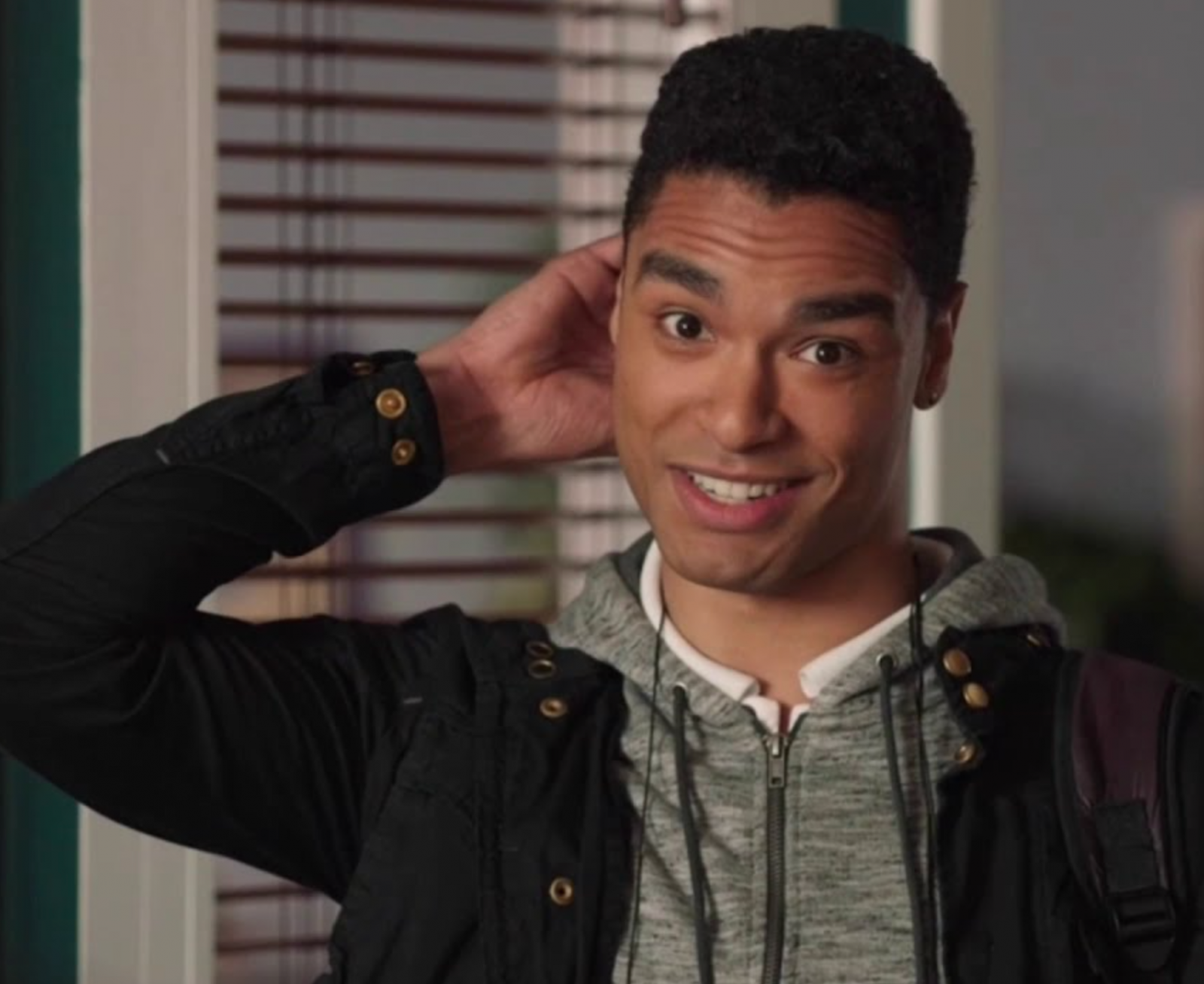
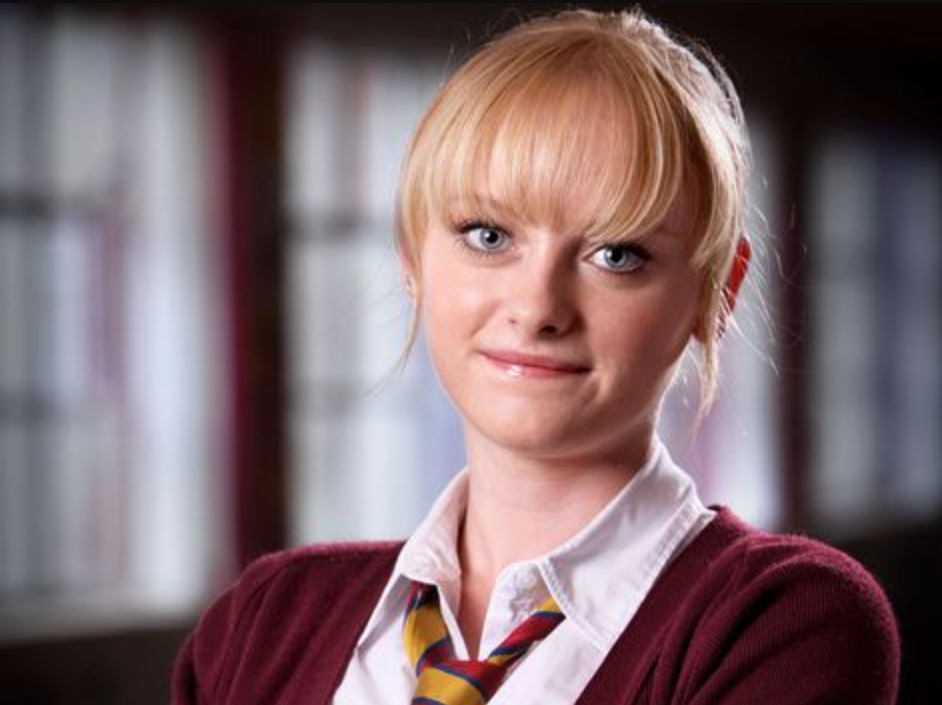
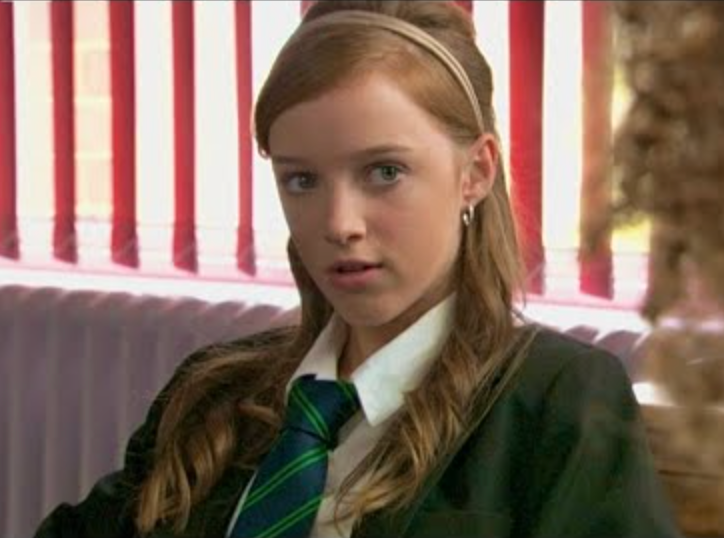
Did you know that before Phoebe Dynevor and Regé-Jean Page went on to enchant audiences and gain critical acclaim as Daphne and The Duke on the smash-hit Netflix series Bridgerton in 2020, the pair got their start on Waterloo Road?
Trafford-born Dynevor – who also has a famous Manc mum – starred as Siobhan Mailey for 20 episodes between 2009-2010 when she was 14-years-old, and Page played Guy Braxton for eight episodes back in 2015.
While they did not share the screen at the same time, it’s still a coincidence that they had roles in the same show before Bridgerton fame came calling.
ADVERTISEMENT
Jenna Coleman
Lindsay James
Jenna Coleman / Credit: BBC
This one’s probably not as much of a surprise to fans of the long-running BBC show.
But before Blackpool-born Jenna Coleman went on to star as Matt Smith’s assistant Clara Oswald in Doctor Who between 2012-2017, and as the title role of Queen Victoria in the ITV drama Victoria between 2016-2019, she made her name on Waterloo Road.
Coleman played the recurring role of “hard girl” Lindsay James on the show in 2009 – with her character most notable for being at the centre of the gang war storyline between Waterloo Road and a local private school.
Adam Thomas
Donte Charles
ADVERTISEMENT
Adam Thomas / Credit: BBC
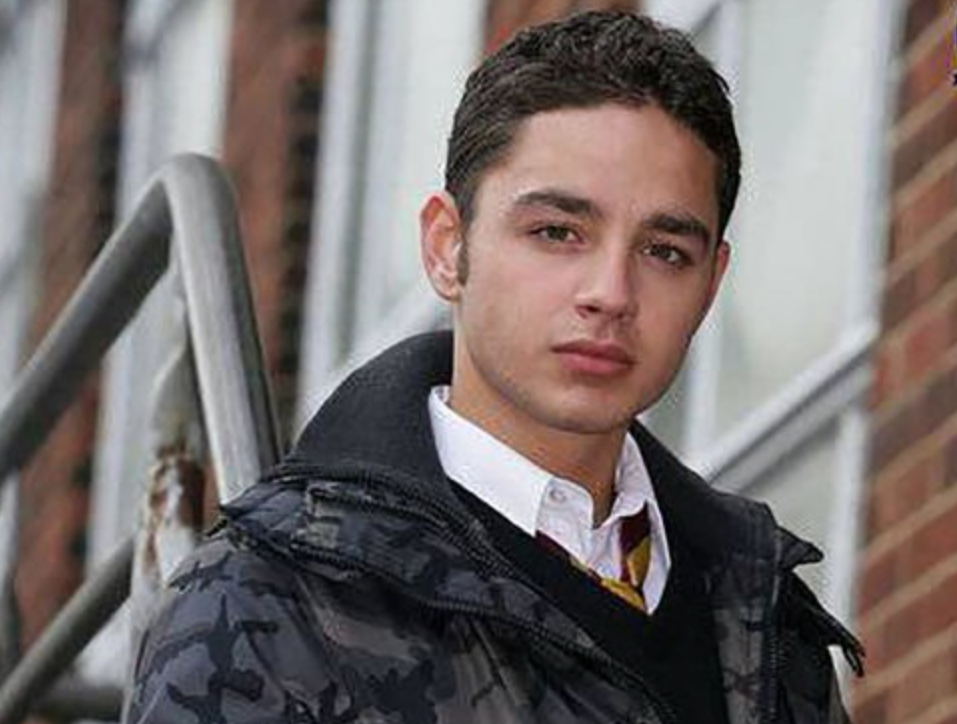
While Manchester-born actor Adam Thomas may be best-known for his starring role in the ITV soap Emmerdale between 2009-2018, his stint on the reality competition I’m A Celebrity… Get Me Out Of Here! back in 2016, let’s not forget he cemented his place on the screen by starring in Waterloo Road.
Thomas played the memorable role of original cast member Donte Charles, and was a series regular appearing in 50 episodes between 2006-2009.
Donte Charles was undoubtedly Thomas’ breakthrough role – and it’s a role he has reprised.
Lucien Laviscount
Jonah Kirby
Lucien Laviscount / Credit: BBC
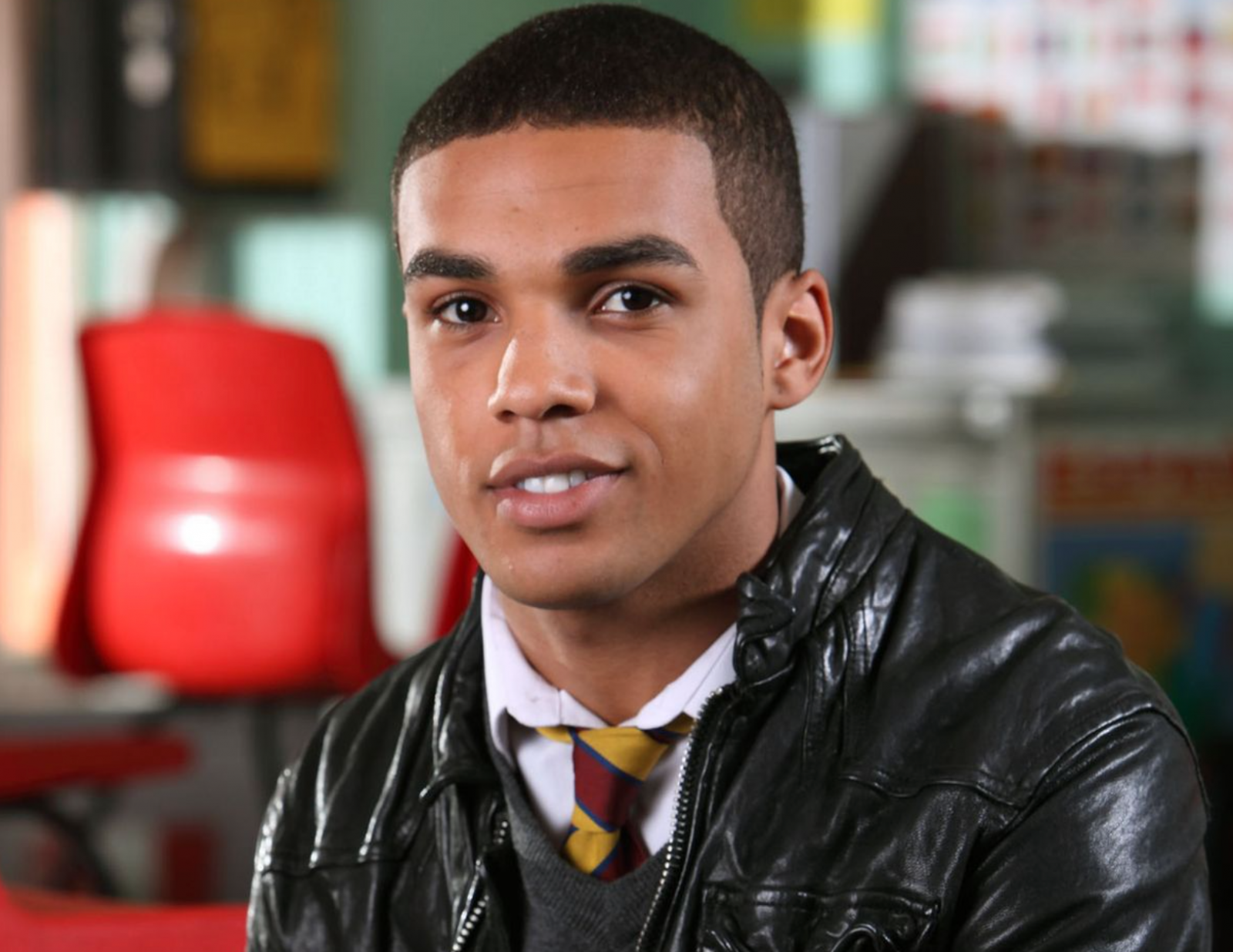
Burnely-born actor Lucien Laviscount had already become known to audiences through his roles on the children’s drama series Grange Hill between 2007-2008, and on the iconic Manchester-based soap Coronation Street in 2009, prior to starring in Waterloo Road between 2010-2011 – but his character Jonah Kirby is one fans remember for the controversial student-teacher relationship storyline that ended in pregnancy and a runaway marriage.
ADVERTISEMENT
Laviscount later went on to compete in Celebrity Big Brother in 2011, and star in and make appearances on a range of TV shows such as Snatch, Skins, Episodes, Shameless, and US series’ Supernatural, Scream Queens, and Katy Keene.
He’s currently starring in Netflix smash-hit series Emily in Paris.
Tom Payne
Bret Aspinall
Tom Payne / Credit: BBC
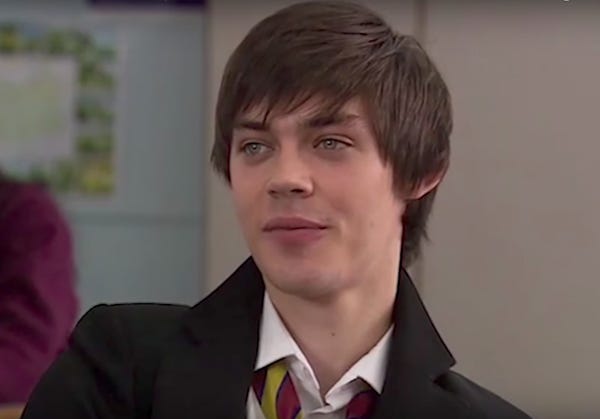
Essex-born actor Tom Payne famously played the recurring role of sixth-former Brett Aspinall on Waterloo Road for 32 episodes from 2007 to 2008.
But after making his name and departing from the long-running BBC show, he joined the main cast of US zombie drama The Walking Dead as Paul “Jesus” Rovia from 2016-19, before playing Malcolm in crime drama Prodigal Son.
ADVERTISEMENT
Katie McGlynn
Jodie “Scout” Allen
Katie McGlynn / Credit: BBC
Rochdale-born actress Katie McGlynn made a name for herself after donning the sparkles as a contestant on BBC’s Strictly Come Dancing, and is mostly recognised for starring as series regular Sinead Tinker on Coronation Street between 2013-2020, but she first became known for her role as Jodie “Scout” Allen on Waterloo Road from 2011-2013.
She also had roles in The Syndicate, and most-recently Hollyoaks.
Jack O’Connell
Dale Baxter

Jack O’Connell / Credit: BBC
Jack O’Connell was most-known to TV audiences for his role as the larger-than-life, fan-favourite character of Cook in the second generation of E4 teen drama Skins between 2009-2013, and for his role in the cult-classic 2006 film This Is England, before going on to star in a range of critically-acclaimed films and series’ and Hollywood blockbusters in recent years.
ADVERTISEMENT
Before all of that though, he played the role of Dale Baxter in a single episode of Waterloo Road in 2007.
Matty Healy may be the son of northern actors Tim Healy and Denise Welch, and is of course most-known for entertaining crowds as the frontman of Manchester-based indie pop rock band The 1975 – who have garnered critical acclaim, several chart-topping albums, multiple awards, and a worldwide fan base since hitting the mainstream back in 2012 – but he’s even been spotted as making a couple of appearances as an extra in earlier series’ of Waterloo Road.
The reason for his role as an extra on the BBC drama is likely due to his mum starring as long-standing French teacher Steph Haydock on the show for six series between 2006-2010.
Featured Image – BBC

Trending
Kahiki Soundhouse – the new Mint Lounge site is living up to the old name and its live music legacy
Danny Jones
If you went out in town back in the day (pretty much any time from the late 90s to the 2010s), or indeed have sampled a Funkdemia over the past couple of decades, chances are you tried or at least heard of Mint Lounge – but did you know it’s been replaced by a new kid on the block, Kahiki?
Kahiki Soundhouse, to give it its full name, is the new live music venue bar that has opened up the old basement space on Oldham Street in the Northern Quarter.
In truth, it’s now more of a classic lounge than ever before.
The large open-plan floor, which used to be filled with people standing/two-stepping inside a fairly barebones club room with no air conditioning, has now been traded up for a stylish space lined with plush padded seats, classy low-lit tables perfect to share a glass or two over, and lots of new features.
Perhaps the biggest change is that the old soundbooth/stage area that used to be way at the back has now been swapped for a central 360° podium that changes up each night.
It really is the star of the all-week-round Kahiki show, if you ask us.
This also means that no matter where you are in the main venue (there are other rooms, but we’ll get to that), be it tucked in a booth to the side, at the bar, or even ‘behind’ whoever’s playing, you’ll have a virtually unobstructed view of what’s happening from noon until night.
Seriously, thanks to their already jam-packed schedule, the reviews aren’t just off to a great start only a few days in, but people have been turning up in the early evening and staying well into the early hours of the next day.
They’ve got duelling pianos, live bandaoke, acoustic nights and straightforward DJ sets for those who still fancy a taste of the previous vibe.
Kahiki’s maiden Manchester city centre venue definitely harks back to the good times had in the Mint Lounge days, but the team, who possess decades of experience between them, have combined a retro feel almost more akin to 1960s speakeasies, cocktails and evening venues.
It’s no secret that clubbing and the UK nightlife scene have changed quite a bit since the pandemic, but these guys look to have found that perfect blend of more relaxed seating, along with plenty of room to get up and boogie; there’s even a raised mini-stage/dance cage for your main character moments.
Better still, if you do want something a little bit away from the crowds of punters that are continuing to make this one of the liveliest new additions to NQ, they also have adjustable karaoke rooms where bi-folding doors can make room for up to 50 of you and your lot to party in privacy.
Let’s just say the spirit of the Lounge is alive and well in the Soundhouse.
Just one corner of KahikiYour podium awaitsOne of the smaller karaoke rooms
‘We were so lucky to have it’ – Has Manchester’s hospo scene reached a dangerous tipping point?
Danny Jones
Greater Manchester’s hospitality sector is calling for change and better support, both for the local community and the UK government, following the latest raft of closures.
Various well-known independent businesses have closed in the first quarter of 2026 across the city centre, let alone the numerous others across the ten boroughs over the past year or so.
In truth, this worrying trend has been going on for much longer than the last 12 months, and it seems that it’s not just new openings that are most at risk of closing before they can even get going, but now well-established regional institutions are struggling to stay afloat.
Case in point, our oldest Turkish restaurant – which had been serving central Manchester for nearly half a century – Topkapi Palace, has now closed seemingly for good.
A recent addition to the city centre itself, French-Vietnamese cafe and restaurant Doux Chaton wrote on social media: “This is genuinely so sad to see. Topkapi Palace is part of Manchester’s fabric. Running an independent spot is no joke — it takes everything.
“If we keep letting places like this go, we lose more than food; we lose culture, history, identity. Please support your local independents where you can. It matters more than ever – our representatives need to support our community not only regionally but nationally.”
They went on to tag the likes of Mayor Andy Burnham, Chancellor Rachel Reeves and others to call for crucial intervention sooner rather than later.
For some, it’s unfortunately already too late.
Currently, their Stockport in Hazel Grove looks to be remaining open, but we’ve seen this story before; Almost Famous, Seven Brothers, Greens, and SO many others have sadly had to shut up most, if not all, of their locations.
As of this May, we’ve already had to say goodbye to the likes of Topkapi, KAJI, Climat and House of Fu; Project Halcyon, Örme, the long-standing TNQ, the first-ever Northern Simmons site, a branch of Banyan, just to name an unlucky few.
This is just heartbreaking. We can’t carry on with either this PM or Chancellor. Both need stepping to one side and allowing others mop up their disaster of a tenure.
And that’s just the ones that shut down in the first few months of this calendar year; 2025 was a gut-wrenching year for the food and drink industry, with indies all over the region and beyond having to fight tooth and nail to stay open for even just a few days of weekly trade.
Almost just as concerning has been some of the behaviour by some patrons, even here in our own city.
From more than one or two reports of people walking out on their bills, people even nicking the most petty stuff, such as decorations and bar’s cushions, to a troubling number of no-shows that don’t just mean one less reservation – it can mean the next person missing out on a seat and people losing money.
Another nearby native commented: “I honestly think Manchester is on a tipping point for many people – what was ‘old’ Manchester, which many of us loved, is being slowly erased by the new. People here are saying basically ‘use it or lose it’.
“Fair enough, but there’s very little spare money about, and I hear lots of people saying they don’t go into town for the day to spend that money shopping and for a meal or treat-day because they don’t ‘recognise the place’.”
They go on to add: “Most importantly, they often say they don’t like Manchester now. The towers that are shoved in places where you could see daylight and there was space to walk and breathe are overwhelming.
“I’m not being reactionary – I love New Islington and Cutting Room Square, etc., but NQ has lost its grit, and I find Deansgate really soulless and depressing when once I used to go out every night after work for drinks, and go in every month with the family on a Saturday for culture, shop and a meal.
“No more. Love Manchester, but I’m not in love with it anymore. Topkapi was great once, and it’s sad it’s gone.” A passionate appeal, indeed.
It goes without saying that rising energy bills, untenable business rates, rent, and a general cost of living crisis mean that people simply don’t have enough money to go out for tea, treat themselves to a drink in a nice bar, or even just go to the pub as often as they once did.
We’re by no means experts, but it’s easy for all to see that something needs to be done and fast, as we’d like to avoid seeing any more of our hard-working Manc favourites falling by the wayside and joining the list of those that we’re still mourning to this day.