A bathroom is a private place, we know that, but we’re not going to lie and pretend there isn’t a part of us that’s curious to know if our habits are like everyone else’s, so when we came across this stat about how many men prefer having a sit-down wee to standing up, we thought it was worth sharing.
For those fortunate to have male genitalia, we have the luxury of not only being able to wee standing up but to even when we do so and, apparently, quite a lot of men prefer to take a seat before they tinkle.
As per a recent YouGov poll pulling people’s peeing data from around the world, there are a lot of blokes that often enjoy a sit-down wee, with some of the 13 countries surveyed more fond of it than others.
According to the stats, it is estimated that 62% of Germans regularly sit down to urinate — 40% of which do so every single time they visit the toilet. Very interesting indeed.
How often do men sit down to pee? British men are among the least likely to do so
Sweden, Denmark, Canada and Australia were all fairly fond of a sit-down wee, with anywhere between 16-50% doing it every time and 14-28% doing so most times. It’s quite a sizable chunk of the male global population when you look at it.
ADVERTISEMENT
As for us Brits, however, we were some of the least likely to take a pew while having a p*** — the least common in Europe, actually, with just 24% admitting that they do so either sometimes or always.
There was also a significant age element that factored into the research too, with the numbers obviously fluctuating from country to country.
ADVERTISEMENT
For instance, while a total of 76% of over 55s in Germany made up the bulk of routine or at least regular sit-down urinaters, the majority (405) of Britain’s over 55s said they simply never have a sit-down wee.
In fact, in total, the UK was the nation where those most people said they’re never even tempted to sit down for one. However, if some of the latest research is to be believed, perhaps they should…
Yes, that’s right, some people believe that the reason some men prefer a sit-down wee is because it’s actually somewhat beneficial for you (and no, not just because you don’t have to worry about your aim).
ADVERTISEMENT
Associate Clinical Professor at the UCLA Department of Urology, Dr Jesse N. Mills, told Thrillist back in 2016 that “sitting down is a better option for men with prostate conditions or men who just can’t stand up for a long time” and actually helps empty your bladder.
“A lot of guys sit to pee if they can’t fully evacuate their bladder. When you sit down, you can use your abdominal muscles more, and you get your last few squirts out and feel like you’ve emptied better.”
Andy Burnham introduces new rules to tackle ‘rip-off’ parking charges
Daisy Jackson
City centre parking is at a premium, especially in a city like Manchester – but we’ve surely all made honest mistakes when paying and been slapped with eye-watering fines as a result.
Well now, Andy Burnham has announced a new Private Parking Code of Practice, which will clamp down on ‘rip-off’ private parking charges.
It will also make it easier for drivers to challenge unfair charges, capping charges for ‘smaller slip-ups’ at £20, and scrapping charges altogether on appeal for ‘honest mistakes’.
The new Code will get drivers a guaranteed five minutes to decide whether to park and 10 minutes to leave once their session ends.
Under the new Private Parking Code of Practice laid in Parliament today, you’ll be able to appeal to have all charges scrapped for honest mistakes like stopping briefly to check directions, and for situations like a medical emergency, breakdown or broken ticket machine.
Then charges will be capped at £20 for other mistakes such as forgetting a parking permit, entering the wrong vehicle’s registration or forgetting to confirm it in the machine when parking.
The Code also freezes the maximum parking charge at £100. Operators who don’t comply risk losing access to DVLA data, meaning that even if they issue a charge, it will be far more difficult to identify the registered owner to pursue payment.
Data shows just under 17 million private parking charges were issued in the UK last year alone.
Prime Minister Andy Burnham said: “Being a few minutes late back to your car or typing one digit of your numberplate wrong shouldn’t end with a hefty fine landing on your doormat.
“These charges leave people feeling ripped off and out of pocket, so I’m putting a stop to them.
Andy Burnham introduces new rules to tackle ‘rip-off’ parking charges. Credit: Unsplash, Samuel Isaacs
“We are introducing clearer rules, longer grace periods and lower charges for genuine mistakes, while going after the deliberate scams that rip drivers off.”
Secretary of State for Housing, Communities and Local Government Angela Rayner said: “Parking should be straightforward, not another everyday hassle. These changes mean drivers get a fairer deal, protected time to park and leave without fear of being unfairly charged, and confidence that private parking providers are held to a higher standard.
“It’s yet another step forward in this government’s plan to take the stress out of everyday life and ease the pressure on people’s pockets.”
Minister for Consumer Action, Kate Dearden, said: “Nobody works hard for their money just to be deceived by a dodgy trader, and this is exactly the kind of everyday rip-off this government is going after.
“By making it easier to take action against car clocking, we are protecting consumers’ hard-earned money and supporting businesses that play by the rules.”
A Greater Manchester neighbourhood has been named one of the ‘coolest’ in the UK
Clementine Hall
A neighbourhood in Great Manchester has been crowned one of the coolest in the country – and this time, it’s not Ancoats.
Every year, we wait with bated breath to see which UK neighbourhoods have made the cut in Time Out’s annual ranking of the coolest places in the world.
But, as it turns out, Britain is just so damn cool that we’ve earned a list of our own.
In its latest guide, ’11 Coolest Neighbourhoods in the UK’, Time Out has rounded up the places across the country that are really making a name for themselves.
Images: The Manc
And one neighbourhood here in Greater Manchester has made the cut, and although you’d immediately think of Ancoats that has made its way to similar lists before, this time there’s a newbie on the block.
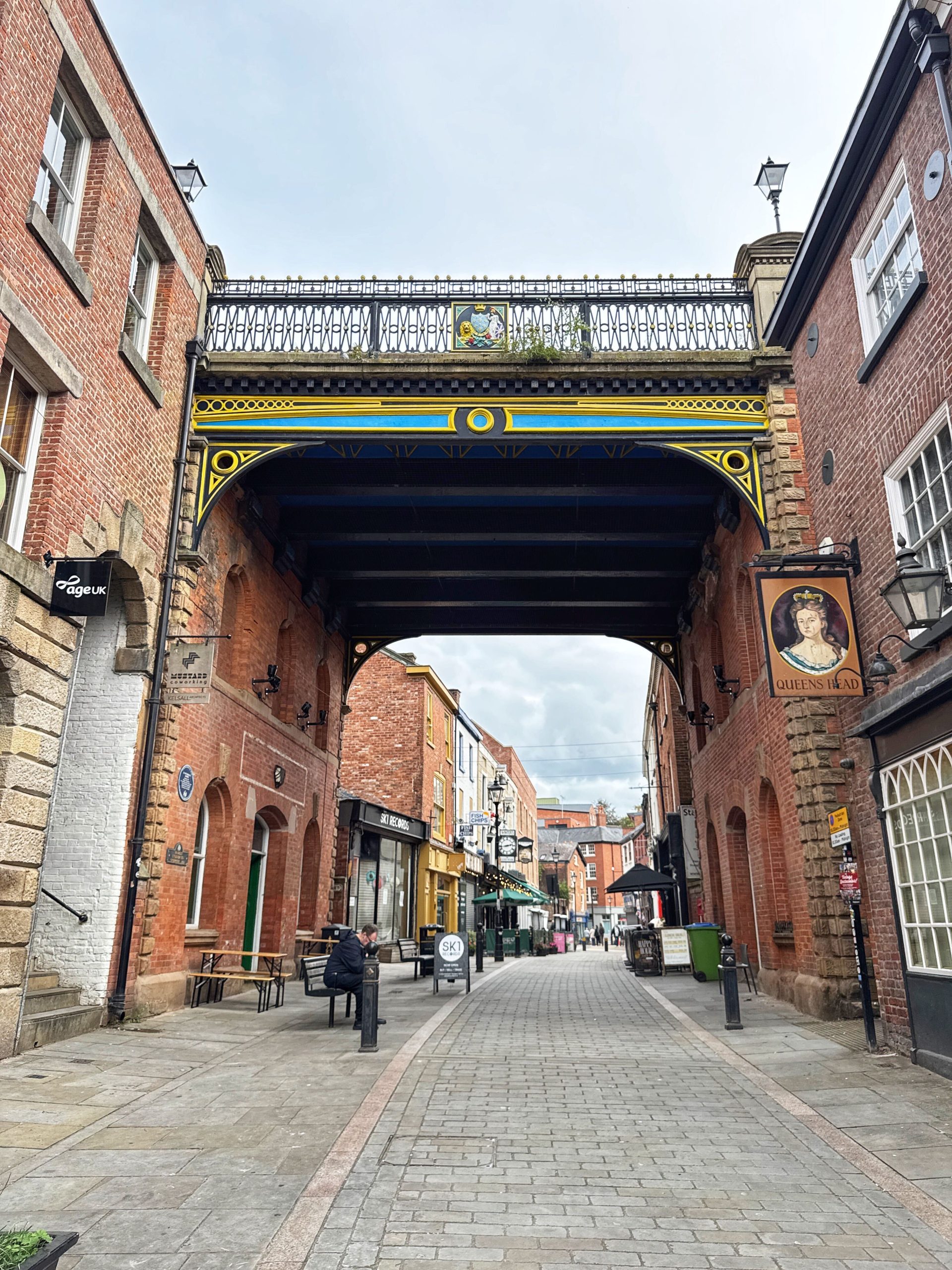
Coming in at a very respectable fourth place, Stockport and the Underbanks received a glowing report in the coveted list.
Images: The Manc
Are we surprised? Not one bit.
We love Stockport for its flourishing food scene, cool community vibe and ever-growing roster of independent businesses – not to mention its brilliant mix of old-school charm and new-school cool.
It’s a place that feels like it’s constantly evolving, without losing the character that made people fall in love with it in the first place. And clearly, Time Out agrees.
Images: The Manc
Kyle MacNeill, contributing writer, said: “If you live anywhere near Manchester, you may have heard this one on the rumour mill: ‘Stockport is The New Berlin’. It’s a gag, alright: the humble market town hasn’t got a club, let alone the most hedonistic nightlife scene in the world. But it is true that SK is rapidly becoming the place-to-move-to for the Second City’s creatives, thanks to cheaper rent and some serious suburban tenacity.
“The Underbanks, a cobbled high street once home to hat-makers and hosiers, has been transformed into a bustling hub of forward-thinking vendors, while various local institutions have embraced Euro-style cafe culture, midcentury decor, sustainable fine-dining, small plates snacking and chic drinking dens. All of which, actually, come to think of it, is very Berlin… “
High praise indeed, you can read the full list of the UK’s coolest neighbourhoods here.

 Danny Jones -
25th May 2023
Danny Jones -
25th May 2023