Waking Watch relief fund to help Manchester residents trapped in unsafe homes
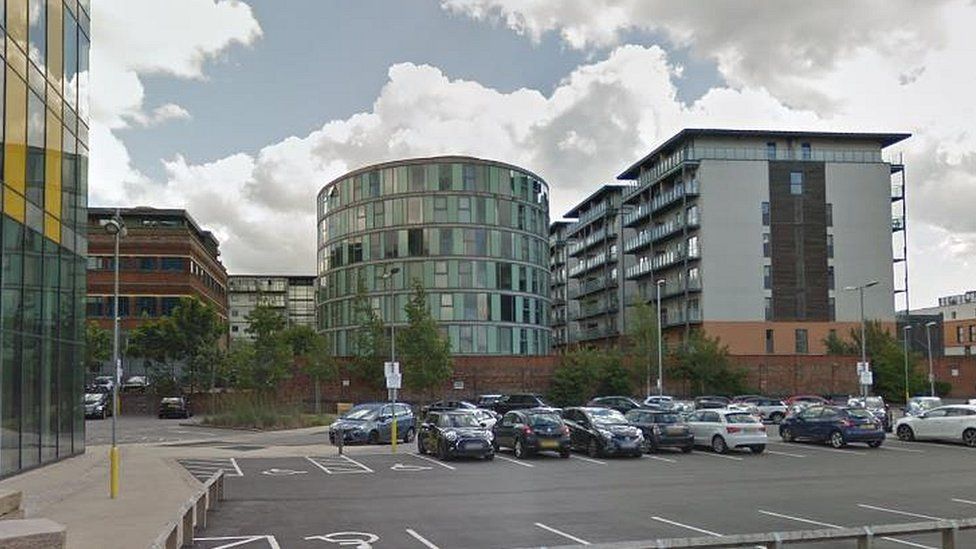
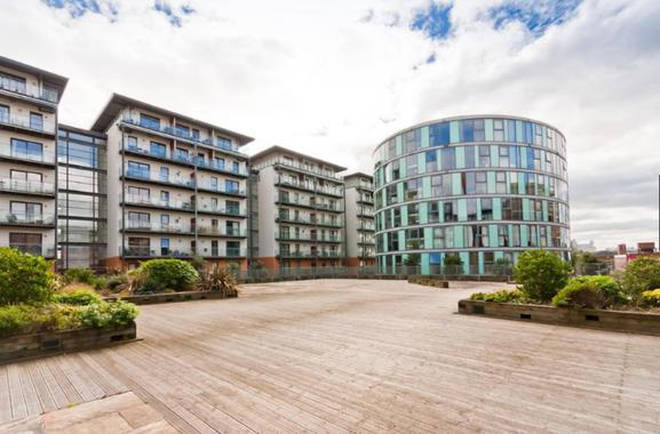
The scale of the cladding problem in Greater Manchester has been described as "huge" - with increasing numbers of buildings being revealed as vulnerable.
Greater Manchester Combined Authority (GMCA) will distribute a £30 million relief fund to local leaseholders living in dangerous buildings.
The money is set to cover the installation of fire alarm systems so that temporary Waking Watch measures – which have involved security patrolling corridors with air horns – can be removed.
The GMCA has taken charge of administering the fund so it can be distributed “as quickly as possible”, although some leaseholders will still be left thousands of pounds in debt.
Building safety legislation changed following the Grenfell disaster in 2017, meaning similar combustible cladding had to be removed from other tower blocks in Britain.
But leaseholders have been slapped with six-figure bills to pay for the repairs themselves – leaving people trapped in unsafe and unsellable homes.
A £1bn support fund proved to be insufficient, and it is estimated that up to 700,000 people are still living in dangerous homes in Britain, with around 1.3 million unable to sell or re-mortgage.
Prime Minister Boris Johnson addressed the cladding issue in parliament earlier this week, stating: “We’re absolutely clear that leaseholders should not have to worry about the cost of fixing historic safety defects that they didn’t cause.”
A plan to offer more support is apparently ongoing, but the delays have meant some homeowners are already thousands of pounds out of pocket.
ADVERTISEMENT
Leanne Kilheeney of the Manchester Cladiators said: “Sadly for us the government’s fund for the Waking Watch fees came too late. We have already paid thousands of pounds each for several months of Waking Watch and new fire alarms. This will not be covered by the fund as no retrospective cases are covered.
“We are worried that this will happen with other government funding too. A huge amount of issues are not covered by the current government funds that people are getting invoiced for now. It may be the case the the government eventually release funds for this – but for many of us it will be too late.”
Mayor of Greater Manchester Andy Burnham acknowledged that whilst the financial support package was a “step in the right direction” to resolve the cladding scandal, far more financial support from central government was required.
“The impact on leaseholders is staggering, with residents fearing a devastating and unfair choice between bankruptcy and long-term loans,” the Mayor stated.
“This is not a party-political issue and we must all work to ensure a solution is found to the building safety crisis, and I look forward to further positive engagement with the Minister.
ADVERTISEMENT
“This issue which affects thousands is not about buildings but about people and I am keen to work with the Government to support all residents of Greater Manchester who are affected.”
Salford City Mayor and Chair of the High Rise Task Force Paul Dennett said the scale of the cladding problem in Greater Manchester was “huge”; with increasing numbers of buildings being revealed as vulnerable.
He stated: “Leaseholders in buildings with serious fire safety failings and those in non-high rise buildings are also burdened by the costs of waking watches because of fire safety issues that they are not responsible for and this is completely unacceptable.
“I urge the Government to commit to making further funding available, and to extend the eligibility requirement so that all affected buildings can apply, not just those over 18 metres or with cladding-related problems.”
Find out more about the Waking Watch Relief Fund here.
News
Council announces return of FREE firework displays in Manchester parks
Emily Sergeant
The skies over Manchester will light up once again, as free firework displays are set to return to several of the city’s parks.
You may remember that major fireworks events throughout the city had been paused following the COVID-19 pandemic, due to funding challenges, with Manchester City Council choosing to invest in a range of other community-focused events across throughout the autumn season instead, rather than one-off firework celebrations.
But now, once this November rolls around, all of that is set to change.
That’s because, on Saturday 7 November, free fireworks events will return to Heaton Park, Wythenshawe Park, and Platt Fields Park.
First up, there will be a reduced-noise, low-impact display at 5pm for families and SEND audiences, and a main fireworks display then to follow a little later at 8pm.
The Council has announced the return of free firework displays in Manchester parks / Credit: Unsplash
Each of the three parks will host lantern making workshops in the weeks leading up to the events too, with family-friendly lantern parades taking place ahead of the 8pm firework shows.
The Council says that the return of the free fireworks events reflects residents’ recent feedback about what they want to see in their community and how they want funding to be distributed.
“It’s a chance, at the start of the shorter days and beginning of the dark winter months, to come together and resume a much-loved annual tradition as well as enjoying an evening of safe entertainment and spectacular fireworks displays,” Manchester City Council said in a statement.
Councillor Basat Sheikh, who is the Executive Member for Neighbourhoods, added: “We are delighted to announce and welcome the return of our much-loved fireworks celebrations.
It’s the first time they’ve returned since the COVID-19 pandemic / Credit: Elisha Terada (via Unsplash)
“Our parks should be shared spaces that create opportunities for Manchester people to gather, which is why bringing back the fireworks displays was top of our agenda. And we also recognise the importance of community which is why we will also continue to invest in a wide range of activities in our parks throughout the year.
“The return of these events is a wonderful opportunity for families and communities to create lasting memories and enjoy the long-standing tradition of fireworks in our parks in a safe way.”
Additional entertainment will be announced for each park in the coming weeks too, so keep your eyes peeled for more.
Featured Image – Alex Jones (via Unsplash)
News
Stockport man admits to drugging and raping his wife without her knowledge for more than 20 years
Emily Sergeant
A man in his 60s from Stockport has admitted drugging and raping his wife in a ‘horrific’ 20-year campaign of abuse.
According to Greater Manchester Police (GMP), the man – who cannot be identified in order to protect the life-long anonymity of the victim – previously admitted five counts of rape, three counts of sexual assault, six counts of assault by penetration, and one count of sharing intimate photos or film.
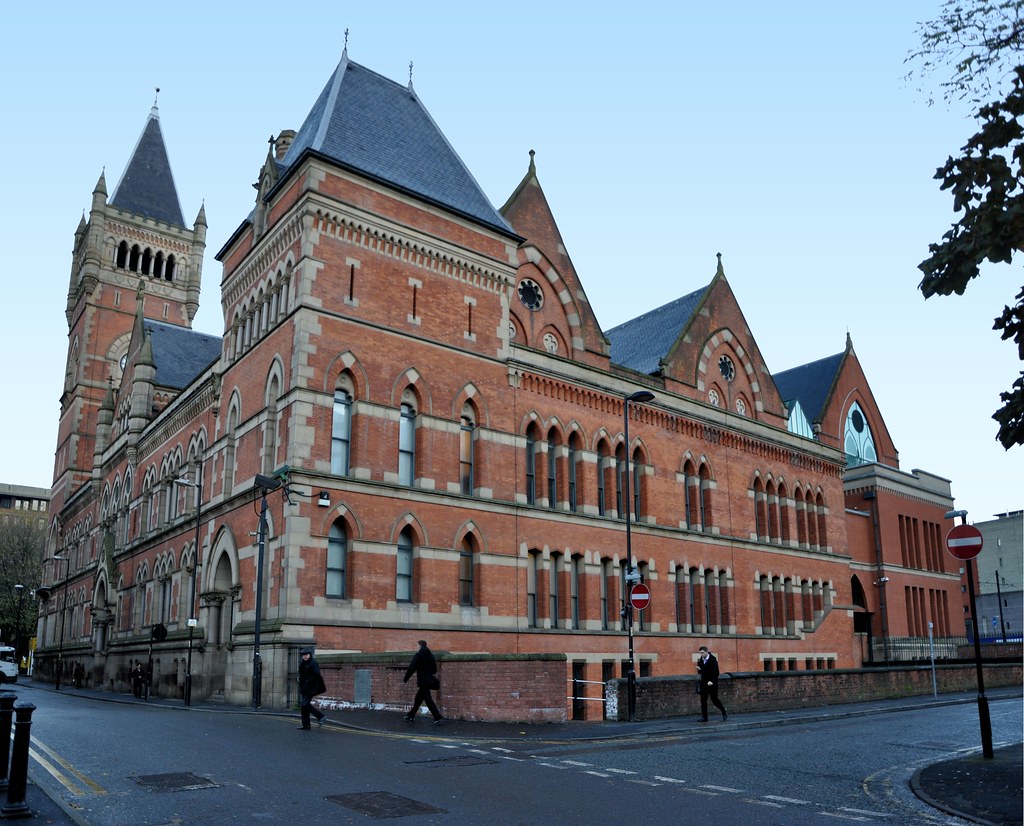
And now, during an appearance at Manchester Minshull Street Crown Court yesterday (14 September), he pleaded guilty to a further 45 charges.
This makes it 60 charges in total the man has now pleaded guilty to.
Some of the charges he pleaded guilty to yesterday include a further 16 counts of rape, nine counts of assault by penetration, seven counts of sexual assault, and four counts of attempted rape, amongst several others.
Speaking following the court appearance yesterday, GMP’s Assistant Chief Constable, Rick Jackson, said: “Our focus remains on supporting the victim of this horrific campaign of abuse through what is a very complex investigation.
“Specialist support continues to be provided to the victim at the centre of this case.
“If you are concerned you or someone you know may be affected by drug-facilitated sexual abuse, please know that you do not need proof, certainty, or a clear memory to be taken seriously.
“You are not expected to understand exactly what has happened or who was involved in order to be taken seriously. If you feel that something has happened, then please report it or ask for help.”
GMP reiterates that anyone who does choose to report sexual abuse does not need a full account or clear memory, can share as much or as little as they feel able, and will be supported by trained officers, as their ‘immediate’ safety and wellbeing will be the ‘priority’.
They may also speak to a support organisation first and decide later whether to involve police.
Saint Mary’s Sexual Assault Referral Centre – Services are available on a 24-hour basis, and can be accessed by calling 0161 276 6515.
Greater Manchester Rape Crisis – Call on 0161 273 4500 or email [email protected]

 The Manc -
5th February 2021
The Manc -
5th February 2021