It’s officially happening – Therme Manchester, the new £250m wellness resort near the Trafford Centre, has been granted planning approval.
With it comes a set of brand new images showing how the luxury facility will look, from its multiple swimming pools to its slides to its multi-sensory saunas.
Therme Manchester will have warm water lagoons, adults-only zones, botanical gardens, urban farms, immersive art, water-based fitness classes, and loads more.
The much-anticipated development is forecast to contribute more than £4.5 billion to the UK economy and provide a huge boost to the local economy and tourism industry.
With work set to begin later this year, we’re looking at 2025 before it officially welcomes its first visitors.
ADVERTISEMENT
Its latest design, which has received approval from Trafford Council, features a pavilion-style concept in a natural landscape.
The artist impressions released today show huge white waved rooftops, with enormous glass windows and skylights.
ADVERTISEMENT
The inner garden, or Garden of Wellness, at Therme Manchester
Inside is an urban oasis where palm trees tower above sunbeds.
And outside, it looks like Therme Manchester will have lush gardens and swimming ponds, and amphitheatre-style seatiManchester’s Science and Industry Museum reveals ‘special’ 40th birthday events lineupng looking over the canal.
Therme Manchester has now also appointed its CEO, Professor David Russell, whose background includes major ventures like the London 2012 Summer Olympics, The Rugby World Cup in Japan 2019 and the $8 billion Expo 2020 in Dubai.
ADVERTISEMENT
An aerial view of Therme Manchester. Credit: Supplied
Russell said: “Therme Manchester will be the UK’s first city-based wellbeing resort. Our ambition is to make a positive difference in millions of people’s lives whilst creating a new wave in urban living.”
James Whittaker, executive director of development at Peel L&P said: “After five years working in partnership with Therme, we are delighted to hear planning permission has been approved for this incredible, high-quality health and wellbeing resort in TraffordCity.
“We’re looking forward to working closely with the whole of the Therme team to deliver something truly unique and iconic in the UK, that is not only world-leading for health and wellbeing, but will also create a significant number of new jobs and have a huge positive economic impact for North West England.”
Therme Manchester as viewed from Bridgewater Canal
Cllr Tom Ross, Leader of Trafford Council, said: “I am very pleased that the planning committee supported this application. This wellbeing resort is a huge £250m leisure development which is the first of its kind in the country and we are delighted it is being built here in Trafford.
“The resort will attract millions of visitors each year and will add significantly to the local economy during construction and once operational. It will also create more than 1,500 person-years of construction jobs and 600 permanent full-time jobs.
ADVERTISEMENT
“The development sits a short walk from the latest Metrolink extension and supports several of our key commitments by improving health and wellbeing, providing connectivity for cyclists and pedestrians, creating a new public realm, and regenerating a vacant brownfield site in a sustainable location.”
EasyJet is paying for passports for newborns to help families take their first holidays
Daisy Jackson
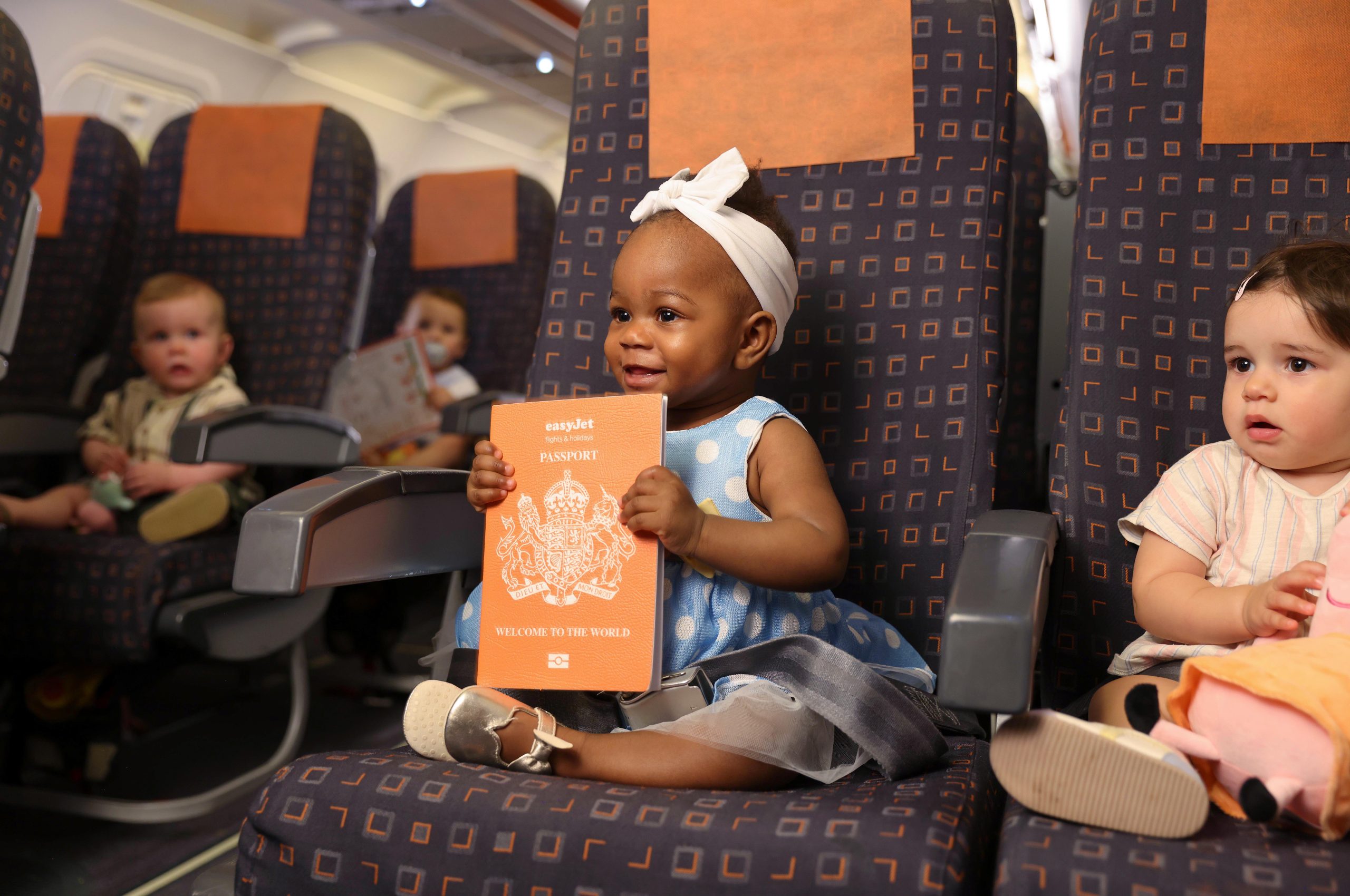
EasyJet has announced a new scheme where the airline will cover the cost of a baby’s first passport, allowing young families to take those memorable first holidays.
The company has announced that it will pay for a child’s passport (£66.50) when parents book an EasyJet holiday, making it a little easier to start those travel adventures sooner.
Research conducted by the airline and easyJet Holidays has found that 75% of parents agree the move would make a holiday with a baby feel a bit more affordable.
Their surveys also found that four in five parents believe a baby’s first holiday is a landmark family moment, and more than half called it one of their proudest parenting milestones.
But parents also said that they needed an average of four attempts to get an approved passport photo of their baby (have you tried making a newborn follow instructions…?).
easyJet holidays has reported – even this early in the year – a 10% increase in infants travelling this year compared to 2025.
And now, the thought of a holiday with your newborn is more tempting than ever, with the offer to get a free passport for your baby from easyJet.
To claim it, and save £66.50, you can use the code FIRSTPASSPORT until 26 November – find out more HERE.
easyJet Captain Kate West, said: “We carry millions of families across Europe every year, and we know that travelling with a baby brings a whole series of exciting firsts.
“We want to make travel as easy and accessible as possible for everyone, including young families, so they can enjoy all the experiences and memories that travel can bring.
“We hope that covering the cost of a baby’s first passport goes a small way towards making that first family adventure a little easier and gives our youngest travellers a warm welcome to the world.”
Stuart Wright, Customer Director at easyJet holidays, said: “Travel has a unique way of bringing families together, and a baby’s very first holiday is often one of those moments parents remember for years to come.
“By covering the cost of a baby’s first passport, we’re helping more families start making those memories that little bit sooner.”
Chester Zoo welcomes The Traitors stars Claudia and Alan – but it’s not what you think
Lydia Mastrolonardo
No, Chester Zoo isn’t keeping actual Claudia Winkleman and Alan Carr in enclosures – everybody stand down.
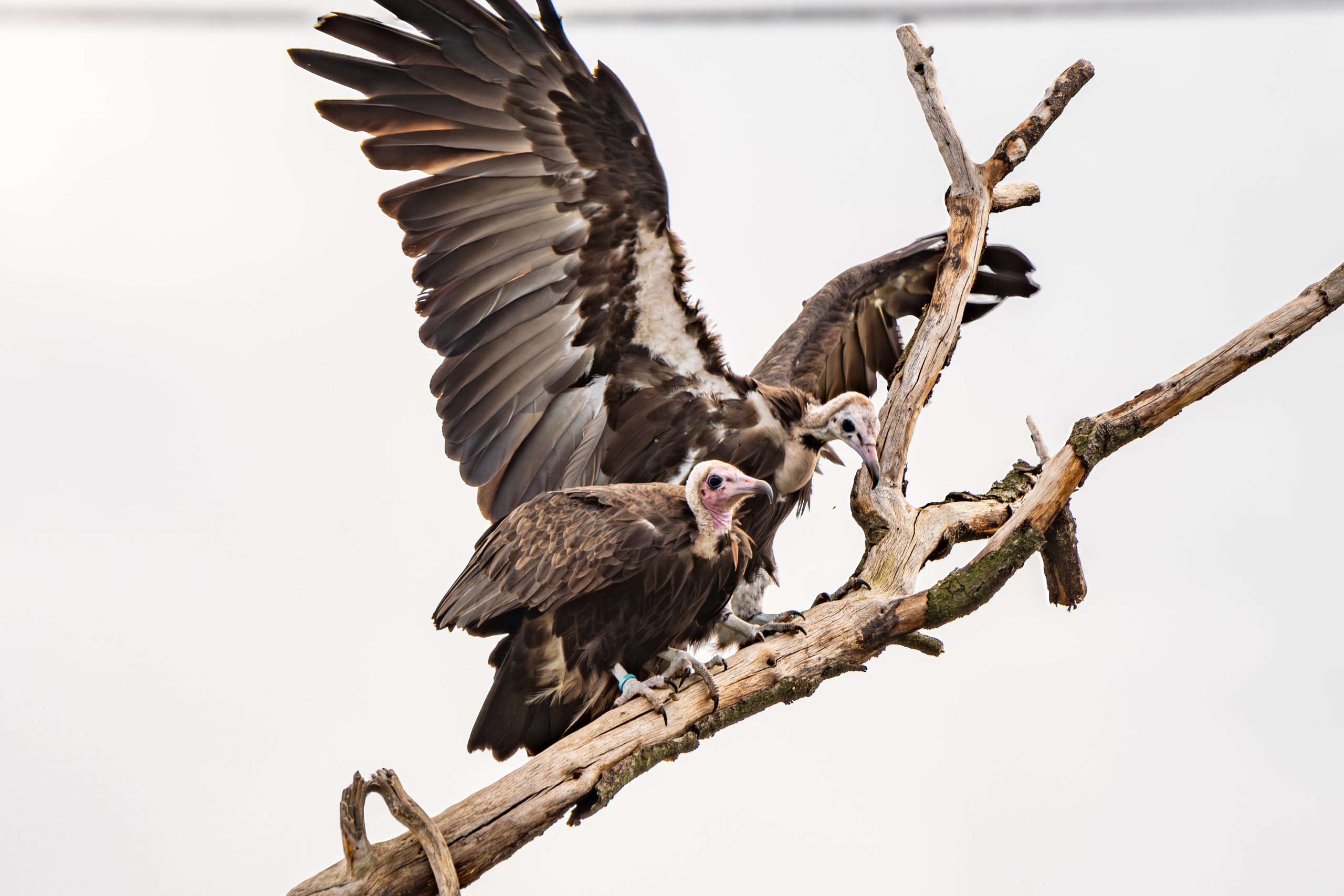
The zoo is in fact welcoming its first pair of hooded vultures, to hopefully boost the critically endangered species, and they just so happen to be named after some of our favourite celebrities from The Traitors.
As famous as Alan Carr and Claudia Winkleman are, these two give them a run for their money, as the first of their kind to ever come to Chester Zoo – making them pretty big celebs in the animal kingdom.
The pair of vultures are currently nestling in to their new home, alongside their new white-headed vulture roommates, at the Heart of Africa aviary. It is here that conservationists are hoping the newly bonded pair will start a family, as part of a Europe-wide breeding programme, to help safeguard their species from extinction – no pressure or anything.
Bird Keeper Heather-Anne Pedley said: “Alan and Claudia came to us from the Horstmann Trust, a conservation breeding centre for vultures, where they are an established breeding pair. We named them after Traitors stars Alan Carr and Claudia Winkelman, because what better way to reflect how funny and engaging they are, than to name them after two national treasures?
“Nobody prepared me for how much I would fall in love with them, their antics and characters. They look like they’ve just put a hood up, and they have this beautiful blue ring around their eyes, like natural eyeliner.”
Alan and Claudia, Chester Zoo’s new vultures. Credit: Chester Zoo
Hooded vultures are distinctive with dark brown feathers, a buff ‘hood’ and a bald face and throat, with wingspans of up to 180cm. They are native to west, central and southern Africa, where they typically pick up their lunch by soaring over the land, looking for carcasses to feed upon as part of ‘nature’s clean-up crew.’
It’s not all gore though, they are very active, clever and interested in their environment. The couples are monogamous, will preen each other, gently touch each other’s bills and co-build nests – quite the romantics.
Heather-Anne added: “This pair are real love birds, and we are hopeful they’ll go on to breed. Any youngsters they go on to have will become part of a European conservation breeding programme, helping to create an insurance population for this incredibly rare species.
“In the wild, vultures help prevent zoonotic diseases – illnesses that can spread between species – because their stomach acid is so strong they can eat decaying meat that other animals would not be able to digest. This helps prevent the spread of diseases like anthrax and botulism into the soil.”
Despite their crucial role across various ecosystems, vulture numbers are declining and they are now sadly classified as critically endangered, according to the IUCN Red List of Endangered Species.
This decline is driven by mid-air collisions or accidental electrocution by scanning the ground for prey whilst perched on uninsulated power lines. These birds are also at risk of being poisoned or even hunted to facilitate an unsustainable demand for vulture body parts and eggs to be used in traditional medicine and rituals, while there is no scientific evidence to support this use.
We are really rooting these two and hope that they settle into their new home.

 Daisy Jackson -
14th September 2023
Daisy Jackson -
14th September 2023